
 Előnézet
 Megosztás
 Megosztás
 Részletek
 Útmutató

 Letöltés
 Hasonló darabok
 X-ray felvétel
 Diavetítés
 Statisztika
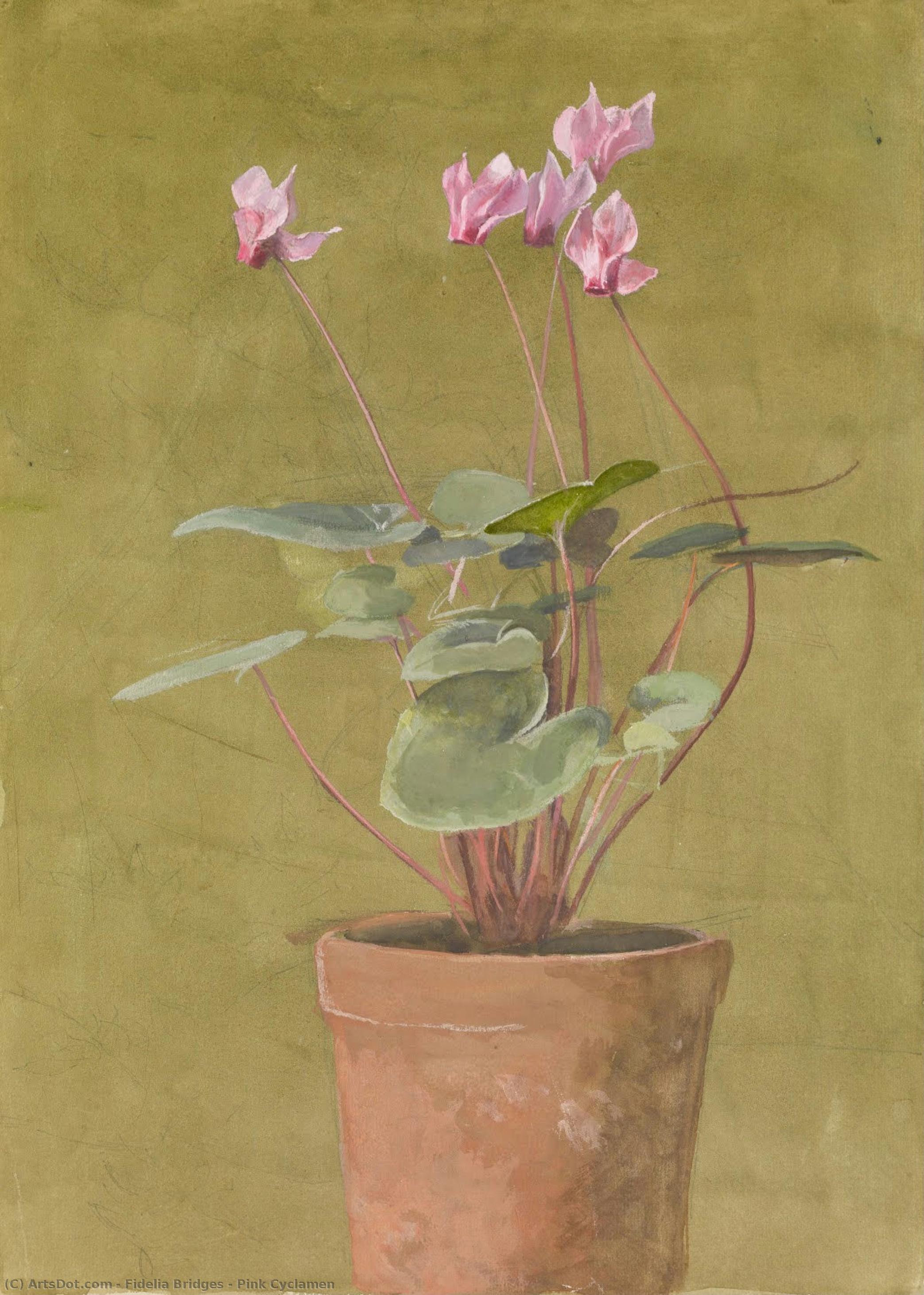
Pink Cyclamen
 Watercolor
- WallArt
- Pre-Raphaelite
 1875
1875- 19th Century
 25.0 x 35.0 cm
 Amon Carter Museum of American Art
 Tovább olvasom
Giclée / Műnyomat
Múzeumi minőségű giclée vagy vászonnyomat, gyors gyártással és rugalmas finomítási lehetőségekkel. ( Kézzel festett másolat vásárlása Áttérés digitális képre)




P118B Ft10

P118H Ft10

P118W Ft10

P438Z Ft10

P508JH Ft12

P508YH Ft12

P805H Ft10

P805Z Ft10

P919BZ Ft10

P919G Ft10

P919XJ Ft10

P959ZH Ft10

P968JZ Ft12

W106C Ft8

W218G Ft10

W218JH Ft8

W218Y Ft10

W307PJ Ft10

W316G Ft10

W316PJ Ft8

W316Y Ft10

W398PJ Ft8

W4111J Ft10

W500HY Ft15

W500JH Ft15

W692G Ft12

W849H Ft8

W940BG Ft15

W953PJ Ft8




Válasszon előre meghatározott méreteink közül, amelyek megfelelnek a műalkotás eredeti arányainak.

Írja be a keretének vagy a falának megfelelő szélességet és magasságot. A nyomatot csak le lehet vágni, soha nem tehető nagyobbá, mint az eredeti kép, így egy eltérő alakú méretnél a kép egy része elveszik. Mielőtt bármit kinyatintanánk, küldünk egy digitális próbamodellt jóváhagyásra. Az oldalon látható kép nem tartalmazza a valós levágást — ezt csak a próbamodell mutatja meg.
Világszerte történő kiszállítás területére mindössze 2 hét alatt, a szokásos 4-5 hét helyett. (24 október)

Ingyenes globális expressz szállítás

Prémium minőségű len vászon

Teljes körű szállítási biztosítás

Vámvisszatérítési Garancia

Tökéletes színarányosság garancia

100 napos visszaküldési garancia (csak gyártási hibás termékek esetén)

100% pénzvisszatérítési garancia

Több darab vásárlásakor kedvezmény
 Az üvegkeretes opció csak 110 cm alatti méretben érhető el

Pink Cyclamen
Giclée / Műnyomat
Reprodukció méretei
-


Összesített ár
Ft 25605
A Delicate Dance of Color and Light
In the gentle, luminous world of Fidelia Bridges, nature is not merely observed but intimately felt. Her 1875 watercolor, Pink Cyclamen, serves as a breathtaking testament to her mastery of the medium and her ability to capture the ephemeral beauty of the botanical world. The composition centers on a vibrant red pot, from which three delicate cyclamen blossoms emerge at varying heights, creating a rhythmic, upward movement that guides the eye through the frame. Set against a warm, sun-drenched yellow background, the painting achieves a luminous quality that feels as though it is radiating its own internal light. The contrast between the deep, passionate red of the vessel and the soft, tender pinks of the petals creates a visual harmony that is both stimulating and profoundly soothing.
The technique employed in this piece reflects the meticulous precision characteristic of Bridges’ later specialization in watercolor. Eschewing the heavy textures of oil, she utilizes the transparency of the watercolor medium to mimic the fragile, almost translucent nature of real flower petals. Each stroke is deliberate, contributing to a sense of "truth to nature" that was a hallmark of her training under the influence of Pre-Raphaelite ideals. The way the light seems to pass through the pink blossoms suggests a level of botanical accuracy that would have captivated 19th-century viewers, while the soft edges and bleeding colors in the background lend the work a dreamlike, atmospheric quality that transcends mere scientific illustration.
Historical Resonance and Artistic Legacy
To understand Pink Cyclamen, one must look to the era of its creation. During the late 19th century, American art was undergoing a transformation, moving toward a more nuanced appreciation for the subtle details of the natural landscape. As a pioneering female artist and the only woman in the early American Watercolor Society, Bridges brought a unique perspective to this movement. Her work often bridged the gap between scientific observation and poetic expression. This particular piece, painted during a period when botanical subjects were highly prized for their symbolic purity and domestic grace, reflects the Victorian era's deep connection to the natural world as a source of spiritual and aesthetic renewal.
For the modern collector or interior designer, this artwork offers much more than a simple floral motif. It is an invitation to tranquility. The piece possesses a timeless elegance that allows it to integrate seamlessly into a variety of sophisticated spaces, from a bright, contemporary sunroom to a classic, richly textured study. Because of its vibrant yet balanced palette, Pink Cyclamen acts as a focal point that can breathe life into a room, providing a sense of organic warmth and historical depth. Owning a high-quality reproduction of this masterpiece is an opportunity to bring a fragment of Bridges' delicate, light-filled legacy into the home, offering a permanent window into a moment of perfected natural beauty.
Gyakran Ismételt Kérdések
Hogyan tölthetem le a(z) „Pink Cyclamen”, Fidelia Bridges alkotása képét?
A „Pink Cyclamen”, Fidelia Bridges alkotása képe letölthető a mű alkotásának Letöltés oldaláról: magas felbontású digitális kép letöltés.
Miért van az, hogy a "Pink Cyclamen" szerzői jogi állapota ilyen?
Fidelia Bridges művészi alkotása, a "Pink Cyclamen", a joghallgatói schützenesség körébe tartozik – a szerzői jog lejártt státuszban van. A szerzői jogi feltételeket a művész halálától számítják, Fidelia Bridges pedig 1923 évben hunyt meg.
Mi a művészettörténeti helye a(z) „Pink Cyclamen”, Fidelia Bridges alkotása alkotásnak?
A „Pink Cyclamen”, Fidelia Bridges alkotása a Pre-Raphaelite irányzat alkotása, a 19th Century korszakból. Ezek együtt adják meg a mű helyét a művészettörténetben.
A művész életrajza
Early Life and Education
- Born: May 19, 1834, in Salem, Massachusetts
- Parents: Henry Gardiner Bridges (a sea captain) and Eliza Chadwick Bridges
- Orphaned at age fifteen after the deaths of both parents in 1849.
- Raised by her older sister, Eliza, who was a schoolteacher.
- Studied drawing during convalescence from an illness, influenced by artist Anne Whitney.
- Worked as a live-in mother's helper for William Augustus Brown, which led to the family’s move to Brooklyn, New York.
- Enrolled at the Pennsylvania Academy of Fine Arts in Philadelphia with William Trost Richards (c. 1860).
Artistic Development and Influences
- Initially an oil painter, later specialized in watercolor painting.
- Influenced by Pre-Raphaelite ideals and William Trost Richards’ emphasis on “truth to nature.”
- Developed a distinctive style characterized by delicate detail and meticulous observation of flora and fauna.
- Travels with the Richards family to Lake George, Lehigh Valley (Pennsylvania), and New Jersey for sketching trips.
- Studied in Rome for a year after the American Civil War.
- Her work combined romanticism with scientific precision, capturing microscopic details in nature.
Major Achievements and Recognition
- Exhibited works at the Pennsylvania Academy of Fine Arts and the National Academy of Design.
- Gained popularity for watercolor depictions of flowers and birds from 1871 onwards.
- Became the only woman among seven notable 19th-century artists in the American Watercolor Society (now the American Watercolor Society).
- Her paintings were reproduced and sold by Louis Prang, leading to a position as a designer for his firm, creating Christmas cards.
- Exhibited her work sporadically from 1863 until 1908.
- Elected as a National Academy of Design Associate in 1873.
Themes and Style
- Subject Matter: Primarily focused on flowers, plants, birds, and other aspects of nature.
- Style: Known for delicately detailed paintings that captured the beauty and serenity of natural scenes.
- Technique: Combined observation with imagination to infuse her subjects with poetic meaning.
- Unique Approach: Transformed flower painting from a hobby into a professional career for women artists.
- Favored Sites: Stratford, Connecticut, and the Housatonic River area were frequent sources of inspiration.
Historical Significance
- One of the few successful female artists in the 19th and early 20th centuries.
- Pioneered watercolor painting as a respected medium for professional artists.
- Her work reflects an appreciation for nature and a commitment to depicting its beauty with scientific accuracy and artistic sensitivity.
- Left behind a legacy of exquisitely detailed paintings that continue to be admired today.
- Died May 14, 1923, in Canaan, Connecticut.

Fidelia Bridges
1834 - 1923 , United States of America
Gyors információk
- Full Name: Fidelia Bridges
- Nationality: American
- Date Of Birth: 1834
- Date Of Death: 1923
- Place Of Birth: Salem, United States of America
- Artistic Movement Or Style: Pre-Raphaelite
- Artists Who Influenced This Artist:
- William Trost Richards
- Anne Whitney
Kapcsolódó cikkek

The Golden Hue: Exploring Symbolism & Emotion in Yellow Art
Explore the rich symbolism & emotional power of yellow in art history! From Van Gogh to Kandinsky, discover how artists used this vibrant hue. Expert analysis & high-quality reproductions at OriginalUniqueArt.
A 'króm sárga' tónusok 10 legikonikusabb mesterműve – Festmények, művészek és inspiráció otthonra
Fedezze fel a 'króm sárga' tónusok 10 leggyönyörűbb festményét! Van Gogh, Monet és más híres művészek remekművei inspiráló történetekkel. Múzeumminőségű reprodukciók otthonra – OriginalUniqueArt.com.
A fényrózsaszín varázsa: 10 ikonikus festmény a művészettörténetből
Fedezze fel a 10 legikonikusabb festményt, melyeket a fényrózsaszín varázsa jellemez! Monet-tól Renoir-ig, ismerje meg a művészettörténet e gyönyörű árnyalatainak szerepét. Vászonképek és reprodukciók prémium minőségben – OriginalUniqueArt.com
A sárgaokker aranykora: 10 híres festmény, melyek elbűvölnek | OriginalUniqueArt.com
Fedezze fel a sárgaokker festmények aranykorát! 10 híres műalkotás – Van Gogh, Rembrandt, Monet és más mesterek remekművei. Művészettörténet, inspiráció otthonába. Prémium minőségű reprodukciók a OriginalUniqueArt.com-on!

Crimson Threads of Narrative: Exploring Symbolism & Representation in Artworks Featuring the Red Dress
Explore the rich symbolism of the red dress in art history! From ancient power displays to iconic portraits like Cézanne’s 'Madame Cezanne', discover the cultural and artistic significance behind this captivating color. Expert analysis & insights.