
 Megtekintés
 Küldés
 Megosztás
 Részletek
 Útmutató

 Letöltés
 Hasonló darabok
 X-ray felvétel
 Diavetítés
 Kérdések és válaszok
 Statisztika
Ethnographic drawing

- 43.0 x 30.0 cm


 Összes részlet megjelenítése
Az ezen az oldalon megjelenített műalkotások szerzői jogi védelem alatt állnak, ami azt jelenti, hogy törvényileg nem készíthetünk és nem adhatunk el belőlük pontos másolatokat. Ez a védelem olyan nemzetközi megállapodások alapján érvényesül, mint például a Berni Egyezmény és a nemzeti jogszabályok által, beleértve azokat is, amelyeket meghatározott Az USA szerzői jogi törvénye – 17. cím.
Ez a módszer teljes mértékben megfelel a szerzői jogi szabályozásnak, mivel nem tartalmazza a védett műalkotás másolását vagy duplikálását. Ehelyett ez egy kreatív újinterpretáció – egy új festmény, amely az eredetivel való összefüggései miatt hatással van rá, de nem az az.
Giclée / Műnyomat
Múzeumi minőségű giclée vagy vászonnyomat, gyors gyártással és rugalmas finomítási lehetőségekkel. ( Kézzel festett másolat rendelése Áttérés digitális képre)




P118B Ft10

P118H Ft10

P118W Ft10

P438Z Ft10

P508JH Ft12

P508YH Ft12

P805H Ft10

P805Z Ft10

P919BZ Ft10

P919G Ft10

P919XJ Ft10

P959ZH Ft10

P968JZ Ft12

W106C Ft8

W218G Ft10

W218JH Ft8

W218Y Ft10

W307PJ Ft10

W316G Ft10

W316PJ Ft8

W316Y Ft10

W398PJ Ft8

W4111J Ft10

W500HY Ft15

W500JH Ft15

W692G Ft12

W849H Ft8

W940BG Ft15

W953PJ Ft8




Válasszon előre meghatározott méreteink közül, amelyek megfelelnek a műalkotás eredeti arányainak.

Írja be a keretének vagy a falának megfelelő szélességet és magasságot. A nyomatot csak le lehet vágni, soha nem tehető nagyobbá, mint az eredeti kép, így egy eltérő alakú méretnél a kép egy része elveszik. Mielőtt bármit kinyatintanánk, küldünk egy digitális próbamodellt jóváhagyásra. Az oldalon látható kép nem tartalmazza a valós levágást — ezt csak a próbamodell mutatja meg.
Világszerte történő kiszállítás területére mindössze 2 hét alatt, a szokásos 4-5 hét helyett. (7 november)

Ingyenes globális expressz szállítás

Prémium minőségű len vászon

Teljes körű szállítási biztosítás

Vámvisszatérítési Garancia

Hiteles színarányosság garancia

100 napos visszaküldési lehetőség (csak hibás termékek esetén)

100% pénzvisszatérítési garancia

Több darab vásárlásakor kedvezmény
 Az üvegkeretes opció csak 110 cm alatti méretben érhető el

Ethnographic drawing
Giclée / Műnyomat
Reprodukció mérete
-


Összesített ár
Ft 26460
A Window into Cultural Heritage
In the delicate lines of Fernando Barbedo Galhano’s Ethnographic Drawing, we find more than just a mere sketch; we encounter a profound moment frozen in time. Created around 1900, this evocative black and white illustration serves as a silent witness to a bygone era of ritual and tradition. The composition centers on a figure seated with quiet dignity upon a stool, legs crossed in a posture of focused intent, cradling a large drum that seems to pulse with the phantom rhythms of a distant ceremony. Through Galhano’s masterful hand, the viewer is transported into a narrative space where the boundaries between observer and subject blur, inviting us to contemplate the deep-seated customs of the people depicted.
The scene is populated by a subtle choreography of figures that add layers of social complexity to the work. A companion stands nearby, perhaps an apprentice or a fellow musician, while distant silhouettes suggest a larger community gathered in the periphery. The inclusion of domestic elements, such as the simple chairs positioned within the frame, grounds this ethnographic study in a tangible reality, suggesting a space where the sacred and the everyday coexist. This interplay of figures creates a sense of depth and movement, guiding the eye through a meticulously detailed landscape of human connection.
The Mastery of Line and Shadow
Technically, this piece is a triumph of monochromatic precision. Galhano utilizes the stark contrast between light and shadow to sculpt form out of emptiness. The fine, rhythmic linework characteristic of early 20th-century ethnographic illustration allows for an incredible level of detail—from the texture of the drum's surface to the heavy folds of traditional garments. There is a deliberate, almost scientific clarity in his technique, yet it never sacrifices the soul of the subject. Each stroke feels purposeful, contributing to a sense of weight and presence that makes the two-dimensional medium feel remarkably three-dimensional.
For the discerning collector or interior designer, this drawing offers a sophisticated aesthetic that transcends mere decoration. Its monochromatic palette provides a timeless elegance, making it an ideal centerpiece for a gallery wall or a subtle accent in a minimalist study. The artwork carries an intellectual weight, appealing to those who appreciate the intersection of fine art and historical documentation. As a high-quality reproduction, it retains the soulful essence of Galhano’s original vision, offering a way to bring the rich, storied atmosphere of the National Museum of Ethnology into a contemporary living space.
An Emotional Resonance of Memory
Beyond its historical value, the Ethnographic Drawing evokes a powerful emotional response. There is a certain melancholy in its stillness—a sense of longing for the preservation of traditions that are often lost to the march of progress. The drawing acts as a bridge across time, allowing us to feel the gravity of the ritual and the shared humanity of the figures portrayed. It is an invitation to slow down, to observe, and to respect the intricate tapestry of human culture.
Whether you are drawn to it for its academic significance, its exquisite graphic quality, or its ability to spark conversation about our global heritage, this piece remains a captivating treasure. It is an investment in storytelling, providing any curated space with a sense of depth, wisdom, and enduring beauty.
Kérdések és válaszok
Mekkora a mérete az eredeti „Ethnographic drawing”, Fernando Barbedo Galhano alkotása alkotásnak?
A „Ethnographic drawing”, Fernando Barbedo Galhano alkotása eredeti mérete 43 x 30 cm.
„Ethnographic drawing”, Fernando Barbedo Galhano alkotása színei tel愈tek vagy fakók?
A „Ethnographic drawing”, Fernando Barbedo Galhano alkotása színei Balanced Soft telítettségűek. A telítettség azt mutatja meg, hogy a színek mennyire élénkek vagy fakók.
Hol vásárolhatom meg „Ethnographic drawing”, Fernando Barbedo Galhano alkotása digitális képét?
A „Ethnographic drawing”, Fernando Barbedo Galhano alkotása digitális fájljának megvásárlása érdekében magas felbontású digitális kép letöltése az alábbi oldalon: Digitális alkotás.
A művész életrajza
Fernando Barbedo Galhano, a portugál művész nemzetközi szinten is felejthetetlen nyomot hagyott a művészet és az etnográfia világában. 1904-ben született Portóban, és élete során sokoldalú tehetsége – festőként, kutatóként, illusztrátorként és etnográfként is – lenyűgöző tanúságtet.
Korai évek és oktatás
Galhano művészeti utazása Portóban kezdődött, a mester Artur Loureiro mentoráltával. Ez az alapozó képzés nemcsak festékművészeti készségeit finomította, hanem mély tiszteletet is sowed benne Portugália kulturális árnyalataira iránt. Résztvétele a Salão Silva Porto kiállításokon 1937, 1943, 1946, 1951 és 1954 évben tovább megerősítette jelenlétét a portugál művészeti közösségben.Etnográfiai hozzájárulások
1948-ban, a Centro de Estudos de Etnografia Peninsular tagjaként Galhano olyan neves személyiségekkel dolgozott együtt, mint Jorge Dias, Ernesto Veiga de Oliveira és Benjamim Pereira. Ez a tevékenység mérföldkő volt pályáján, kiállítva őt korának egyik vezető etnográfiai illusztrátoraként. Művészete rendkívül széles témakörに terjed, amelyben az alábbiak különösen hangsúlyosak:- Ökörák: a hagyományos portugál szállítás egyik tanúje.
- Népi építészet: Portugália népi építészeti stílusainak lényegének dokumentálása.
- Mezőgazdasági eszközök: az ország mezőgazdasági táját meghatározó szerszámok bemutatása.
- Szállítási rendszerek, kosarak, kerámiaművészet, textiltechnológia és malomrendszerek: Portugália változatos kulturális gyakorlatainak átfogó áttekintése.
- Halászat: Portugália tengerészeti kultúrájának lényegének megörökítése.
Örökség és hatás
Galhano öröksége messze túlmutat saját idején. A líszboni Museu Nacional de Etnologia egyik alapítójaként kulcsszerepet játszott Portugália kulturális örökségének megőrzésében. Több ezer rajza nemcsak a portugál kultúra különféle aspektusait dokumentálja, hanem ablakot is nyit az ország egykori kolóniáira.- Galhano munkássága kincsesbánya a kutatóknak és a művészrajongóknak egyaránt, mély betekintést nyújtva a portugál élet fontosságos részleteibe.
- Etnográfiai hozzájárulásai világszerte elismerésre kerültek, megszilárdítva helyét korának egyik legbefolyásosabb művészeként.
- Galhano öröksége folyamatosan inspirációt nyújt a művészek, kutatók és etnográfok új generációi számára.
Összegzés
Fernando Barbedo Galhano élete a művészet, a kutatás és az etnográfia gazdag szövetébe fonódott bele. Munkásságán keresztül maradandót hagyott a művészet világában, és tovább inspirálja azokat, akik nyomán járnak.- Fedezze fel Galhano további műveit itt: https://OriginalUniqueArt.com/@/fernando-barbedo-galhano
- Ismerje meg a líszboni Museu Nacional de Etnologiát és alapításának történetét: https://OriginalUniqueArt.com/@@/museu-nacional-de-etnologia-lisbon-portugal
- Tudjon meg többet az etnográfiai illusztrációról és jelentőségéről: https://en.wikipedia.org/wiki/ethnographic_illustration
Források:
- Fernando Barbedo Galhano, Wikipedia.
- Museu Nacional de Etnologia, Lissabon, Portugália - https://OriginalUniqueArt.com/@@/museu-nacional-de-etnologia-lisbon-portugal
- Centro de Estudos de Etnografia Peninsular, Portugália - https://OriginalUniqueArt.com/@/centro-de-estudos-de-etnografia-peninsular
Fernando Barbedo Galhano
1904 - 1995 , Portugália
Kapcsolódó cikkek
A sötétség művészete: 10 ikonikus festmény lámpfekete árnyalataiban | OriginalUniqueArt.hu
Fedezze fel a 10 legikonikusabb festményt, melyeket a lámpfekete mély árnyalatai jellemeznek! Rembrandt, Caravaggio és más mesterek művészete. Művészeti reprodukciók otthonába – OriginalUniqueArt.com.

A Fekete Szín Mesterei: 10 Híres Festmény, Amelyek Elvarázsolnak – OriginalUniqueArt.com
Fedezze fel a 10 leghíresebb, fekete tónusú festményt! Rembrandt, Goya és Manet remekművei elvarázsolják. Művészettörténet, inspiráció otthonába – OriginalUniqueArt.com kínálatából. Fedezze fel a teljes gyűjteményt online!
The Nuances of Graphite: Exploring Emotional Depth & Technical Mastery in Pencil Drawing
Explore the captivating world of graphite drawing! Discover its rich history, master essential techniques like chiaroscuro, and learn how artists evoke emotion through this timeless medium. Expert insights for art enthusiasts.
A sötét szépség: 10 híres festmény a 'Mars Black' árnyalataiban | OriginalUniqueArt
Fedezze fel a 10 leghíresebb festményt, melyeket a 'Mars Black' mély árnyalatai dominálnak! Rembrandt, Goya és Picasso remekművei – történetük, technikájuk és időtlenségük. Múzeumi minőségű művészeti reprodukciók otthonába. Fedezze fel a teljes gyűjteményt a OriginalUniqueArt.com-on!
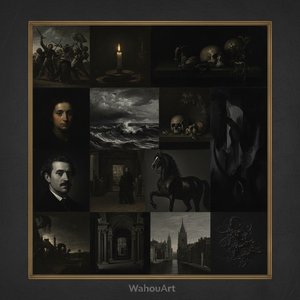
A fekete művészete: 10 ikonikus festmény, melyek elbűvölnek – OriginalUniqueArt.com
Merüljön el a fekete művészet lenyűgöző világában! Fedezze fel 10 ikonikus festményt Rembrandttól Goyáig, melyek elbűvölnek sötét hangulatukkal és mély érzelmeikkel. Műalkotások online – OriginalUniqueArt.com