Megtekintés
 Küldés
 Megosztás
 Részletek
 Útmutató

 Letöltés
 Hasonló darabok
 X-ray felvétel
 Diavetítés
 Statisztika
The Lamentation
 Olajfestmény vászonon
- Falfeliratok és faldekoráció
- Romanticism
 1857
1857- 19. század
 Staatliche Kunsthalle
 Összes részlet megjelenítése
Giclée / Műnyomat
Múzeumi minőségű giclée vagy vászonnyomat, gyors gyártással és rugalmas finomítási lehetőségekkel. ( Kézzel festett másolat rendelése Áttérés digitális képre)




P118B Ft10

P118H Ft10

P118W Ft10

P438Z Ft10

P508JH Ft12

P508YH Ft12

P805H Ft10

P805Z Ft10

P919BZ Ft10

P919G Ft10

P919XJ Ft10

P959ZH Ft10

P968JZ Ft12

W106C Ft8

W218G Ft10

W218JH Ft8

W218Y Ft10

W307PJ Ft10

W316G Ft10

W316PJ Ft8

W316Y Ft10

W398PJ Ft8

W4111J Ft10

W500HY Ft15

W500JH Ft15

W692G Ft12

W849H Ft8

W940BG Ft15

W953PJ Ft8




Válasszon előre meghatározott méreteink közül, amelyek megfelelnek a műalkotás eredeti arányainak.

Írja be a keretének vagy a falának megfelelő szélességet és magasságot. A nyomatot csak le lehet vágni, soha nem tehető nagyobbá, mint az eredeti kép, így egy eltérő alakú méretnél a kép egy része elveszik. Mielőtt bármit kinyatintanánk, küldünk egy digitális próbamodellt jóváhagyásra. Az oldalon látható kép nem tartalmazza a valós levágást — ezt csak a próbamodell mutatja meg.
Világszerte történő kiszállítás területére mindössze 2 hét alatt, a szokásos 4-5 hét helyett. (27 október)

Ingyenes globális expressz szállítás

Prémium minőségű len vászon

Teljes körű szállítási biztosítás

Vámvisszatérítési Garancia

Hiteles színarányosság garancia

100 napos visszaküldési lehetőség (csak hibás termékek esetén)

100% pénzvisszatérítési garancia

Több darab vásárlásakor kedvezmény
 Az üvegkeretes opció csak 110 cm alatti méretben érhető el

The Lamentation
Giclée / Műnyomat
Reprodukció mérete
-


Összesített ár
Ft 25681
The Lamentation: A Soulful Echo of Grief
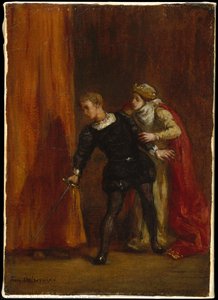
Eugène Delacroix’s “The Lamentation,” painted in 1857, isn't merely a depiction of sorrow; it’s an immersive experience of profound grief and spiritual yearning. Housed within the Staatsgalerie in Karlsruhe, Germany, this monumental canvas transcends its religious subject matter to become a universal meditation on loss, faith, and the human condition. Delacroix, a pivotal figure in the Romantic movement, masterfully employed his signature expressive brushwork and vibrant color palette – techniques honed through admiration of Rubens and the Venetian masters – to capture the raw emotional intensity of Christ’s death and the mourning of those closest to him. The painting isn't about simply illustrating a biblical scene; it’s about conveying the *feeling* of that moment, an almost palpable sense of despair that resonates deeply with the viewer.A Composition Steeped in Symbolism
The arrangement of figures within “The Lamentation” is meticulously crafted to amplify its emotional impact. At the center lies Christ, his body draped across the arms of a man whose grief is etched into every line of his face – a poignant portrayal of familial sorrow. Beside him, another figure reaches out in helpless anguish, while two women, one cradling a baby, embody maternal loss and the heartbreaking prospect of an orphaned future. The inclusion of birds perched atop the cross—one soaring above, the other settled upon the wood—is rich with symbolic meaning. These avian figures are widely interpreted as representing souls ascending to heaven, offering a glimmer of hope amidst the overwhelming darkness. The stark contrast between the white burial shroud and the crimson cloak of Saint John further emphasizes the scene’s drama, drawing the eye to these key elements while simultaneously underscoring the profound tragedy unfolding before us. The somber palette—deep blues, purples, and blacks dominate the sky and clothing—creates an atmosphere of oppressive grief, punctuated by the brilliant white of the shroud and the vibrant red of Saint John's robe.Delacroix’s Romantic Vision: A Reaction to Revolution
“The Lamentation” emerged during a period in French history marked by significant upheaval – the aftermath of the French Revolution and the restoration of the monarchy. Religious themes, once central to artistic expression, had been largely sidelined due to the revolution's emphasis on secularism. Delacroix’s decision to revisit this subject matter wasn’t simply an act of artistic choice; it was a deliberate attempt to revitalize religious imagery with a new level of emotional honesty and dramatic intensity. His own journal entries reveal his profound reaction to the painting: “It inspires an emotion that astonishes even me. You can’t pull yourself away…” This deeply personal response speaks volumes about Delacroix's commitment to capturing genuine feeling, eschewing the idealized forms of Neoclassicism in favor of a more visceral and immediate representation of human suffering. The painting reflects his own Romantic sensibility – a fascination with intense emotion, dramatic landscapes, and the power of nature—and a desire to express profound spiritual experiences.Reproductions: Bringing Delacroix’s Masterpiece Home
For art enthusiasts seeking to experience the emotional depth and artistic brilliance of “The Lamentation” firsthand, handmade oil painting reproductions by OriginalUniqueArt offer a remarkable opportunity. These meticulously crafted replicas capture not only the visual details of Delacroix’s original work but also its inherent atmosphere and emotional resonance. Each reproduction is created using traditional techniques, employing high-quality pigments and canvas to faithfully reproduce the artist's distinctive brushwork and color palette. Owning a “Lamentation” reproduction allows you to bring this powerful artwork into your home, transforming it from a historical artifact into a source of contemplation and emotional connection. Explore the available sizes and options at OriginalUniqueArt.com – and allow yourself to be moved by Delacroix’s timeless masterpiece.- Eugène Delacroix - The Lamentation
- Jean Jacques De Boissieu - Head of an Old Man
- Eugène Delacroix - The Lamentation (64 x 52 cm, Museum of Fine Arts (Boston, United States), Oil On Canvas)
Kérdések és válaszok
Megtekinthetném „The Lamentation”, Eugène Delacroix alkotása alkotást más megvilágítás mellett is?
A „The Lamentation”, Eugène Delacroix alkotása X-ray felvétel oldala egy interaktív nézegető, amely lehetővé teszi a mű alkotásának eleven optikai rétegei közötti görgetést, beleértve az röntgenszerű felvételt is.
Milyen kontraszt jellemzi a „The Lamentation”, Eugène Delacroix alkotása alkotást?
A „The Lamentation”, Eugène Delacroix alkotása kontrasztját Nyilatkozat teszi.
„The Lamentation”, Eugène Delacroix alkotása festmény, rajz vagy grafika?
A „The Lamentation”, Eugène Delacroix alkotása művészeti alkotás a Falfeliratok és faldekoráció kategóriába tartozik. Ez a besorolás határozza meg az eredeti alkotás típusát.
A művész életrajza
Egy forradalmi ecset: Eugène Delacroix élete és öröksége
Ferdinand Victor Eugène Delacroix, 1798-ban született Charenton-Saint-Maurice-ban Párizs közelében, nem csupán festő volt; a romantika lánglelkét testesítette meg. A francia művészet egyik vezető alakjaként emelkedett ki társadalmi viharok és változó esztétikai ideálok korában. Delacroix elutasította a neoklasszicizmus szigorú formalizmusát, ehelyett a drámát, az érzelmeket és egy vibráló palettát ölelt, ami örökre megváltoztatta a festészet útját. Élete, bár személyes tragédiákkal terhelt, elválaszthatatlanul összefonódott művészi látásával – a szublim felfogásának, egzotikus tájak feltárásának és az emberi tapasztalat nyers erejének megörökítésének törekvésével.
Delacroix korai éveit bonyolult családi történet és kissé törékeny egészség alakította. Tizenhat évesen Charles-Maurice de Talleyrand-Périgord befolyásos személyiség nyújtott neki útmutatást, akit sokan igazi apjának tartottak. Ez a kapcsolat kulcsfontosságú pártfogást és hozzáférést biztosított a párizsi művészvilághoz. Kezdetben Pierre-Narcisse Guérin tiszteletreméltő akadémiai festőnél tanult, de Théodore Géricault munkája – különösen monumentális *A Medúza tutaja* című alkotása – ébresztette fel igazán Delacroix művészi szenvedélyét. Még Géricault számára is pózolt, elnyelve az idősebb művész realizmus iránti elkötelezettségét és érzelmi intenzitását.
Történelmi jelenetektől egzotikus látásokig
Delacroix 1822-ben robbant be a Szalon színpadára *Dante és Vergilius a pokolban* című művével, amely azonnal jelezte eltérését a megszokott normáktól. Dante Alighieri *Inferno*-jából merítve a festmény báldag színekkel, dinamikus kompozícióval és kézzelfogható pszichológiai nyugtalansággal tündökölt. Ez egy karrier kezdetét jelentette, amely a szenvedély, a konfliktus és az emberi létezés témáinak felfedezésére szenteltetett. Bár eleinte vegyes reakciókat kapott – egyes kritikusok dicsérték eredetiségét, mások pedig kaotikusnak és klasszikus finomság hiányosnak tartották a munkáját –, Delacroix kitartott, és egyedi stílust alakított ki, amelyet laza ecsetkezelés, gazdag textúrák és a mozgás hangsúlyozása jellemezett.
Érdeklődése túlmutatott a történelmi és irodalmi témákon. 1832-ben tett egy sorsfordító utazást Észak-Afrikába, ami mélyen befolyásolta művészi pályáját. Elmerülve Marokkó vibráló kultúrájában Delacroix lenyűgözte az egzotikus tájakat, az arab törzsek nomád életmódját és hagyományaik intenzitását. Ez a tapasztalat újfajta színt, fényt és energiát öltött festményeibe, mint például *Harcoló arab lovak* című művében és számos algériai élet tanulmányában. Nem csupán dokumentálta ezeket a jeleneteket; arra törekedett, hogy megértse egy kultúra mélyebb lényegét, amely nagymértékben eltér az övétől.
A szín ereje és politikai elkötelezettség
Delacroix színek mestersége talán a legmaradandóbb öröksége. A barokk exuberanciából merítve Rubens-től és a velencei reneszánszi mesterektől, a kromatikus intenzitást részesítette előnyben a pontos rajzolással szemben. Megértette, hogy a szín érzelmeket ébreszthet, hangulatot teremthet és olyan jelentést közvetíthet, amelyet egyedül a vonal nem tud. Ez az innovatív megközelítés mélyen befolyásolta a következő generációk művészeit, utat nyitva az impresszionizmus és a posztimpresszionizmus számára.
Esztétikai újításai mellett Delacroix politikai elkötelezett művész volt. Leghíresebb alkotása, *A szabadság vezeti a népet* (1830) nem csupán a júliusi forradalom ábrázolása; a szabadság és a lázadás erőteljes allegóriája. A festmény dinamikus kompozíciója, allegorikus alakjai és nyers érzelmi ereje biztosította helyét a művészettörténetben a francia nemzeti identitás és forradalmi ideálok szimbólumaként. Nem csupán egy esemény dokumentálásáról szólt; az ország szabadságért küzdő lelkének megragadásáról.
Tartós hatás
Delacroix élete során továbbra is termékenyen festett, sokféle témát felfedezve a shakespeare-i tragédiáktól kezdve a bibliai narratívákig. Jelentős hozzájárulást tett a litográfia területén is, William Scott és Johann Wolfgang von Goethe műveit illusztrálva. Stúdiója művészi csere központjává vált, ambiciózus festőket vonzva, akik rajongtak szokatlan megközelítéséért.
1863-ban bekövetkezett halálakor Delacroix Franciaország egyik legnagyobb művészének bizonyult. Hatása messze túlmutatott a romantikus mozgalmon, formálva a modern festészet fejlődését és számtalan művészt inspirálva báldag színekkel, dinamikus kompozíciókkal és az érzelmi kifejezés iránti töretlen elkötelezettségével. Továbbra is kulcsfontosságú alak marad a művészettörténetben – tanúságtevő az egyéni látás erejéről és a szublim örök vonzerejéről.

Eugène Delacroix
1798 - 1863 , Franciaország
Rövid információk
- Artistic Movement Or Style: Romantizmus
- Artists Or Movements Influenced By This Artist:
- Impresszionizmus
- Posztimpresszionizmus
- Artists Who Influenced This Artist:
- Rubens
- Velencei mesterek
- Date Of Birth: 1798. április 26.
- Date Of Death: 1863. augusztus 13.
- Full Name: Eugène Delacroix
- Nationality: Francia
- Notable Artworks:
- Liberty Leading the People
- The Death of Sardanapalus
- Place Of Birth: Chantonnay, Franciaország
Kapcsolódó cikkek

Oil on Canvas: A Historical & Technical Exploration of a Timeless Artistic Medium
Explore the rich history & enduring techniques of oil painting on canvas. Discover the science behind its longevity, conservation practices, and contemporary relevance. Expert insights for art enthusiasts.

The Enduring Power of Painting: A Historical & Contemporary Exploration of Form and Emotion
Explore the rich history & enduring techniques of oil painting with OriginalUniqueArt. Discover masterpieces, learn about art collecting, and find authentic handmade reproductions crafted by skilled artists.

The Enduring Legacy of Oil on Canvas: Technique, History & Aesthetic Impact
Explore the rich history & techniques of oil painting – from Renaissance masters to Impressionism. Discover pigments, layering methods, and why this timeless medium endures. Expert insights for artists & art enthusiasts.
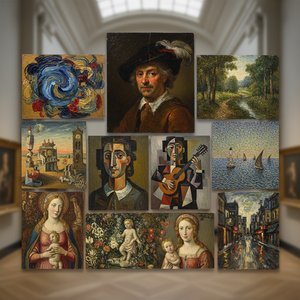
A művészettörténet 10 ikonikus olajfestménye – Vászonra ragasztott örökség a OriginalUniqueArt-tal
Fedezze fel a művészettörténet 10 legikonikusabb olajfestményét! Ismerje meg a híres festők, mint például Van Gogh és Monet történetét. Vászonképek eladó – inspirálja otthonát OriginalUniqueArt-tal! Explore the full collection online.

Ferdinand Delacroix: Romanticism's Revolutionary Brush – A Study of Passion, Politics, and Painterly Innovation
Explore the revolutionary art of Eugène Delacroix, leader of French Romanticism. Discover his masterful use of color, political engagement, and lasting influence on modern painting. Learn about key works & history.