Megtekintés
 Küldés
 Megosztás
 Részletek
 Útmutató

 Letöltés
 Hasonló darabok
 X-ray felvétel
 Diavetítés
 Kérdések és válaszok
 Statisztika
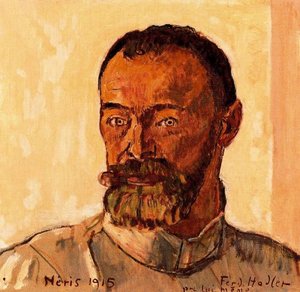
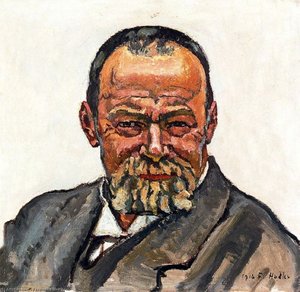
Self-portrait with stand

- 72.0 x 102.0 cm


 Összes részlet megjelenítése
Giclée / Műnyomat
Múzeumi minőségű giclée vagy vászonnyomat, gyors gyártással és rugalmas finomítási lehetőségekkel. ( Kézzel festett másolat rendelése Áttérés digitális képre)




P118B Ft10

P118H Ft10

P118W Ft10

P438Z Ft10

P508JH Ft12

P508YH Ft12

P805H Ft10

P805Z Ft10

P919BZ Ft10

P919G Ft10

P919XJ Ft10

P959ZH Ft10

P968JZ Ft12

W106C Ft8

W218G Ft10

W218JH Ft8

W218Y Ft10

W307PJ Ft10

W316G Ft10

W316PJ Ft8

W316Y Ft10

W398PJ Ft8

W4111J Ft10

W500HY Ft15

W500JH Ft15

W692G Ft12

W849H Ft8

W940BG Ft15

W953PJ Ft8




Válasszon előre meghatározott méreteink közül, amelyek megfelelnek a műalkotás eredeti arányainak.

Írja be a keretének vagy a falának megfelelő szélességet és magasságot. A nyomatot csak le lehet vágni, soha nem tehető nagyobbá, mint az eredeti kép, így egy eltérő alakú méretnél a kép egy része elveszik. Mielőtt bármit kinyatintanánk, küldünk egy digitális próbamodellt jóváhagyásra. Az oldalon látható kép nem tartalmazza a valós levágást — ezt csak a próbamodell mutatja meg.
Világszerte történő kiszállítás területére mindössze 2 hét alatt, a szokásos 4-5 hét helyett. (7 november)

Ingyenes globális expressz szállítás

Prémium minőségű len vászon

Teljes körű szállítási biztosítás

Vámvisszatérítési Garancia

Hiteles színarányosság garancia

100 napos visszaküldési lehetőség (csak hibás termékek esetén)

100% pénzvisszatérítési garancia

Több darab vásárlásakor kedvezmény
 Az üvegkeretes opció csak 110 cm alatti méretben érhető el

Self-portrait with stand
Giclée / Műnyomat
Reprodukció mérete
-


Összesített ár
Ft 26396
A Glimpse into Introspection: Hodler's Self-Portrait with Stand
To stand before Ferdinand Hodler’s Self-portrait with stand is to encounter a moment suspended between public presentation and private contemplation. This striking work, dating from 1879, captures the artist not merely as a likeness, but as a study in poised masculinity and burgeoning artistic self-awareness. The subject, impeccably dressed in a suit and tie, adopts a formal bearing, suggesting an occasion of importance or perhaps simply the necessary facade required by society. Yet, it is within this carefully constructed exterior that Hodler invites us to look deeper, past the polished surface toward the profound currents of the soul.
The Symbolist Gaze and Emotional Resonance
Hodler’s work is deeply rooted in the potent current of Symbolism, a movement fascinated by the unseen realities—the emotions, the myths, and the inner landscape of the human spirit. In this self-portrait, that symbolism manifests through the subject's gaze. He appears to be looking just off-camera, suggesting an engagement with something beyond the frame, perhaps the viewer’s own reflection or a memory only he possesses. The black and white quality of the photograph itself enhances this sense of timeless drama, emphasizing the stark interplay between light and shadow across his features and attire. It is a portrait that whispers rather than shouts, demanding quiet attention from the admirer.
Technique and Formal Mastery
The technical execution speaks to Hodler’s formidable skill, honed through years of dedication to painting. While the original medium lends itself to rich texture, the photograph highlights the masterful handling of tonal contrast—the deep shadows anchoring the figure against the backdrop, and the subtle gradations of light defining the planes of his face. The composition is classically balanced, yet imbued with a modern psychological tension. For those considering bringing this piece into your curated space, understanding this balance between formal structure and emotional depth is key; it functions beautifully as a sophisticated focal point.
Historical Context: A Portrait in Transition
Painted in 1879, this work sits at a fascinating juncture in art history. Hodler was navigating the transition from academic training toward the more emotionally charged language of Symbolism. His early life experiences—marked by profound loss—are often reflected in his art, lending an undercurrent of melancholy contemplation to even his most outwardly composed subjects. This self-portrait is therefore not just a record of appearance; it is a document of an artist solidifying his unique voice against the backdrop of late 19th-century artistic upheaval.
Bringing Artistry Home
Owning a reproduction of this piece allows one to connect intimately with Hodler’s journey. It offers more than mere decoration; it provides a sophisticated narrative anchor for any room, whether in a formal drawing-room or a thoughtfully designed study. The enduring power of Self-portrait with stand lies in its ability to prompt dialogue—not about the man depicted, but about introspection itself. It is an artwork that rewards prolonged viewing, inviting the collector and designer alike to pause, reflect, and absorb the quiet drama captured by the Swiss master.
Kérdések és válaszok
Ki a "Self-portrait with stand" szerzője, és mely művészeti irányból származik?
A "Self-portrait with stand" mögött Ferdinand Hodler és a Symbolism irányzat áll.
Mi a(z) domináns színtónus „Self-portrait with stand”, Ferdinand Hodler alkotása-nél?
A Warm Sunset Tones árnyalat áthatárolja a „Self-portrait with stand”, Ferdinand Hodler alkotása alkotást.
Mennyire harmonikusak „Self-portrait with stand”, Ferdinand Hodler alkotása színei?
A „Self-portrait with stand”, Ferdinand Hodler alkotása színei Balanced Harmony harmóniát mutatnak be. A harmónia azt írja le, hogyan kapcsolódnak egymáshoz a színek.
A művész életrajza
A Life Etched in Symbolism: The World of Ferdinand Hodler
Ferdinand Hodler, a name inextricably linked to the landscape of Swiss painting and the evocative language of symbolism, emerged from modest beginnings to become one of the most significant artists of the late 19th and early 20th centuries. Born in Bern, Switzerland, in 1853, his life was profoundly shaped by early loss – a recurring theme that would deeply inform his artistic vision. The untimely deaths of his father and two younger brothers before he reached adolescence cast a long shadow, instilling within him a contemplative awareness of mortality and the fleeting nature of existence. These experiences, interwoven with an acute sensitivity to the beauty and power of the natural world, became central tenets of his evolving oeuvre. Initially apprenticed to decorative painters, Hodler’s innate talent quickly transcended mere craftsmanship; he yearned for formal training and artistic exploration beyond the constraints of commercial work. This ambition led him to Geneva in 1871, where he immersed himself in study, attending science lectures alongside diligently copying masterpieces at the city's museum – a rigorous education that laid the foundation for his future innovations.From Realism to ‘Parallelism’: Forging a Unique Vision
Hodler’s artistic journey was characterized by constant evolution and an unwavering pursuit of expressive power. His early works reflected the prevailing realist style of the time – portraits, landscapes, and genre scenes executed with meticulous detail. However, he soon found himself constrained by these conventions, seeking a means to convey deeper emotional truths and philosophical ideas. This quest led him towards Symbolism, a movement that rejected naturalistic representation in favor of subjective experience and evocative imagery. Yet Hodler didn’t simply adopt the tenets of Symbolism; instead, he forged his own unique path, developing what he termed “parallelism.” This distinctive style involved arranging figures and forms in rhythmic, almost geometric patterns, creating a sense of both harmony and tension – a visual representation of interconnectedness. It was an attempt to depict not just *what* he saw, but *how* he felt – the underlying emotional currents that connected all things. The Night, completed in 1890, proved to be a pivotal work, marking his definitive turn towards symbolist imagery and sparking considerable controversy with its depiction of recumbent figures suggestive of death and repose. Despite initial criticism, the painting garnered attention in Paris, establishing Hodler’s reputation beyond Switzerland's borders and signaling the arrival of a truly original voice.Landmarks in Paint: Key Works and Their Significance
Throughout his prolific career, Hodler produced a remarkable body of work that continues to resonate with audiences today. The Day, completed in 1893, stands as one of his most ambitious and celebrated achievements – a monumental historical painting showcasing his mastery of composition and symbolism. Housed at the Kunsthaus Zürich, this artwork is a powerful meditation on life, death, and renewal, rendered with an arresting blend of realism and visionary intensity. The sheer scale and emotional weight of The Day cemented Hodler’s position as a leading figure in European art. Other notable works include numerous depictions of the Swiss Alps, imbued with a sense of awe-inspiring grandeur, and portraits that reveal his profound understanding of human psychology. He frequently revisited themes of loss and mourning, perhaps reflecting his own childhood traumas, but always infused them with a sense of dignity and resilience. His paintings weren’t merely representations; they were emotional landscapes, inviting viewers to contemplate the fundamental questions of existence. Works like Truth II (1897) demonstrate Hodler's ability to blend classical forms with modern sensibilities, creating images that are both timeless and strikingly contemporary – a testament to his innovative spirit.Influences and Historical Context
Hodler’s artistic development was shaped by a confluence of influences. His early training under Ferdinand Sommer instilled in him the fundamentals of landscape painting, while his study of works by Holbein, Titian, and Velázquez exposed him to classical techniques and compositional principles. However, it was his encounter with Symbolism that truly liberated his imagination. He drew inspiration from poets like Stéphane Mallarmé and Arthur Rimbaud, embracing their exploration of dreams, myths, and the subconscious. Hodler’s work also resonated with broader cultural currents of the late 19th and early 20th centuries – a period marked by rapid social change, scientific advancements, and a growing sense of existential anxiety. His paintings offered a visual language for grappling with these complex issues, providing solace and insight in an increasingly uncertain world. The rise of Expressionism in the early 20th century can be seen as a direct consequence of Hodler’s pioneering work in exploring subjective emotion and distorted forms.A Lasting Legacy
Ferdinand Hodler's influence extended far beyond the borders of Switzerland. His innovative use of symbolism and his development of “parallelism” paved the way for Expressionism, with its emphasis on subjective emotion and distorted forms. Artists who followed in his footsteps recognized him as a precursor to their own explorations of inner experience. Hodler’s work also resonated with broader cultural currents of the late 19th and early 20th centuries – a period marked by rapid social change, scientific advancements, and a growing sense of existential anxiety. His paintings offered a visual language for grappling with these complex issues, providing solace and insight in an increasingly uncertain world. Today, Hodler’s works are held in major museums across Europe and beyond, ensuring that his artistic vision continues to inspire and challenge generations of viewers. He remains a towering figure in Swiss art history, celebrated not only for his technical skill but also for his profound emotional depth and unwavering commitment to exploring the mysteries of the human condition.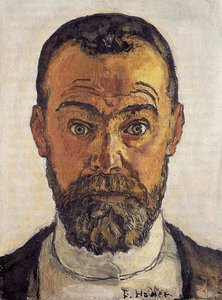
Ferdinand Hodler
1853 - 1918 , Svájc
Rövid információk
- Artistic Movement Or Style: Szimbolizmus, Parallélizmusa
- Artists Or Movements Influenced By This Artist: ['Expressionizmus']
- Artists Who Influenced This Artist:
- Courbet
- Gauguin
- Date Of Birth: 1853. március 14.
- Date Of Death: 1918. május 19.
- Full Name: Ferdinand Hodler
- Nationality: Svajci
- Notable Artworks:
- A Éjjel
- A Nap
- Igazság II
- Place Of Birth: Bern, Svájc
Kapcsolódó cikkek

The Inner Landscape: Exploring Themes of Introspection in Visual Art Across Movements & Eras
Explore the captivating world of introspective art! Discover how artists across eras – from Rembrandt to Kahlo – used self-portraiture to reveal their inner worlds and emotional depths. A journey through art history & psychology.

A 19. század festészete: 10 ikonikus műalkotás a történelemből
Fedezze fel a 19. század festészetének 10 legikonikusabb műalkotását! Monet, Manet és más mesterek remekművei romantikától az impresszionizmusig. Múzeumi minőségű reprodukciók otthonába OriginalUniqueArt.com-on. Ismerje meg a történeteket és inspirálódjon!

Ferdinand Hodler: Symbolism, Parallelism & the Quest for Universal Harmony
Explore the captivating world of Ferdinand Hodler, Swiss Symbolist painter renowned for his evocative landscapes & pioneering 'parallelism'. Discover his life, key works, and lasting influence on art history. Own a hand-painted reproduction today!

The Echo of Self: Reflectivity as a Core Theme in Art History & Contemporary Practice
Explore the rich history of self-representation in art, from Renaissance masters to modern innovators. Discover how artists use portraiture to reveal identity, emotion & the depths of the human psyche. Expert insights for collectors.
Reflecting the Self: A History of Portraiture & Psychological Insight
Explore the fascinating history of self-portraiture from Renaissance masters like Dürer & Rembrandt to modern interpretations. Discover the psychological insights and artistic techniques behind these iconic works. Expert analysis for art enthusiasts.