
 Megtekintés
 Küldés
 Megosztás
 Részletek
 Útmutató

 Letöltés
 Hasonló darabok
 X-ray felvétel
 Diavetítés
 Kérdések és válaszok
 Statisztika
Dents du Midi from Champéry

- 73.0 x 110.0 cm


 Összes részlet megjelenítése
Szerezzen be nyomtatásra kész fájlt, amely messze túlmutat a webes előnézeten. Minden általunk értékesített digitális kép az adatbázisunkban található nagy felbontású mesterfájlból származik – általában 5 000 és 15 000 pixel szélességű –, így magabiztosan nyomtathat nagy méretben, sokat vághat a képen, vagy reprodukálhatja a legfinomabb részleteket is.
Stúdiómból egyetlen fájl sem távozik feltartózkodás nélkül. Egy digitális szakértő az eredeti festménnyel összehasonlítja a színeket, és szükség esetén korrigálja azokat, majd professzionális retusználó eszközökkel javítja a tisztaságot és a részletgazdagságot — miközben mindig hű marad a művész vonalvezetéséhez és stílusához. Az eredmény egy olyan kép, amely úgy néz ki, mint egy festmény, és nem úgy, mint egy szűrőzött szkenn.
A végső munka befejezése előtt jóvá kell hagynia a képet: szakértőnk 72 órán belül elküldi azt e-mailben ellenőrzésre. Nem tetszett? Kérhet javításokat vagy korrekciókat, illetve visszatérítést kérhet, amennyiben a minőség nem felel meg az elvárásoknak.
Ez az a minőség, amelyre a kiadók, a design stúdiók, a galériák és a nyomdaték megbízhatnak.
Digitális kép
Töltsön le nagy felbontású fájlt személyes kiállításokhoz, nyomtatáshoz és kreatív projektekhez. ( Váltás nyomtatványra Kézzel festett másolat rendelése)
Minden digitális kép rendeléséhez tartozó extrák
Szakértői digitális kézbesítés, garantáltan
Amikor a OriginalUniqueArt.com szolgáltatást választja, nem csupán egy képet kap – professzionálisan felmagasított digitális műalkotást kap, amely precizitással készült, és amelyet megelégsedési gwarancia tesz biztoslássá. Az alábbiakban automatikusan minden benne 】

Gyors e-mail teslimítés
A nagy felbontású digitális képmásolatát a megrendelést követő 72 órán belül e-mailben elküldjük Önnek – azonnal használható formátumban.

MI-alapú digitális fájljavítás
Műve professzionális módon kerül optimalizálásra fejlett mesterséges intelligencia eszközök és manuális szerkesztés segítségével, biztosítva a maximális részletességet, tisztaságot és színpontosságot.

Örök életű ingyenes újradelivery
Véletlenül törölted vagy elvesztetted a fájlodat? Ne aggódj – bármikor ingyen újra megküldjük neked.

Nincs importköltség – soha
Élvezze műalkotásait azonnal, vám, illeték vagy szállítási költség nélkül – a digitális letöltések mindig adamentesek.

Színpontosság garantálása
Professzionális eszközök és színkezelés segítségével garantáljuk, hogy digitális képe a lehető legpontosabban tükrözze az eredeti színeket.

100 napos elégedettségi garancia
Ha nemມີ elégedett a digitális képével, 100 napon belül felülvizsgáljuk vagy 100% visszatérítjük az amountot – kérdés बिना.

100% Pénzvisszatérítési garancia
Nem tetszett a vásárlás? 100 napon belül teljes visszatérítést garantálunk a digitális fájl megvételétől számítva – kérdés nélkül.

Tömegrendelési kedvezmények
Vásároljon 3 képet, spóroljon 10%-et - Vásároljon 5-öt, spóroljon 15%-et - Vásároljon 10+ képet, spóroljon 20%-at. Kiváló kreatív projektekhez, galériákhoz és ügynökségekhez.
The Majesty of Mountains: Ferdinand Hodler’s “Dents du Midi from Champéry”
Ferdinand Hodler's "Dents du Midi from Champéry," painted in 1916, isn’t merely a landscape; it’s an immersion into the heart of the Swiss Alps—a realm where nature’s grandeur meets profound introspection. This captivating work, currently residing within the Kunsthaus Zürich, embodies the core tenets of Hodler's unique Symbolist style: a delicate balance between observation and emotional resonance, realism and dreamlike abstraction. The painting captures the iconic Dents du Midi mountain range, towering above the charming village of Champéry, not as static geological formations but as living entities imbued with an almost spiritual presence.
Hodler’s approach to landscape painting was revolutionary for his time. He moved beyond simple representation, seeking instead to convey a deeper truth about the natural world—a truth rooted in feeling and memory. This is evident in the loose, flowing brushstrokes that define the mountains themselves; they aren't sharply delineated but rather suggested through subtle shifts in tone and texture. The sky, rendered in washes of blue and grey, isn’t a backdrop but an active participant in the scene, mirroring the mood and atmosphere of the peaks below. The composition is carefully orchestrated, drawing the eye upwards towards the imposing summits while simultaneously grounding it in the foreground with the suggestion of grazing cows – small details that add a layer of human presence to this otherwise wild expanse.
A Symbolist Vision: Exploring Themes of Mortality and Harmony
Hodler’s artistic journey was deeply shaped by personal loss, particularly the untimely deaths of his father and brothers. This experience profoundly influenced his work, leading him to explore themes of mortality, memory, and the interconnectedness of life and death. “Dents du Midi from Champéry” is often interpreted as a meditation on these concepts. The stark, imposing mountains can be seen as symbols of enduring strength and resilience—a testament to nature’s ability to withstand the passage of time. The presence of the cows in the foreground, peacefully grazing amidst this formidable landscape, offers a poignant counterpoint – a reminder of the fleeting beauty of earthly existence.
Furthermore, Hodler's concept of "parallelism"—a belief that human society is structured around underlying rhythms and harmonies—is subtly reflected in the painting’s composition. The arrangement of the mountains, the placement of the figures, and even the flow of the sky all contribute to a sense of balanced order. This isn’t a chaotic wilderness but rather a carefully orchestrated tableau, inviting contemplation on the patterns that govern both the natural world and human experience.
Technique and Materials: A Masterful Blend
“Dents du Midi from Champéry” was executed in oil on canvas, a medium that allowed Hodler to achieve remarkable subtlety of color and texture. He employed a technique known as “pointillé,” using small, closely spaced brushstrokes to build up layers of tone and create an illusion of depth and luminosity. This meticulous approach is particularly evident in the rendering of the snow-capped peaks—each tiny stroke contributing to the overall impression of shimmering brilliance. The use of muted colors – predominantly blues, greys, and browns – creates a sense of atmospheric perspective, emphasizing the vastness and remoteness of the landscape.
Hodler’s dedication to capturing the essence of his subject matter is further demonstrated by his careful attention to detail. He meticulously observed the nuances of light and shadow, the textures of rock and snow, and the subtle movements of the clouds. This commitment to realism, combined with his Symbolist sensibilities, results in a painting that is both visually stunning and emotionally resonant.
A Timeless Masterpiece: Reproduction and Beyond
Reproductions of “Dents du Midi from Champéry” offer an exceptional opportunity to bring this iconic work into your home or office. High-quality prints on canvas, aluminum composite, or fine art paper faithfully capture the painting’s rich colors and intricate details, allowing you to appreciate Hodler's artistry in all its glory. Consider a framed print for a sophisticated statement piece, or opt for a larger format to dominate a wall—a testament to the enduring power of nature and the visionary talent of Ferdinand Hodler.
Whether you’re an art collector, an interior designer seeking inspiration, or simply someone who appreciates breathtaking landscapes, “Dents du Midi from Champéry” remains a timeless masterpiece – a poignant reminder of the beauty and mystery that surrounds us.
Kérdések és válaszok
Milyen elhelyezés illik „Dents du Midi from Champéry”, Ferdinand Hodler alkotása formátumához?
A formátum (Landscape) és a javasolt helyiség (Living Room) a „Dents du Midi from Champéry”, Ferdinand Hodler alkotása alkotáshoz tartozó két elhelyezési adat.
A „Dents du Midi from Champéry” művészeti alkotás mentes a szerzői jogoktól?
A „Dents du Midi from Champéry”, Ferdinand Hodler alkotása közösségi tulajdon – a szerzői jog lejártt státuszú mű. Ez a jogi státusz határozza meg, hogy a mű képmásolata hogyan reproduzható.
Megtekinthető a „Dents du Midi from Champéry”, Ferdinand Hodler alkotása alkotás rendelés előtt?
A „Dents du Midi from Champéry”, Ferdinand Hodler alkotása előnézete megtekinthető a mű Előnézet oldalán.
Művész életrajza
A Life Etched in Symbolism: The World of Ferdinand Hodler
Ferdinand Hodler, a name inextricably linked to the landscape of Swiss painting and the evocative language of symbolism, emerged from modest beginnings to become one of the most significant artists of the late 19th and early 20th centuries. Born in Bern, Switzerland, in 1853, his life was profoundly shaped by early loss – a recurring theme that would deeply inform his artistic vision. The untimely deaths of his father and two younger brothers before he reached adolescence cast a long shadow, instilling within him a contemplative awareness of mortality and the fleeting nature of existence. These experiences, interwoven with an acute sensitivity to the beauty and power of the natural world, became central tenets of his evolving oeuvre. Initially apprenticed to decorative painters, Hodler’s innate talent quickly transcended mere craftsmanship; he yearned for formal training and artistic exploration beyond the constraints of commercial work. This ambition led him to Geneva in 1871, where he immersed himself in study, attending science lectures alongside diligently copying masterpieces at the city's museum – a rigorous education that laid the foundation for his future innovations.From Realism to ‘Parallelism’: Forging a Unique Vision
Hodler’s artistic journey was characterized by constant evolution and an unwavering pursuit of expressive power. His early works reflected the prevailing realist style of the time – portraits, landscapes, and genre scenes executed with meticulous detail. However, he soon found himself constrained by these conventions, seeking a means to convey deeper emotional truths and philosophical ideas. This quest led him towards Symbolism, a movement that rejected naturalistic representation in favor of subjective experience and evocative imagery. Yet Hodler didn’t simply adopt the tenets of Symbolism; instead, he forged his own unique path, developing what he termed “parallelism.” This distinctive style involved arranging figures and forms in rhythmic, almost geometric patterns, creating a sense of both harmony and tension – a visual representation of interconnectedness. It was an attempt to depict not just *what* he saw, but *how* he felt – the underlying emotional currents that connected all things. The Night, completed in 1890, proved to be a pivotal work, marking his definitive turn towards symbolist imagery and sparking considerable controversy with its depiction of recumbent figures suggestive of death and repose. Despite initial criticism, the painting garnered attention in Paris, establishing Hodler’s reputation beyond Switzerland's borders and signaling the arrival of a truly original voice.Landmarks in Paint: Key Works and Their Significance
Throughout his prolific career, Hodler produced a remarkable body of work that continues to resonate with audiences today. The Day, completed in 1893, stands as one of his most ambitious and celebrated achievements – a monumental historical painting showcasing his mastery of composition and symbolism. Housed at the Kunsthaus Zürich, this artwork is a powerful meditation on life, death, and renewal, rendered with an arresting blend of realism and visionary intensity. The sheer scale and emotional weight of The Day cemented Hodler’s position as a leading figure in European art. Other notable works include numerous depictions of the Swiss Alps, imbued with a sense of awe-inspiring grandeur, and portraits that reveal his profound understanding of human psychology. He frequently revisited themes of loss and mourning, perhaps reflecting his own childhood traumas, but always infused them with a sense of dignity and resilience. His paintings weren’t merely representations; they were emotional landscapes, inviting viewers to contemplate the fundamental questions of existence. Works like Truth II (1897) demonstrate Hodler's ability to blend classical forms with modern sensibilities, creating images that are both timeless and strikingly contemporary – a testament to his innovative spirit.Influences and Historical Context
Hodler’s artistic development was shaped by a confluence of influences. His early training under Ferdinand Sommer instilled in him the fundamentals of landscape painting, while his study of works by Holbein, Titian, and Velázquez exposed him to classical techniques and compositional principles. However, it was his encounter with Symbolism that truly liberated his imagination. He drew inspiration from poets like Stéphane Mallarmé and Arthur Rimbaud, embracing their exploration of dreams, myths, and the subconscious. Hodler’s work also resonated with broader cultural currents of the late 19th and early 20th centuries – a period marked by rapid social change, scientific advancements, and a growing sense of existential anxiety. His paintings offered a visual language for grappling with these complex issues, providing solace and insight in an increasingly uncertain world. The rise of Expressionism in the early 20th century can be seen as a direct consequence of Hodler’s pioneering work in exploring subjective emotion and distorted forms.A Lasting Legacy
Ferdinand Hodler's influence extended far beyond the borders of Switzerland. His innovative use of symbolism and his development of “parallelism” paved the way for Expressionism, with its emphasis on subjective emotion and distorted forms. Artists who followed in his footsteps recognized him as a precursor to their own explorations of inner experience. Hodler’s work also resonated with broader cultural currents of the late 19th and early 20th centuries – a period marked by rapid social change, scientific advancements, and a growing sense of existential anxiety. His paintings offered a visual language for grappling with these complex issues, providing solace and insight in an increasingly uncertain world. Today, Hodler’s works are held in major museums across Europe and beyond, ensuring that his artistic vision continues to inspire and challenge generations of viewers. He remains a towering figure in Swiss art history, celebrated not only for his technical skill but also for his profound emotional depth and unwavering commitment to exploring the mysteries of the human condition.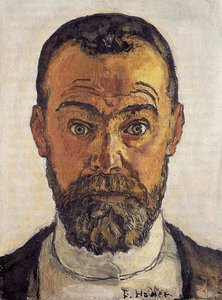
Ferdinand Hodler
1853 - 1918 , Svájc
Érmeradatok
- Artistic Movement Or Style: Szimbolizmus, Parallélizmusa
- Artists Or Movements Influenced By This Artist: ['Expressionizmus']
- Artists Who Influenced This Artist:
- Courbet
- Gauguin
- Date Of Birth: 1853. március 14.
- Date Of Death: 1918. május 19.
- Full Name: Ferdinand Hodler
- Nationality: Svajci
- Notable Artworks:
- A Éjjel
- A Nap
- Igazság II
- Place Of Birth: Bern, Svájc