
 Megtekintés
 Küldés
 Megosztás
 Részletek

 Letöltés
 Hasonló darabok
 X-ray felvétel
 Diavetítés
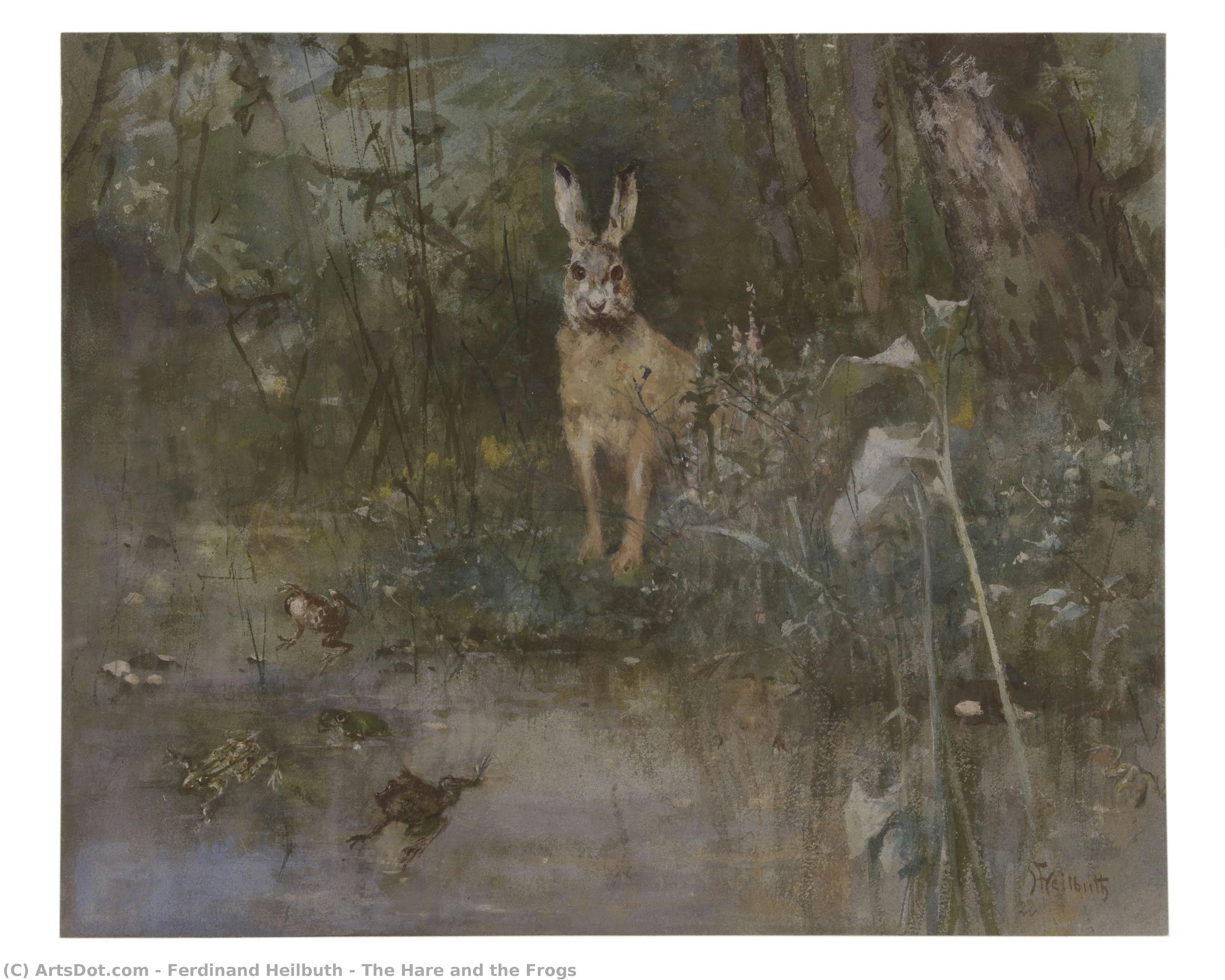
The Hare and the Frogs
 24.0 x 30.0 cm
 Calouste Gulbenkian Múzeum
 Összes részlet megjelenítése
Vásároljon nagy felbontású, javított digitális képet, amely minőségében messze felülmúlja az online előnézetet.
Minden fájlt szakembereink a legmodernebb eszközök és precíz, kézi retusálás segítségével készítenek el aprólékosan. Gondoskodunk arról, hogy minden kép kivételes tisztasággal, pontos színhelyességgel és részletgazdag finomsággal rendelkezzen.
A végleges fájl 72 órán belül e-mailben megérkezik, professzionális, szerkesztői és nyomtatási környezetbe optimalizálva az azonnali használathoz. Ez ugyanaz a minőség, amelyben a legmeghatározóbb tervezőstúdiók, kiadók és galériák is megbízhatnak.
Digitális kép
Töltsön le nagy felbontású fájlt személyes kiállításokhoz, nyomtatáshoz és kreatív projektekhez. ( Nyomat rendelése Kézzel festett másolat rendelése)
Minden digitális kép rendeléséhez tartozó extrák
Szakértői digitális kézbesítés, garantáltan
Amikor a OriginalUniqueArt.com szolgáltatást választja, nem csupán egy képet kap – professzionálisan felmagasított digitális műalkotást kap, amely precizitással készült, és amelyet megelégsedési gwarancia tesz biztoslássá. Az alábbiakban automatikusan minden benne 】

Gyors e-mail teslimítés
A nagy felbontású digitális képmásolatát a megrendelést követő 72 órán belül e-mailben elküldjük Önnek – azonnal használható formátumban.

MI-alapú digitális fejlesztésű fájl
Műve professzionális módon kerül optimalizálásra fejlett mesterséges intelligencia eszközök és manuális szerkesztés segítségével, biztosítva a maximális részletességet, tisztaságot és színpontosságot.

Örök életű ingyenes újradelivery
Véletlenül törölted vagy elvesztetted a fájlodat? Ne aggódj – bármikor ingyen újra megküldjük neked.

Nincs importköltség – soha
Élvezze műalkotásait azonnal, vám, illeték vagy szállítási költség nélkül – a digitális letöltések mindig adamentesek.

Színpontosság garantálása
Professzionális eszközök és színkezelés segítségével garantáljuk, hogy digitális képe a lehető legpontosabban tükrözze az eredeti színeket.

60 napos elégedettségi garancia
Ha nemມີ elégedett a digitális képpel, 60 napon belül átmunkáljuk azt, vagy 100% visszatérítjük az amountot – kérdés nélkül.

100% Pénzvisszatérítési garancia
Nem érheted el a teljes elégedettséget? 60 napon belül teljes visszatérítést kapsz a digitális fájlod megérkezése után – kérdés nélkül.

Tömegrendelési kedvezmények
Vásároljon 3 képet, spóroljon 10%-et - Vásároljon 5-öt, spóroljon 15%-et - Vásároljon 10+ képet, spóroljon 20%-at. Kiváló kreatív projektekhez, galériákhoz és ügynökségekhez.
A művész életrajza
Early Life and Artistic Beginnings
Ferdinand Heilbuth, born in Hamburg on June 27th, 1826, embarked on a path that would see him bridge the gap between academic Romanticism and the burgeoning Impressionist movement. The son of a Rabbi, young Ferdinand initially followed in his father’s footsteps, dedicating himself to rabbinical studies. However, a pivotal visit to Antwerp in 1843 ignited within him a passion for art, irrevocably altering the course of his life. He abandoned theological pursuits and turned wholeheartedly towards painting, driven by an innate desire to capture the world through visual expression. In 1848, Heilbuth arrived in Paris, the epicenter of artistic innovation, seeking formal training at the workshop of Paul Delaroche. Following Delaroche’s passing, he continued his studies under Charles Gleyre, absorbing the techniques and principles that would form the foundation of his early style. These formative years instilled in him a meticulous approach to composition and a sensitivity to narrative detail, characteristics evident in his initial works.From Historical Scenes to Genre Painting
Heilbuth’s earliest paintings reflected the prevailing academic tastes of the time—historical and religious scenes imbued with sentimentality and dramatic flair. Works like “The Tasso at the Court of Ferrara,” exhibited at the Paris Salon, showcased his skill in recreating past epochs and evoking a poetic atmosphere. He frequently depicted cardinals and religious figures, exploring their lives and surroundings with a reverence for historical accuracy. However, even within these traditionally-themed pieces, a nascent sensitivity to human emotion began to emerge, hinting at the direction his art would take. By the 1860s, Heilbuth underwent a significant stylistic shift, moving away from grand narratives towards more intimate genre scenes and landscapes. This transition was fueled by an increasing fascination with the vibrant light of the French countryside and the revolutionary ideas taking hold within the Impressionist circle. While he never fully aligned himself with the movement’s tenets, his work began to share its emphasis on capturing fleeting moments and the subjective experience of light and color.A Period in London and the Influence of Turner
The outbreak of the Franco-Prussian War in 1870 prompted Heilbuth to seek refuge in London, a decision that proved profoundly influential for his artistic development. Immersed in a new cultural landscape, he found himself captivated by the works of J.M.W. Turner, whose innovative use of light and atmospheric effects resonated deeply with his evolving aesthetic sensibilities. He exhibited at both the Royal Academy and the Grosvenor Gallery, gaining recognition within the British art world. This period marked a turning point in Heilbuth’s career; he embraced lighter palettes, more open compositions, and a greater fluidity in depicting natural elements. The influence of Turner is palpable in his London watercolors, which capture the ephemeral beauty of the English countryside with remarkable sensitivity.Return to Paris and Late Career Achievements
Heilbuth returned to Paris in 1874, becoming a French citizen five years later. He continued to paint scenes around the city, particularly along the Seine, focusing on capturing the subtle nuances of light and atmosphere. His late works are characterized by a mastery of reflections, poetic depictions of everyday life, and an increasingly Impressionistic sensibility. In 1881, he was honored with the title of Officer in the Legion of Honor, a testament to his growing reputation within the French art establishment. He also became a founding member of the Société d'aquarellistes français, further solidifying his commitment to watercolor painting and its expressive possibilities. Heilbuth passed away in 1889 at his mansion on Rue Ampère, leaving behind a legacy as an artist who skillfully navigated the transition between Romanticism and Impressionism.Historical Significance and Artistic Legacy
Ferdinand Heilbuth occupies a unique position within 19th-century art history. He wasn’t a radical innovator like Monet or Renoir, yet he was far from a mere imitator of academic styles. His work represents a fascinating synthesis of tradition and modernity, blending meticulous technique with an emerging appreciation for the subjective experience of light and color. Heilbuth's paintings offer a glimpse into the changing artistic landscape of his time, reflecting the shift away from grand narratives towards more intimate depictions of everyday life. His watercolors, in particular, demonstrate a remarkable sensitivity to atmosphere and mood, foreshadowing the later developments of Impressionism and Post-Impressionism. Though perhaps not as widely celebrated as some of his contemporaries, Heilbuth’s contribution to 19th-century art remains significant, offering a compelling example of an artist who successfully adapted to evolving aesthetic sensibilities while retaining his own distinctive voice. His works continue to captivate viewers with their serene beauty and evocative power, serving as a testament to the enduring appeal of Impressionistic landscapes and genre scenes.
ferdinand heilbuth
1826 - 1889
Érdekességek
- Artistic Movement Or Style: Impressionism
- Artists Or Movements Influenced By This Artist:
- Sisley
- Monet
- Artists Who Influenced This Artist:
- Paul Delaroche
- Charles Gleyre
- Henri Heine
- Turner
- Date Of Death: 1889
- Full Name: Ferdinand Heilbuth
- Nationality: German-French
- Notable Artworks:
- Jeune femme au noeud rose
- The greeting in the park
- Moulin sur une rivière
- Place Of Birth: Hamburg, Germany

