

 Megtekintés
 Küldés
 Megosztás
 Részletek
 Útmutató

 Letöltés
 Hasonló darabok
 X-ray felvétel
 Diavetítés
 Statisztika
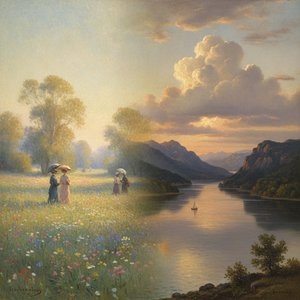
The Seine at Charenton


 Összes részlet megjelenítése
Giclée / Műnyomat
Múzeumi minőségű giclée vagy vászonnyomat, gyors gyártással és rugalmas finomítási lehetőségekkel. ( Kézzel festett másolat rendelése Áttérés digitális képre)




P118B Ft10

P118H Ft10

P118W Ft10

P438Z Ft10

P508JH Ft12

P508YH Ft12

P805H Ft10

P805Z Ft10

P919BZ Ft10

P919G Ft10

P919XJ Ft10

P959ZH Ft10

P968JZ Ft12

W106C Ft8

W218G Ft10

W218JH Ft8

W218Y Ft10

W307PJ Ft10

W316G Ft10

W316PJ Ft8

W316Y Ft10

W398PJ Ft8

W4111J Ft10

W500HY Ft15

W500JH Ft15

W692G Ft12

W849H Ft8

W940BG Ft15

W953PJ Ft8




Válasszon előre meghatározott méreteink közül, amelyek megfelelnek a műalkotás eredeti arányainak.

Írja be a keretének vagy a falának megfelelő szélességet és magasságot. A nyomatot csak le lehet vágni, soha nem tehető nagyobbá, mint az eredeti kép, így egy eltérő alakú méretnél a kép egy része elveszik. Mielőtt bármit kinyatintanánk, küldünk egy digitális próbamodellt jóváhagyásra. Az oldalon látható kép nem tartalmazza a valós levágást — ezt csak a próbamodell mutatja meg.
Világszerte történő kiszállítás területére mindössze 2 hét alatt, a szokásos 4-5 hét helyett. (25 október)

Ingyenes globális expressz szállítás

Prémium minőségű len vászon

Teljes körű szállítási biztosítás

Vámvisszatérítési Garancia

Hiteles színarányosság garancia

100 napos visszaküldési lehetőség (csak hibás termékek esetén)

100% pénzvisszatérítési garancia

Több darab vásárlásakor kedvezmény
 Az üvegkeretes opció csak 110 cm alatti méretben érhető el

The Seine at Charenton
Giclée / Műnyomat
Reprodukció mérete
-


Összesített ár
Ft 25642
A Moment on the Seine: Ferdinand Guillaumin’s “The Seine at Charenton”
Ferdinand Guillaumin's "The Seine at Charenton," painted in 1878, is more than a picturesque depiction of a riverside scene; it’s a shimmering distillation of Impressionist philosophy. This captivating work transports the viewer to a fleeting moment on the banks of the Seine, capturing not just the physical appearance of Charenton but also the very essence of light and atmosphere that defined Guillaumin's artistic vision. The painting immediately draws the eye with its soft, diffused light – a hallmark of Impressionism’s pursuit of capturing transient effects rather than precise representation.
Guillaumin, a key figure within the French Impressionist movement, was deeply influenced by the theories of Eugène Duranty and Claude Monet. He shared their fascination with depicting the ephemeral qualities of nature, particularly the way light transforms surfaces and creates an illusion of movement. Unlike many of his contemporaries who focused on urban scenes, Guillaumin frequently returned to the landscapes of France, meticulously observing and translating the nuances of color and light onto canvas. “The Seine at Charenton” exemplifies this dedication, showcasing a masterful understanding of how atmospheric conditions can dramatically alter the appearance of familiar subjects.
A Symphony of Color and Light
Technically, the painting is executed with loose, visible brushstrokes – a deliberate choice by Guillaumin to prioritize capturing the *impression* of the scene over meticulous detail. The palette is remarkably restrained yet vibrant, dominated by delicate blues, greens, and ochres that evoke the shimmering surface of the Seine and the hazy sky above. Notice how he uses broken color—applying small dabs of paint side-by-side rather than blending them smoothly—to create a sense of luminosity and depth. The reflections on the water are particularly noteworthy, rendered with an almost ethereal quality, suggesting movement and fluidity.
Guillaumin’s technique is closely aligned with Monet's, yet possesses a unique lyricism. While Monet often sought to capture the objective reality of a scene, Guillaumin imbues his landscapes with a palpable sense of emotion and nostalgia. The composition itself contributes to this effect; the figures in the foreground are subtly blurred, suggesting their detachment from the viewer and inviting us to lose ourselves in the beauty of the natural world.
Symbolism and Emotional Resonance
Beyond its technical brilliance, “The Seine at Charenton” is rich in symbolic meaning. The presence of the boats – one a small rowboat and the other a larger vessel – hints at leisure and connection with nature. These figures, though indistinct, represent humanity’s relationship to the river, suggesting both activity and contemplation. The overall mood is serene and contemplative, inviting the viewer to pause and appreciate the simple pleasures of life. It's not merely a depiction of a place; it’s an evocation of a feeling – a sense of tranquility and connection with the natural world.
The choice of Charenton itself holds significance. Located just southeast of Paris, this charming town was already gaining popularity as a resort destination in the late 19th century, attracting artists and intellectuals seeking respite from the bustle of urban life. Guillaumin’s painting captures this atmosphere of relaxed sophistication, reflecting the growing interest in landscape art and the pursuit of beauty in everyday moments.
A Timeless Masterpiece
“The Seine at Charenton” remains a powerful testament to the enduring appeal of Impressionism. Its delicate colors, evocative brushstrokes, and subtle symbolism continue to captivate viewers today. Reproductions of this work offer an exceptional opportunity to bring the beauty of Guillaumin’s vision into any space, creating a focal point that radiates tranquility and invites contemplation. Consider it not just as a painting, but as a portal to a fleeting moment in time – a reminder of the profound beauty found in the simplest of scenes.
Kérdések és válaszok
Milyen hangulatot árasztana egy szobában egy „The Seine at Charenton”, Ferdinand Guillaumin alkotása reprodukció?
A Calm hangulatával a "The Seine at Charenton" című alkotás egy Living Room helyiségbe is javasolt.
Mennyire népszerű a "The Seine at Charenton" a Impressionist Landscape irányzatban?
A katalógban a Impressionist Landscape művek körében a "The Seine at Charenton" Recognized rangsorolást kapott.
Hová sorolható a Ferdinand Guillaumin pályájának mely szakaszába a "The Seine at Charenton"?
Ferdinand Guillaumin pályaművében a „The Seine at Charenton” a Mature Impressionism korszakba tartozik. Ez az időszak segít összehasonlíthatóvá tenni a művet a művész többi alkotásával.
A művész életrajza
early life and career
Jean Baptiste Armand Guillaumin, a french impressionist painter and lithographer, was born on february 16, 1841 in paris, the grandson of jean joseph guillaumin who was a notary by trade. Sent to school early, he demonstrated an aptitude for drawing from a young age, nurturing his artistic inclinations throughout his formative years. His initial training focused on traditional academic techniques, yet Guillaumin swiftly embraced the burgeoning impressionist movement, captivated by its revolutionary approach to capturing fleeting moments of light and color.contribution to impressionism
Guillaumin’s involvement with impressionism wasn't merely stylistic; it represented a profound shift in artistic philosophy. He actively participated in Salon exhibitions alongside fellow luminaries like Claude Monet and Camille Pissarro, showcasing his distinctive vision – landscapes imbued with ethereal beauty and bathed in vibrant hues. His brushstrokes were loose and expressive, prioritizing spontaneity over meticulous detail—a hallmark of the movement’s ethos. Guillaumin's canvases often depicted serene scenes of rural France, rendered with a sensitivity to atmospheric conditions and subtle tonal variations. He skillfully blended pigments to achieve luminous effects, mirroring Monet’s pioneering explorations into optical perception.notable works and associations
Guillaumin’s artistic legacy rests upon a collection of remarkable paintings that continue to inspire admiration. Among his most celebrated compositions are “Garden in Janville in June,” a masterpiece capturing the tranquil splendor of a summer afternoon; “River Scene,” which exemplifies his masterful depiction of water reflections and tonal harmonies; and “View of Puy de Dôme,” showcasing an ambitious attempt to convey the grandeur of volcanic landscapes. His artistic collaborations extended beyond exhibitions, fostering connections with fellow artists who shared similar aesthetic sensibilities. Notably, he maintained close ties with Claude Monet, whose influence can be discerned in Guillaumin’s palette and compositional choices.style and influences
Guillaumin's style is characterized by a harmonious blend of impressionistic techniques and symbolic elements—a testament to his intellectual curiosity and artistic versatility. Like Vincent van Gogh, he experimented with bold colors and expressive brushwork, pushing the boundaries of conventional representation. However, unlike Monet’s predominantly optical explorations, Guillaumin infused his paintings with evocative imagery rooted in mythology and folklore, reflecting a fascination with the subconscious realm.legacy and remembrance
Ferdinand Guillaumin passed away on june 26, 1927, leaving behind an enduring contribution to french art history. His works are housed in prestigious institutions such as the Musée d’Orsay and Tiroler Landesmuseum Ferdinandeum, ensuring that his artistic vision continues to resonate with audiences worldwide. Explore more of Guillaumin's captivating oeuvre on OriginalUniqueArt: ferdinand guillaumin | 3 artworks impressionism art movement
Ferdinand Guillaumin
1841 - 1927 , Franciaország
Rövid információk
- Artistic Movement Or Style: Impressionizmus
- Artists Or Movements Influenced By This Artist: ['Symbolizmus']
- Artists Who Influenced This Artist:
- Claude Monet
- Vincent van Gogh
- Paul Cézanne
- Date Of Birth: Feb 16, 1841
- Date Of Death: Jun 26, 1927
- Full Name: Jean Baptiste Armand Guillaumin
- Nationality: Francia
- Notable Artworks:
- Garden in Janville
- River Scene
- View of Puy de Dôme
- Place Of Birth: Paris, Francia
Kapcsolódó cikkek
Capturing the Light: A Journey Through the Soul of American Impressionism and the Hudson River School
Explore the luminous beauty of American Impressionism and the Hudson River School. Discover a curated journey through light, landscape, and history, celebrating the enduring legacy of masters through exquisite, hand-painted oil reproductions for the discerning art lover.

Paul Cézanne 25 Mesterműve: A Modern Művészet Úttörői | OriginalUniqueArt
Fedezze fel Paul Cézanne 25 legikonikusabb művét! Ismerje meg a posztimpresszionizmus úttörőjének festményeit, technikáját és inspirációit. Vászonképek, portrék, tájképfestmények – minden otthonba. Böngéssze gyűjteményünket a OriginalUniqueArt-on!

Evocations of Place: A Historical Journey Through Landscape Art
Explore the rich history of landscape art with OriginalUniqueArt. Discover renowned artists, movements like Impressionism & tonalism, and expert guidance for collecting timeless pieces. Find your perfect serene escape today!

Flowing Narratives: Rivers in Painting – A Historical Exploration
Explore the rich history of rivers in painting! Discover masterpieces from ancient times to Impressionism & beyond. Learn about symbolism, artists like Monet & Daubigny, and find your perfect serene artwork at OriginalUniqueArt.

Evocations of Place: A Historical Journey Through Landscape Art
Explore the rich history of landscape art with OriginalUniqueArt. Discover renowned artists, movements like Impressionism & Romanticism, and expert guidance for collecting timeless pieces. Find your perfect serene escape today!