

 Megtekintés
 Küldés
 Megosztás
 Részletek
 Útmutató

 Letöltés
 Hasonló darabok
 X-ray felvétel
 Diavetítés
 Q&A
Q&A Statisztika
Szent András vértülei
 Akril vászonon
- Falfeliratok és faldekoráció
- Biedermeier Romanticism
 1821
1821 104.0 x 92.0 cm
 Academy of Fine Arts Vienna
 Összes részlet megjelenítése
Giclée / Műnyomat
Múzeumi minőségű giclée vagy vászonnyomat, gyors gyártással és rugalmas finomítási lehetőségekkel. ( Kézzel festett másolat rendelése Áttérés digitális képre)




P118B Ft10

P118H Ft10

P118W Ft10

P438Z Ft10

P508JH Ft12

P508YH Ft12

P805H Ft10

P805Z Ft10

P919BZ Ft10

P919G Ft10

P919XJ Ft10

P959ZH Ft10

P968JZ Ft12

W106C Ft8

W218G Ft10

W218JH Ft8

W218Y Ft10

W307PJ Ft10

W316G Ft10

W316PJ Ft8

W316Y Ft10

W398PJ Ft8

W4111J Ft10

W500HY Ft15

W500JH Ft15

W692G Ft12

W849H Ft8

W940BG Ft15

W953PJ Ft8




Válasszon előre meghatározott méreteink közül, amelyek megfelelnek a műalkotás eredeti arányainak.

Írja be a keretének vagy a falának megfelelő szélességet és magasságot. A nyomatot csak le lehet vágni, soha nem tehető nagyobbá, mint az eredeti kép, így egy eltérő alakú méretnél a kép egy része elveszik. Mielőtt bármit kinyatintanánk, küldünk egy digitális próbamodellt jóváhagyásra. Az oldalon látható kép nem tartalmazza a valós levágást — ezt csak a próbamodell mutatja meg.
Világszerte történő kiszállítás területére mindössze 2 hét alatt, a szokásos 4-5 hét helyett. (30 október)

Ingyenes globális expressz szállítás

Prémium minőségű len vászon

Teljes körű szállítási biztosítás

Vámvisszatérítési Garancia

Hiteles színarányosság garancia

100 napos visszaküldési lehetőség (csak hibás termékek esetén)

100% pénzvisszatérítési garancia

Több darab vásárlásakor kedvezmény
 Az üvegkeretes opció csak 110 cm alatti méretben érhető el

Szent András vértülei
Giclée / Műnyomat
Reprodukció mérete
-


Összesített ár
Ft 26157
Waldmüller Ferdinánd: Szent András Megaláldalása – Egy Biedermeier Érzelemének Szívében
Ferdinand Georg Waldmüller neve egy olyan név, amely azon az időszakban hallgatósági figyelmet váltott ki és váltja ki még ma is, amikor a német művészet új irányokat keresett és új értékeket próbált megköszönteni. Az ausztrál festő életének első évei szomorúak voltak egy tragikus körülmény által – apja idő előtti halála árnyékot vetett az család fejezetére, ami fiatal Waldmüllerben korán felébresztette az élet törvényszámának tudatosságát – egy téma, amely mélyen resonált művészetében. Az akadémiai művészi oktatás szigorú szabályozottságával szembehelyezkedő Waldmüller lelkes figyelmét pedig a táj és a népi élet ábrázolása kapta el, melyeket végül nagy befolyással bítta meg több generációt. A Szent András Megaláldalás művének különös jelentősége rejthető el azon az időszakban, amikor az európai művészek egyre inkább odafigyeltek az érzések és érzelmek kifejezésére és közvetítésére. Waldmüller alkotása nem csak egy történelmi esemény feldolgozását mutatja meg; hanem egy olyan művészi megközelítést tükröz, amely nagyban befolyásolta kortársait és melynek képei még ma is képesek megérinteni az embert. Ez a művészi megközelítés különösen fontos szerepet játszik Waldmüller alkotása értékében és jelentőségében. A festmény egy szomorú és mély érzelmekkel teli jelenetet ábrázol, melyet Waldmüller nagy ügyességével és részletosságával tudott megköszönteni. Egy kiváltott halálra ítéltek férfiának teste egy korszna alatt helyezkedik el, és számos más személy található a képen – néhány álló helyzetben körülnézve, míg más távolabb van –, melyek minden egyes részlete pontosan követi az időszak művészi hagyományait. Egy kard jelenik meg balra néző szemszögből, és egy másik pedig jobb felső sarokban található. Két könyv is látható a képen – egy középészetre helyezkedik el és egy pedig az alsó részében –, melyek minden egyes lapja gondosan áttekinthető és részletes vizsgálatoknak tett bele. Egy pohár pedig közepesen helyezkedik el a képen, és egy tányér található az egész művészi alkotás alatt. Waldmüller művészete nem csak egy történelmi esemény feldolgozását mutatja meg; hanem egy olyan művészi megközelítést tükröz, amely nagyban befolyásolta kortársait és melynek képei még ma is képesek megérinteni az embert. Ez a művészi megközelítés különösen fontos szerepet játszik Waldmüller alkotása értékében és jelentőségében. Együtt ezekkel az érzelmekkel és érzésekkel szembenéző férfiának teste egy korszna alatt helyezkedik el, és számos más személy található a képen – néhány álló helyzetben körülnézve, míg más távolabb van –, melyek minden egyes részlete pontosan követi az időszak művészi hagyományait. Egy kard jelenik meg balra néző szemszögből, és egy másik pedig jobb felső sarokban található. Két könyv is látható a képen – egy középészetre helyezkedik el és egy pedig az alsó részében –, melyek minden egyes lapja gondosan áttekinthető és részletes vizsgálatoknak tett bele. Egy pohár pedig közepesen helyezkedik el a képen, és egy tányér található az egész művészi alkotás alatt. A festmény technikája pedig nagyban hozzájárul az érzelmek kifejezéséhez és közvetítéséhez. Waldmüller részletes figyelme és ügyessége lehetővé teszi számára, hogy pontosan követi az időszak művészi hagyományait. Együtt ezekkel az érzelmekkel és érzésekkel szembenéző férfiának teste egy korszna alatt helyezkedik el, és számos más személy található a képen – néhány álló helyzetben körülnézve, míg más távolabb van –, melyek minden egyes részlete pontosan követi az időszak művészi hagyományait. Egy kard jelenik meg balra néző szemszögből, és egy másik pedig jobb felső sarokban található. Két könyv is látható a képen – egy középészetre helyezkedik el és egy pedig az alsó részében –, melyek minden egyes lapja gondosan áttekinthető és részletes vizsgálatoknak tett bele. Egy pohár pedig közepesen helyezkedik el a képen, és egy tányér található az egész művészi alkotás alatt. A művésztől származó eredeti kiváló minőségű reprodukciókkal díszítheti otthonát és dekorációját!Kérdések és válaszok
Milyen anyagból készült a "Szent András vértülei"?
A „Szent András vértülei”, Ferdinand Georg Waldmüller alkotása technikája Akril vászonon. A reprodukciók célja ezen technika megjelenítésének hiteles återadása.
Hol vásárolhatok egy nyomtatványt a(z) „Szent András vértülei”, Ferdinand Georg Waldmüller alkotása alkotásból?
A "Szent András vértülei" minőségi giclée nyomat pamutvászonon vagy archiváló vászonpapíron formátumban is elérhető. A rendelést a Művészeti nyomtatvány oldalon lehet megtenni, a kívánt méretben.
„Szent András vértülei”, Ferdinand Georg Waldmüller alkotása egy világos vagy egy sötét tónusú alkotás?
A megjelenő fényerő tekintetében a „Szent András vértülei”, Ferdinand Georg Waldmüller alkotása művének mély árnyék.
A művész életrajza
Ferdinand Georg Waldmüller: A Biedermeier Master and Champion of Realism
Ferdinand Georg Waldmüller, born in Vienna on January 15, 1793, emerged as a pivotal figure within the Austrian art scene, particularly during the Biedermeier period. His life story is one interwoven with artistic innovation, institutional resistance, and an unwavering dedication to capturing the essence of everyday existence. The early years were marked by hardship following his father’s death, instilling in him a profound awareness of life's fragility—a sentiment that would later permeate his art. Despite these challenges, Waldmüller displayed remarkable talent for drawing and painting, leading to his enrollment at the Academy of Fine Arts Vienna in 1807. While his attendance was somewhat sporadic, reflecting perhaps a restless spirit chafing against rigid academic constraints, this period laid the foundation for his future artistic pursuits. Initially drawn to portraiture as a means of securing patronage, Waldmüller’s true passion lay in landscapes and genre scenes—vivid depictions of ordinary life that would ultimately define his legacy. These early explorations honed his observational skills and fostered a deep connection with the natural world, setting the stage for his distinctive style.A Career Defined by Realism and Confrontation
Waldmüller’s artistic journey was characterized by a dynamic tension between creative expression and institutional opposition. To supplement his income during his formative years, he worked as a set designer and continued to paint portraits, often traveling with his wife, the talented singer Katharina Weidner. This itinerant lifestyle exposed him to diverse environments, broadening his artistic horizons and enriching his understanding of human experience. By the 1820s, Waldmüller began developing a unique style—a steadfast commitment to realistically portraying everyday life, particularly in rural settings. He eschewed idealization or romanticism, instead striving to capture the world as it truly was, with all its beauty and imperfections. This dedication to realism garnered both admiration and criticism. Securing a professorship at the Academy of Fine Arts Vienna in 1819 marked a significant milestone, but his tenure proved contentious. Waldmüller passionately advocated for direct observation from nature—plein air painting—and openly challenged the academy’s emphasis on formulaic instruction and adherence to established conventions. His outspokenness resulted in repeated clashes with the artistic establishment, ultimately leading to his forced retirement in 1857. Frequent journeys to Italy, beginning in 1825, and the picturesque Salzkammergut region profoundly influenced his landscape painting, refining his ability to capture light, texture, and atmosphere with remarkable precision.The Everyday Elevated: Themes of Rural Life and Social Commentary
Waldmüller’s artistic output is remarkably diverse, encompassing portraits, landscapes, and genre scenes, yet a unifying thread connects these varied subjects: an acute engagement with the realities of 19th-century Austrian life. Works like Venetian Fruit Seller (1826), an early example of his genre painting style, demonstrate his skill in capturing fleeting moments of everyday existence. His self-portrait from 1828 reveals a keen understanding of human psychology and the nuances of character. Louise Mayer (1836) stands as a testament to his mastery of portraiture, while View of Ischl (1838) showcases his evolving landscape abilities. However, it was paintings like On All Souls' Day (1839), The Love Letter (1849), and Bathing Women (c. 1848–1849) that truly distinguished him. These works weren’t merely picturesque depictions of rural life; they were imbued with a socially critical perspective, subtly exposing the hardships faced by ordinary people—the impact of poverty, misfortune, and the complexities of family dynamics. He didn't shy away from portraying the less glamorous aspects of existence, offering a more honest and nuanced representation of society than was typically seen in academic art.A Lasting Legacy: Influence and Recognition
Ferdinand Georg Waldmüller is rightfully celebrated as one of Austria’s most significant painters of the Biedermeier era. His unwavering commitment to natural observation and plein air painting foreshadowed many of the artistic innovations that would characterize Impressionism decades later. He challenged conventional depictions of rural life, injecting a dose of realism and social commentary into a genre often dominated by idealized imagery. Despite facing criticism and setbacks throughout his career—including forced retirement from the Academy—Waldmüller’s work eventually gained international recognition, culminating in exhibitions at the World Exhibition in Paris (1855) and Buckingham Palace (1856), where he received accolades from Emperor Napoleon III and Queen Victoria respectively. He was knighted shortly before his death on August 23, 1865, in Hinterbrühl, a belated acknowledgment of his artistic contributions. Waldmüller’s legacy extends beyond his individual paintings; he influenced generations of artists with his detailed realism, his focus on everyday subjects, and his courageous willingness to challenge the status quo. He remains a pivotal figure in Austrian art history—a true pioneer who paved the way for new approaches to landscape and genre painting, leaving an indelible mark on the artistic landscape.
Ferdinand Georg Waldmüller
1793 - 1865 , Ausztria
Rövid információk
- Elhalálozás Dátuma: 1865. augusztus 23.
- Hangsúlyos Befolyásolók: ['Impressionizmus']
- Jelentős Művek:
- Velencei gyümölkvendátor
- Önképület
- Louise Mayer
- Ischli táj
- Mindenszentek napja
- A szerelmeslevél
- Fürdőző nők
- Művészeti Irányzat: Biedermeier, Realizmus
- Nemzetiség: Osztrák
- Születési Dátum: 1793. január 15.
- Születési Hely: Bécs, Ausztria
- Teljes Név: Ferdinand Georg Waldmüller
Kapcsolódó cikkek
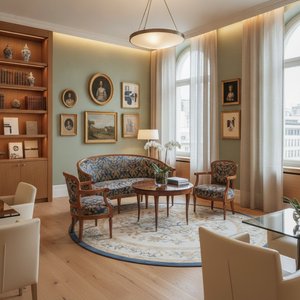
Biedermeier Style Guide: Integrating Elegant, Functional 19th-Century Art into Modern Hotel & Hospitality Interiors
Master the Biedermeier style for hospitality design. Our professional guide explores integrating 19th-century elegance and functional simplicity into modern hotel interiors through expert art procurement and large-scale custom reproductions.

Biedermeier Style: The Elegant Art of Comfort, Simplicity, and Bourgeois Sophistication
Discover the refined elegance of Biedermeier style. Explore how this 19th-century movement blended simplicity with comfort, shaping the art and design of the middle class through Romanticism and functional beauty. An expert guide for classic art enthusiasts.

El Greco 25 Mesterműve: A Spanyol Reneszánsz Legkiemelkedőbb Alkotásai – OriginalUniqueArt.com
Fedezze fel El Greco 25 leglenyűgözőbb művészeti alkotását! Ismerje meg a spanyol reneszánsz és manierizmus mesterét, festményeinek történetét és spirituális mélységét. Luxus reprodukciók – OriginalUniqueArt.com.
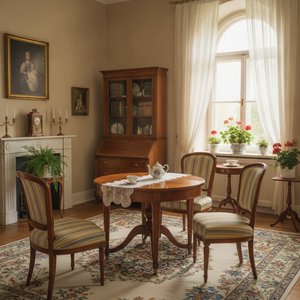
Biedermeier Style: The Art of Comfort, Elegance, and Home Harmony in 19th-Century Europe
Discover the soulful elegance of Biedermeier style. Explore how 19th-century Europe turned to domestic comfort and refined simplicity through art and design. A deep dive into the era of bourgeois sophistication for the true classic art enthusiast.

Biedermeier: Art, Society & Intimacy in Restoration Europe
Explore the world of Biedermeier art & culture! Discover the history, aesthetic principles, and lasting influence of this fascinating European movement. Expert insights & beautiful reproductions at OriginalUniqueArt.


