

 Megtekintés
 Küldés
 Megosztás
 Részletek

 Letöltés
 Hasonló darabok
 X-ray felvétel
 Diavetítés
Verdun
 Oil On Canvas
- WallArt
- Magic Realism
 1917
1917 114.0 x 146.0 cm
 Musée de l’Armée des Invalides
 Összes részlet megjelenítése
Kézzel készített olajfestmény reprodukció
Kézzel festett olajvastú vászon, az Ön által választott méretben és keretben, művészeink készítik meglévőre. ( Nyomat rendelése Kép letöltése)




P118B $10

P118H $10

P118W $10

P438Z $10

P508JH $12

P508YH $12

P805H $10

P805Z $10

P919BZ $10

P919G $10

P919XJ $10

P959ZH $10

P968JZ $12

W106C $8

W218G $10

W218JH $8

W218Y $10

W307PJ $10

W316G $10

W316PJ $8

W316Y $10

W398PJ $8

W4111J $10

W500HY $15

W500JH $15

W692G $12

W849H $8

W940BG $15

W953PJ $8




Válasszon előre meghatározott méreteink közül, amelyek megfelelnek a műalkotás eredeti arányainak.

Ön megadhat saját méreteket egy adott kerethez vagy térhez igazításhoz. Ha a kiválasztott méret nem egyezik az eredeti kép arányával, akkor a műalkotást levágjuk, vagy további kézzel festett elemekkel meghosszabbítjuk a festményt. A gyártás megkezdése előtt küldünk Önnek egy digitális előnézetet jóváhagyásra.
Kérjük, vegye figyelembe, hogy a képernyőn megjelenő előnézet nem tükrözi a tényleges vágást vagy kiterjesztést. Csak az előnézet fog pontosan mutatni a végső kompozíciót.
Bár egyedi méretek állnak rendelkezésre, javasoljuk, hogy válasszon egy méretet az előre meghatározott listából az eredeti arányok megőrzése érdekében.
A rendelést követően a OriginalUniqueArt.com csapata e-mailt küld az ügyfélnek az instrukciókért, és biztosít egy előnézeti képet (mockup).
Világszerte elérhető szállítás () 3-4 hét alatt a szokásos 5 hét helyett. (13 augusztus). A minőség nem kérdőjelezhető.

Ingyenes globális expressz szállítás

Prémium minőségű len vászon

Teljes körű szállítási biztosítás

Vámvisszatérítési Garancia

Hiteles színpontosság garancia

60 napos visszaküldési lehetőség (csak hibás termékek esetén)

100% pénzvisszatérítési garancia

Több darab vásárlása esetén kedvezmény
 Az üvegkeretes opció csak 110 cm alatti méretben érhető el

Verdun
Reprodukciós technika
Reprodukció mérete
-


Összesített ár
$ 300
A műalkotás leírása
Félix Vallotton’s “Verdun”: A Haunting Echo of Modern Warfare
Félix Vallotton's "Verdun," painted in 1917, isn’t merely a depiction of a battlefield; it’s a visceral embodiment of the horrors and anxieties of World War I. This oil on canvas, currently residing within the Musée de l’Armée in Paris, transcends simple representation to become a profoundly unsettling meditation on destruction, chaos, and the erosion of humanity amidst industrial warfare. Vallotton, a key figure within the Nabis movement—a group known for their exploration of color and flattened forms—utilized his distinctive style to capture not just the physical devastation but also the psychological weight of the conflict.
A Fragmented Landscape of Trauma
The painting immediately confronts the viewer with a scene dominated by an immense explosion, rendered in stark black, white, and shades of grey. It’s not a dramatic, explosive moment captured mid-action; instead, Vallotton presents a tableau of aftermath—a landscape utterly ravaged and transformed into a geometric puzzle. Jagged lines, reminiscent of Cubist fragmentation, dissect the scene, suggesting both the physical shattering of buildings and the fracturing of human experience. The sky is choked with smoke and ash, creating an oppressive atmosphere of doom. The color palette is deliberately muted, devoid of vibrant hues, reflecting the bleakness and despair of the situation. This restrained use of color amplifies the painting’s emotional impact, forcing the viewer to confront the stark reality of war without resorting to sensationalism.
Symbolic Resonance: The Geometry of Destruction
Beyond its immediate visual impact, “Verdun” is rich in symbolic meaning. Vallotton employs a deliberate geometric structure—triangles and diagonals—to organize the composition. These shapes aren’t accidental; they represent the systematic destruction wrought by artillery fire, transforming the battlefield into an abstract diagram of devastation. The scattered figures, barely discernible amidst the chaos, are not heroic soldiers but rather anonymous victims swallowed by the conflict. The presence of a lone airplane in the upper right corner serves as a chilling reminder of the new technologies introduced to warfare—instruments of destruction that further dehumanized the experience. The rain depicted falling diagonally across the canvas symbolizes both the physical deluge and the overwhelming sense of sorrow and loss.
Historical Context: A Reflection of a Nation’s Trauma
“Verdun” was painted during the height of the Battle of Verdun, one of the longest and bloodiest battles in World War I. This protracted conflict, known as “the meat grinder,” resulted in staggering casualties for both sides—an estimated 714,000 French and German soldiers perished. The battle became a symbol of French resilience and sacrifice, but also of the immense suffering inflicted by modern warfare. Vallotton’s painting isn't a glorification of war; rather, it’s a poignant reflection of the nation’s trauma—a visual testament to the human cost of conflict. The Musée de l’Armée, itself a repository of French military history, provides an ideal setting for this powerful artwork, ensuring its continued relevance as a reminder of the horrors of the past.
Collecting and Experiencing “Verdun” – A Reproduction Worth Considering
Originals of works like "Verdun" are incredibly rare and highly valued. However, for those seeking to bring this evocative masterpiece into their homes or offices, meticulously crafted oil painting reproductions offer a remarkable alternative. OriginalUniqueArt.com provides exceptional quality reproductions that faithfully capture Vallotton’s unique style and the painting's profound emotional impact. These reproductions serve not only as decorative objects but also as powerful reminders of history—a tangible connection to one of the 20th century’s most devastating conflicts. Consider a reproduction alongside other pieces reflecting themes of war, loss, or resilience – it will undoubtedly become a focal point and spark conversation.
A művész életrajza
A Life Bridging Worlds: Félix Vallotton and the Fin de Siècle
Félix Édouard Vallotton, born in Lausanne, Switzerland in 1865, was an artist whose work embodies the complex spirit of the *fin de siècle*. He navigated a path between his Swiss roots and the vibrant artistic milieu of Paris, ultimately becoming a pivotal figure in the development of modern art. His early life, steeped in the conservative Protestant values of his family—his father a pharmacist, later a chocolatier—provided a stark contrast to the bohemian world he would embrace as an artist. Though initially steered towards classical studies at the Collège Cantonal, Vallotton’s passion for visual expression led him to Paris in 1882, where he enrolled at the Académie Julian. This marked not merely a geographical relocation but a profound shift in perspective, immersing him in the heart of artistic innovation and intellectual ferment.
His academic training provided a solid foundation in technique, yet it was his encounters with emerging avant-garde circles that truly ignited his creative trajectory. He quickly absorbed the spirit of Impressionism, particularly its focus on capturing fleeting moments and subjective experience, but he soon began to forge his own distinctive path, moving beyond mere imitation towards a more personal and expressive style.
The Nabis and the Language of Intimacy
Vallotton’s artistic evolution took a decisive turn when he became associated with *Les Nabis*—a group of young artists including Pierre Bonnard, Édouard Vuillard, and Maurice Denis—in 1892. Though often considered somewhat of an outsider within the group, his affiliation proved crucial in shaping his distinctive style. The Nabis sought to infuse art with a spiritual quality, exploring symbolism and decorative aesthetics. Vallotton absorbed these influences but filtered them through his own unique sensibility, characterized by a cool detachment and unflinching realism. This is perhaps most powerfully expressed in his series of woodcuts, particularly *Intimités* (1898). These ten interior scenes are remarkable for their psychological intensity, depicting charged encounters between men and women with an unsettling frankness. They aren’t narratives of romance or passion but rather explorations of tension, power dynamics, and the hidden complexities within domestic life. The stark contrasts of black and white in his woodcuts—a deliberate nod to Japanese *ukiyo-e* prints—heighten the sense of unease and psychological scrutiny.
The *Intimités* series stands as Vallotton’s most celebrated achievement, a testament to his ability to capture the subtle nuances of human interaction. He masterfully employed light and shadow, composition, and cropping techniques to create images that are both visually arresting and emotionally evocative. The figures in these scenes—often depicted in intimate settings—seem trapped within their own private worlds, caught in moments of unspoken longing or simmering conflict.
Master of Woodcut and Painterly Nuance
Vallotton’s mastery extended beyond the realm of painting; he is widely celebrated as a virtuoso of woodcut, revitalizing the medium with his innovative techniques. He embraced the simplicity and directness of the form, employing bold lines and stark contrasts to create images that were both visually striking and emotionally resonant. His prints weren't merely illustrations but independent works of art, often satirical in nature, commenting on social conventions and political issues. Simultaneously, Vallotton continued to develop his painting style, moving away from purely academic approaches towards a more personal expression. He skillfully balanced realism with subtle symbolic undertones, creating portraits, landscapes, and still lifes that possess an enigmatic quality.
His later paintings demonstrate a refined technique, characterized by carefully modulated colors and precise rendering of form. He often painted *paysages composés* (“composed landscapes”), constructed from memory and observation, imbued with a sense of stillness and melancholy. Vallotton’s work is marked by an exceptional control over color and light, creating atmospheric effects that are both luminous and suggestive.
Legacy and Enduring Influence
Félix Vallotton’s influence resonated throughout the early 20th century, impacting artists as diverse as Edvard Munch and Ernst Ludwig Kirchner. His unflinching gaze, his exploration of psychological themes, and his innovative use of printmaking techniques paved the way for new artistic expressions. He died in Paris in 1925, leaving behind a body of work that continues to captivate and challenge viewers today. His art serves as a poignant reflection of the anxieties and contradictions of the *fin de siècle*, offering a glimpse into a world on the cusp of profound change. Vallotton’s legacy lies not only in his technical brilliance but also in his ability to capture the complexities of human experience with honesty, intelligence, and an enduring sense of mystery. He remains a compelling figure—a Swiss artist who found his voice in Paris, bridging tradition and modernity, realism and symbolism, leaving an indelible mark on the history of art.

Félix Vallotton
1865 - 1925 , Svájc
A művészről röviden
- Artistic Movement Or Style: Post-impresszionizmus, Szimbolizmus
- Artists Or Movements Influenced By This Artist:
- Munch
- Beardsley
- Kirchner
- Artists Who Influenced This Artist:
- Holbein
- Ingres
- Japán ukiyo-e
- Date Of Birth: 1865. december 28.
- Date Of Death: 1925. december 29.
- Full Name: Félix Edouard Vallotton
- Nationality: svájci/francia
- Notable Artworks:
- Intimités
- Bathers on a summer evening
- Moonlight
- Place Of Birth: Lausanne, Svájc
Kapcsolódó cikkek

The Enduring Legacy of Oil on Canvas: Technique, History & Aesthetic Impact
Explore the rich history & techniques of oil painting – from Renaissance masters to Impressionism. Discover pigments, layering methods, and why this timeless medium endures. Expert insights for artists & art enthusiasts.

Oil on Canvas: A Historical & Technical Exploration of a Timeless Artistic Medium
Explore the rich history & enduring techniques of oil painting on canvas. Discover the science behind its longevity, conservation practices, and contemporary relevance. Expert insights for art enthusiasts.

The Enduring Power of Painting: A Historical & Contemporary Exploration of Form and Emotion
Explore the rich history & enduring techniques of oil painting with OriginalUniqueArt. Discover masterpieces, learn about art collecting, and find authentic handmade reproductions crafted by skilled artists.

Az olajfestészet örökös hagyatéka: technika, történelem és kortárs gyakorlat
Fedezze fel az olajfestészet történetét, technikáit és a kortárs művészeti trendeket! Szakértői útmutatók, híres festők alkotásai és tippek az olajfestmény ápolásához. Inspirálódjon most!
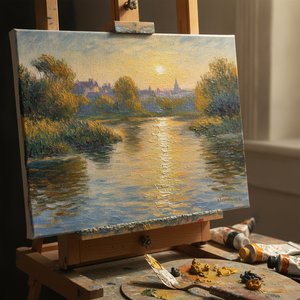
The Soul of Impressionism: Why Oil on Canvas Captures Eternal Light and Timeless Emotion
Discover the enchanting alchemy of Impressionism. Explore how the mastery of oil on canvas, through glazing and impasto, captures eternal light and emotion. Perfect for lovers of Monet and Van Gogh seeking the profound depth of hand-painted fine art.



