

 Megtekintés
 Küldés
 Megosztás
 Részletek
 Útmutató

 Letöltés
 Hasonló darabok
 X-ray felvétel
 Diavetítés
 Statisztika
In the camp
 Acrylic On Canvas
- WallArt
- Surrealism
 1940
1940 47.0 x 42.0 cm
 Deutsches Historisches Museum
 Összes részlet megjelenítése
Giclée / Műnyomat
Múzeumi minőségű giclée vagy vászonnyomat, gyors gyártással és rugalmas finomítási lehetőségekkel. ( Kézzel festett másolat rendelése Áttérés digitális képre)




P118B Ft10

P118H Ft10

P118W Ft10

P438Z Ft10

P508JH Ft12

P508YH Ft12

P805H Ft10

P805Z Ft10

P919BZ Ft10

P919G Ft10

P919XJ Ft10

P959ZH Ft10

P968JZ Ft12

W106C Ft8

W218G Ft10

W218JH Ft8

W218Y Ft10

W307PJ Ft10

W316G Ft10

W316PJ Ft8

W316Y Ft10

W398PJ Ft8

W4111J Ft10

W500HY Ft15

W500JH Ft15

W692G Ft12

W849H Ft8

W940BG Ft15

W953PJ Ft8




Válasszon előre meghatározott méreteink közül, amelyek megfelelnek a műalkotás eredeti arányainak.

Írja be a keretének vagy a falának megfelelő szélességet és magasságot. A nyomatot csak le lehet vágni, soha nem tehető nagyobbá, mint az eredeti kép, így egy eltérő alakú méretnél a kép egy része elveszik. Mielőtt bármit kinyatintanánk, küldünk egy digitális próbamodellt jóváhagyásra. Az oldalon látható kép nem tartalmazza a valós levágást — ezt csak a próbamodell mutatja meg.
Világszerte történő kiszállítás területére mindössze 2 hét alatt, a szokásos 4-5 hét helyett. (27 október)

Ingyenes globális expressz szállítás

Prémium minőségű len vászon

Teljes körű szállítási biztosítás

Vámvisszatérítési Garancia

Hiteles színarányosság garancia

100 napos visszaküldési lehetőség (csak hibás termékek esetén)

100% pénzvisszatérítési garancia

Több darab vásárlásakor kedvezmény
 Az üvegkeretes opció csak 110 cm alatti méretben érhető el

In the camp
Giclée / Műnyomat
Reprodukció mérete
-


Összesített ár
Ft 25827
Felix Nussbaum’s “In The Camp” – A Portrait of Despair Rendered in Bold Minimalism
The painting "In The Camp" by Felix Nussbaum, created in 1940 during his imprisonment at Saint Cyprien internment camp—a harrowing experience that encapsulates the psychological toll of Nazi persecution—stands as a testament to both artistic innovation and profound human emotion. Nussbaum’s oeuvre is marked by Neue Sachlichkeit, or New Objectivity, an art movement born from disillusionment with Expressionism's emotional fervor following World War I. This stylistic choice reflects Nussbaum’s desire to confront the brutal realities of his situation without resorting to sentimental melodrama—a deliberate rejection of artistic conventions that would have obscured the gravity of the subject matter.- Subject Matter: The painting depicts a man seated on a crate in the sand, positioned against a bleak landscape dominated by barbed wire and scattered bones. This stark visual representation underscores the dehumanizing conditions endured by Jewish internees during the occupation of France.
- Composition & Technique: Nussbaum employs a minimalist approach—primarily black and white—to heighten the impact of his depiction. The subdued palette amplifies the sense of isolation and hopelessness, mirroring the psychological state of those imprisoned. Thick brushstrokes contribute to textural richness, conveying both physical discomfort and emotional turmoil.
- Symbolism: Several elements within the painting carry symbolic weight. The man’s slumped posture embodies defeat and resignation; his downward gaze signifies introspection and despair. The woman defecating into a steel drum serves as a visceral reminder of the degradation inherent in the camp environment, symbolizing loss of dignity and humanity.
- Historical Context: Created during the Second World War, “In The Camp” captures the pervasive atmosphere of fear and uncertainty that gripped Europe under Nazi rule. Nussbaum’s artistic response to this crisis reflects a broader trend toward confronting uncomfortable truths—a courageous assertion of human experience amidst unimaginable suffering.
Exploring Nussbaum's Artistic Vision: Neue Sachlichkeit & Its Influence
Neue Sachlichkeit, championed by artists like Georg Grosz and Otto Dix, rejected the expressive distortions favored by Expressionism in favor of a rigorously objective portrayal of reality—often unflinching in its depiction of social ills. Nussbaum’s stylistic commitment aligns perfectly with this movement's ethos: he eschews emotional embellishment to convey the bleakness of his surroundings with uncompromising honesty. This deliberate aesthetic choice underscores Nussbaum’s conviction that art should serve as a conduit for confronting difficult truths and fostering empathy for those experiencing hardship.The Emotional Resonance of “In The Camp”: A Window Into Existential Angst
Beyond its formal qualities, "In The Camp" possesses a palpable emotional resonance—a haunting portrayal of existential angst that transcends time and circumstance. Nussbaum’s masterful use of light and shadow contributes to the painting's dramatic intensity, emphasizing the man’s vulnerability against the backdrop of oppressive surroundings. The overall impression is one of profound sadness and disillusionment—a poignant reminder of the human cost of ideological extremism.Reproductions & Artistic Legacy: Bringing Nussbaum’s Vision Home
High-quality reproductions of “In The Camp” offer a captivating glimpse into Nussbaum's artistic genius and his unflinching engagement with the horrors of the Holocaust. These prints allow viewers to appreciate the painting’s meticulous detail and expressive power—a testament to Nussbaum’s enduring legacy as an artist who bravely confronted darkness while striving to preserve beauty amidst despair. Consider framing it in a neutral tone to maximize its impact, enhancing its contemplative mood.Kérdések és válaszok
Megtekinthető a "In the camp" teljes képernyős diaporámaként is?
Elérhető egy diaváltó: a Diaváltás oldala a(z) „In the camp”, Felix Nussbaum alkotása alkotáshoz.
Mennyire világos összességében a "In the camp"?
A megjelenő fényerő tekintetében a „In the camp”, Felix Nussbaum alkotása művének balanced.
Melyik szobához ajánlott a „In the camp”, Felix Nussbaum alkotása, színei alapján végezve?
A „In the camp”, Felix Nussbaum alkotása Earthy színei tökéletesen illeszkednek a javasolt helyiséghez: egy Living Room.
A művész életrajza
Felix Nussbaum (1904-1944): A Life Etched in Exile
Felix Nussbaum’s story is a stark and profoundly moving testament to the power of art born from unimaginable suffering. Born in Osnabrück, Germany, in 1904, his life unfolded against the backdrop of rising nationalism and escalating persecution, culminating in the horrors of the Holocaust. He wasn't simply a victim *of* history; he was an artist who meticulously documented its impact on his soul, creating a body of work that stands as both a personal lament and a universal warning. Nussbaum’s paintings offer a rare, unflinching glimpse into the psychological landscape of displacement, fear, and ultimately, annihilation – a perspective often absent from broader historical narratives. His father, Philipp Nussbaum, a World War I veteran with an early passion for painting himself, recognized and nurtured his son's talent, providing encouragement that would prove vital in the darkening years to come. This initial support fostered a lifelong dedication to art, even as political realities increasingly constricted his path.Early Life and Artistic Influences
Nussbaum’s artistic journey began with formal studies in Hamburg and Berlin in 1920, continuing for as long as circumstances allowed. His early work reveals a clear debt to the Post-Impressionist masters, particularly Vincent van Gogh and Henri Rousseau. The vibrant colors and expressive brushwork of these artists provided a foundation upon which Nussbaum would later build his unique style. However, he wasn’t content with mere imitation. He actively sought out new influences, drawn to the unsettling dreamscapes of Giorgio de Chirico and Carlo Carrà, pioneers of the *pittura metafisica* movement. The careful attention to color demonstrated by Carl Hofer's expressionist paintings also left a lasting impression on Nussbaum’s approach. These diverse inspirations coalesced into what would become known as his “New Objectivity” style – a blend of realism and surrealism, characterized by precise detail, unsettling compositions, and a pervasive sense of alienation. This period was marked by experimentation and growth, but the looming shadow of Nazi ideology soon threatened to extinguish his artistic promise.Formative Years: The Seeds of Surrealism
Felix Nussbaum’s formative years were shaped by an unwavering fascination with art and literature. From a young age he demonstrated exceptional talent, fueled by his father's encouragement—a veteran who himself had pursued painting as a hobby—and nurtured by the supportive environment of Osnabrück. His artistic inclinations blossomed during his studies at Hamburg University and Berlin’s Lewin-Funcke School, where he honed his skills under influential teachers like César Klein and Hans Meid. It was here that Nussbaum encountered Felka Platek, whom he would marry in 1937, forging a lifelong partnership rooted in shared artistic sensibilities. The influence of Van Gogh's emotive brushstrokes and Rousseau’s evocative landscapes served as crucial catalysts for Nussbaum’s stylistic development—a foundation upon which he would later build his distinctive vision. Simultaneously, he absorbed the unsettling aesthetic principles of De Chirico and Carrà, embracing *pittura metafisica*’s exploration of subconscious imagery and distorted perspectives.The Rise of Nazism and Exile
The ascent of Adolf Hitler to power in 1933 irrevocably altered Nussbaum's trajectory. Studying on a scholarship at Rome’s Villa Massimo—a moment of profound intellectual liberation—he witnessed firsthand the chilling pronouncements of Goebbels, Hitler’s Minister of Propaganda, outlining the Fuhrer’s artistic doctrine: “The Aryan race and heroism are the main themes that the Nazi artist is to develop.” Recognizing the perilous implications for Jewish artists like himself, Nussbaum swiftly abandoned his academic pursuits and fled Rome in May 1933. He relocated to Paris shortly thereafter, where he continued to exhibit his work—a testament to his unwavering commitment to artistic expression despite mounting pressures from the increasingly repressive Nazi regime. Despite initial successes, Nussbaum’s life was disrupted by the outbreak of World War II in September 1939. His parents decided to leave Germany and sought refuge in Amsterdam, where Nussbaum joined them. However, the German invasion of Belgium in May 1940 plunged Nussbaum into a harrowing ordeal—arrest and internment at Saint-Cyprien camp, followed by escape and clandestine existence amidst the escalating terror of occupation.Late Works: Confronting Death and Loss
During his time in hiding, Nussbaum produced some of his most poignant and powerful paintings—works imbued with an overwhelming sense of despair and vulnerability. *Self Portrait with Jewish Identity Card* (1943), a haunting depiction of his own face superimposed upon the symbol of Jewish persecution, encapsulates the psychological torment inflicted by Nazi ideology. Alongside this iconic image is *Triumph of Death*, a monumental canvas depicting a macabre procession of skeletons—a chilling commentary on mortality and the inevitability of annihilation. Nussbaum’s meticulous attention to detail—the precise rendering of textures and colors—served as a defiant assertion of artistic integrity amidst circumstances of unimaginable hardship. Tragically, Nussbaum's parents perished at Auschwitz in August 1944—a devastating loss that underscored the profound vulnerability of human existence under totalitarian oppression. Shortly thereafter, he and Felka Platek were apprehended by German forces and deported to Mechelen transit camp before ultimately reaching Auschwitz itself, where Felix Nussbaum was murdered upon arrival in August of that year. His brother and sister-in-law followed soon after, completing the tragic annihilation of his family within a single calamitous year. Despite this unbearable fate, Nussbaum’s legacy endures as an indelible testament to artistic courage and resilience—a haunting reminder of the horrors inflicted by Nazi barbarism and a beacon of hope for future generations.
Felix Nussbaum
1904 - 1945 , Németország
Rövid információk
- Artistic Movement Or Style: Új Objektivitás
- Artists Who Influenced This Artist:
- Vincent van Gogh
- Henri Rousseau
- Giorgio de Chirico
- Date Of Birth: 1904
- Date Of Death: 1944
- Full Name: Felix Nussbaum
- Nationality: Német-zsidó
- Notable Artworks:
- Öniség portréja zsidó személyi igénnyel
- Halotti Ünnep
- Felka Platek festménye
- Place Of Birth: Osnabrück, Németország
Kapcsolódó cikkek
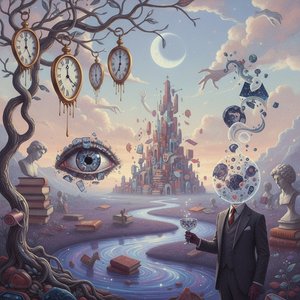
Beyond Reality: A Connoisseur's Guide to the Subconscious Majesty of Surrealism
Embark on a sophisticated journey through the dreamlike world of Surrealism. Discover the profound symbolism of masters like Dalí and learn how to curate evocative, subconscious-inspired masterpieces for your private collection with expert art historical insight.
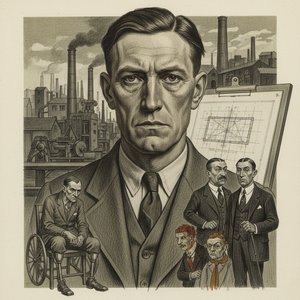
Neue Sachlichkeit: Objectivity, Realism & Social Commentary in Interwar German Art
Explore Neue Sachlichkeit – the pivotal German art movement critiquing Weimar society with unflinching realism. Discover key artists like Dix & Grosz, its historical context, and collecting insights for discerning investors.

Unblinking Truths: The Clinical Realism of Germany’s Neue Sachlichkeit
Explore the clinical precision of German New Objectivity through masters like Otto Dix. Discover the truth behind the Weimar era's raw realism.
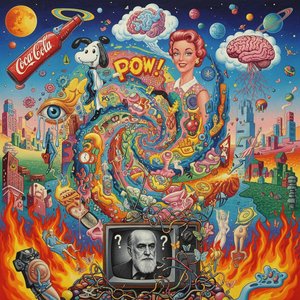
Pop Surrealism: A Collision of Culture, Dreams & the Subconscious in Post-War Art
Explore the captivating world of Pop Surrealism with OriginalUniqueArt. Discover key artists like George Condo & Robert Williams, investment potential, and the movement's cultural impact. Expert insights for collectors.
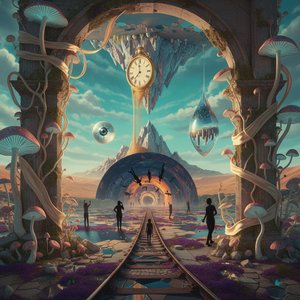
Dreamscapes & Disrupted Realities: Exploring Surrealism's Enduring Influence
Explore the fascinating world of Surrealism! Discover its origins, key artists like Dalí & Magritte, and enduring influence on art & culture. Expert insights & high-quality reproductions at OriginalUniqueArt.
