

 Megtekintés
 Küldés
 Megosztás
 Részletek

 Letöltés
 Hasonló darabok
 X-ray felvétel
 Diavetítés
 Statisztika
Pierrot the Photographer


 Összes részlet megjelenítése
Giclée / Műnyomat
Múzeumi minőségű giclée vagy vászonnyomat, gyors gyártással és rugalmas finomítási lehetőségekkel. ( Kézzel festett másolat rendelése Áttérés digitális képre)




P118B $10

P118H $10

P118W $10

P438Z $10

P508JH $12

P508YH $12

P805H $10

P805Z $10

P919BZ $10

P919G $10

P919XJ $10

P959ZH $10

P968JZ $12

W106C $8

W218G $10

W218JH $8

W218Y $10

W307PJ $10

W316G $10

W316PJ $8

W316Y $10

W398PJ $8

W4111J $10

W500HY $15

W500JH $15

W692G $12

W849H $8

W940BG $15

W953PJ $8




Válasszon előre meghatározott méreteink közül, amelyek megfelelnek a műalkotás eredeti arányainak.

Megadhat saját méreteket is egy konkrét kerethez vagy helyszínhez igazítva. Amennyiben a kiválasztott méret nem egyezik az eredeti kép arányokkal, a műalkotást le fogjuk vágni, vagy kiegészítjük a képet tükrözött vagy egyszínű szélekkel. A gyártás megkezdése előtt egy digitális tervezetet küldünk jóváhagyásra.
Kérjük, vegye figyelembe, hogy a képernyőn látható előnézet nem tükrözi a tényleges levágást vagy kiegészítést. Csak a tervezet mutatja pontosan a végső kompozíciót.
Bár az egyedi méretek is elérhetőek, az eredeti arányok megőrzése érdekében azt javasoljuk, hogy válasszon a előre meghatározott listából származó méretet.
Világszerte történő kiszállítás területére mindössze 2 hét alatt, a szokásos 4-5 hét helyett. (17 szeptember)

Ingyenes globális expressz szállítás

Prémium minőségű len vászon

Teljes körű szállítási biztosítás

Vámvisszatérítési Garancia

Hiteles színpontosság garancia

100 napos visszaküldési lehetőség (csak hibás termékek esetén)

100% pénzvisszatérítési garancia

Több darab vásárlása esetén kedvezmény
 Az üvegkeretes opció csak 110 cm alatti méretben érhető el

Pierrot the Photographer
Giclée / Műnyomat
Reprodukció mérete
-


Összesített ár
$ 80
The Enigmatic Figure: Unveiling “Pierrot the Photographer”
Félix Nadar’s “Pierrot the Photographer,” created in 1854, isn't merely a portrait; it’s a meticulously constructed tableau vivant—a staged scene brimming with quiet observation and subtle commentary on the burgeoning world of photography. The image immediately draws the eye to Pierrot, a figure both familiar and unsettlingly modern, holding a camera poised as if capturing not just a likeness but an essence. He embodies the nascent spirit of the photographer himself – a blend of artist, observer, and documentarian, all wrapped in the playful guise of a traditional clown. The photograph’s power lies not simply in its technical execution, but in the carefully orchestrated narrative it presents, inviting us to contemplate the very nature of representation and identity.
The work's historical context is crucial to understanding its significance. Nadar was a pioneer, pushing against the conventions of portraiture prevalent during the mid-19th century. He rejected the opulent backdrops and theatrical poses favored by his contemporaries, instead opting for natural light and an intimate approach that prioritized capturing the sitter’s personality. “Pierrot the Photographer” exemplifies this shift—a deliberate departure from traditional formality, suggesting a new era of visual storytelling.
A Dance of Light and Shadow: Technical Details & Artistic Choices
Examining the photographic process reveals layers of artistry. “Pierrot the Photographer” was undoubtedly produced using one of the early wet collodion techniques, a demanding method requiring immediate development after exposure. This explains the image’s distinctive grainy texture—a hallmark of photographs from this period—and the subtle variations in tone that contribute to its aged and evocative quality. The careful control of light is particularly noteworthy; diffused illumination creates a soft, almost melancholic atmosphere, highlighting the textures of Pierrot's costume and casting gentle shadows that add depth and dimension.
Nadar’s compositional choices further enhance the photograph’s impact. The tripod, a stark vertical element, anchors the scene while simultaneously creating a sense of formality and precision. Pierrot’s slight tilt of his head—a subtle gesture of engagement—draws us into the frame, inviting us to share in his moment of observation. The two indistinct figures in the background offer a hint of context without disrupting the central focus, suggesting a studio setting and hinting at the collaborative nature of photographic production.
Symbolism & Emotional Resonance: Beyond the Surface
“Pierrot the Photographer” is rich with symbolic meaning. The clown costume itself—a traditional symbol of playfulness and theatricality—contrasts sharply with the seriousness of the act of photography, creating a fascinating tension. The camera becomes an extension of Pierrot’s personality, transforming him into both subject and observer. The image speaks to the evolving role of the photographer in society – moving from mere recorder of reality to active participant in shaping it.
Furthermore, the photograph evokes a sense of nostalgia and timelessness. Its aged appearance—the subtle imperfections and tonal variations—suggests that it has witnessed countless moments, carrying with it the weight of history. “Pierrot the Photographer” is not simply a portrait; it’s a meditation on memory, identity, and the enduring power of visual representation.
A Legacy in Reproduction: Bringing Nadar's Vision to Life
Reproductions of “Pierrot the Photographer” offer a unique opportunity to experience the artistry of Félix Nadar firsthand. The meticulous detail captured in this early photograph—the textures of the costume, the subtle nuances of light and shadow—are faithfully reproduced in high-quality prints, allowing viewers to appreciate the depth and complexity of Nadar’s vision. Whether displayed as a statement piece in a contemporary interior or studied as an historical artifact, this iconic image continues to captivate and inspire.
A művész életrajza
Félix Nadar: A fotográfia úttörője
Kora és kezdetek
- Született: Gaspard-Félix Tournachon, 1820. április 5-én, Párizsban (bár egyes források Lyonra is utalnak).
- Apja, Victor Tournachon, nyomdafogadó és könyveskeresked volt.
- Eredetileg orvoslás studált, de apja halála után bekövetkező anyagi nehézségek miatt kénytelen volt feladni tanulmányait.
- Nadar néven híresült művész karrierjét karikaturistaként és regényíróként kezdte, számos újságszerzőként alkotva.
A karikatúrától a fotográfiáig
- Az 1853 körül kezdett kísérletezni a fotográfia világával.
- Első fotózó stúdióját 1854-ben nyitotta meg a 113 rue St. Lazare szalonban, majd 1860-ban a Boulevard des Capucines 35. számú helyre költözött.
- Gyorsan elnyerte hírnevét lenyűgöző és pszichológiai mélységű portréival.
- A konvenciók megtörése: Nadar kerülni kezdte a portrézésben akkoriban megszokott pompás, díszes háttérket; helyette a természetes fényt és az alany személyiségének megörökítését részesítette előnyben.
A légfényképezés úttörője
- 1858-ban Nadar volt az első ember, aki ballon segítségével légfényképeket készített.
- Megoldotta a magassági fényképezéssel kapcsolatos technikai nehézségeket is, például a fényhordozó táblák fejlesztését a nagy ketingyen, egy gáztűrő pamutvédőt találva ki a ballonkosarak számára.
- A fotográfia területén a mesterséges világítás egyik piontere volt, különösen a párizsi katakombák sötét labirintusaiban.
- Le Géant: 1863-ban egy hatalmas, „Le Géant” (A Óriás) nevű ballon építését rendelte meg, amely közvetlenül inspirálta Jules Verne *Five Weeks in a Balloon* című művét is.
Főbb eredmények és hatások
- Portrézás: Számos neves személyt fotózott meg, köztük Victor Hugót, Charles Baudelaire-t, Sarah Bernhardtot és Gustave Courbetet.
- A párizsi ostrom idején (1870-71) ballonos repülések segítségével létrehozta a világ első légpostai rendszerét.
- Saját stúdiójában rendezte meg az első impresszionista kiállítást 1874-ben, ezzel döntő platformot biztosítva a feltörekvő művészek számára.
- 1886-ban publikálta, amit az első fotóinterjúnak tekintenek, amelyben Michel Eugène Chevreul vegyész szerepelt.
Késő évek és örökség
- Stúdióját 1895 és 1909 között Marseille-be költötte.
- 1910. március 20-án, Párizsban hunyt el, és a Père Lachaise temetőmis gyászolt.
- Fia, Paul Nadar, halála után folytatta a stúdió működését.
- Quand j’étais photographe: Megírta emlékíróját, amely visszatekintésre nyújt az életére és munkásságára, értékes betekintést nyitva a 19. századi fotográfiába.
- Történelmi jelentőség: Nadar innovatív technikái és művészi látásmódja mélyrehatóan befolyásolták a fotográfia fejlődését, mint autonóm művészetforma. Portréi ma is a párizsi intellektuális és művészeti körök ikonikus ábrázolásai maradnak.
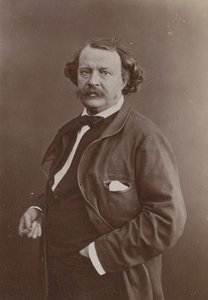
Félix Nadar
1820 - 1910
A művészről röviden
- Birth Date: 1820. április 5.
- Death Date: 1910. március 20.
- Influenced: ['Jules Verne']
- Movement:
- Fotográfia
- Karikatúra
- Impresszionizmus (összefüggés)
- Name: Félix Nadar
- Nationality: Francia
- Notable Works:
- Baudelaire, Hugo, Delacroix portréi
- Légifotózás
- Fotóinterjú Chevreullal
Kapcsolódó cikkek

Beyond the Lens: Photography's Enduring Influence on Modern & Contemporary Art
Explore photography's pivotal role in shaping modern & contemporary art. Discover key movements, influential artists like Stieglitz, and expert collecting advice from OriginalUniqueArt.
Beyond Color: The Timeless Power and Artistry of Black and White Photography
Explore the profound artistry of black and white photography. From the chemistry of gelatin silver to the chiaroscuro of the Old Masters, discover how monochrome captures the eternal essence of light, form, and emotion for the discerning art collector.
Timeless Shadows: The Artistry, History, and Emotional Resonance of Black and White Photography
Explore the profound artistry of black and white photography. From historical mastery to the interplay of light and shadow, discover how monochrome captures timeless emotion and form through a sophisticated lens of art history.

Beyond the Portrait: Félix Nadar & the Psychological Depths of 19th-Century Photography
Explore the revolutionary photography of Félix Nadar – pioneer of portraiture, aerial imaging & psychological depth. Discover his iconic portraits of Baudelaire, Hugo & more. A deep dive into 19th-century art history.

Monochrome Visions: Exploring the Aesthetic & Historical Significance of Black & White Photography
Explore the rich history & artistic power of black and white photography. From early techniques to iconic masters like Ansel Adams, discover why monochrome continues to captivate art lovers today. Expert insights for collectors.