

 Megtekintés
 Küldés
 Megosztás
 Részletek

 Letöltés
 Hasonló darabok
 X-ray felvétel
 Diavetítés
Patchwork Culturel
 Painting
- Modernism
 1979
1979- Modern
 99.0 x 130.0 cm
 The Ramzi and Saeda Dalloul Art Foundation
 Összes részlet megjelenítése
Giclée / Műnyomat
Múzeumi minőségű giclée vagy vászonnyomat, gyors gyártással és rugalmas finomítási lehetőségekkel. ( Kézzel festett másolat rendelése Kép letöltése)




































Válasszon előre meghatározott méreteink közül, amelyek megfelelnek a műalkotás eredeti arányainak.

Megadhat saját méreteket is egy konkrét kerethez vagy helyszínhez igazítva. Amennyiben a kiválasztott méret nem egyezik az eredeti kép arányokkal, a műalkotást le fogjuk vágni, vagy kiegészítjük a képet tükrözött vagy egyszínű szélekkel. A gyártás megkezdése előtt egy digitális tervezetet küldünk jóváhagyásra.
Kérjük, vegye figyelembe, hogy a képernyőn látható előnézet nem tükrözi a tényleges levágást vagy kiegészítést. Csak a tervezet mutatja pontosan a végső kompozíciót.
Bár az egyedi méretek is elérhetőek, az eredeti arányok megőrzése érdekében azt javasoljuk, hogy válasszon a előre meghatározott listából származó méretet.
Világszerte történő kiszállítás területére mindössze 2 hét alatt, a szokásos 4-5 hét helyett. (23 augusztus)

Ingyenes globális expressz szállítás

Prémium minőségű len vászon

Teljes körű szállítási biztosítás

Vámvisszatérítési Garancia

Hiteles színpontosság garancia

60 napos visszaküldési lehetőség (csak hibás termékek esetén)

100% pénzvisszatérítési garancia

Több darab vásárlása esetén kedvezmény
 Az üvegkeretes opció csak 110 cm alatti méretben érhető el

Patchwork Culturel
Giclée / Műnyomat
Reprodukció mérete
-


Összesített ár
$ 80
Gyűjthető leírása
A Tapestry of Identity: The Soul of Patchwork Culturel
In the vast landscape of twentieth-century modernism, few works possess the tactile intimacy and profound cultural resonance found in Farid Belkahia’s Patchwork Culturel. Created in 1979, this extraordinary polyptych serves as a rhythmic dialogue between the ancient traditions of Morocco and the avant-garde movements of the mid-century. As one gazes upon its six panels, there is an immediate sense of encountering a living relic—a piece that does not merely represent culture but embodies it through its very substance. The composition is a mesmerizing dance of geometric precision and organic fluidity, where circles, ovals, and abstract shapes drift across the surface like celestial bodies or ancient symbols etched into memory.
The brilliance of this work lies in Belkahia’s radical departure from traditional canvas. Eschewing the standard materials of Western oil painting, the artist utilized pigments on skin mounted on panel. This choice is deeply symbolic; by using skin as a substrate, Belkahia bridges the gap between the human form and the artistic medium, invoking the ancestral practices of Berber leatherwork and tattooing. The texture is inherently visceral, offering a sensory experience that transcends visual observation. For the collector or interior designer, this piece offers a profound depth of character, providing a focal point that commands attention through its unique materiality and historical weight.
The Convergence of Tradition and Modernity
To understand Patchwork Culturel, one must look to the legacy of the Casablanca School, an influential movement where Belkahia served as a visionary leader. His mission was to strip away colonial artistic impositions and rediscover a Moroccan aesthetic rooted in local symbols, calligraphy, and craftsmanship. In this 197 mutative masterpiece, we see the culmination of that search. The "patchwork" of the title refers not just to the arrangement of the six panels, but to the seamless integration of diverse cultural threads—the mathematical rigor of modern abstraction woven together with the earthy, primal essence of North African heritage.
The visual language of the piece is both hypnotic and meditative. The scattered circles and rhythmic patterns create a sense of movement that feels both ancient and contemporary. There is a quiet, contemplative power in the way the shapes interact; they do not compete for dominance but rather coexist in a balanced, cosmic order. This makes the artwork an exceptional choice for sophisticated spaces—be it a curated gallery setting or a high-end residential interior—where a sense of calm, intellectual depth, and worldly elegance is desired. Owning a reproduction of such a significant work allows one to bring a piece of Morocco's modernist golden age into the modern home, fostering an environment of inspiration and cultural connection.
A művész életrajza
a life of artistic innovation
farid belkahia, a moroccan modernist artist and education reformer, left an indelible mark on the art world. born in 1934 in marrakech, morocco, belkahia's life was a testament to his passion for innovation and artistic expression.early life and education
belkahia's early life was marked by his family's wealth and influence. however, his desire for freedom and artistic expression led him to pursue a path different from his father's wishes. he attended the école supérieure des beaux-arts in paris but later joined the atelier of raymond legueult, seeking more creative freedom.artistic career
belkahia's work primarily focused on painting, metalwork, and leatherwork. his travels across the middle east and his experience with cinema deeply influenced his artistic style. in 1962, he became the director of the school of fine arts of casablanca, a position he held until 1974.legacy and impact
- director of the school of fine arts of casablanca: belkahia's tenure marked a significant shift in moroccan modernism, introducing an alternative pedagogy that emphasized creative emancipation.
- mohamed melehi, toni maraini, and other notable artists joined forces with belkahia, forming the most legendary art collective in morocco's history.
- belkahia's work can be seen as a bridge between western modernism and moroccan traditional arts, offering a unique perspective on the country's cultural heritage.
notable works and exhibitions
though specific works by belkahia are not widely documented, his influence on moroccan modernism is undeniable. for more information on similar artists and their works, visit OriginalUniqueArt's artist page, featuring a wide range of modernist artists.museums and collections
- the wilberforce house museum: while not directly associated with belkahia, this museum showcases the fight against slavery, reflecting the broader social changes that influenced his work.
- the munch museum (oslo, norway): dedicated to edvard munch's works, it represents the modernist movement that inspired many artists, including belkahia.
conclusion
farid belkahia's life and work embody the spirit of innovation and artistic expression. his legacy continues to influence moroccan modernism, offering a unique blend of traditional and modern elements. for more on his life and the context in which he worked, visit OriginalUniqueArt's art movements page for a deeper understanding of the artistic movements that shaped his career.- view farid belkahia's profile on OriginalUniqueArt's artist page.
- explore the casablanca art school and its significance in moroccan modernism.

Farid Belkahia
1934 - 2014 , Morocco
A művészről röviden
- Artistic Movement Or Style: Modernist
- Artists Or Movements Influenced By This Artist: ['Casablanca School']
- Artists Who Influenced This Artist: ['Raymond Legueult']
- Date Of Birth: 1934
- Date Of Death: 2014
- Full Name: Farid Belkahia
- Nationality: Moroccan
- Notable Artworks:
- Le Sein Qui Regarde
- Puwala
- Place Of Birth: Marrakech, Morocco
Kapcsolódó cikkek

Absztrakt Expresszionizmus Mesterei: 10 alkotás, ami meghatározta a művészetet | OriginalUniqueArt.com
Fedezze fel a 10 legikonikusabb absztrakt expresszionista alkotást! Ismerje meg Jackson Pollock, Mark Rothko és más mesterek történetét. Művészeti reprodukciók prémium minőségben – OriginalUniqueArt.com.

Geometrikus Absztrakció Mesterei: 10 Alapvető Műalkotás a Lakberendezéshez
Fedezze fel a geometrikus absztrakció 10 legikonikusabb műalkotását! Kandinsky, Mondrian és más mesterek festményeinek története inspirálja otthona dekorációját. Múzeumi minőségű reprodukciók a OriginalUniqueArt.com-on – fedezze fel online!

Kandinsky Mesterművei: 25 Lenyűgöző Festmény a Modern Művészet Gyöngyszemeiből | OriginalUniqueArt
Fedezze fel Wassily Kandinsky 25 legikonikusabb művét! Merüljön el az absztrakt művészet világában, ismerje meg a színek és formák lenyűgöző történetét. Prémium minőségű reprodukciók és inspiráló dekorötletek a OriginalUniqueArt.com-on.
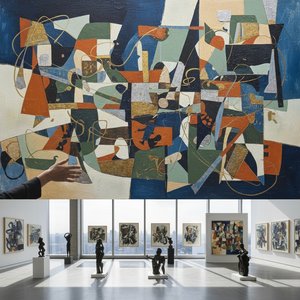
Deconstructing Form & Feeling: A Guide to Contemporary Abstract Art for Collectors
Explore the world of contemporary abstract art with OriginalUniqueArt. Discover key movements, influential artists & expert collecting advice. Invest in museum-quality paintings today.
A modern absztrakció útvesztői: Érzelmi rezonancia és esztétikai választás a kortárs művészetben
Fedezze fel az absztrakt művészet világát! Mélyreható elemzések, a legnagyobb mesterek alkotásai és szakértői tanácsok gyűjtőknek. Prémium minőségű reprodukciók és inspiráció otthonába – OriginalUniqueArt.

