

 Megtekintés
 Küldés
 Megosztás
 Részletek

 Letöltés
 Hasonló darabok
 X-ray felvétel
 Diavetítés
 Statisztika
Naranjas


 Összes részlet megjelenítése
Kézzel készített olajfestmény reprodukció
Kézzel festett olajvastú vászon, az Ön által választott méretben és keretben, művészeink készítik meglévőre. ( Áttérés Nyomtatványra Áttérés digitális képre)




P118B $10

P118H $10

P118W $10

P438Z $10

P508JH $12

P508YH $12

P805H $10

P805Z $10

P919BZ $10

P919G $10

P919XJ $10

P959ZH $10

P968JZ $12

W106C $8

W218G $10

W218JH $8

W218Y $10

W307PJ $10

W316G $10

W316PJ $8

W316Y $10

W398PJ $8

W4111J $10

W500HY $15

W500JH $15

W692G $12

W849H $8

W940BG $15

W953PJ $8




Válasszon előre meghatározott méreteink közül, amelyek megfelelnek a műalkotás eredeti arányainak.

Ön megadhat saját méreteket egy adott kerethez vagy térhez igazításhoz. Ha a kiválasztott méret nem egyezik az eredeti kép arányával, akkor a műalkotást levágjuk, vagy további kézzel festett elemekkel meghosszabbítjuk a festményt. A gyártás megkezdése előtt küldünk Önnek egy digitális előnézetet jóváhagyásra.
Kérjük, vegye figyelembe, hogy a képernyőn megjelenő előnézet nem tükrözi a tényleges vágást vagy kiterjesztést. Csak az előnézet fog pontosan mutatni a végső kompozíciót.
Bár egyedi méretek állnak rendelkezésre, javasoljuk, hogy válasszon egy méretet az előre meghatározott listából az eredeti arányok megőrzése érdekében.
A rendelést követően a OriginalUniqueArt.com csapata e-mailt küld az ügyfélnek az instrukciókért, és biztosít egy előnézeti képet (mockup).
Világszerte elérhető szállítás () 3-4 hét alatt a szokásos 5 hét helyett. (17 szeptember). A minőség nem kérdőjelezhető.

Ingyenes globális expressz szállítás

Prémium minőségű len vászon

Teljes körű szállítási biztosítás

Vámvisszatérítési Garancia

Hiteles színpontosság garancia

100 napos visszaküldési lehetőség (csak hibás termékek esetén)

100% pénzvisszatérítési garancia

Több darab vásárlása esetén kedvezmény
 Az üvegkeretes opció csak 110 cm alatti méretben érhető el

Naranjas
Reprodukciós technika
Reprodukció mérete
-


Összesített ár
$ 300
A Sensory Symphony of Light and Fruit
In the quiet, sun-drenched moments captured within Naranjas, we encounter a masterclass in the art of the still life. Painted in 1916 by the accomplished Eugenia Belín Sarmiento, this work transcends a simple depiction of fruit to become an evocative meditation on texture, light, and the bounty of nature. The composition centers around a rustic basket brimming with oranges, their vibrant citrus hues acting as beacons of warmth against the more muted, atmospheric tones of the background. Some fruits nestle deeply within the woven embrace of the basket, while others have escaped, resting casually upon the surface below, creating a sense of spontaneous, unstudied beauty. A subtle presence of a bowl in the lower periphery adds a layer of domestic intimacy, inviting the viewer into a private, serene corner of a well-loved home.
The technique employed by Sarmiento reflects a sophisticated command over the Impressionistic sensibilities that defined much of her era. Rather than relying on harsh, clinical outlines, she utilizes soft, feathered brushstrokes to define the rounded forms of the oranges and the delicate veins of the accompanying leaves. This approach allows light to dance across the skins of the fruit, creating specular highlights that suggest a moist, fresh ripeness. The interplay between shadow and luminosity is particularly striking; the deep recesses within the basket provide a rhythmic contrast to the bright, sun-kissed surfaces of the scattered oranges, lending the painting a profound sense of three-dimensional volume and tactile reality.
Historical Resonance and Artistic Legacy
To understand Naranjas is to understand the hand of an artist deeply connected to the cultural fabric of Argentina. Eugenia Belín Sarmiento, though born in Puerto Rico, carried the weight of a significant historical lineage, being the granddaughter of the transformative President Domingo Faustino Sarmiento. While much of her legacy is anchored in the dignified, psychological depth of her portraiture, her still lifes like N려는as reveal a different facet of her genius: an ability to find the monumental within the mundane. This piece serves as a testament to her versatility, proving that her eye for detail and her mastery of light were just as potent when capturing the ephemeral beauty of nature as they were when documenting the faces of historical icons.
For the discerning collector or interior designer, this painting offers more than mere decoration; it provides an emotional anchor. The warmth of the citrus palette makes it an ideal centerpiece for spaces designed for comfort and rejuvenation, such as a sunlit dining room or a sophisticated breakfast nook. As a high-quality reproduction, Naranjas brings with it the prestige of early 20th-century Latin American Impressionism, offering a timeless elegance that complements both classical and contemporary interiors. It is a piece that invites lingering gazes, sparking conversations about the simple joys of life and the enduring power of light to transform the ordinary into the extraordinary.
A művész életrajza
A Legacy Etched in Portraiture: The Life and Art of Eugenia Belín Sarmiento
Eugenia Belín Sarmiento, born in 1860 amidst the vibrant cultural currents of San Juan, Puerto Rico – though deeply rooted in Argentina’s artistic landscape – stands as a compelling figure in 19th-century Latin American art. Her life was inextricably linked to one of Argentina's most pivotal historical figures: her grandfather, Domingo Faustino Sarmiento, president from 1868 to 1874 and a champion of education and progress. This familial connection profoundly shaped not only her personal trajectory but also the thematic core of much of her artistic output. While she explored still lifes and miniatures, it is through her portraits – particularly those of Sarmiento himself – that Belín Sarmiento’s unique talent truly shines, offering intimate glimpses into character and a nuanced reflection of an era. Her work isn't merely representation; it’s an interpretation, imbued with both affection and insightful observation.Artistic Development and the Embrace of Impressionism
Belín Sarmiento’s artistic journey unfolded against a backdrop of evolving European styles, most notably the burgeoning Impressionist movement. Her canvases demonstrate a clear embrace of its tenets: visible brushstrokes that capture the fleeting effects of light, an emphasis on atmosphere, and a desire to convey subjective experience. However, she didn't simply adopt these techniques wholesale. She skillfully blended them with a meticulous attention to detail, particularly in rendering facial features – a hallmark of her portraiture. This fusion created a distinctive aesthetic, one that moved beyond mere likeness to explore the psychological depth of her subjects. Her training included studies under José Agujari in Buenos Aires and periods of study abroad in Belgium, where she honed her skills with established masters. The influence of French painting is subtly present, yet Belín Sarmiento forged her own path, imbuing her work with a distinctly Argentine sensibility. She was particularly drawn to the loose brushwork and vibrant color palettes characteristic of Impressionism, while retaining a remarkable ability to capture subtle nuances in expression and emotion – skills honed through years of dedicated practice.Portraits as Historical Documents: Capturing a Generation
While proficient across various genres, Eugenia Belín Sarmiento’s enduring legacy rests on her portraits. Her most celebrated works are undoubtedly those depicting Domingo Faustino Sarmiento. These aren't idealized representations intended for political propaganda; rather, they offer insightful interpretations of his personality and intellectual presence. Each portrait seems to delve beneath the surface, revealing a man grappling with complex ideas and burdened by the weight of leadership. The faces she captured – from the stern statesman to the contemplative scholar – are rendered with an extraordinary sensitivity to detail, conveying not just physical likeness but also inner character. Beyond her grandfather, she extended her talent to portray other members of her family – Capitan Domingo Fidel Sarmiento, Paula Albarracín de Sarmiento, Adelaida Mandar de Belin, and Julio Belin – each portrait a testament to her ability to capture individual character. These familial portraits, alongside those of other prominent figures like Dalmacio Vélez Sarsfield, Francisco Muniz, and José María Estrada, serve as invaluable visual records of the Argentine elite during a period of significant social and political transformation. Her skill lay not just in replicating appearances but in imbuing her subjects with a sense of life and personality, making each portrait a miniature drama of human experience.Recognition and Lasting Significance
Belín Sarmiento’s talent garnered recognition beyond Argentina's borders. A pivotal moment in her career came with her participation in the first Exposición Anual de Pintura, Dibujo y Escultura (Annual Exhibition of Painting, Drawing, and Sculpture) for artists of South America held in 1893. This exhibition was a landmark event, showcasing Latin American art on an international stage and establishing Belín Sarmiento as a rising star within the region’s artistic community. Her work continued to be exhibited throughout her life, attracting critical acclaim and solidifying her reputation as one of Argentina's most accomplished portraitists. Her paintings are held in both public and private collections today, offering a tangible connection to a bygone era and demonstrating the enduring appeal of her unique style. The Sarmiento Historical Museum, dedicated to the life and legacy of her grandfather, also preserves examples of her work, ensuring that her artistic contribution remains accessible to future generations.A Continuing Dialogue with the Past
Eugenia Belín Sarmiento’s influence extends beyond the immediate impact of her artwork. Her dedication to portraiture, combined with her unique stylistic blend, paved the way for future generations of Argentine artists. While specific influences on her work remain somewhat elusive – though Impressionism is clearly evident – it's reasonable to assume she engaged with the broader European art movements of her time and the tradition of historical painting. Today, her paintings are not simply admired for their technical skill but also for their ability to evoke a sense of nostalgia and connection to Argentina’s rich cultural heritage. Her story serves as a powerful reminder that art can be both a personal expression and a vital tool for preserving history, offering a lasting tribute to a remarkable woman and a pivotal era in Argentine history.
Eugenia Belín Sarmiento
1860 - 1952 , Argentína
A művészről röviden
- Artistic Movement Or Style: Impressionizmus
- Artists Or Movements Influenced By This Artist: ['Argentiná']
- Artists Who Influenced This Artist: ['José Agujari']
- Date Of Birth: 1860
- Date Of Death: 1952
- Full Name: Eugenia Belín Sarmiento
- Nationality: Argentiná
- Notable Artworks:
- Rosas blancas
- Domingo Sarmiento
- Dibujo
- Place Of Birth: San Juan, Argentína
Kapcsolódó cikkek

The Bountiful Still Life: Symbolism & Artistic Representation of Fruit Across Art History
Explore the rich history of still life painting & the symbolism of fruit across art movements. Discover masterpieces from Caravaggio to Cézanne with OriginalUniqueArt – expert guidance & museum-quality reproductions.

Silent Narratives: Exploring the Enduring Appeal of Still Life Painting Across Centuries
Explore the rich history of still life painting with OriginalUniqueArt. Discover Dutch Masters, decode vanitas symbolism & learn about collecting timeless art. Expert insights and museum-quality reproductions.

Paul Cézanne 25 Mesterműve: A Modern Művészet Úttörői | OriginalUniqueArt
Fedezze fel Paul Cézanne 25 legikonikusabb művét! Ismerje meg a posztimpresszionizmus úttörőjének festményeit, technikáját és inspirációit. Vászonképek, portrék, tájképfestmények – minden otthonba. Böngéssze gyűjteményünket a OriginalUniqueArt-on!
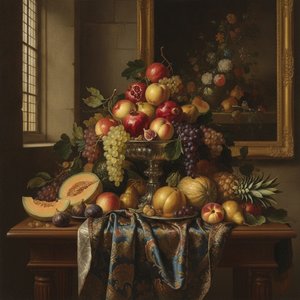
Nature's Bounty: The Art History of Fruit Arrangement Masterpieces and the Baroque Still Life Tradition
Explore the profound beauty of fruit arrangement masterpieces. From Dutch Golden Age opulence to Baroque chiaroscuro, discover the art history, symbolism, and timeless elegance of classical still life paintings for the discerning collector.
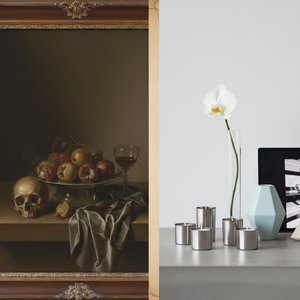
The Enduring Appeal of Still Life: A Historical & Contemporary Exploration
Explore the rich history & symbolism of still life painting with OriginalUniqueArt. Discover masterpieces from the Dutch Golden Age, learn about vanitas art, and find expert guidance for collecting timeless artworks.


