- Főoldal

- Olajfestmény reprodukció
- eugène simonis
- Innocence
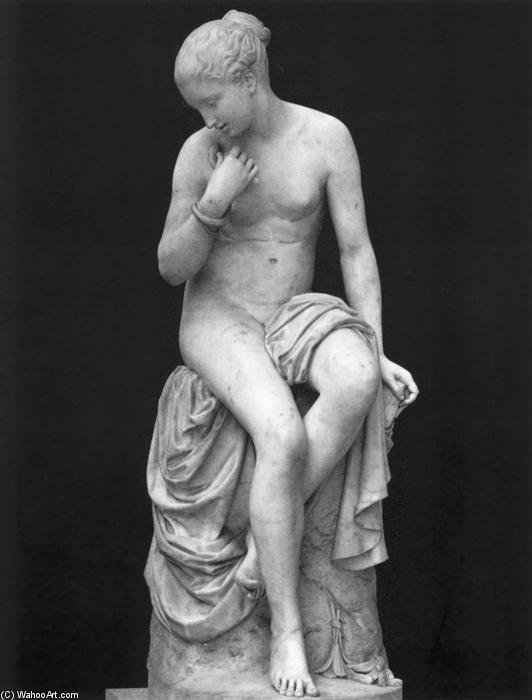
 Nyomat vásárlása Kép letöltése
 Megosztás
 Megosztás
 Részletek
 Kedvencekhez ad

 Letöltés
 Hasonló alkotások
 X-ray felvétel
 Diavetítés
Innocence


 Tovább olvasom
Kézzel készített olajfestmény reprodukció
Kézzel festett olajvastú vászon, az Ön által választott méretben és keretben, művészeink készítik meglévőre.




































Válasszon előre meghatározott méreteink közül, amelyek megfelelnek a műalkotás eredeti arányainak.

Ön megadhat saját méreteket egy adott kerethez vagy térhez igazításhoz. Ha a kiválasztott méret nem egyezik az eredeti kép arányával, akkor a műalkotást levágjuk, vagy további kézzel festett elemekkel meghosszabbítjuk a festményt. A gyártás megkezdése előtt küldünk Önnek egy digitális előnézetet jóváhagyásra.
Kérjük, vegye figyelembe, hogy a képernyőn megjelenő előnézet nem tükrözi a tényleges vágást vagy kiterjesztést. Csak az előnézet fog pontosan mutatni a végső kompozíciót.
Bár egyedi méretek állnak rendelkezésre, javasoljuk, hogy válasszon egy méretet az előre meghatározott listából az eredeti arányok megőrzése érdekében.
A rendelést követően a OriginalUniqueArt.com csapata e-mailt küld az ügyfélnek az instrukciókért, és biztosít egy előnézeti képet (mockup).
Világszerte elérhető szállítás () 3-4 hét alatt a szokásos 5 hét helyett. (17 július). A minőség nem kérdőjelezhető.

Ingyenes globális expressz szállítás

Prémium minőségű len vászon

Teljes szállítási biztosítás

Vámvisszatérítési Garancia

Tökéletes színpontosság garancia

60 napos visszaküldési lehetőség (csak gyártási hibák esetén)

100%-os pénzvisszatérítési garancia

Kedvezmény több termény esetén
 Az üvegkeretes opció csak 110 cm alatti méretben érhető el

Innocence
Reprodukciós technika
A reprodukció mérete
-


Összesített ár
-
A művész életrajza
Life and Early Years
Louis-Eugène Simonis was born in Liège, Belgium, on July 11, 1810. His father, Jean-Baptiste Simonis, was a professor of mathematics at the Université catholique de Louvain, while his mother, Marie-Thérèse Dubois, descended from noble families. From an early age, Simonis demonstrated exceptional artistic talent and pursued formal training diligently. He began his studies at the Liège École de Dessin between 1825 and about 1826, where he was taught by François-Joseph Dewandre (1758–1835), a respected sculptor who instilled in him a foundational understanding of classical principles. This formative period established Simonis’s lifelong dedication to mastering sculptural technique and conveying profound emotion through form.Studies in Italy
Recognizing his burgeoning potential, Simonis received a generous grant to continue his artistic education abroad—specifically in Italy—in 1828. He traveled to Bologna and Rome, immersing himself in the vibrant artistic milieu of the era and studying under influential sculptors Mathieu Kessels and Carlo Finelli. These masters championed Neoclassical ideals, emphasizing rational beauty and harmonious proportions derived from ancient Greek and Roman art. Simonis’s exposure to these traditions profoundly shaped his aesthetic sensibilities and solidified his commitment to crafting monumental sculptures that embodied national pride and explored allegorical themes—particularly freedom and innocence.Return to Belgium and Academic Career
Upon returning to Liège in 1835, Simonis accepted a prestigious instructor position at the Liège École de Dessin, nurturing the talents of future Belgian sculptors like Thomas Vinçotte and Julien Dillens. He continued his artistic pursuits while simultaneously contributing to the intellectual landscape of his homeland. Later, he relocated to Brussels, where he assumed the directorial role of the Académie royale des beaux-arts—a position he held until his death in 1882. Under Simonis’s guidance, the academy flourished as a beacon of artistic excellence and fostered collaborations between artists and intellectuals alike. He mentored generations of sculptors, shaping the trajectory of Belgian art history.Notable Sculptures and Artistic Style
Simonis achieved renown for his monumental sculptures—most notably Godfrey of Bouillon and Harmony of Human Passions—which served as emblems of Belgian national identity during a period marked by fervent patriotism. These works exemplify Simonis’s masterful command of Neoclassical technique, characterized by meticulous attention to detail and an unwavering pursuit of idealized forms reflecting moral virtue and spiritual aspiration. His sculptures are imbued with solemn grandeur and convey powerful narratives rooted in Christian symbolism—a testament to his artistic convictions and the influence of Romanticism on his oeuvre. The Square Eugène Simonis in Brussels stands as a lasting tribute to his legacy, bearing his name and commemorating his contribution to Belgian culture.Legacy and Historical Significance
Eugène Simonis’s sculptures remain revered for their beauty and symbolic depth—inspiring admiration across generations of art historians and critics. He is considered one of the foremost sculptors of his time, representing a pivotal moment in Belgian artistic history. His influence extended beyond his immediate students, shaping the broader aesthetic discourse of the 19th century and establishing him as an enduring figure within the canon of European sculpture. Simonis’s commitment to Neoclassical ideals—combined with his profound empathy for human emotion—continues to resonate today, securing his place as a visionary artist who captured the spirit of his era and bequeathed to posterity masterpieces embodying timeless values.
eugène simonis
1810 - 1882 , Belgium
Rövid tények
- Artistic Movement Or Style: Neoclassical art
- Artists Or Movements Influenced By This Artist: ['Romanticism']
- Artists Who Influenced This Artist: ['François-Joseph Dewandre']
- Date Of Birth: July 1810
- Full Name: Louis-Eugène Simonis
- Nationality: Belgian
- Notable Artworks:
- Godfrey of Bouillon
- Harmony of Human Passions
- Place Of Birth: Liège, Belgium

