

 Előnézet
 Megosztás
 Megosztás
 Részletek
 Útmutató

 Letöltés
 Hasonló darabok
 X-ray felvétel
 Diavetítés
 Statisztika
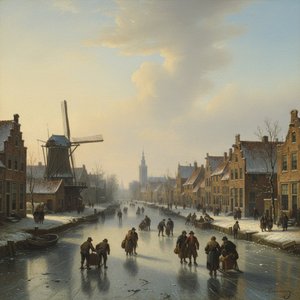
Dodrecht
 Oil On Canvas
- WallArt
- Impressionism
 61.0 x 50.0 cm
 Regional Gallery in Liberec
 Tovább olvasom
Giclée / Műnyomat
Múzeumi minőségű giclée vagy vászonnyomat, gyors gyártással és rugalmas finomítási lehetőségekkel. ( Kézzel festett másolat vásárlása Áttérés digitális képre)




P118B Ft10

P118H Ft10

P118W Ft10

P438Z Ft10

P508JH Ft12

P508YH Ft12

P805H Ft10

P805Z Ft10

P919BZ Ft10

P919G Ft10

P919XJ Ft10

P959ZH Ft10

P968JZ Ft12

W106C Ft8

W218G Ft10

W218JH Ft8

W218Y Ft10

W307PJ Ft10

W316G Ft10

W316PJ Ft8

W316Y Ft10

W398PJ Ft8

W4111J Ft10

W500HY Ft15

W500JH Ft15

W692G Ft12

W849H Ft8

W940BG Ft15

W953PJ Ft8




Válasszon előre meghatározott méreteink közül, amelyek megfelelnek a műalkotás eredeti arányainak.

Írja be a keretének vagy a falának megfelelő szélességet és magasságot. A nyomatot csak le lehet vágni, soha nem tehető nagyobbá, mint az eredeti kép, így egy eltérő alakú méretnél a kép egy része elveszik. Mielőtt bármit kinyatintanánk, küldünk egy digitális próbamodellt jóváhagyásra. Az oldalon látható kép nem tartalmazza a valós levágást — ezt csak a próbamodell mutatja meg.
Világszerte történő kiszállítás területére mindössze 2 hét alatt, a szokásos 4-5 hét helyett. (23 október)

Ingyenes globális expressz szállítás

Prémium minőségű len vászon

Teljes körű szállítási biztosítás

Vámvisszatérítési Garancia

Tökéletes színarányosság garancia

100 napos visszaküldési garancia (csak gyártási hibás termékek esetén)

100% pénzvisszatérítési garancia

Több darab vásárlásakor kedvezmény
 Az üvegkeretes opció csak 110 cm alatti méretben érhető el

Dodrecht
Giclée / Műnyomat
Reprodukció méretei
-


Összesített ár
Ft 25565
A Moment in Normandy: Eugène Boudin’s “Dodrecht”
Eugène Louis Boudin's "Dodrecht," painted circa 1874, isn’t merely a depiction of a canal scene; it’s an immersion into the very essence of late 19th-century French Impressionism. This evocative landscape captures a fleeting moment along the waterways of Dordrecht, a city nestled within the Netherlands, and speaks to Boudin's profound connection with light, atmosphere, and the transient beauty of everyday life. The painting immediately draws the viewer in with its soft, hazy palette—muted blues, greens, and ochres dominate, creating an almost dreamlike quality that belies the meticulous observation at play.
Boudin’s approach to capturing this scene is profoundly characteristic of his style. He eschews sharp detail in favor of a loose, broken brushstroke technique, applying paint in short, vibrant dashes that seem to dance across the canvas. This deliberate lack of precision isn't a flaw; rather, it’s the very heart of Impressionism – an attempt to convey not just what is seen, but how it *feels* to be present within that moment. The texture itself becomes a key element, with visible brushwork adding depth and dynamism to the scene. Notice how the reflections shimmer on the water's surface, created by these individual strokes, lending an almost palpable sense of movement.
The Painter’s Philosophy: Plein Air and the Capture of Light
Boudin was a pioneer in the practice of *plein air* painting – working directly outdoors. This commitment to observing nature firsthand profoundly shaped his artistic vision. He wasn't interested in creating photographic reproductions; instead, he sought to capture the ephemeral qualities of light and atmosphere as they shifted with each passing moment. “Dodrecht” exemplifies this philosophy perfectly. The artist meticulously studied how sunlight interacts with water, buildings, and vegetation, translating these observations onto canvas with remarkable sensitivity. His early exposure to Dutch masters like Jongkind, who championed painting outdoors, undoubtedly influenced his approach.
The historical context of the late 19th century is crucial to understanding Boudin’s work. France was undergoing rapid industrialization and urbanization, leading many artists to seek refuge in the countryside and to explore themes of rural life and natural beauty. Boudin's focus on these subjects resonated with a growing public yearning for connection with nature – a sentiment that would become central to the Impressionist movement. The painting subtly evokes the tranquility of a slower pace of life, a stark contrast to the bustling industrial centers of Europe.
Symbolism and Emotional Resonance
Beyond its technical brilliance, “Dodrecht” carries a quiet emotional resonance. The composition—with the canal as the dominant element—creates a sense of enclosure and intimacy, drawing the viewer into the scene. The church steeple rising above the rooftops provides a vertical anchor, grounding the image while simultaneously suggesting a connection to faith and tradition. The boats navigating the waterway hint at human activity and interaction, yet the overall mood remains one of peaceful contemplation.
The painting’s muted color palette contributes significantly to its emotional impact. The soft hues evoke feelings of serenity, nostalgia, and perhaps even melancholy—a subtle reminder of the passage of time. It's a scene that invites reflection on the beauty of the natural world and the simple pleasures of everyday life. “Dodrecht” isn’t just a landscape; it’s an invitation to slow down, observe, and appreciate the fleeting moments of grace that surround us.
A Reproduction Worthy of Display
Reproductions of Boudin's "Dodrecht" offer a remarkable opportunity to bring this evocative masterpiece into your home or office. The delicate balance between light, color, and brushwork is beautifully preserved in high-quality reproductions, allowing you to experience the artist’s vision firsthand. Whether displayed as a focal point on a wall or incorporated into a larger interior design scheme, “Dodrecht” will undoubtedly add a touch of timeless elegance and artistic depth to any space.
Gyakran Ismételt Kérdések
Milyen orientációban készült a „Dodrecht”, Boudin Eugène alkotása?
A „Dodrecht”, Boudin Eugène alkotása Landscape formátumú alkotás. A formátum a kompozíció arányait határozza meg.
Hogyan tekinthetném meg a(t) „Dodrecht”, Boudin Eugène alkotása alkotást diaváltogatással?
Elérhető egy diaváltó: a Diaváltás oldala a(z) „Dodrecht”, Boudin Eugène alkotása alkotáshoz.
Mik a „Dodrecht” mű másolati jogai a Regional Gallery in Liberec gyűjteményében?
A „Dodrecht”, Boudin Eugène alkotása szerzői jogi státusza egyértelmű: a mű a joghallgatói schützenesség körébe tartozik – a szerzői jog lejártt. A Regional Gallery in Liberec gyűjteményében való szereplése nem változtat ezen a státuszon.
A művész életrajza
Early Life and Artistic Beginnings
Eugène Louis Boudin, born in the picturesque coastal town of Honfleur, France, in 1824, was destined to be inextricably linked to the sea from his very first breath. His father, a skilled harbor pilot – a man intimately familiar with the rhythms and moods of the Atlantic – instilled within young Eugène an unparalleled appreciation for the ever-changing beauty and profound drama of the maritime world. This formative influence would become the bedrock upon which Boudin’s entire artistic vision was built. Unlike many of his contemporaries who pursued traditional academic paths, Boudin's early life took a decidedly unconventional turn. At the tender age of ten, he began working as a cabin boy aboard a steamboat, traversing between Le Havre and Honfleur – an experience that exposed him to the fleeting effects of light upon water and instilled in him a deep desire to capture these ephemeral moments on canvas.
The family’s subsequent move to Le Havre, where his father established a successful stationery and picture-framing business, further immersed Boudin within the artistic milieu. He diligently assisted his father in the shop, eventually branching out to establish his own small venture – a modest but thriving establishment that brought him into direct contact with a vibrant community of local artists. Among these influential figures were Constant Troyon and Jean-François Millet, both renowned for their depictions of rural life and landscapes; they recognized Boudin’s burgeoning talent and generously encouraged his artistic pursuits, steering him away from the confines of commerce and towards a dedicated life devoted to painting.
Developing a Unique Style: Plein Air Painting and Influences
Boudin's artistic development was profoundly shaped by a confluence of key influences. A pivotal moment arrived with his introduction to Johan Jongkind, a Dutch painter who championed the revolutionary practice of en plein air – painting directly from nature, outdoors. This technique, which allowed artists to capture the fleeting and ever-changing qualities of light and atmosphere with unprecedented immediacy, resonated deeply with Boudin’s sensibilities. He embraced this approach wholeheartedly, quickly mastering the art of rendering the subtle nuances of sky, sea, and shoreline with remarkable precision.
Beyond en plein air painting, Boudin drew significant inspiration from the works of the 17th-century Dutch masters – artists like Rembrandt and Jacob van Ruisdael, whose meticulous attention to detail, masterful use of atmospheric perspective, and ability to evoke a sense of depth and realism profoundly influenced his own artistic style. He particularly admired their capacity to capture the effects of light and shadow, creating paintings that possessed both technical brilliance and emotional resonance. Furthermore, Boudin’s early exposure to the works of Jean-Baptiste-Camille Corot, a leading figure in the Barbizon School, instilled in him a deep appreciation for the beauty of the French countryside and a commitment to depicting nature with honesty and directness.
Impressionism and Early Recognition
Boudin’s innovative approach to painting – his dedication to capturing fleeting moments of light and atmosphere, his masterful use of color and brushwork, and his embrace of en plein air techniques – positioned him as a crucial figure in the transition between traditional landscape painting and the burgeoning Impressionist movement. In 1859, he encountered Gustave Courbet, who introduced him to Charles Baudelaire, the influential poet and critic, who subsequently championed Boudin’s work and helped to establish his reputation within Parisian artistic circles.
A significant turning point in Boudin's career occurred in 1874 when he participated in the first Impressionist exhibition – an event that marked a watershed moment in the history of modern art. While he never fully embraced the label “Impressionist,” his paintings were exhibited alongside those of Monet, Renoir, and Degas, solidifying his place within this groundbreaking artistic movement. His work was praised for its freshness, spontaneity, and ability to capture the essence of everyday life.
Major Works and Artistic Themes
Boudin’s oeuvre is characterized by a profound connection to the sea and coastal landscapes of Normandy – a region that held an enduring fascination for him. His paintings often depict scenes of leisure and tranquility, capturing the vibrant energy of seaside communities and the simple pleasures of life. Still Life with Lobster on a White Tablecloth, now housed at the High Museum of Art in Atlanta, exemplifies his somber yet noble approach to still life painting, imbued with a sense of quiet contemplation.
His beach scenes – populated with figures engaged in various activities such as fishing, swimming, and sunbathing – capture the vitality and charm of seaside life. Honfleur, the Saint Catherine Market Place showcases his skill at depicting bustling urban environments bathed in natural light. Throughout his work, Boudin consistently explored themes of transience, atmosphere, and the harmonious relationship between humanity and nature. His paintings possess a remarkable ability to evoke a powerful sense of place and mood, transporting viewers to the shores of Normandy and inviting them to share in the beauty and serenity of these coastal landscapes.
Final Years and Enduring Influence
In his later years, Boudin continued to travel extensively, seeking inspiration in Belgium, the Netherlands, and southern France. He also made several visits to Venice, captivated by its unique light and architectural splendor. Despite facing health challenges, he remained remarkably productive, consistently exhibiting his work and mentoring younger artists. Eugène Louis Boudin passed away in 1898 at Deauville, overlooking the English Channel that had so profoundly shaped his life and art. His legacy extends far beyond his own paintings; the Eugène Boudin Prize, awarded by the Société Nationale des Beaux-Arts, stands as a lasting tribute to his enduring influence on generations of artists. Today, his works are celebrated in museums across Europe and North America, ensuring that his vision of capturing the beauty and essence of the natural world continues to inspire and delight audiences worldwide.

Boudin Eugène
1824 - 1898 , Francia
Gyors információk
- Artistic Movement Or Style: Impressionizmus
- Artists Or Movements Influenced By This Artist:
- Monet
- Impressionizmus
- Artists Who Influenced This Artist:
- Jongkind
- Holland mesterek
- Date Of Birth: 1824. július 12.
- Date Of Death: 1898. augusztus 8.
- Full Name: Eugène Louis Boudin
- Nationality: Francia
- Notable Artworks:
- Kajlan stillélet
- Tengerparti táj
- Lány portré
- Place Of Birth: Honfleur, Franciaország
Kapcsolódó cikkek

Golden Light & Dutch Skies: The Timeless Magic of Dutch Golden Age Landscapes
Discover the breathtaking beauty of Dutch Golden Age landscapes. Explore the mastery of light, chiaroscuro, and 17th-century realism through an expert art history lens, celebrating the enduring legacy of the Dutch Masters for discerning collectors and art lovers.

A 10 legikonikus impresszionista tájkép: Művészeti remekművek otthonába – OriginalUniqueArt.com
Fedezze fel a 10 legikonikus impresszionista tájkép festményt! Monet, Renoir és más mesterek alkotásainak története. Olajfestmények, vászonképek otthonába – OriginalUniqueArt.com kínálatából. Explore the full collection online!
Charles Leickert: Capturing the Dutch Golden Age Light – A Comprehensive Study of Technique, Context, and Legacy
Explore the captivating winter landscapes of Charles Leickert, a master of Dutch Golden Age light & atmosphere. Discover his techniques, symbolism, and lasting legacy – a comprehensive study for art enthusiasts and collectors.

A 10 legikonikus impresszionista tájkép: művészeti remekművek otthonába | OriginalUniqueArt.com
Fedezze fel a 10 legikonikus impresszionista tájkép festményt! Monet, Renoir, Degas és más művészek remekművei. Vászonképek, faliképek otthonába – inspirálódjon OriginalUniqueArt.com-on! Explore the full collection online.

Capturing the Light of Amsterdam: A Journey Through Impressionist Masterpieces of the Dutch Canals
Embark on a visual journey through the luminous Amsterdam canals. Discover how Impressionist masters captured the fleeting light of the Dutch landscape through evocative brushwork and color. Explore the timeless beauty of these masterpieces for your private art collection.


