
 Megtekintés
 Küldés
 Megosztás
 Részletek
 Útmutató

 Letöltés
 Hasonló darabok
 X-ray felvétel
 Diavetítés
 Kérdések és válaszok
 Statisztika
The First Communion

- 65.0 x 53.0 cm


 Összes részlet megjelenítése
Giclée / Műnyomat
Múzeumi minőségű giclée vagy vászonnyomat, gyors gyártással és rugalmas finomítási lehetőségekkel. ( Kézzel festett másolat rendelése Áttérés digitális képre)




P118B Ft10

P118H Ft10

P118W Ft10

P438Z Ft10

P508JH Ft12

P508YH Ft12

P805H Ft10

P805Z Ft10

P919BZ Ft10

P919G Ft10

P919XJ Ft10

P959ZH Ft10

P968JZ Ft12

W106C Ft8

W218G Ft10

W218JH Ft8

W218Y Ft10

W307PJ Ft10

W316G Ft10

W316PJ Ft8

W316Y Ft10

W398PJ Ft8

W4111J Ft10

W500HY Ft15

W500JH Ft15

W692G Ft12

W849H Ft8

W940BG Ft15

W953PJ Ft8




Válasszon előre meghatározott méreteink közül, amelyek megfelelnek a műalkotás eredeti arányainak.

Írja be a keretének vagy a falának megfelelő szélességet és magasságot. A nyomatot csak le lehet vágni, soha nem tehető nagyobbá, mint az eredeti kép, így egy eltérő alakú méretnél a kép egy része elveszik. Mielőtt bármit kinyatintanánk, küldünk egy digitális próbamodellt jóváhagyásra. Az oldalon látható kép nem tartalmazza a valós levágást — ezt csak a próbamodell mutatja meg.
Világszerte történő kiszállítás területére mindössze 2 hét alatt, a szokásos 4-5 hét helyett. (6 november)

Ingyenes globális expressz szállítás

Prémium minőségű len vászon

Teljes körű szállítási biztosítás

Vámvisszatérítési Garancia

Hiteles színarányosság garancia

100 napos visszaküldési lehetőség (csak hibás termékek esetén)

100% pénzvisszatérítési garancia

Több darab vásárlásakor kedvezmény
 Az üvegkeretes opció csak 110 cm alatti méretben érhető el

The First Communion
Giclée / Műnyomat
Reprodukció mérete
-


Összesített ár
Ft 26492
The Haunting Beauty of "The First Communion": A Symbolist Portrait of Innocence
Eugène Anatole Carrière’s “The First Communion,” painted in 1896, isn't merely a depiction of a religious ceremony; it’s a profoundly evocative exploration of childhood innocence, spiritual yearning, and the subtle anxieties that lie beneath the surface of faith. This masterpiece, now housed within the collections of art institutions worldwide, exemplifies Carrière’s signature style – a near-monochrome palette dominated by muted browns and greys, creating an atmosphere of ethereal mystery and quiet melancholy. The painting immediately draws the viewer into a dreamlike space, where reality seems to soften and blur at the edges.
Carrière's artistic journey was deeply influenced by his time as a prisoner in Dresden during the Franco-Prussian War. Exposure to the works of Peter Paul Rubens, with their rich, glowing colors and dramatic lighting, left an indelible mark on his approach to painting. This influence is subtly present in “The First Communion,” though Carrière ultimately developed his own distinctive style – one characterized by a deliberate reduction of color to its most essential tones, emphasizing mood and atmosphere over precise representation. The use of brown creates a sense of timelessness, suggesting that the scene unfolds outside of specific time or place, existing instead within a realm of spiritual contemplation.
A Study in Symbolism: Veil, Light, and Shadow
The central figure of the painting – a young girl receiving communion – is enveloped in a veil, a potent symbol of purity, concealment, and nascent faith. The veil isn’t simply an article of clothing; it acts as a visual barrier, hinting at the mysteries surrounding religious initiation and the vulnerability inherent in entering into a sacred tradition. The lighting within the painting is equally significant. A diffused light source casts long shadows across the girl's face and gown, contributing to the overall sense of solemnity and introspection. The interplay of light and shadow creates a visual metaphor for the spiritual journey – a movement from darkness towards enlightenment.
Carrière’s technique is notable for its meticulous layering of paint and subtle blending. He eschews sharp outlines and bold brushstrokes, opting instead for a fluid, almost watercolor-like application that lends the scene an ethereal quality. The smooth texture of the canvas, combined with the delicate gradations of color, creates a sense of translucence, as if the girl herself is partially obscured by a veil of spiritual mist. The simplified forms and flattened perspective further enhance this dreamlike effect, distancing the viewer from a realistic portrayal and inviting them to contemplate the painting’s symbolic meaning.
Historical Context and Artistic Legacy
"The First Communion" was created during the late 19th century, a period of profound social and artistic change. The Symbolist movement, which Carrière embraced, sought to express subjective emotions and spiritual experiences through art, often rejecting the realism and materialism of earlier artistic traditions. This painting aligns perfectly with the Symbolist aesthetic – it’s not about depicting a literal event but rather conveying a complex range of feelings associated with religious initiation and the transition from childhood innocence to adult faith.
Carrière's work had a significant impact on subsequent generations of artists, particularly Pablo Picasso. The influence of Carrière’s monochrome palette and his exploration of psychological themes can be seen in Picasso’s Blue Period, demonstrating the enduring legacy of this enigmatic French artist. “The First Communion” remains a powerful testament to Carrière's artistic vision – a hauntingly beautiful portrayal of faith, innocence, and the mysteries of the human spirit.
Collecting a Timeless Masterpiece: Reproductions and Beyond
OriginalUniqueArt offers high-quality reproductions of “The First Communion,” allowing art lovers worldwide to experience the beauty and emotional depth of this iconic painting. Whether you’re seeking a stunning addition to your home or office, or simply want to connect with the artistic legacy of Eugène Carrière, our meticulously crafted reproductions capture the essence of the original while offering exceptional value. Explore our collection today and bring this evocative masterpiece into your world.
Kérdések és válaszok
Hogyan tekinthetném meg a(t) „The First Communion”, Eugène Anatole Carrière alkotása diaváltogatás formájában?
Elérhető egy diaváltó: a Diaváltás oldala a(z) „The First Communion”, Eugène Anatole Carrière alkotása alkotáshoz.
Milyen érzéssel párosítható a "The First Communion"?
A „The First Communion”, Eugène Anatole Carrière alkotása művészeti alkotás érzelmi tónusa Melancholic. Ez foglalja össze a mű által kifejezett érzést.
Megtekinthetem a "The First Communion" alkotást részletesebben?
A „The First Communion” rétegről rétegre vizsgálható a mű alkotásának X-ray felvétel oldalán, amely egy restaurátori fényasztal alapján készült interaktív néző, és tizenegyi optikai rétegben mutatja be a képet.
A művész életrajza
Élet és kiképzés
Eugène Anatole Carrière, a híres francia szimbolista művész, 1849.január 16-án született Gournay-sur-Marne településen, Seine-Saint-Denis megyében. Édesapja egy biztosítótársaság munkása volt, és gyermekei nevelése a családi vállalkozás körül szerveződött. Carrière művészi pálya elindításához Strasbourgba költöztek, ahol alaposan tanulmányozta a művészetet az École Municipale de Dessin irodájában, ezzel is felkészülve a későbbi karrierjére. A Francia-PruSSIai háború idején, amikor Franciaország lerángózott a németeknek, Carrière egy foglalasztott börtönben töltött időt, ami mély nyomot hagyott rajta és inspirálta a művészete szellemi világát. A börtönélmény után, 1872-73-ban Párizsban dolgozott Jules Chéret grafikusnál, ahol elsajátította a litográfia technikáját. Az általa elért sikertelenség ellenére Carrière nem adta fel álmait, és 1878-ban bemutatta első műveit a Salonon, bár ezek nem vonzották az közönséget. A következő években, amikor a pénz szűkös volt, segített a Sèvres porcelángyárban, ahol találkozott Auguste Rodinnal, aki később nagyon jó barát lett.Művészi stílus és befolyásolók
Carrière művészete leginkább a jellegzetes barna monokróm palettájáért ismert, ami sok művészeti kritikus és szerelmese számára vonzó színfolt volt. A művei nagyban inspirálódnak Peter Paul Rubens munkásságában, akinek képei a Louvre-ban tett látogatása során hatottak rá mélyen. E befolyás a korai festményeiben feltűnő ragyogó színekben nyilvánul meg. Carrière művészete nem csak a színeket, hanem a témát is meghatározta: gyakran ábrázolta otthoni élet jeleneteit, és rendszeresen beépítette feleségének arcképeit a képeibe. A monokróm stílus, amit Carrière fejlesztett ki, nagy hatással volt későbbi művészekre, különösen Pablo Picasso esetében, aki a kék periódusában vonzódott ehhez az egyedi megközelítéshez.A „Fiatal anya” (1879) és más korai alkotások
„A fiatal anya” (1879), Carrière egyik legkorábbi és legismertebb műve, a Rouen megyei múzeumban található. Ez a festmény jelentősen meghatározta Carrière művészi stílusát, és bemutatta az otthoni élet témáját, amely később egyeduralkodóvá vált. A művész számos más fontos alkotást készített ebben időszakban, mint például „A beteg gyermek” (Montargis) és „Az első béke” (Toulon). Ezek a művek nagyra értékeltek voltak, és többször ki voltak állítva a Société Nationale des Beaux-Arts-ban, amelyet Carrière alapító tagja volt. A művész nem csak a festészet területén mutatkozott be, hanem befolyásolta is a fiatal művészeket az Académie de la Palette-en tanítván.Fontosabb alkotások és kiállítások
Carrière művei számos múzeumban és magángyűjteményekben tekinthetők meg Franciaországban és külföldön egyaránt. A legfontosabb alkotásai közé tartozik:- „A beteg gyermek” (Montargis)
- „Az első béke” (Toulon)
- „A fiatal anya” (1879) – Rouen megyei múzeum
- „Louis-Henri Devillez portréja” (1887)
Művi örökség és hatása a modern művészetre
Carrière monokróm stílusa nagyban befolyásolta Pablo Picasso munkásságát, különösen a kék periódusában. Ezt a befolyást tanúsítja Carrière tartós hatása a modern művészetre. A művészek és művészethez érdekelt emberek számára továbbra is ihletforrás marad Carrière munkássága.
Eugène Anatole Carrière
1849 - 1906 , Franciaország
Rövid információk
- Artistic Movement Or Style: Szimbolizmus
- Artists Or Movements Influenced By This Artist: ['Pablo Picasso']
- Artists Who Influenced This Artist: ['Peter Paul Rubens']
- Date Of Birth: januárius 16., 1849.
- Date Of Death: március 27., 1906.
- Full Name: Eugène Anatole Carrière
- Nationality: francia
- Notable Artworks:
- A beteg gyermek
- Az első kommunió
- Place Of Birth: Gournay-sur-Marne, Franciaország
Kapcsolódó cikkek
Sacred Narratives on Canvas: Exploring Religious Painting Through History
Explore the rich history of religious painting with OriginalUniqueArt.com! Discover iconic artworks, symbolism & techniques from antiquity to the Renaissance. Enhance your art appreciation today.
Simon Vouet: A Baroque Master's Journey from Italian Influence to French Classicism
Explore the life & art of Simon Vouet, a pivotal French Baroque painter who introduced Italian styles to France. Discover his masterpieces and lasting influence on 17th-century art.
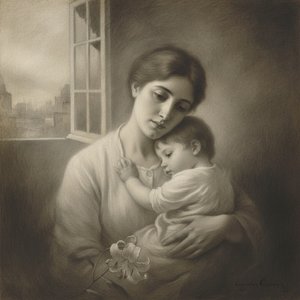
Eugène Carrière: The 'Peintre d'Âme' & Symbolist Portraiture’s Intimate Vision
Explore the haunting world of Eugène Carrière, a pivotal French Symbolist artist known for his deeply intimate portraits & 'peinture d'âme'. Discover his life, style, and lasting influence on modern masters like Picasso. Shop high-quality reproductions at OriginalUniqueArt.
Sacred Narratives Embodied: A Comprehensive Exploration of Religious Iconography in Art History
Explore the rich history of religious iconography in art! Discover symbolism, movements & masterpieces from Byzantine to Renaissance periods. Expert insights for collectors and enthusiasts at OriginalUniqueArt.
Charles Le Brun: Master of French Baroque Classicism & His Enduring Legacy
Explore the life & art of Charles Le Brun, master of French Baroque Classicism. Discover his royal commissions, influence on Versailles, and enduring legacy through detailed analysis & stunning artworks.