

 Megtekintés
 Küldés
 Megosztás
 Részletek
 Útmutató

 Letöltés
 Hasonló darabok
 X-ray felvétel
 Diavetítés
 Statisztika
Maternity


 Összes részlet megjelenítése
Giclée / Műnyomat
Múzeumi minőségű giclée vagy vászonnyomat, gyors gyártással és rugalmas finomítási lehetőségekkel. ( Kézzel festett másolat rendelése Áttérés digitális képre)




P118B Ft10

P118H Ft10

P118W Ft10

P438Z Ft10

P508JH Ft12

P508YH Ft12

P805H Ft10

P805Z Ft10

P919BZ Ft10

P919G Ft10

P919XJ Ft10

P959ZH Ft10

P968JZ Ft12

W106C Ft8

W218G Ft10

W218JH Ft8

W218Y Ft10

W307PJ Ft10

W316G Ft10

W316PJ Ft8

W316Y Ft10

W398PJ Ft8

W4111J Ft10

W500HY Ft15

W500JH Ft15

W692G Ft12

W849H Ft8

W940BG Ft15

W953PJ Ft8




Válasszon előre meghatározott méreteink közül, amelyek megfelelnek a műalkotás eredeti arányainak.

Írja be a keretének vagy a falának megfelelő szélességet és magasságot. A nyomatot csak le lehet vágni, soha nem tehető nagyobbá, mint az eredeti kép, így egy eltérő alakú méretnél a kép egy része elveszik. Mielőtt bármit kinyatintanánk, küldünk egy digitális próbamodellt jóváhagyásra. Az oldalon látható kép nem tartalmazza a valós levágást — ezt csak a próbamodell mutatja meg.
Világszerte történő kiszállítás területére mindössze 2 hét alatt, a szokásos 4-5 hét helyett. (26 október)

Ingyenes globális expressz szállítás

Prémium minőségű len vászon

Teljes körű szállítási biztosítás

Vámvisszatérítési Garancia

Hiteles színarányosság garancia

100 napos visszaküldési lehetőség (csak hibás termékek esetén)

100% pénzvisszatérítési garancia

Több darab vásárlásakor kedvezmény
 Az üvegkeretes opció csak 110 cm alatti méretben érhető el

Maternity
Giclée / Műnyomat
Reprodukció mérete
-


Összesített ár
Ft 25681
A Portrait of Maternal Reverence: Eugène Carrière’s Maternity
Eugène Anatole Carrière stands apart from his contemporaries—Monet, Degas, Cézanne—not merely in stylistic preference but in a profound philosophical commitment to capturing the essence of human experience. Born in 1849 in Gournay-sur-Marne, France, he embarked on an artistic journey marked by unwavering dedication to exploring themes of spirituality and domestic tranquility. His formative years were shaped by exposure to Rubens’s luminous palette and the crucible of imprisonment in Dresden, experiences that instilled within him a sensitivity to light and color—though he would ultimately abandon them for a distinctive monochrome aesthetic. This singular approach cemented his reputation as “the painter of Breast-Feeding,” a genre he pursued with fervent conviction throughout his prolific career. ### The Monochrome Palette: A Symbol of Inner Light Carrière’s artistic signature is undeniably his masterful manipulation of color—or rather, the deliberate absence thereof. Rejecting the Impressionist obsession with capturing fleeting moments of visual sensation, he sought to distill emotion into its purest form: a subdued brown hue that permeated nearly all his canvases. This stylistic choice wasn't simply an aesthetic preference; it represented a deeply held belief in the primacy of inner contemplation and spiritual illumination. As Edmond de Goncourt eloquently observed during Carrière’s lifetime, “This Carrière really is the painter of Breast-Feeding.” He meticulously studied gestures and expressions, striving to convey not just what he saw but what he felt—a palpable resonance with the viewer's own emotional landscape. The monochromatic palette served as a conduit for conveying profound psychological depth, mirroring the stillness and serenity of domestic life. ### Maternity: A Study in Tender Gestures and Spiritual Resonance “Maternity,” completed in 1890, exemplifies Carrière’s artistic vision at its zenith. This evocative portrait depicts a woman cradling her infant child, bathed in soft light emanating from an unseen source—a deliberate allusion to divine grace and nurturing compassion. The composition is strikingly simple yet powerfully expressive: the woman's gaze directs upwards, suggesting contemplation of something beyond the immediate physical realm; her hands are outstretched, conveying warmth and protection. Two figures flank the central scene, adding depth and subtly hinting at the broader context of familial devotion. Véronique Milin Dumesnil, Carrière’s granddaughter, recounted that the models for Maternity were his wife and one of their seven children—Jean René or Leon—underscoring the artist's personal connection to the subject matter. ### Technique and Historical Context: Embracing Rubensian Influence Carrière’s technique is characterized by meticulous detail and painstaking layering of paint—a testament to his unwavering commitment to capturing nuanced textures and tonal variations. He achieved this remarkable effect through a process of gradual buildup, applying thin glazes over thicker underlayers to create an illusion of depth and luminosity despite the absence of color. This approach harkens back to Rubens’s masterful use of chiaroscuro—the dramatic interplay between light and shadow—a technique that Carrière adopted with unwavering fidelity. The painting emerged during a period marked by growing interest in Symbolism, a movement that sought to transcend mere representation and delve into realms of psychological and spiritual significance. Like many Symbolist artists, Carrière aimed to evoke emotion rather than depict reality objectively, inviting viewers to contemplate the profound mysteries of human existence. ### Legacy and Emotional Impact: A Timeless Expression of Maternal Love “Maternity” remains a captivating masterpiece—a testament to Carrière’s artistic genius and his unwavering belief in the transformative power of art. Its enduring appeal lies not only in its exquisite craftsmanship but also in its ability to resonate deeply with audiences across generations. The painting captures the essence of maternal tenderness, conveying a sense of serenity and spiritual contemplation that transcends time and culture. It serves as an inspiring reminder of the beauty and significance of familial bonds—a timeless expression of love, compassion, and faith.Kérdések és válaszok
Melyik országból származik a Symbolist Art irányzat Maternity című műve?
A Symbolist Art korszak alkotása, a "Maternity", egy Franciaország-ban született művész munkája.
Milyen színpaletta jellemzi a(z) „Maternity”, Eugène Anatole Carrière alkotása alkotást?
A „Maternity”, Eugène Anatole Carrière alkotása egy Earthy színpalettát használ, amely összefoglalja a mű egészében megnyilvánuló színes karakterét.
A „Maternity” Eugène Anatole Carrière pályájának mely szakaszát képviseli?
A "Maternity" Eugène Anatole Carrière alkotói pályájának Mature Period szakaszát képviseli.
A művész életrajza
Élet és kiképzés
Eugène Anatole Carrière, a híres francia szimbolista művész, 1849.január 16-án született Gournay-sur-Marne településen, Seine-Saint-Denis megyében. Édesapja egy biztosítótársaság munkása volt, és gyermekei nevelése a családi vállalkozás körül szerveződött. Carrière művészi pálya elindításához Strasbourgba költöztek, ahol alaposan tanulmányozta a művészetet az École Municipale de Dessin irodájában, ezzel is felkészülve a későbbi karrierjére. A Francia-PruSSIai háború idején, amikor Franciaország lerángózott a németeknek, Carrière egy foglalasztott börtönben töltött időt, ami mély nyomot hagyott rajta és inspirálta a művészete szellemi világát. A börtönélmény után, 1872-73-ban Párizsban dolgozott Jules Chéret grafikusnál, ahol elsajátította a litográfia technikáját. Az általa elért sikertelenség ellenére Carrière nem adta fel álmait, és 1878-ban bemutatta első műveit a Salonon, bár ezek nem vonzották az közönséget. A következő években, amikor a pénz szűkös volt, segített a Sèvres porcelángyárban, ahol találkozott Auguste Rodinnal, aki később nagyon jó barát lett.Művészi stílus és befolyásolók
Carrière művészete leginkább a jellegzetes barna monokróm palettájáért ismert, ami sok művészeti kritikus és szerelmese számára vonzó színfolt volt. A művei nagyban inspirálódnak Peter Paul Rubens munkásságában, akinek képei a Louvre-ban tett látogatása során hatottak rá mélyen. E befolyás a korai festményeiben feltűnő ragyogó színekben nyilvánul meg. Carrière művészete nem csak a színeket, hanem a témát is meghatározta: gyakran ábrázolta otthoni élet jeleneteit, és rendszeresen beépítette feleségének arcképeit a képeibe. A monokróm stílus, amit Carrière fejlesztett ki, nagy hatással volt későbbi művészekre, különösen Pablo Picasso esetében, aki a kék periódusában vonzódott ehhez az egyedi megközelítéshez.A „Fiatal anya” (1879) és más korai alkotások
„A fiatal anya” (1879), Carrière egyik legkorábbi és legismertebb műve, a Rouen megyei múzeumban található. Ez a festmény jelentősen meghatározta Carrière művészi stílusát, és bemutatta az otthoni élet témáját, amely később egyeduralkodóvá vált. A művész számos más fontos alkotást készített ebben időszakban, mint például „A beteg gyermek” (Montargis) és „Az első béke” (Toulon). Ezek a művek nagyra értékeltek voltak, és többször ki voltak állítva a Société Nationale des Beaux-Arts-ban, amelyet Carrière alapító tagja volt. A művész nem csak a festészet területén mutatkozott be, hanem befolyásolta is a fiatal művészeket az Académie de la Palette-en tanítván.Fontosabb alkotások és kiállítások
Carrière művei számos múzeumban és magángyűjteményekben tekinthetők meg Franciaországban és külföldön egyaránt. A legfontosabb alkotásai közé tartozik:- „A beteg gyermek” (Montargis)
- „Az első béke” (Toulon)
- „A fiatal anya” (1879) – Rouen megyei múzeum
- „Louis-Henri Devillez portréja” (1887)
Művi örökség és hatása a modern művészetre
Carrière monokróm stílusa nagyban befolyásolta Pablo Picasso munkásságát, különösen a kék periódusában. Ezt a befolyást tanúsítja Carrière tartós hatása a modern művészetre. A művészek és művészethez érdekelt emberek számára továbbra is ihletforrás marad Carrière munkássága.
Eugène Anatole Carrière
1849 - 1906 , Franciaország
Rövid információk
- Artistic Movement Or Style: Szimbolizmus
- Artists Or Movements Influenced By This Artist: ['Pablo Picasso']
- Artists Who Influenced This Artist: ['Peter Paul Rubens']
- Date Of Birth: januárius 16., 1849.
- Date Of Death: március 27., 1906.
- Full Name: Eugène Anatole Carrière
- Nationality: francia
- Notable Artworks:
- A beteg gyermek
- Az első kommunió
- Place Of Birth: Gournay-sur-Marne, Franciaország
Kapcsolódó cikkek

The Evocative Realm of Symbolism: Exploring Meaning & Mysticism in Late 19th-Century Art
Explore the captivating world of Symbolism art! Discover key artists, defining themes & its lasting influence on modern movements. A deep dive into late 19th-century masterpieces.

Monochrome Visions: Exploring the Aesthetic & Historical Significance of Black & White Photography
Explore the rich history & artistic power of black and white photography. From early techniques to iconic masters like Ansel Adams, discover why monochrome continues to captivate art lovers today. Expert insights for collectors.
The Subtleties of Shade: Exploring Monochrome's Enduring Power in Art History & Contemporary Practice
Explore the captivating world of monochrome painting! Discover its rich history, from Renaissance chiaroscuro to contemporary minimalism. Uncover the emotional power and artistic techniques behind this enduring art form.
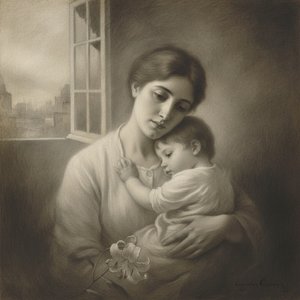
Eugène Carrière: The 'Peintre d'Âme' & Symbolist Portraiture’s Intimate Vision
Explore the haunting world of Eugène Carrière, a pivotal French Symbolist artist known for his deeply intimate portraits & 'peinture d'âme'. Discover his life, style, and lasting influence on modern masters like Picasso. Shop high-quality reproductions at OriginalUniqueArt.

Late Medieval Masterpieces: 10 Artworks That Defined an Era | OriginalUniqueArt
Journey through 10 defining Late Medieval masterpieces – from Giotto's frescoes to Jan van Eyck’s realism. Explore the stories, techniques & vibrant colors of Gothic art. Find museum-quality reproductions and elevate your home decor with OriginalUniqueArt.com! Discover all masterpieces on OriginalUniqueArt.com