

 Előnézet
 Megosztás
 Megosztás
 Részletek
 Útmutató

 Letöltés
 Hasonló darabok
 X-ray felvétel
 Diavetítés
 Statisztika
River Scene in Winter


 Tovább olvasom
Giclée / Műnyomat
Múzeumi minőségű giclée vagy vászonnyomat, gyors gyártással és rugalmas finomítási lehetőségekkel. ( Kézzel festett másolat vásárlása Áttérés digitális képre)




P118B Ft10

P118H Ft10

P118W Ft10

P438Z Ft10

P508JH Ft12

P508YH Ft12

P805H Ft10

P805Z Ft10

P919BZ Ft10

P919G Ft10

P919XJ Ft10

P959ZH Ft10

P968JZ Ft12

W106C Ft8

W218G Ft10

W218JH Ft8

W218Y Ft10

W307PJ Ft10

W316G Ft10

W316PJ Ft8

W316Y Ft10

W398PJ Ft8

W4111J Ft10

W500HY Ft15

W500JH Ft15

W692G Ft12

W849H Ft8

W940BG Ft15

W953PJ Ft8




Válasszon előre meghatározott méreteink közül, amelyek megfelelnek a műalkotás eredeti arányainak.

Megadhat saját méreteket is egy konkrét kerethez vagy helyszínhez igazítva. Amennyiben a kiválasztott méret nem egyezik az eredeti kép arányokkal, a műalkotást le fogjuk vágni, vagy kiegészítjük a képet tükrözött vagy egyszínű szélekkel. A gyártás megkezdése előtt egy digitális tervezetet küldünk jóváhagyásra.
Kérjük, vegye figyelembe, hogy a képernyőn látható előnézet nem tükrözi a tényleges levágást vagy kiegészítést. Csak a tervezet mutatja pontosan a végső kompozíciót.
Bár az egyedi méretek is elérhetőek, az eredeti arányok megőrzése érdekében azt javasoljuk, hogy válasszon a előre meghatározott listából származó méretet.
Világszerte történő kiszállítás területére mindössze 2 hét alatt, a szokásos 4-5 hét helyett. (30 szeptember)

Ingyenes globális expressz szállítás

Prémium minőségű len vászon

Teljes körű szállítási biztosítás

Vámvisszatérítési Garancia

Tökéletes színarányosság garancia

100 napos visszaküldési garancia (csak gyártási hibás termékek esetén)

100% pénzvisszatérítési garancia

Több darab vásárlásakor kedvezmény
 Az üvegkeretes opció csak 110 cm alatti méretben érhető el

River Scene in Winter
Giclée / Műnyomat
Reprodukció méretei
-


Összesített ár
Ft 25149
River Scene in Winter: A Serene Reflection of American Impressionism
Ernest Lawson's "River Scene in Winter," painted in 1899, stands as a captivating example of American Impressionism. This oil on canvas artwork transports viewers to a tranquil winter landscape, showcasing a frozen river embraced by snow-covered banks and trees. The presence of several boats and a building nestled in the background adds a touch of human interaction within this otherwise serene natural setting.
Composition and Artistic Technique
The painting's composition is characterized by Lawson’s masterful use of soft, feathery brushstrokes that contribute to an overall sense of tranquility. The muted color palette further enhances this peaceful atmosphere, while the interplay of light and shadow adds depth and dimension to the scene. Notice how the snow-covered trees and riverbanks reflect the pale winter sun, creating a luminous effect. Lawson’s technique skillfully blends Impressionistic principles with realistic observation, capturing not just the visual appearance but also the feeling of a cold, crisp winter day.
Artist and Historical Context
Ernest Lawson (1873-1939) was a prominent Canadian-American painter renowned for his landscapes and cityscapes. His artistic journey began with studies at the Art Students League in New York, where he was influenced by John Twachtman and later honed his skills at the Académie Julian in Paris. Lawson’s style uniquely combines Impressionism with realism, evident in "River Scene in Winter." This painting reflects a period of artistic exploration in America, as artists moved away from traditional academic styles to embrace more modern approaches that captured fleeting moments and atmospheric effects. The work resonates with other winter landscapes like "Winter Landscape" by Esaias Van De Velde, demonstrating a shared interest in depicting the beauty of winter's starkness.
Symbolism and Emotional Impact
Beyond its aesthetic appeal, "River Scene in Winter" evokes a sense of quiet solitude and resilience. The frozen river symbolizes stillness and dormancy, while the snow-covered landscape represents the challenges of winter. However, the presence of boats suggests human perseverance and adaptation to harsh conditions. Lawson’s skillful use of color and light creates an emotional resonance that invites viewers to contemplate the beauty and fragility of nature. The muted palette and soft brushstrokes contribute to a melancholic yet peaceful atmosphere, making this painting a timeless reflection on the passage of time and the enduring power of the natural world.
Own a Piece of American Impressionism
Handmade oil painting reproductions of "River Scene in Winter" are available, meticulously crafted to capture the original artwork's beauty and detail. These reproductions offer an accessible way to appreciate Lawson’s artistry and bring a touch of American Impressionism into your home or collection.
A művész életrajza
early life and training
Ernest Lawson, a luminary of American Impressionism, was born on March 22nd, 1873, in the vibrant coastal city of Halifax, Nova Scotia, Canada. His early years were shaped by his family’s move to Kansas City, Missouri, in 1888, where his father established a successful medical practice. This relocation marked the beginning of Lawson's artistic journey, as he began formal training at the Kansas City Art Institute between 1888 and 1889. However, it was his subsequent enrollment at the prestigious Art Students League in New York City in 1891 that truly ignited his passion and set him on a path toward mastering the techniques of European art movements. Under the guidance of John Twachtman, a pivotal figure in American Impressionism, Lawson was introduced to the principles of this revolutionary style – an approach characterized by capturing fleeting moments of light and color with loose brushstrokes and an emphasis on subjective perception. This early mentorship proved instrumental in shaping his artistic sensibilities. Further enriching his understanding, Lawson traveled to Paris in 1893, where he immersed himself in the academic rigor of the Académie Julian. There, he studied under renowned artists like Jean-Joseph Benjamin-Constant and Jean-Paul Laurens, absorbing their knowledge of classical techniques while simultaneously embracing the innovative spirit of Impressionism. Crucially, Lawson’s time in France also involved extensive plein air painting experiences – working directly from nature – which proved invaluable in developing his observational skills and ability to translate the beauty of the landscape onto canvas.artistic development and influences
Lawson's artistic style evolved into a distinctive blend of Impressionism and Realism, reflecting a deep engagement with both approaches. He was profoundly influenced by the works of John Henry Twachtman, whose meticulous attention to detail and ability to capture atmospheric effects served as a cornerstone of Lawson’s technique. Furthermore, he drew inspiration from the evocative landscapes of Alfred Sisley, an English Impressionist known for his serene depictions of French countryside, and J. Alden Weir, who focused on capturing the subtle nuances of light and color in urban scenes. Lawson's travels to southern France and Moret-sur-Loing provided him with invaluable opportunities to study alongside Alfred Sisley, deepening his understanding of plein air painting and the Impressionist philosophy. The eight artists, a group of progressive painters who challenged the conservative norms of the National Academy of Design, played a significant role in Lawson’s artistic development. He joined their ranks in 1908, participating in the landmark exhibition at the Macbeth Galleries that brought attention to the diversity of styles and subject matter within American art. This association exposed him to new ideas and encouraged him to push beyond traditional boundaries.the eight and notable exhibitions
In 1908, Ernest Lawson became a founding member of “The Eight,” a group of artists who sought to break away from the restrictive policies of the National Academy of Design. This bold move was driven by their desire to champion more diverse artistic styles and subject matter – moving beyond idealized historical scenes and portraits towards depictions of everyday life and urban landscapes. The exhibition organized by The Eight at the Macbeth Galleries in New York City generated considerable media attention, sparking a lively debate about the future of American art. Lawson’s paintings, particularly “City Suburbs,” were prominently featured and garnered critical acclaim for their evocative portrayal of urban life. Throughout his career, Lawson continued to exhibit his work in prestigious venues across America, including the Pennsylvania Academy of Fine Art, the National Gallery, and the Corcoran Gallery in Washington, D.C., as well as the Metropolitan Museum of Art. His participation in the 1913 Armory Show further solidified his position as a leading figure in the American art scene.legacy and impact
Ernest Lawson’s artistic legacy is characterized by an understated yet profoundly vibrant style. Art critic James Gibbons Huneker famously described Lawson's palette as “a crushed jewel,” capturing the shimmering, iridescent quality of his paintings – achieved through meticulous layering of paint and a masterful use of impasto technique. His work resonated with a deep appreciation for the American landscape, reflecting both its natural beauty and its evolving urban environment. Lawson’s contributions to American Impressionism are significant, demonstrating a unique ability to synthesize European influences with a distinctly American sensibility. He remains an important figure in the history of art, celebrated for his evocative depictions of light, color, and place. His paintings continue to captivate viewers with their beauty and emotional depth.
Ernest Lawson
1873 - 1939 , Kanada
Gyors információk
- Artistic Movement Or Style: Amerikai impresszionizmus
- Artists Or Movements Influenced By This Artist: ['A nyolcas']
- Artists Who Influenced This Artist:
- John Twachtman
- Jean-Joseph Benjamin-Constant
- Alfred Sisley
- Date Of Birth: March 22, 1873
- Full Name: Ernest Lawson
- Nationality: Kanadai
- Notable Artworks:
- City Szuburbs
- Approaching Storm
- Place Of Birth: Halifax, Kanada
Kapcsolódó cikkek
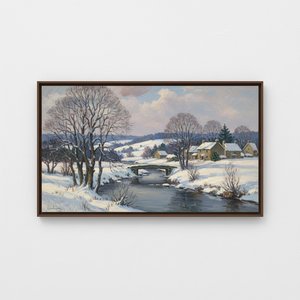
Ernest Lawson: A Pioneer of American Impressionism & His Vision of the Rural Landscape
Explore the life & art of Ernest Lawson, a pivotal figure in American Impressionism. Discover his evocative landscapes, influences, and lasting legacy with OriginalUniqueArt.
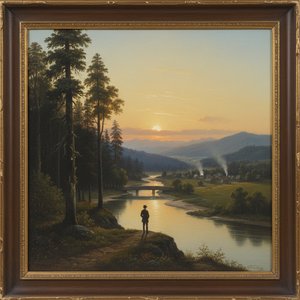
Robert Spencer: Luminism, Narrative & the American Landscape Tradition
Explore the captivating world of Luminism & the Hudson River School with our expert analysis. Discover the history, artists, and enduring beauty of 19th-century American landscape painting. Find museum-quality reproductions at OriginalUniqueArt.
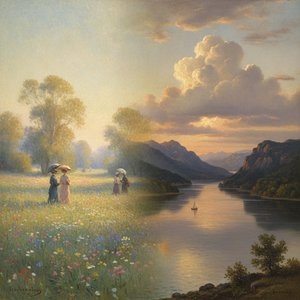
Capturing the Light: A Journey Through the Soul of American Impressionism and the Hudson River School
Explore the luminous beauty of American Impressionism and the Hudson River School. Discover a curated journey through light, landscape, and history, celebrating the enduring legacy of masters through exquisite, hand-painted oil reproductions for the discerning art lover.

Evocations of Place: A Historical Journey Through Landscape Art
Explore the rich history of landscape art with OriginalUniqueArt. Discover renowned artists, movements like Impressionism & tonalism, and expert guidance for collecting timeless pieces. Find your perfect serene escape today!
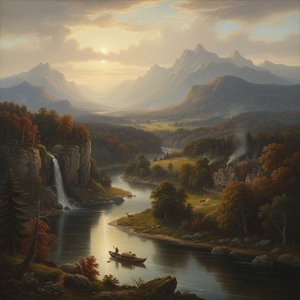
Capturing the American Spirit: A Journey Through Iconic Landscapes and the Legacy of the Hudson River School
Explore the profound beauty of American art history. From the Hudson River School to iconic landscapes, discover a curated journey through the masterpieces that defined a nation's spirit and the enduring legacy of American Romanticism.