

 Előnézet
 Megosztás
 Megosztás
 Részletek
 Útmutató

 Letöltés
 Hasonló darabok
 X-ray felvétel
 Diavetítés
 Statisztika
The Last Supper

 Tovább olvasom
Kézzel készített olajfestmény reprodukció
Kézzel festett olajvastú vászon, az Ön által választott méretben és keretben, művészeink készítik meglévőre. ( Váltás nyomtatványra Áttérés digitális képre)




































Válasszon előre meghatározott méreteink közül, amelyek megfelelnek a műalkotás eredeti arányainak.

Ön megadhat saját méreteket egy adott kerethez vagy térhez igazításhoz. Ha a kiválasztott méret nem egyezik az eredeti kép arányával, akkor a műalkotást levágjuk, vagy további kézzel festett elemekkel meghosszabbítjuk a festményt. A gyártás megkezdése előtt küldünk Önnek egy digitális előnézetet jóváhagyásra.
Kérjük, vegye figyelembe, hogy a képernyőn megjelenő előnézet nem tükrözi a tényleges vágást vagy kiterjesztést. Csak az előnézet fog pontosan mutatni a végső kompozíciót.
Bár egyedi méretek állnak rendelkezésre, javasoljuk, hogy válasszon egy méretet az előre meghatározott listából az eredeti arányok megőrzése érdekében.
A rendelést követően a OriginalUniqueArt.com csapata e-mailt küld az ügyfélnek az instrukciókért, és biztosít egy előnézeti képet (mockup).
Világszerte elérhető szállítás () 3-4 hét alatt a szokásos 5 hét helyett. (26 szeptember). A minőség nem kérdőjelezhető.

Ingyenes globális expressz szállítás

Prémium minőségű len vászon

Teljes körű szállítási biztosítás

Vámvisszatérítési Garancia

Tökéletes színarányosság garancia

100 napos visszaküldési garancia (csak gyártási hibás termékek esetén)

100% pénzvisszatérítési garancia

Több darab vásárlásakor kedvezmény
 Az üvegkeretes opció csak 110 cm alatti méretben érhető el

The Last Supper
Reprodukciós technika
Reprodukció méretei
-


Összesített ár
$ 600
Composition and Style
The composition of the painting is reminiscent of Leonardo da Vinci's famous Last Supper, with the twelve apostles seated on one side of the table and Christ at the center. However, Field's version has a distinctively American flavor, with simpler glass and pottery table settings and a rolling landscape viewed out the window that bears a striking resemblance to the Connecticut River Valley. The use of brighter and sharper colors, lacking Da Vinci's sfumato, gives the painting a unique and captivating quality.Artist and Museum
Erastus Salisbury Field was an American artist who enjoyed a long and varied career, working as a portraitist, photographer, and painter of religious and historical subjects. The Last Supper is part of the collection at the Chrysler Museum of Art, which showcases a wide range of American and European art. As noted on OriginalUniqueArt.com, the museum is home to many notable works, including paintings by Erastus Salisbury Field and other prominent artists.- The painting measures 35 x 46 inches and is framed in a 40 1/2 inch frame.
- The Last Supper is considered one of Field's most important works, showcasing his skill and attention to detail.
- The painting has been exhibited at several notable museums, including the National Gallery of Art in Washington, D.C.
The Last Supper by Erastus Salisbury Field is a must-see for anyone interested in American art and history. Its captivating composition and unique style make it a standout piece in any collection.
A művész életrajza
Erastus Salisbury Field: A Victorian Visionary of Stonehenge
Erastus Salisbury Field (May 19, 1805 in Leverett, Massachusetts – June 28, 1900 in Sunderland, Massachusetts) stands as a compelling figure within the landscape of 19th-century American art. More than simply a portrait painter, Field was a master of evocative storytelling through image, blending elements of folk art, historical illustration, and nascent photography to create works that resonate with both regional identity and grand, romantic themes. His career, spanning over seven decades, offers a fascinating glimpse into the evolving artistic sensibilities of a nation grappling with industrialization and searching for its visual narrative.
Born into a family deeply rooted in rural Massachusetts, Field’s early life was shaped by an appreciation for craftsmanship and a keen observational eye. His initial training, though rudimentary, involved sketching portraits under the guidance of local artists – a crucial step that instilled him with the fundamental skills of likeness and composition. This foundation proved surprisingly adaptable as he later embraced new techniques and styles, demonstrating a remarkable capacity to synthesize diverse influences into his own unique artistic voice.
The Limner’s Path: Portraits and Regional Identity
Field's early career was defined by his role as a “limner,” a term that aptly describes the itinerant portrait painters who thrived in New England during the 19th century. These artists traveled extensively, offering their services to rural communities – often capturing families, prominent citizens, and cherished pets. Unlike the formal studios of established artists, the limner’s practice was characterized by informality, direct engagement with clients, and a willingness to work within the constraints of a single sitting. Field quickly mastered this approach, developing a distinctive style that prioritized capturing “a good likeness” – not through meticulous detail or academic precision, but through a sensitive understanding of human expression and character.
His portraits are notable for their immediacy and warmth. He eschewed the elaborate costumes and theatrical poses favored by some of his contemporaries, instead presenting subjects in familiar settings and engaging them in natural conversation. This approach fostered a sense of intimacy and authenticity that resonated deeply with his clientele, establishing Field as a trusted chronicler of local life.
A Shift Towards Historical Narrative and Photographic Influence
As the 19th century progressed, Field’s artistic focus began to shift. The rise of photography presented both a challenge and an opportunity for artists like Field. While photographic portraiture gained popularity as a more efficient and accessible means of capturing likenesses, it also spurred Field to experiment with new techniques and approaches. He became fascinated by the process of reproduction, initially through collodion printing, and later by incorporating elements of photography into his own paintings.
This experimentation culminated in his ambitious “Historical Monument of the American Republic,” a monumental canvas depicting key moments in American history – from the arrival of Columbus to the Civil War. The painting is a remarkable synthesis of historical research, artistic skill, and imaginative vision. Field drew inspiration from architectural models and plans for the Centennial Exposition of 1876, creating a fantastical cityscape populated by iconic figures and symbolic representations of national values. The work demonstrates his growing interest in grand narratives and his ability to translate complex ideas into visually compelling imagery.
A Legacy of Regional Vision
Erastus Salisbury Field’s legacy extends beyond the individual works that survive today. He represents a vital link between the traditions of folk art and the emerging artistic currents of the 19th century. His paintings offer a unique window into the social, cultural, and historical landscape of rural New England – capturing not only the faces of his subjects but also the spirit of a region grappling with change and defining its own identity.
His distinctive style—characterized by flattened forms, simplified details, and a focus on evocative storytelling—continues to fascinate art historians and collectors alike. Field’s work stands as a testament to the enduring power of visual narrative and the remarkable creativity of an artist who found his voice in the heartland of America.
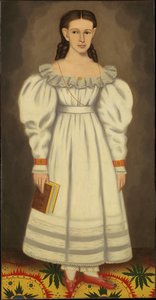
erastus salisbury field
1805 - 1900
Gyors információk
- Artistic Movement Or Style: Folk art, Portraiture
- Artists Or Movements Influenced By This Artist: ['Limner Tradition']
- Artists Who Influenced This Artist: ['Samuel F. B. Morse']
- Date Of Birth: May 19, 1805
- Date Of Death: June 28, 1900
- Full Name: Erastus Salisbury Field
- Nationality: American
- Notable Artworks:
- The Embarkation of Ulysses
- The Death of the First Born
- Nathaniel Bassett
- Place Of Birth: Leverett, Massachusetts