
 Megtekintés
 Küldés
 Megosztás
 Részletek
 Útmutató

 Letöltés
 Hasonló darabok
 X-ray felvétel
 Diavetítés
 Statisztika
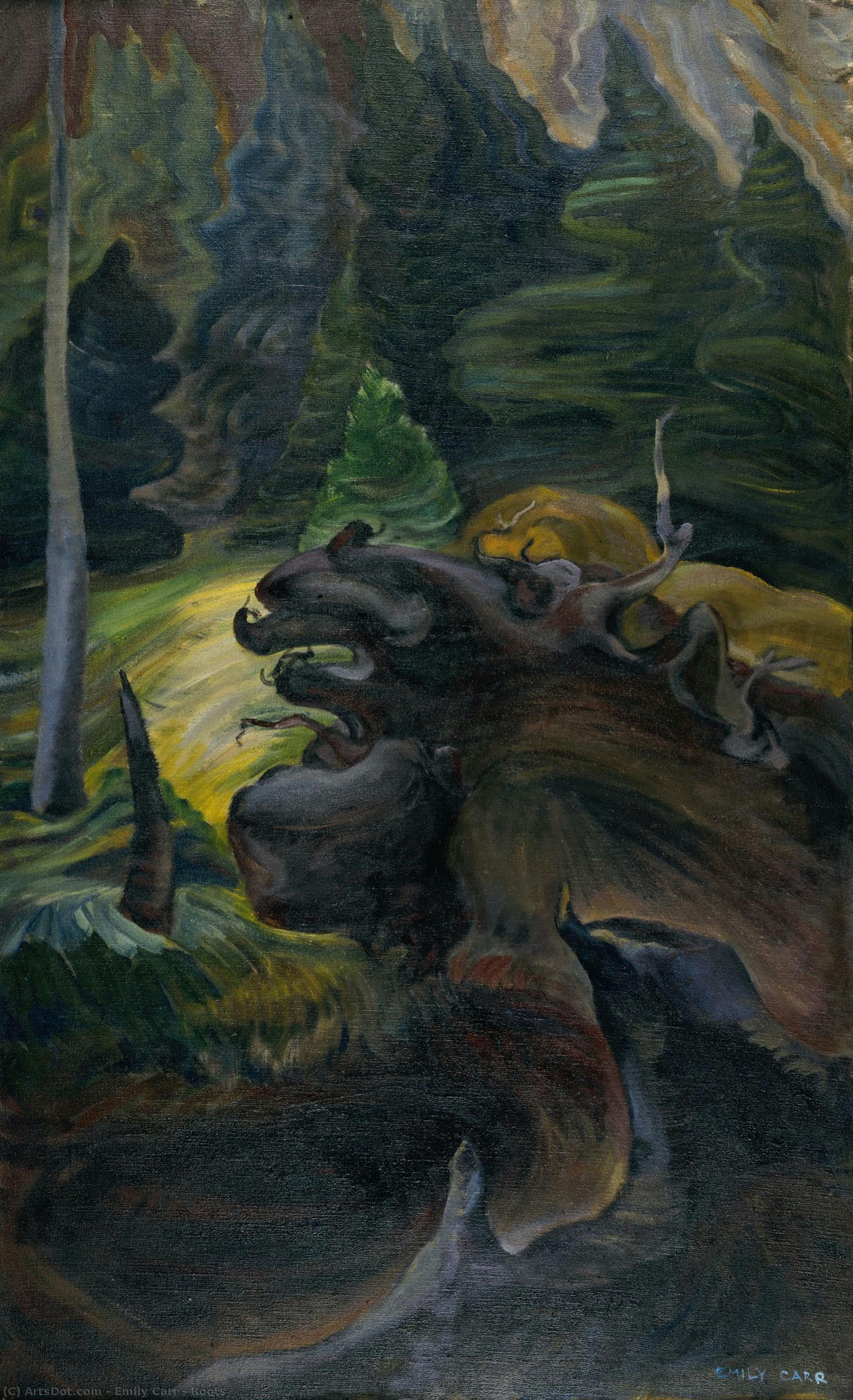
Roots
 Acrylic On Canvas
- WallArt
- Post-Impressionism
 61.0 x 110.0 cm
 Royal BC Museum
 Összes részlet megjelenítése
Kézzel készített olajfestmény reprodukció
Kézzel festett olajvastú vászon, az Ön által választott méretben és keretben, művészeink készítik meglévőre. ( Váltás nyomtatványra Áttérés digitális képre)




P118B Ft10

P118H Ft10

P118W Ft10

P438Z Ft10

P508JH Ft12

P508YH Ft12

P805H Ft10

P805Z Ft10

P919BZ Ft10

P919G Ft10

P919XJ Ft10

P959ZH Ft10

P968JZ Ft12

W106C Ft8

W218G Ft10

W218JH Ft8

W218Y Ft10

W307PJ Ft10

W316G Ft10

W316PJ Ft8

W316Y Ft10

W398PJ Ft8

W4111J Ft10

W500HY Ft15

W500JH Ft15

W692G Ft12

W849H Ft8

W940BG Ft15

W953PJ Ft8




Válasszon előre meghatározott méreteink közül, amelyek megfelelnek a műalkotás eredeti arányainak.

Írja be a kívánt szélességet és magasságot, hogy illeszkedjen a keretéhez vagy a falához. Mivel ez kézzel festett alkotás, egy eltérő formájú méret esetén a művész akár festhet is valamivel többet a kép körül, vagy korolathat is belőle — az Ön döntésének megfelelően. A festés megkezdése előtt küldünk egy digitális tervezetet jóváhagyásra. Az oldalon látható kép nem tartalmazza a végeredményt — csak a tervezet mutatja meg a valódi eredményt.
A rendelést követően a OriginalUniqueArt.com csapata e-mailt küld az ügyfélnek az instrukciókért, és biztosít egy előnézeti képet (mockup).
Világszerte elérhető szállítás () 3-4 hét alatt a szokásos 5 hét helyett. (25 október). A minőség nem kérdőjelezhető.

Ingyenes globális expressz szállítás

Prémium minőségű len vászon

Teljes körű szállítási biztosítás

Vámvisszatérítési Garancia

Hiteles színarányosság garancia

100 napos visszaküldési lehetőség (csak hibás termékek esetén)

100% pénzvisszatérítési garancia

Több darab vásárlásakor kedvezmény
 Az üvegkeretes opció csak 110 cm alatti méretben érhető el

Roots
Reprodukciós technika
Reprodukció mérete
-


Összesített ár
Ft 96158
The Canvas as a Portal: Unveiling “Roots” by Emily Carr
Emily Carr's "Roots," painted circa 1929, isn’t merely a depiction of two magnificent horned creatures amidst the dense foliage of British Columbia; it’s a profound meditation on connection – to the land, to ancient spirits, and perhaps, to something deeply within ourselves. The painting immediately draws the viewer into a shadowed realm, a twilight forest where light filters through the canopy in dappled patterns, creating an atmosphere thick with mystery and reverence. Carr masterfully employs a muted palette of browns, greens, and greys, punctuated by flashes of ochre and umber, lending the scene a timeless quality that transcends its specific time and place. The composition is deliberately unbalanced, drawing our eye to the central figures – these imposing beasts – while the human element, partially obscured on the right, feels almost secondary, an observer rather than a participant in this primal drama.
A Post-Impressionist Tapestry: Technique and Style
Carr’s style firmly resides within the realm of Post-Impressionism, yet she transcends simple imitation. She builds upon the Impressionists' focus on capturing fleeting moments of light and color, but imbues her work with a heightened sense of emotional intensity and symbolic weight. The brushstrokes are thick and expressive, particularly evident in the rendering of the animals’ fur – each strand meticulously applied to convey texture and movement. Carr utilizes a technique reminiscent of Japanese woodblock prints, employing strong outlines and flattened planes of color to define the forms against the richly textured background. This deliberate simplification allows her to focus on conveying mood and atmosphere rather than photographic realism. The layering of paint creates an almost sculptural quality, giving the canvas a tangible presence that invites close examination.
- Medium: Oil on Canvas
- Size: 61 x 110 cm (approximately 24 x 43.5 inches)
- Brushwork: Thick, expressive, and layered – a hallmark of Carr’s distinctive style.
Echoes of Indigenous Lore and the Spirit of the Land
“Roots” is deeply rooted in Carr's lifelong fascination with First Nations culture and spirituality. The horned creatures themselves are often interpreted as representations of Thunderbird, powerful spirits associated with storms, rain, and protection within Nuu-chah-nulth cosmology. Their presence evokes a sense of ancient power and the enduring connection between humanity and the natural world. The partially visible human figure suggests an attempt to understand or perhaps appease these forces – a recognition of our place within this intricate web of life. Carr’s meticulous documentation of totem poles, as evidenced in her extensive writings and other paintings, reveals a profound respect for Indigenous traditions and a desire to bridge the gap between Western art and First Nations storytelling. The painting can be seen as an attempt to capture not just the visual appearance of these creatures but also the spiritual significance they held for the people who revered them.
Symbolism and Emotional Resonance: A Journey into the Heart of the Forest
Beyond its immediate visual appeal, “Roots” resonates with a profound emotional depth. The darkened forest creates a sense of both vulnerability and awe, inviting us to contemplate our own relationship to nature and the mysteries that lie hidden within it. The animals’ gaze – directed off-camera – suggests a narrative beyond what is immediately visible, prompting questions about their purpose and their connection to the human observer. Carr's work consistently explores themes of isolation, spirituality, and the search for meaning in a rapidly changing world. “Roots” serves as a poignant reminder of the enduring power of the natural landscape and the importance of preserving its cultural heritage. It’s a painting that stays with you long after you’ve turned away, prompting reflection on our place within the grand scheme of things.
Kérdések és válaszok
Erős fény-árnyék kontrasztot mutat-e a "Roots"?
A „Roots”, Emily Carr alkotása Serene kontrasztot mutat a világos és sötét részek között.
Hol találhatók statisztikák a(z) „Roots”, Emily Carr alkotása kapcsán?
A „Roots”, Emily Carr alkotása statisztikái a mű Statisztikák oldalán érhetőek el: a mű havi látogatottsága, a művész alkotásainak megtekintése, valamint a legutóbbi látogatók országos és nyelvi lebontása.
Milyen orientációjú a „Roots”, Emily Carr alkotása?
A „Roots”, Emily Carr alkotása Tall formátumú alkotás. A formátum a kompozíció arányait határozza meg.
A művész életrajza
A Life Rooted in the Landscape and Spirit of British Columbia
Emily Carr, born December 13, 1871, in Victoria, British Columbia, was more than just a painter; she was a chronicler of a changing world, a passionate observer of both the natural majesty of the Pacific Northwest and the rich cultural heritage of its First Nations peoples. Her life unfolded against the backdrop of a rapidly evolving Canada, a nation grappling with its identity and relationship to its Indigenous populations. The daughter of Richard and Emily Carr, English immigrants who sought opportunity in the burgeoning colony, she grew up in a household that valued both tradition and progress. This duality would profoundly shape her artistic vision. From an early age, encouraged by her father, Emily displayed a remarkable aptitude for art, a talent nurtured through formal instruction and a deep connection to the surrounding landscape. The imposing forests of Vancouver Island, the rugged coastline, and the vibrant life within them became enduring sources of inspiration. However, it was not merely the visual beauty that captivated Carr; she sought to capture the *spirit* of this land, its inherent power and mystery.Forging a Unique Artistic Voice
Carr’s artistic journey was one of continuous exploration and refinement. She pursued formal training at the San Francisco Art Institute (1890-1892) and later at the Westminster School of Art in London (1899), immersing herself in European artistic currents. Yet, she found herself increasingly drawn back to her native British Columbia, recognizing that true artistic expression lay not in imitation but in authentic representation of her own experience. Initially influenced by Post-Impressionism – particularly the bold colors and expressive brushwork of artists like Vincent van Gogh – Carr gradually moved away from conventional techniques, developing a style characterized by dynamic brushstrokes, an almost visceral energy, and a distinctive use of color to convey emotion. A pivotal moment in her development came through her encounters with the First Nations communities along the British Columbia coast. She traveled extensively throughout these regions, documenting their villages, totem poles, and ceremonial objects with reverence and respect. These experiences profoundly impacted her work, infusing it with a spiritual depth and a commitment to preserving a culture facing immense pressure from colonial forces. Carr wasn’t simply painting *about* First Nations cultures; she was attempting to convey their worldview, their connection to the land, and the profound symbolism embedded in their art. Her paintings became powerful statements of cultural preservation and artistic innovation. She often depicted scenes of daily life – fishing, weaving, storytelling – rendered with a vibrant intensity that captured both the beauty and the hardship of Indigenous existence.Modernism and the Expression of Inner Vision
Emily Carr stands as a pioneering figure in Canadian Modernism, embracing new forms of expression while remaining deeply rooted in her own unique perspective. She wasn’t content to merely replicate what she saw; instead, she sought to convey the emotional and spiritual essence of her subjects. This led her to experiment with increasingly abstract compositions, employing thick impasto techniques – applying paint directly onto the canvas in layers – to create a sense of movement and texture. Her canvases often pulsate with energy, reflecting the raw power of the natural world and the vibrant life force of the First Nations communities she depicted. Kispiox Village, for example, is not simply a representation of a village scene; it’s an evocation of its atmosphere, its history, and its spiritual significance. Carr's work often features towering trees that seem to reach towards the heavens, symbolizing both the grandeur of nature and the enduring spirit of Indigenous cultures. She wasn’t afraid to challenge conventional artistic norms, pushing boundaries and forging her own path. This commitment to artistic independence would inspire generations of Canadian artists to come. Her use of color was particularly innovative; she often employed intense reds, yellows, and blues to capture the vibrancy of the landscape and the emotional intensity of her subjects.Major Works and Recognition
Emily Carr’s oeuvre is characterized by a remarkable diversity of subject matter and style. Some of her most celebrated works include:- Tanoo (watercolor): A delicate yet powerful depiction of First Nations life, showcasing Carr’s mastery of watercolor techniques and her ability to capture the subtle nuances of Indigenous culture.
- A Haida Village (oil): A striking oil painting that captures the architectural grandeur and spiritual significance of a Haida village, demonstrating her skill in portraying complex spatial relationships and conveying a sense of community.
- The Indian Church (oil): A poignant representation of the intersection between Indigenous culture and Christian missionary influence, reflecting Carr’s complex engagement with colonial history and her desire to document both traditions.
- Kispiox Village (oil): An iconic painting that embodies Carr's unique style and her deep connection to the landscapes and communities of British Columbia – a swirling vortex of color and energy that captures the spirit of the place.
Legacy and Enduring Influence
Emily Carr is now widely celebrated as “the Mother of Modern Canadian Art.” Her paintings are treasured for their beauty, their emotional depth, and their historical significance. She was also a gifted writer, chronicling her experiences and observations in the acclaimed autobiography Klee Wyck. Beyond her artistic achievements, Carr was a passionate advocate for Indigenous rights and cultural preservation. Her work continues to inspire artists and audiences alike, reminding us of the importance of respecting diverse cultures and celebrating the beauty of the natural world. A testament to her lasting impact is the naming of minor planet 5688 Kleewyck in her honor—a celestial tribute to a truly remarkable artist and visionary.
Emily Carr
1871 - 1945 , Kanada
Rövid információk
- Artistic Movement Or Style: Modernism, Post-Impressionism
- Artists Or Movements Influenced By This Artist: ['Pegi Nicol Macleod']
- Date Of Birth: Dec 13, 1871
- Date Of Death: Mar 2, 1945
- Full Name: Emily Carr
- Nationality: Canadian
- Notable Artworks:
- Tanoo
- A Haida Village
- The Indian Church
- Place Of Birth: Victoria, Canada
Kapcsolódó cikkek
The Enchanted Canopy: Exploring Forests in Art History – From Romantic Idealization to Ecological Consciousness
Explore the rich history of forests in art! Discover Romantic masterpieces by Friedrich & Monet, Symbolist depths, and contemporary visions. Find inspiration & quality reproductions at OriginalUniqueArt.

Vibrant Legacies: The Art of Preserving Indigenous Heritage Through Fine Art Mastery
Explore the profound beauty of indigenous heritage through fine art. From Karl Bodmer’s ethnographic precision to vibrant Gond traditions, discover how collectors preserve cultural legacies through museum-quality masterpieces and soulful portraiture.

Nature’s Sanctuary: Curating Enchanting Forest Artworks to Transform Your Home into a Serene Woodland Retreat
Transform your home into a serene woodland retreat with enchanting forest artworks. Discover museum-quality oil reproductions and custom landscape commissions designed to bring the peaceful beauty of nature indoors.
Henry Marvell Carr: A Study in American Impressionism's Evolving Landscape of Light and Form
Explore the captivating work of Henry Marvell Carr, a pivotal figure in American Impressionism. Discover his evocative realism, war art, and cultural depictions – a journey through light, form, and legacy.
George Catlin: Witnessing & Representing Indigenous Life on the American Frontier
Explore the captivating art of George Catlin, renowned for his vivid portraits & landscapes documenting Native American life on the frontier. Discover a vanishing world through stunning paintings and historical context.


