
 Előnézet
 Megosztás
 Megosztás
 Részletek

 Letöltés
 Hasonló alkotások
 X-ray felvétel
 Diavetítés
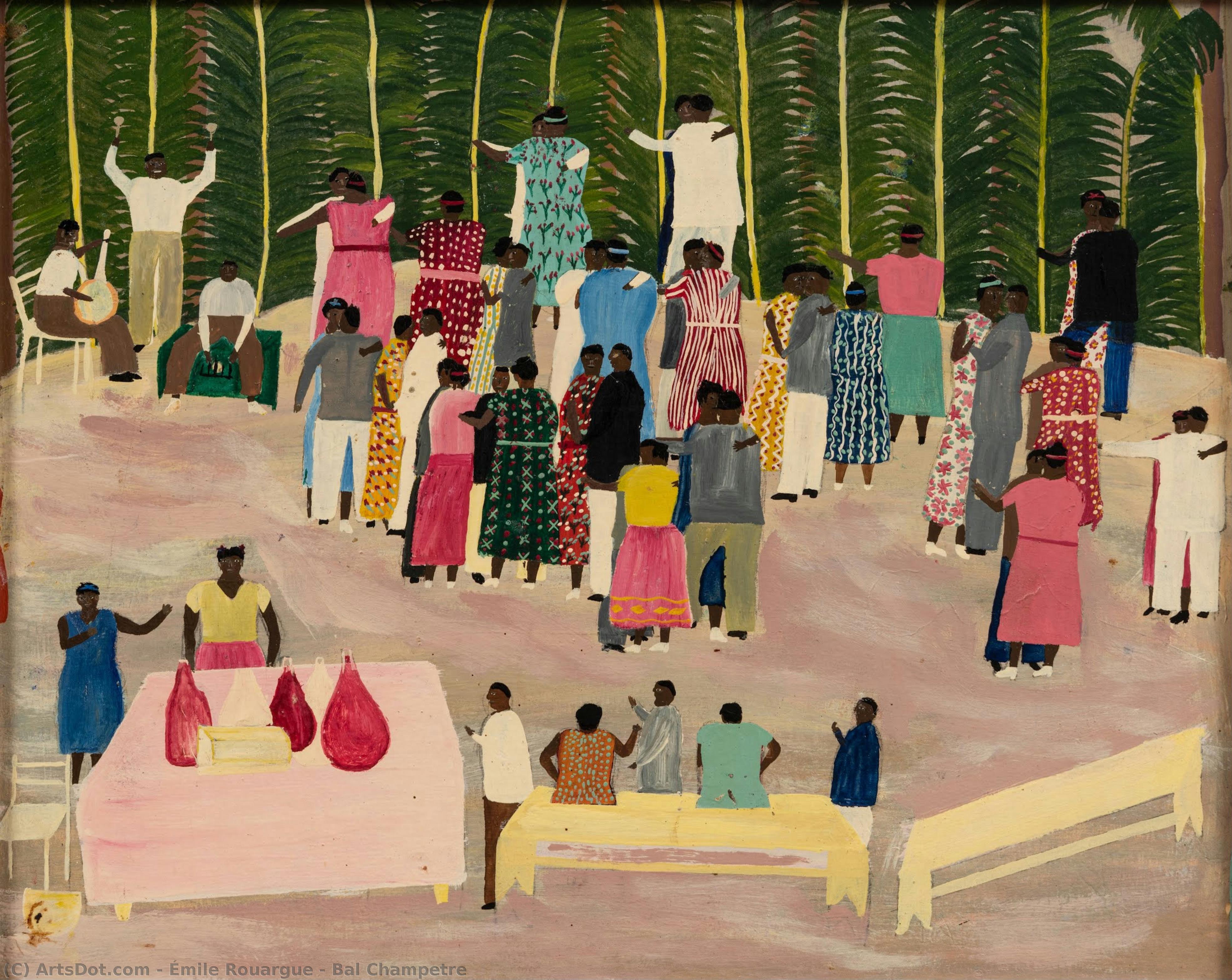
Bal Champetre


 Tovább olvasom
Giclée / Műnyomat
Múzeumi minőségű giclée vagy vászonnyomat, gyors gyártással és rugalmas finomítási lehetőségekkel. ( Áttérés a kézzel festett másolatra Képváltás)




P118B $10

P118H $10

P118W $10

P438Z $10

P508JH $12

P508YH $12

P805H $10

P805Z $10

P919BZ $10

P919G $10

P919XJ $10

P959ZH $10

P968JZ $12

W106C $8

W218G $10

W218JH $8

W218Y $10

W307PJ $10

W316G $10

W316PJ $8

W316Y $10

W398PJ $8

W4111J $10

W500HY $15

W500JH $15

W692G $12

W849H $8

W940BG $15

W953PJ $8




Válasszon előre meghatározott méreteink közül, amelyek megfelelnek a műalkotás eredeti arányainak.

Megadhat saját méreteket is egy konkrét kerethez vagy helyszínhez igazítva. Amennyiben a kiválasztott méret nem egyezik az eredeti kép arányokkal, a műalkotást le fogjuk vágni, vagy kiegészítjük a képet tükrözött vagy egyszínű szélekkel. A gyártás megkezdése előtt egy digitális tervezetet küldünk jóváhagyásra.
Kérjük, vegye figyelembe, hogy a képernyőn látható előnézet nem tükrözi a tényleges levágást vagy kiegészítést. Csak a tervezet mutatja pontosan a végső kompozíciót.
Bár az egyedi méretek is elérhetőek, az eredeti arányok megőrzése érdekében azt javasoljuk, hogy válasszon a előre meghatározott listából származó méretet.
Világszerte történő kiszállítás területére 2 hét alatt, a szokásos 4-5 hét helyett. 10 augusztus

Ingyenes globális expressz szállítás

Prémium minőségű len vászon

Teljes szállítási biztosítás

Vámvisszatérítési Garancia

Tökéletes színpontosság garancia

60 napos visszaküldési lehetőség (csak gyártási hibák esetén)

100%-os pénzvisszatérítési garancia

Kedvezmény több termény esetén
 Az üvegkeretes opció csak 110 cm alatti méretben érhető el

Bal Champetre
Giclée / Műnyomat
A reprodukció mérete
-


Összesített ár
$ 80
A művész életrajza
The Architectural Visions of Émile Rouargue
Émile Jean Horace Vernet, known as émile rouargue (Paris, 1796 – Epône, 1865), occupies a fascinating niche in the history of 19th-century French printmaking. Though not a household name like some of his contemporaries, Rouargue and his brother Adolphe carved out a significant space for themselves with their captivating engravings of architectural fantasies and meticulously detailed cityscapes. Their work wasn’t born from direct observation alone; it was an imaginative synthesis of real places, historical styles, and a burgeoning romantic sensibility that resonated deeply with the public.
Rouargue's career unfolded during a period of rapid social and artistic change. The Napoleonic era had recently concluded, leaving France eager to rebuild—both physically and culturally. The rise of the middle class created a new market for affordable art, and printmaking flourished as a means of disseminating images widely. While many artists focused on historical or allegorical subjects, Rouargue found success in depicting the built environment, albeit often an idealized or imagined one. He wasn’t simply documenting existing structures; he was constructing visions of grandeur, order, and beauty.
A Collaborative Practice: Rouargue Frères
The story of Émile Rouargue is inextricably linked to that of his brother, Adolphe. Together they formed a highly effective artistic partnership, dividing labor and complementing each other’s skills. While the precise nature of their collaboration remains somewhat unclear—it's often difficult to attribute specific works definitively to one brother or the other—they operated as “Rouargue Frères,” presenting a unified front to the art market. Their engravings were frequently published in periodicals, reaching a broad audience hungry for visual stimulation and escapism. This accessibility was key to their popularity; they weren’t catering to an elite clientele but rather to a growing segment of society that valued both artistry and affordability.
The British Museum holds several examples of their work, attesting to the international reach of their engravings. These prints often showcase elaborate architectural designs—palaces, churches, public squares—populated with figures engaged in everyday life. The level of detail is remarkable, capturing not only the broad forms of buildings but also the textures of stone, the play of light and shadow, and the nuances of human interaction. It’s this attention to detail that lends their work a sense of realism, even when depicting fantastical scenes.
Themes and Techniques
Rouargue's engravings are characterized by several recurring themes. A fascination with classical architecture is evident in many of his works, reflecting the enduring influence of ancient Greece and Rome on French artistic taste. He frequently depicted European cities—Paris, Venice, Rome—but often infused them with an idealized quality, removing blemishes and emphasizing their most picturesque aspects. The architectural fantasies are particularly striking, showcasing elaborate designs that blend different styles and create a sense of otherworldly beauty.
Technically, Rouargue was a skilled engraver, employing precise lines and subtle shading to create depth and texture. His work demonstrates a mastery of the engraving process, allowing him to translate complex compositions onto paper with remarkable clarity. The use of light and shadow is particularly effective, creating a sense of drama and atmosphere. He often utilized cross-hatching and stippling techniques to build up tonal values and add visual interest.
Legacy and Historical Significance
While Émile Rouargue may not be as widely recognized today as some of his more famous contemporaries, his work offers a valuable glimpse into the artistic sensibilities of 19th-century France. His engravings reflect the era’s fascination with architecture, its romantic yearning for beauty and order, and its growing demand for affordable art. The collaborative nature of his practice—working alongside his brother Adolphe—also speaks to the dynamics of the art market during this period.
Rouargue's legacy lies in his ability to create captivating visions of the built environment that resonated with a broad audience. His work wasn’t simply about documenting reality; it was about constructing idealized worlds, offering escapism and inspiration to those who sought it. Today, his engravings remain a testament to the enduring power of printmaking and the artistic imagination.

émile rouargue
1796 - 1865 , France
Rövid tények
- Artistic Movement Or Style: Engraving, Illustration
- Date Of Birth: 1796
- Date Of Death: 1865
- Full Name: Émile Rouargue
- Nationality: French
- Place Of Birth: Paris, France
Kapcsolódó cikkek

The Rhythmic Canvas: Exploring Representations of Dance Across Art History
Explore the captivating history of dance in art! From Degas' ballet scenes to abstract expressions, discover how artists have captured movement and cultural significance across time. Expert insights for collectors & enthusiasts.
Idyllic Visions: Exploring the Pastoral Tradition in Western Art – Themes, Techniques & Enduring Appeal
Explore the rich history of pastoral art from classical Arcadia to contemporary interpretations. Discover key artists, themes & collecting tips at OriginalUniqueArt.

Idyllic Visions: Exploring the Pastoral Scene in Art History – From Arcadia to Modern Interpretations
Explore the captivating history of pastoral art from classical Arcadia to modern masterpieces. Discover key artists like Millet & Cole at OriginalUniqueArt. Find serene landscape paintings for your home.

Katsushika Hokusai 25 Mesterműve: A Japán Art Élmény, Otthonodban – OriginalUniqueArt
Fedezze fel Katsushika Hokusai 25 legikonikusabb műalkotását! Merüljön el a japán ukiyo-e világában, ismerje meg a 'Nagy Hullám' történetét és más remekműveket. Museum minőségű reprodukciók otthonába – OriginalUniqueArt.com.
Renoir Mesterek: A 25 Leglenyűgözőbb Kép a Francia Impresszionizmus Gyöngyszemeiből | OriginalUniqueArt
Fedezze fel Pierre-Auguste Renoir 25 legszebb művét! Ismerje meg az impresszionizmus gyöngyszemeit, a színek és fény játékát. Vásároljon exkluzív Renoir reprodukciókat otthonába a OriginalUniqueArt.com kínálatából – minőségi faliképek és inspiráló dekoráció.

