
 Előnézet
 Megosztás
 Megosztás
 Részletek
 Útmutató

 Letöltés
 Hasonló darabok
 X-ray felvétel
 Diavetítés
 Statisztika
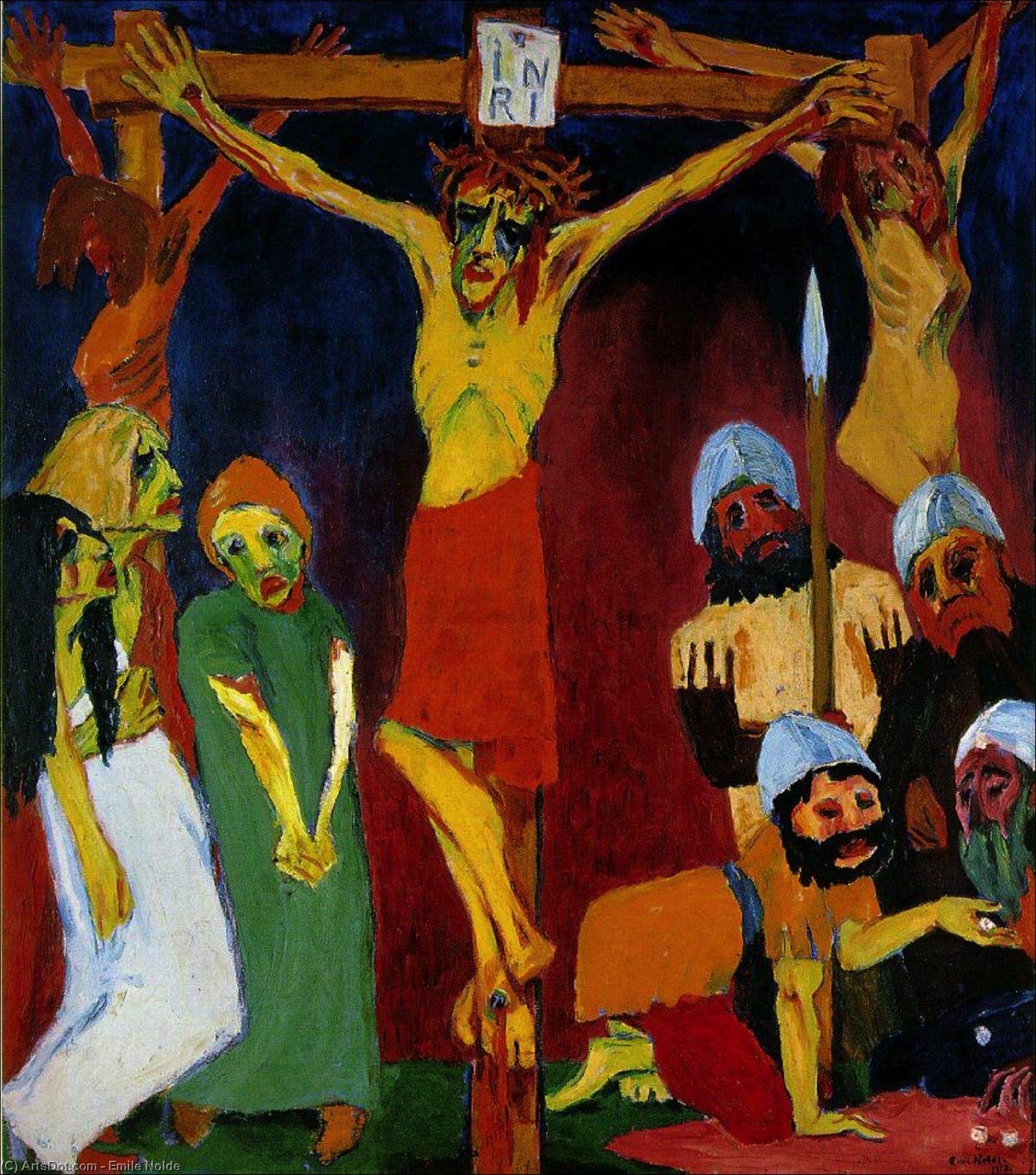
Crucifixion,
 Acrylic On Canvas
- WallArt
- Expressionist Symbolism
 1912
1912- 19th Century
 221.0 x 194.0 cm
 Tovább olvasom
Kézzel készített olajfestmény reprodukció
Kézzel festett olajvastú vászon, az Ön által választott méretben és keretben, művészeink készítik meglévőre. ( Váltás nyomtatványra Áttérés digitális képre)




P118B Ft10

P118H Ft10

P118W Ft10

P438Z Ft10

P508JH Ft12

P508YH Ft12

P805H Ft10

P805Z Ft10

P919BZ Ft10

P919G Ft10

P919XJ Ft10

P959ZH Ft10

P968JZ Ft12

W106C Ft8

W218G Ft10

W218JH Ft8

W218Y Ft10

W307PJ Ft10

W316G Ft10

W316PJ Ft8

W316Y Ft10

W398PJ Ft8

W4111J Ft10

W500HY Ft15

W500JH Ft15

W692G Ft12

W849H Ft8

W940BG Ft15

W953PJ Ft8




Válasszon előre meghatározott méreteink közül, amelyek megfelelnek a műalkotás eredeti arányainak.

Type the width and the height you need, to fit your frame or your wall. This is hand-painted, so for a size with a different shape the artist can paint a bit more around the picture, or cut a bit — you choose. We send you a digital mockup to approve before the painting starts. The picture shown on this page does not show the real result — only the mockup does.
A rendelést követően a OriginalUniqueArt.com csapata e-mailt küld az ügyfélnek az instrukciókért, és biztosít egy előnézeti képet (mockup).
Világszerte elérhető szállítás () 3-4 hét alatt a szokásos 5 hét helyett. (14 október). A minőség nem kérdőjelezhető.

Ingyenes globális expressz szállítás

Prémium minőségű len vászon

Teljes körű szállítási biztosítás

Vámvisszatérítési Garancia

Tökéletes színarányosság garancia

100 napos visszaküldési garancia (csak gyártási hibás termékek esetén)

100% pénzvisszatérítési garancia

Több darab vásárlásakor kedvezmény
 Az üvegkeretes opció csak 110 cm alatti méretben érhető el

Crucifixion,
Reprodukciós technika
Reprodukció méretei
-


Összesített ár
Ft 95108
A Profound Meditation on Suffering: Emil Nolde's Crucifixion (1912)
Emil Nolde’s Crucifixion, painted in 1912, is not merely a depiction of a biblical event; it’s a visceral exploration of human suffering and faith rendered with an arresting intensity. Measuring 221 x 194 cm, this canvas immediately commands attention with its dramatic composition and the artist's signature use of bold, expressive color. Nolde, deeply influenced by the works of Van Gogh and Gauguin, alongside a fascination with primitive art forms – particularly the raw emotion conveyed through masks and carvings – sought to bypass representational accuracy in favor of conveying profound spiritual truths. The painting’s power resides not just in its subject matter but in the artist's ability to translate complex emotions onto the canvas with remarkable directness.
Subject Matter and Composition
The scene is unequivocally the crucifixion of Christ, a cornerstone event in Christian theology. Nolde meticulously portrays Jesus on the cross, his body contorted in agony, arms outstretched in a gesture both vulnerable and defiant. The surrounding figures – a solitary figure to the left and another to the right, along with a throng gathered around the base of the cross – are not simply observers; they are participants in this monumental drama. Their postures, expressions, and spatial arrangement contribute to the painting’s dynamic tension, reflecting the emotional weight of the moment. Notably, the inclusion of a knife adds an element of unsettling ambiguity, perhaps symbolizing betrayal or the inherent violence within human nature.
Technique and Color – A Language of Emotion
- Impasto Technique: Nolde employs a thick impasto technique, layering paint with considerable texture. This creates a palpable sense of physicality, emphasizing the roughness of the wood, the vulnerability of Christ’s body, and the raw emotion conveyed through the figures' expressions.
- Bold Color Palette: The artist utilizes a vibrant, almost jarring color palette – deep reds, blues, and yellows – to heighten the emotional impact. These colors are not used realistically but rather expressively, amplifying the sense of suffering and spiritual intensity.
- Simplified Forms: Nolde simplifies forms, reducing figures to their essential shapes, further intensifying the painting’s symbolic power. This stylistic choice aligns with his broader interest in exploring primal emotions and spiritual truths through a non-naturalistic lens.
Symbolism and Historical Context
Painted during a period of significant artistic experimentation and religious questioning, Crucifixion reflects the anxieties and spiritual searches of early 20th-century Europe. The painting’s raw emotionality speaks to a desire for authentic experience beyond traditional religious dogma. The scene itself is laden with symbolism – Christ's sacrifice representing redemption, faith, and hope amidst despair. Nolde’s deliberate rejection of academic conventions aligns him with the Expressionist movement, which sought to convey subjective emotions rather than objective reality. The painting was created in 1912, a year marked by social unrest and political upheaval, suggesting a deeper engagement with themes of human suffering and injustice.
Emotional Impact and Artistic Legacy
Crucifixion remains a profoundly moving work of art. Its power lies in its ability to evoke empathy and contemplation, prompting viewers to confront the fundamental questions of faith, suffering, and redemption. Nolde’s masterful use of color, texture, and composition creates an unforgettable image that continues to resonate with audiences today. This hand-painted reproduction offers a unique opportunity to experience the full force of Nolde's artistic vision – a testament to his enduring legacy as one of Germany’s most important Expressionist painters.
Gyakran Ismételt Kérdések
Mi a(z) domináns színtónus „Crucifixion,”, Nolde Emil alkotása-nél?
A Golden Yellow Range árnyalat áthatárolja a „Crucifixion,”, Nolde Emil alkotása alkotást.
Milyen elhelyezés illik „Crucifixion,”, Nolde Emil alkotása formátumához?
A formátum (Portrait) és a javasolt helyiség (Living Room) az a két elhelyezési adat, amely a „Crucifixion,”, Nolde Emil alkotása alkotáshoz tartozik.
„Crucifixion,”, Nolde Emil alkotása színei élénkek vagy fakók?
A „Crucifixion,”, Nolde Emil alkotása alkotás Clear Color Presence telítettségű és Balanced intenzitású.
A művész életrajza
Early Life and Artistic Beginnings
Emil Nolde, a name synonymous with vibrant expressionism, was born Hans Emil Hansen on August 7, 1867, in the small village of Nolde, nestled within the Schleswig-Holstein region of Germany. His origins were deeply rooted in rural life—a landscape dominated by agriculture and imbued with strong religious traditions. This formative environment would profoundly shape his artistic sensibilities, imbuing his work with a potent blend of earthy realism and fervent spirituality. Initially, his parents envisioned a more conventional path for their son, hoping he’d pursue a career as a woodcarver or furniture maker—a practical trade suited to the region's economy. However, from a young age, Nolde harbored an unyielding passion for art, a desire that stubbornly resisted societal expectations. He began experimenting with drawing and painting in his late teens, honing his skills through self-study and tireless practice. This early dedication laid the groundwork for his future as one of Germany’s most significant artistic figures.Artistic Development and Influences
Nolde's artistic journey was characterized by a relentless pursuit of knowledge and a willingness to absorb influences from diverse sources. He wasn’t confined to a single style or technique; instead, he actively sought out inspiration from various cultures and art movements. Early in his career, Nolde was deeply affected by the works of Vincent van Gogh and Paul Gauguin—artists known for their bold colors, expressive brushwork, and emotional intensity. He also developed a fascination with traditional folk art, particularly the powerful symbolism and raw emotion conveyed through primitive masks and carvings. These encounters ignited within him a desire to break free from academic conventions and explore new ways of representing the world – a drive that would ultimately lead him to co-found Die Brücke. His travels throughout Europe further broadened his artistic horizons, exposing him to different techniques and perspectives. He spent time in Paris, immersing himself in the Impressionist movement, before returning to Germany with a renewed sense of purpose and a desire to forge his own unique style.Die Brücke and Expressionist Breakthrough
In 1905, Nolde played a pivotal role in establishing Die Brücke (The Bridge), a groundbreaking group of German Expressionist artists. This collective sought to challenge the established norms of the art world and express inner emotions through radical experimentation. The members of Die Brücke—including Ernst Ludwig Kirchner, Erich Heckel, and Karl Schmidt-Rottluff—were united by a shared desire to depict the anxieties and alienation of modern life. Nolde’s contribution to Die Brücke was particularly significant; his intense use of color, distorted forms, and emotionally charged subject matter pushed the boundaries of representation. However, despite his close association with the group, Nolde maintained a somewhat independent path within Die Brücke, often diverging in subject matter and stylistic approach. He frequently focused on religious themes—particularly scenes from the Old Testament—while other members explored urban landscapes and portraits. This divergence ultimately led to his departure from Die Brücke in 1908, but it also allowed him to develop a distinctive artistic voice.Key Themes and Artistic Style
Nolde’s oeuvre is characterized by a remarkable consistency of themes and stylistic elements. Recurring motifs include religious scenes—often imbued with a sense of drama and foreboding—landscapes dominated by turbulent seas and brooding skies, and portraits that capture the essence of his subjects' personalities. A particularly striking aspect of Nolde’s work is his fascination with masks—both as physical objects and symbolic representations of primal emotions. He frequently depicted masks in his paintings, using them to evoke a sense of mystery, power, and vulnerability. His artistic style is defined by several key features: bold, vibrant colors used to convey emotional intensity; distorted forms that emphasize expression over realistic representation; and an innovative use of impasto—a technique involving the thick application of paint to create texture and depth. Nolde’s work is not simply a depiction of reality; it's an exploration of the inner world, a powerful expression of his own emotions and experiences.Notable Works and Historical Significance
Throughout his prolific career, Emil Nolde created a vast body of work that continues to captivate audiences today. Some of his most celebrated paintings include *Masks* (1906-1907), a series of haunting images that explore the power of primitive art; *The Mocking of Christ* (1909), a dramatic depiction of the biblical scene that is both emotionally charged and visually arresting; *Autumn Sea* (1908) - demonstrating his expressive landscape painting. His later works, particularly those created during the 1930s and 40s, are characterized by a somber intensity and a profound sense of isolation. Despite facing criticism and censorship during the Nazi regime—his work was deemed “degenerate” and removed from museums—Nolde continued to paint in secret, producing a remarkable body of watercolor paintings that offer a glimpse into his inner world. Emil Nolde’s legacy as one of Germany's most important Expressionist painters is secure. His innovative use of color, expressive brushwork, and emotionally charged subject matter continue to inspire artists and art lovers around the world.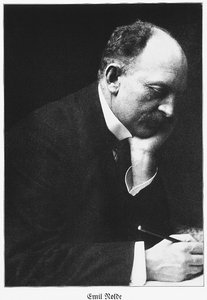
Nolde Emil
1867 - 1956 , Németország
Gyors információk
- Artistic Movement Or Style: Északi expresszionizmus, Die Brücke
- Artists Or Movements Influenced By This Artist: ['Rothko']
- Artists Who Influenced This Artist:
- Van Gogh
- Gauguin
- Date Of Birth: 1867. augusztus 7.
- Date Of Death: 1956. április 15.
- Full Name: Emil Nolde / Hans Emil Hansen
- Nationality: német-dán
- Notable Artworks:
- A Krisztus gúnyolása
- Virágkert
- Tengerpart
- Place Of Birth: Nolde, Schleswig-Holstein
Kapcsolódó cikkek

A Német Expresszionizmus 10 Mesterműve: Érzelmek és Forradalom a Falakon
Fedezze fel a Német Expresszionizmus 10 legikonikusabb műalkotását! Kirchner, Munch és más német mesterek érzelmi festményeinek történetét bemutatva. Vászonképek, faliképek otthonába – OriginalUniqueArt.com kínálata.

Giclée Prints: Archival Quality & Aesthetic Nuances for the Discerning Collector
Explore the world of giclée prints with OriginalUniqueArt. Learn about archival quality, aesthetic nuances & investment potential. Expert guidance for discerning art collectors seeking museum-quality reproductions and lasting value.

The Enduring Legacy of Fine Art Prints: Technique, History & Aesthetic Impact
Explore the rich history & techniques of fine art prints. Discover investment potential, assess authenticity, and learn how to preserve your collection with expert guidance. Trusted insights for discerning collectors.

Echoes of Time: Exploring the Enduring Appeal & Historical Context of Vintage Art Prints
Explore the captivating world of vintage art prints! Discover their history, collecting tips & enduring appeal. Expert insights on chromolithography and building a legacy collection with OriginalUniqueArt.

Merész Művészet: 10 Klasszikus Kép, Amik Bátorítanak és Inspirálnak – OriginalUniqueArt.com
Fedezze fel a 10 legmerészebb műalkotást! Van Gogh, Munch és Picasso remekművei inspirálnak. Expresszionizmus, absztrakt festmények – online képkereső és minőségi reprodukciók a OriginalUniqueArt.com-on. Otthoni dekorációhoz vagy művészeti gyűjteményébe! Fedezze fel az összes mesterművet a OriginalUniqueArt.com oldal

