

 Megtekintés
 Küldés
 Megosztás
 Részletek

 Letöltés
 Hasonló darabok
 X-ray felvétel
 Diavetítés
River Scene with Barges
 Impressionism
 1868
1868 30.0 x 50.0 cm
 Összes részlet megjelenítése
Giclée / Műnyomat
Múzeumi minőségű giclée vagy vászonnyomat, gyors gyártással és rugalmas finomítási lehetőségekkel. ( Kézzel festett másolat rendelése Kép letöltése)




































Válasszon előre meghatározott méreteink közül, amelyek megfelelnek a műalkotás eredeti arányainak.

Megadhat saját méreteket is egy konkrét kerethez vagy helyszínhez igazítva. Amennyiben a kiválasztott méret nem egyezik az eredeti kép arányokkal, a műalkotást le fogjuk vágni, vagy kiegészítjük a képet tükrözött vagy egyszínű szélekkel. A gyártás megkezdése előtt egy digitális tervezetet küldünk jóváhagyásra.
Kérjük, vegye figyelembe, hogy a képernyőn látható előnézet nem tükrözi a tényleges levágást vagy kiegészítést. Csak a tervezet mutatja pontosan a végső kompozíciót.
Bár az egyedi méretek is elérhetőek, az eredeti arányok megőrzése érdekében azt javasoljuk, hogy válasszon a előre meghatározott listából származó méretet.
Világszerte történő kiszállítás területére mindössze 2 hét alatt, a szokásos 4-5 hét helyett. (29 augusztus)

Ingyenes globális expressz szállítás

Prémium minőségű len vászon

Teljes körű szállítási biztosítás

Vámvisszatérítési Garancia

Hiteles színpontosság garancia

60 napos visszaküldési lehetőség (csak hibás termékek esetén)

100% pénzvisszatérítési garancia

Több darab vásárlása esetén kedvezmény
 Az üvegkeretes opció csak 110 cm alatti méretben érhető el

River Scene with Barges
Giclée / Műnyomat
Reprodukció mérete
-


Összesített ár
$ 80
A művész életrajza
The Serene Vision of Émile Charles Lambinet
In the heart of the nineteenth century, as the rigid structures of academic art began to yield to a more profound connection with the natural world, Émile Charles Lambinet emerged as a master of quietude. Born in 1813 into a family of artists in Paris, his very existence was woven into the fabric of French creativity. While many of his contemporaries sought the dramatic and the heroic, Lambinet turned his gaze toward the subtle rhythms of the countryside. His life, which took him from the vibrant streets of Paris to the tranquil reaches of Bougival, was a continuous dialogue with the landscape, a lifelong endeavor to capture the fleeting atmospheric nuances that define the soul of rural France.
Lambinet’s artistic identity was forged through a lineage of exceptional mentors. He began his studies under Horace Vernet and Antoine-Félix Boisselier, receiving a rigorous foundation in technical precision. However, it was his encounter with the legendary Jean-Baptiste-Camille Corot that would irrevocably alter his artistic trajectory. Under Corot’s guidance, Lambinet moved away from mere topographical accuracy toward an emotive interpretation of nature. This relationship instilled in him a deep reverence for the Fontainebleau Forest and taught him to prioritize atmospheric perspective—the way light and mist soften the edges of the world—over dramatic composition. This influence placed him at the very heart of the Barbizon School, a movement dedicated to the honest, unadorned observation of the earth.
A Mastery of Atmosphere and Light
The works of Lambinet are characterized by an almost meditative stillness, inviting the viewer into a world where time seems to slow. His technique was rooted in the meticulous study of watercolors and sketches, which he translated onto canvas with a sophisticated understanding of tonal gradation. Unlike the theatrical landscapes of the previous era, Lambinet’s canvases often feature muted palettes and hazy, luminous skies that evoke the specific mood of a particular moment. Whether depicting a river scene or a coastal view, his brushwork serves to create a sense of depth and humidity, making the air itself feel tangible.
His subject matter frequently celebrated the harmonious coexistence of humanity, animals, and the environment. In masterpieces such as English Landscape (1859), one finds a delicate balance of life:
- The presence of pastoral life: Figures resting by water or tending to cattle, integrated seamlessly into the scenery.
- The interplay of light and water: Reflections on river surfaces that capture the shimmering essence of the Seine or similar waterways.
- The dignity of the mundane: A focus on bridges, farmyards, and quiet meadows that elevate everyday rural existence to the level of high art.
Legacy and Historical Significance
Though he lived a relatively private life in the Yvelines department, Lambinet’s contribution to the evolution of landscape painting remains profound. He stood as a bridge between the classical training of the academy and the modern pursuit of sensory truth. His ability to eschew grand narratives in favor of tranquil landscapes allowed him to capture a version of France that was both timeless and deeply personal. Today, his works serve as vital historical documents of a nineteenth-century landscape before the rapid onset of industrial transformation.
The enduring legacy of Émile Charles Lambinet is found in the emotional resonance of his quietest moments. He taught us that there is as much majesty in a grazing cow by a riverbank as there is in a mountain peak, and that the true essence of nature lies in its ability to inspire peace. His paintings remain a testament to the power of observation and the enduring beauty of the natural world, preserved for generations to admire the soft light of a bygone era.

emile charles lambinet
1813 - 1877
A művészről röviden
- Artistic Movement Or Style: Barbizon School
- Artists Or Movements Influenced By This Artist: ['Impressionism']
- Artists Who Influenced This Artist:
- Jean-Baptiste Camille Corot
- Gustave Courbet
- Date Of Death: 1877
- Full Name: Émile Charles Lambinet
- Nationality: French
- Notable Artworks:
- The Seine at Bougival
- Landscape with Trees
- Place Of Birth: Paris, France
Kapcsolódó cikkek

A 10 legikonikus impresszionista tájkép: Művészeti remekművek otthonába – OriginalUniqueArt.com
Fedezze fel a 10 legikonikus impresszionista tájkép festményt! Monet, Renoir és más mesterek alkotásainak története. Olajfestmények, vászonképek otthonába – OriginalUniqueArt.com kínálatából. Explore the full collection online!

John Constable 25 Mesterműve: A Természet Lényege Vászonon – OriginalUniqueArt.com
Fedezze fel John Constable 25 legszebb művészeti alkotását! Ismerje meg a romantika ikonikus tájképeit, Dedham Vale szépségét és a természet lenyűgöző ábrázolásait. Vászonkép reprodukcióinkkal eleganciát csempészhet otthonába – OriginalUniqueArt.com

A 10 legikonikus impresszionista tájkép: művészeti remekművek otthonába | OriginalUniqueArt.com
Fedezze fel a 10 legikonikus impresszionista tájkép festményt! Monet, Renoir, Degas és más művészek remekművei. Vászonképek, faliképek otthonába – inspirálódjon OriginalUniqueArt.com-on! Explore the full collection online.
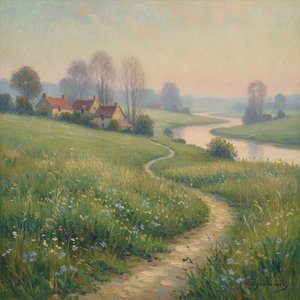
Whispers of the Meadow: Capturing the Serenity of the Quiet Countryside in Impressionist Masterpieces
Embark on a visual journey through Impressionist masterpieces. Discover how masters like Monet and Renoir captured the serene beauty of the countryside through light, color, and emotion. Explore timeless landscapes designed to bring tranquility and cultural elegance to your home sanctuary.

Flowing Narratives: Rivers in Painting – A Historical Exploration
Explore the rich history of rivers in painting! Discover masterpieces from ancient times to Impressionism & beyond. Learn about symbolism, artists like Monet & Daubigny, and find your perfect serene artwork at OriginalUniqueArt.

