
 Megtekintés
 Küldés
 Megosztás
 Részletek
 Útmutató

 Letöltés
 Hasonló darabok
 X-ray felvétel
 Diavetítés
 Kérdések és válaszok
 Statisztika
Interior with a Lady Playing the Virginal


 Összes részlet megjelenítése
Giclée / Műnyomat
Múzeumi minőségű giclée vagy vászonnyomat, gyors gyártással és rugalmas finomítási lehetőségekkel. ( Kézzel festett másolat rendelése Áttérés digitális képre)




P118B Ft10

P118H Ft10

P118W Ft10

P438Z Ft10

P508JH Ft12

P508YH Ft12

P805H Ft10

P805Z Ft10

P919BZ Ft10

P919G Ft10

P919XJ Ft10

P959ZH Ft10

P968JZ Ft12

W106C Ft8

W218G Ft10

W218JH Ft8

W218Y Ft10

W307PJ Ft10

W316G Ft10

W316PJ Ft8

W316Y Ft10

W398PJ Ft8

W4111J Ft10

W500HY Ft15

W500JH Ft15

W692G Ft12

W849H Ft8

W940BG Ft15

W953PJ Ft8




Válasszon előre meghatározott méreteink közül, amelyek megfelelnek a műalkotás eredeti arányainak.

Írja be a keretének vagy a falának megfelelő szélességet és magasságot. A nyomatot csak le lehet vágni, soha nem tehető nagyobbá, mint az eredeti kép, így egy eltérő alakú méretnél a kép egy része elveszik. Mielőtt bármit kinyatintanánk, küldünk egy digitális próbamodellt jóváhagyásra. Az oldalon látható kép nem tartalmazza a valós levágást — ezt csak a próbamodell mutatja meg.
Világszerte történő kiszállítás területére mindössze 2 hét alatt, a szokásos 4-5 hét helyett. (7 november)

Ingyenes globális expressz szállítás

Prémium minőségű len vászon

Teljes körű szállítási biztosítás

Vámvisszatérítési Garancia

Hiteles színarányosság garancia

100 napos visszaküldési lehetőség (csak hibás termékek esetén)

100% pénzvisszatérítési garancia

Több darab vásárlásakor kedvezmény
 Az üvegkeretes opció csak 110 cm alatti méretben érhető el

Interior with a Lady Playing the Virginal
Giclée / Műnyomat
Reprodukció mérete
-


Összesített ár
Ft 26396
A Glimpse into Dutch Golden Age Intimacy
Emanuel de Witte’s “Interior with a Lady Playing the Virginal” isn't merely a painting; it’s a carefully constructed invitation. Completed around 1665, this oil on canvas transports us to a private chamber within a grand Dutch house, radiating an atmosphere of quiet contemplation and subtle drama. De Witte, a master of capturing the essence of space and light, eschews the meticulous architectural documentation favored by his contemporary, Pieter Saenredam, instead focusing on the *feeling* of being present within this intimate scene. The painting whispers stories of domestic life, musical performance, and perhaps even a touch of melancholy – all rendered with an exquisite sensitivity to color, texture, and the play of light.
The composition is immediately arresting. A woman, elegantly dressed and absorbed in her music, dominates the central space. She plays a virginal, a keyboard instrument popular during the period, its intricate workings hinted at by the surrounding instruments – a violin resting against a wall and a harpsichord subtly visible in the background. The room itself is richly detailed: a checkered floor suggesting a sense of order, a chandelier casting a warm glow, and two figures observing the performance from doorways—one standing, one seated. De Witte’s skill lies not just in depicting these objects but in creating an illusion of depth and perspective that draws us into the scene.
The Language of Light and Shadow
De Witte's mastery of chiaroscuro – the dramatic contrast between light and shadow – is central to the painting’s power. He doesn’t simply illuminate the room; he sculpts it with light, creating a sense of intimacy and drawing our attention to key elements. The light source, unseen but implied, casts long shadows that define the forms of the furniture and figures, adding a layer of mystery and sophistication. Notice how the light catches the woman's face, highlighting her expression of concentration, while leaving other areas in soft shadow. This technique isn’t just aesthetic; it contributes to the painting’s overall mood – a blend of serenity and quiet introspection.
The use of color is equally deliberate. De Witte employs a restrained palette of browns, golds, and reds, creating a harmonious and refined atmosphere. The rich hues of the fabrics and furniture are subtly contrasted with the cooler tones of the walls and floor, further enhancing the sense of depth and perspective. He avoids bright, flashy colors, opting instead for muted shades that evoke the warmth and comfort of a domestic setting.
Symbolism and Context
“Interior with a Lady Playing the Virginal” is more than just a snapshot of 17th-century life; it’s laden with symbolism. The virginal itself represents refinement, education, and musical skill – qualities highly valued in aristocratic society. The presence of multiple instruments suggests a gathering or performance, hinting at social interaction and cultural pursuits. Some art historians interpret the scene as a meditation on love and erotic melancholy, perhaps referencing the fleeting nature of beauty and pleasure. The figure observing from the doorway could represent an unspoken longing or a detached contemplation of domestic life.
Created during the Dutch Golden Age, a period of unprecedented prosperity and artistic flourishing, the painting reflects the values and sensibilities of the time. De Witte’s work aligns with the broader trends of the era – a fascination with interior spaces, an interest in capturing fleeting moments of everyday life, and a commitment to realism and naturalism. The painting is currently housed at the Museum Boijmans Van Beuningen in Rotterdam, offering visitors a chance to experience this remarkable masterpiece firsthand.
A Timeless Masterpiece
Emanuel de Witte’s “Interior with a Lady Playing the Virginal” remains a captivating work of art, demonstrating his exceptional skill and artistic vision. Its evocative atmosphere, masterful use of light and shadow, and subtle symbolism continue to resonate with viewers today. Whether you're an art enthusiast, a collector seeking a piece of Dutch history, or simply someone looking for a beautiful addition to your home, this painting offers a glimpse into a bygone era – a world of refined elegance, quiet contemplation, and enduring artistic beauty.
Kérdések és válaszok
Milyen kontraszt jellemzi a „Interior with a Lady Playing the Virginal”, De Witte Emanuel alkotása alkotást?
A „Interior with a Lady Playing the Virginal”, De Witte Emanuel alkotása kontrasztját Serene teszi.
Hogyan építhető be „Interior with a Lady Playing the Virginal”, De Witte Emanuel alkotása a lakberendezésbe?
A "Interior with a Lady Playing the Virginal" művet Statement célokra javasoljuk, a legalkalmasabb helyszín pedig egy Living Room.
Hol tudok nyomtatványt vásárolni a(z) „Interior with a Lady Playing the Virginal”, De Witte Emanuel alkotása alkotásból?
A „Interior with a Lady Playing the Virginal”, De Witte Emanuel alkotása nyomtatott példányát egyszerűen megrendelheti a következő oldalon: minőségi giclée nyomat pamutvászonon vagy archiváló vászonpapíron, a Művészeti nyomtatvány kautta.
A művész életrajza
A Life in Perspective: The World of Emanuel de Witte
Emanuel de Witte, egy kevésbé azonnal felismerhető, mint néhány korabeli holland aranykorú társát, mégis jelentős és lenyűgöző helyet foglal el a 17. századi mesterek pantheonában. 1617-ben született Alkmaarban, De Witte művész útja mindkét módon – kiváló tehetség és jelentős személyes zűrzavar – egy olyan kettősséggel koronázódott, ami láthatóan beépül a festményeinek atmoszférájába. Nem volt hajaművészi célja Pieter Saenredam szigorú épületi dokumentációjának; inkább az űr érzését, a fény minőségét és a belső sírokban kibontakozó finom drámát akarta megfogalmazni. A vásznai nem egyszerűen templomok ábrázolásai; bevonódó élmények, amelyek arra hívják a nézőt, hogy lépjen bele egy csendes kontempláció és spirituális rézonanciák világába.Delfti iskola – A képzés alapjai
De Witte korai élete biztosította az művészi törekvéseinek alapjait. Apja, a tanító, elismerést szült neki a tanulás iránti érdeklődés és az intellektuális kíváncsiság – tulajdonságok, amelyek később megnyilvánultak a perspektívára és a fényre való gondos megfigyelésében. Formálisan lépett be a művész világba 1636-ban, amikor csatlakozott St Luke Egyesülethez Alkmaarban, de az azt követő, Evert van Aelst-hez, Delftben található festőművészhöz való tanulás volt különösen megalapozó. Van Aelst, a hírnévvel bíró tálléptartó festő, De Witte-nek finom szemlét tanított a részletekre és mesteri irányítást a fény és árnyék kezelésében – képességek, amelyek meghatározói lettek a felnőtt stílusának jellegzetességei. Kezdetben De Witte különböző műfajokat próbált ki – portrékat, mitológiai jeleneteket, vallási történeteket, de csak 1651-ben, amikor eltelepült Ámterdamban, megtalálta igazi hivatását. A város gazdagsága lenyűgöző templomai végtelen ihletforrást biztosítottak, és elkezdte a templomok csodálatos belső tereinek ábrázolásával specializálódni.A fény és az űr mestere
Ámterdam kulcsfontosságú volt De Witte művészi fejlődéséhez. Nem egyszerűen másolta le a meglévő templomtereket; hanem ügyesen kombinálta különböző épületek elemeit, így ideáltól elütő belső tereket teremtett, amelyek egyszerre ismerősnek és finoman szokatlanok tűntek fel. Az Oude Kerk Ámterdam rendszeresen jelent meg a vásznain számos perspektivából. De ezek nem egyszerű ábrázolások voltak; De Witte manipulálta a perspektívát, játszott a fényekkel és árnyakkal, és gondosan elhelyezett alakokat állított be, hogy egy adott hangulatot vagy atmoszférát teremtsen. Walter Liedtke megfigyelése szerint elsődleges érdeke nem maga az épület volt, hanem „az űr maga – fénye, színe, egyszerű kiterjedése és hangulata”. Ez a fényes hatásnak való hangsúlyozása különíti el tőle az időszak más szigorúan topográfiai festőit. Nem törődött a pontos pontossággal; inkább egy *érzés* teremtését akarta, nagyság, imádhatóság és spirituális mélység érzetét.A személyes tragédia árnyai
Bár De Witte művészi sikerei voltak, az élete személyes nehézségekkel volt megterhelt. Első felesége halálának mély fájdalma jelentkezett, és a későbbi jogi problémák, amelyek második feleségével és lányával kapcsolatosak voltak, hosszú árnyékot vetettek későbbi éveire. A pénzügyi nehézségek elvezették őt a méltóságvesztő helyzetbe, azaz a műkereskedő Joris de Wijs szolgálatba kerülésébe, egy helyzetet, amelyet végül megszegtek, ami további komplikációkat okozott. A kortársak leírásai egy nyugtalanságos temperamentumot festik, egyembert, aki hangosan vitatkozott a vásárlókkal és beavatkozott vitákba. Ez a belső zűrzavar talán hozzájárult későbbi munkáinak egyenetlenségéhez, de az is hozzáadott egy további rést az művész megértéséhez és alkotásaihoz. Tragikus módon De Witte élete 1692-ben végződött, amikor azt mondták, hogy öngyilkosságot hajtott végre a csatornába függve; a kötelék elrúgott, és hanyatt zuhant. Egy szomorú befejezés volt egy ember számára, aki az életét annak a szépségnek és békénél tartotta, hogy imádhatatlan helyeket ábrázoljon.A örökség és a befolyás
Emanuel de Witte a holland barokk művészetének utolsó szakaszában álló fontos alakja, amely összeköt egy szigorú dokumentáció és atmoszférikus interpretáció között. Innovatív fény és perspektivahasználata befolyásolta az utódjait, és alkotásai értékes betekintést nyújtanak a 17. századi holland vallási életbe és társadalmi szokásokba. Ma De Witte művei tartják a Metropolitan Museum of Art-ban New Yorkban, a Nemzeti Galériában Washingtonban, D.C.-ben és a Rijksmuseumban Ámterdamban, számos kiemelkedő gyűjteményben – bizonyítékul az ő örökségére mint fényes perspektívák, atmoszferek és érzelmi rézonanciák mestere. Megemlékezünk róla, hogy nem csak azt látjuk meg, amit, hanem hogyan érezzük, amikor nézzük.
De Witte Emanuel
1617 - 1692 , Holland
Rövid információk
- Artistic Movement Or Style: Barokk festészet
- Artists Or Movements Influenced By This Artist: ['Utóbbani művészek']
- Artists Who Influenced This Artist: ['Evert van Aelst']
- Date Of Birth: 1617
- Date Of Death: 1692
- Full Name: Emanuel de Witte
- Nationality: Hollandi
- Notable Artworks:
- Oude Kerk, Amsterdam
- Nieuwe Kerk, Amsterdam
- Place Of Birth: Alkmaar, Hollandia
Kapcsolódó cikkek

A Hollandi Aranykor 10 Mesterműve: Festmények, Amelyek Megváltoztatták a Világot | OriginalUniqueArt.com
Fedezze fel a Hollandi Aranykor 10 legikonikusabb műalkotását! Rembrandt, Vermeer és más mesterek festményeinek történeteit olvassa el. Barokk stílus, klasszikus művészet – inspirálódjon otthon dekorációjához a OriginalUniqueArt.com-on! Fedezze fel a teljes gyűjteményt online.

Mastering Light & Shadow: A Journey Through the Dutch Golden Age's Luminous Legacy
Embark on a cultural journey through the Dutch Golden Age. Explore the masterful interplay of light and shadow in 17th-century masterpieces, from Rembrandt to Vermeer, and discover how this era of profound realism continues to inspire fine art collectors today.

Golden Light & Dutch Skies: The Timeless Magic of Dutch Golden Age Landscapes
Discover the breathtaking beauty of Dutch Golden Age landscapes. Explore the mastery of light, chiaroscuro, and 17th-century realism through an expert art history lens, celebrating the enduring legacy of the Dutch Masters for discerning collectors and art lovers.

Golden Age Reflections: Dutch Baroque Painting & Cultural Innovation
Explore the Dutch Golden Age of painting! Discover key artists like Vermeer & ter Borch, their innovative techniques, and the rich cultural context behind these Baroque masterpieces. Learn about collecting & appreciating this iconic art period.
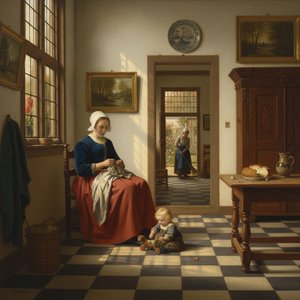
Pieter de Hooch: Illuminating Dutch Domestic Life & Golden Age Charm
Explore the captivating world of Pieter de Hooch, a master of Dutch Golden Age painting. Discover his innovative use of light, intimate domestic scenes, and lasting influence on art history. Learn more at OriginalUniqueArt.