Megtekintés
 Küldés
 Megosztás
 Részletek
 Útmutató

 Letöltés
 Hasonló darabok
 X-ray felvétel
 Diavetítés
 Q&A
Q&A Statisztika
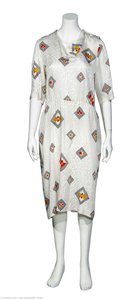
The Circus Collection


 Összes részlet megjelenítése
Az ezen az oldalon megjelenített műalkotások szerzői jogi védelem alatt állnak, ami azt jelenti, hogy törvényileg nem készíthetünk és nem adhatunk el belőlük pontos másolatokat. Ez a védelem olyan nemzetközi megállapodások alapján érvényesül, mint például a Berni Egyezmény és a nemzeti jogszabályok által, beleértve azokat is, amelyeket meghatározott Az USA szerzői jogi törvénye – 17. cím.
Ez a módszer teljes mértékben megfelel a szerzői jogi szabályozásnak, mivel nem tartalmazza a védett műalkotás másolását vagy duplikálását. Ehelyett ez egy kreatív újinterpretáció – egy új festmény, amely az eredetivel való összefüggései miatt hatással van rá, de nem az az.
Giclée / Műnyomat
Múzeumi minőségű giclée vagy vászonnyomat, gyors gyártással és rugalmas finomítási lehetőségekkel. ( Kézzel festett másolat rendelése Áttérés digitális képre)




P118B Ft10

P118H Ft10

P118W Ft10

P438Z Ft10

P508JH Ft12

P508YH Ft12

P805H Ft10

P805Z Ft10

P919BZ Ft10

P919G Ft10

P919XJ Ft10

P959ZH Ft10

P968JZ Ft12

W106C Ft8

W218G Ft10

W218JH Ft8

W218Y Ft10

W307PJ Ft10

W316G Ft10

W316PJ Ft8

W316Y Ft10

W398PJ Ft8

W4111J Ft10

W500HY Ft15

W500JH Ft15

W692G Ft12

W849H Ft8

W940BG Ft15

W953PJ Ft8




Válasszon előre meghatározott méreteink közül, amelyek megfelelnek a műalkotás eredeti arányainak.

Írja be a keretének vagy a falának megfelelő szélességet és magasságot. A nyomatot csak le lehet vágni, soha nem tehető nagyobbá, mint az eredeti kép, így egy eltérő alakú méretnél a kép egy része elveszik. Mielőtt bármit kinyatintanánk, küldünk egy digitális próbamodellt jóváhagyásra. Az oldalon látható kép nem tartalmazza a valós levágást — ezt csak a próbamodell mutatja meg.
Világszerte történő kiszállítás területére mindössze 2 hét alatt, a szokásos 4-5 hét helyett. (2 november)

Ingyenes globális expressz szállítás

Prémium minőségű len vászon

Teljes körű szállítási biztosítás

Vámvisszatérítési Garancia

Hiteles színarányosság garancia

100 napos visszaküldési lehetőség (csak hibás termékek esetén)

100% pénzvisszatérítési garancia

Több darab vásárlásakor kedvezmény
 Az üvegkeretes opció csak 110 cm alatti méretben érhető el

The Circus Collection
Giclée / Műnyomat
Reprodukció mérete
-


Összesített ár
Ft 26201
The Surrealist Echoes of “The Circus Collection”
Elsa Schiaparelli’s “The Circus Collection,” debuting in Paris during the summer of 1938, stands as an emblem of her singular artistic vision—a defiant rejection of convention fused with a fascination for theatrical spectacle and unsettling beauty. More than just a fashion show; it was a meticulously crafted performance designed to shock and delight audiences accustomed to the polished elegance of established couture houses. Presented against the backdrop of escalating anxieties surrounding the impending Second World War, Schiaparelli’s collection served as an audacious assertion of artistic freedom—a bold declaration that creativity could transcend political pressures. The influence of Surrealism permeated every aspect of its conception, from the whimsical motifs adorning the garments to the deliberate manipulation of textures and forms. This collaboration between Schiaparelli and Salvador Dalí cemented her reputation as a pioneer of visual experimentation, propelling her into the forefront of European avant-garde culture.- Subject Matter: The collection’s central theme revolved around the circus—a realm of illusion, transformation, and primal instinct. Schiaparelli skillfully employed imagery associated with acrobats, elephants, tents, clowns, and performers to evoke a sense of dynamism and theatrical grandeur.
- Style: Surrealist aesthetics dominated the aesthetic sensibilities of “The Circus Collection.” The designs eschewed traditional silhouettes, favoring asymmetrical shapes and exaggerated proportions that challenged conventional notions of femininity. Schiaparelli’s penchant for trompe l'œil—optical illusions designed to deceive the eye—was particularly evident in the fabric prints and embellishments.
- Technique: The fabrics utilized in “The Circus Collection” were chosen with deliberate care, reflecting Schiaparelli’s commitment to textural contrast and innovative craftsmanship. Silk twill was employed as the primary material for the dresses and jackets, providing a sturdy foundation for intricate embroidery and appliqué techniques. Metallic thread—particularly gold—was extensively incorporated into the embellishments, lending an opulent sheen that amplified the collection's theatrical impact.
Symbolism: Horses, Transformation, and Illusion
The recurring motif of rearing horses—rendered in shades of blue embellished with metallic thread—served as a potent symbol within “The Circus Collection.” Horses traditionally represent strength, nobility, and untamed spirit—qualities Schiaparelli sought to embody through her designs. Furthermore, the horse’s upward gaze conveyed a sense of aspiration and transcendence—a visual allusion to Dalí's fascination with metamorphosis and transformation. The trompe l'œil fabric prints—featuring stylized depictions of acrobats and performers—reinforced this thematic preoccupation with illusion and deception. Schiaparelli deliberately manipulated perspective and scale to create optical illusions that blurred the boundaries between reality and fantasy, mirroring the Surrealist impulse to destabilize viewers’ perceptions.- Horses: Representing strength and nobility, the horses were embroidered in shades of blue embellished with metallic thread—a deliberate choice to convey aspiration and transcendence.
- Trompe l'œil Prints: Schiaparelli employed optical illusions to create a sense of disorientation and wonder—reflecting Surrealist principles of destabilizing viewers’ perceptions.
- Fabric Texture: The silk twill fabric was chosen for its textural contrast, enhancing the collection’s visual richness and amplifying its theatrical impact.
Emotional Impact: Shocking Beauty and Artistic Rebellion
“The Circus Collection” aimed to provoke an emotional response in viewers—challenging their expectations of haute couture and affirming Schiaparelli's unwavering conviction that art could transcend societal norms. The collection’s audacious color palette—dominated by vibrant hues like magenta and turquoise—contributed to its arresting visual appeal. More importantly, Schiaparelli’s designs communicated a palpable sense of rebellion against convention—a defiant assertion of artistic freedom in the face of prevailing cultural pressures. By embracing Surrealist aesthetics and employing innovative techniques, Schiaparelli created garments that captivated audiences with their unsettling beauty and intellectual provocation. The collection remains an enduring testament to Schiaparelli's pioneering spirit—a celebration of imagination and a rebuke to complacency.Concluding Remarks: A Legacy of Surrealist Innovation
Ultimately, “The Circus Collection” solidified Elsa Schiaparelli’s position as one of the foremost figures in 20th-century fashion—a visionary designer who irrevocably altered the landscape of haute couture. Her collaboration with Dalí—characterized by a shared commitment to visual experimentation and intellectual provocation—established her reputation as a champion of Surrealist ideals. As a result, Schiaparelli’s work continues to inspire artists and designers today—serving as an enduring reminder that true creativity resides in challenging established conventions and embracing the transformative power of imagination.Kérdések és válaszok
Hol találhatok egy útmutatót a(z) "The Circus Collection" alkotáshoz?
A "The Circus Collection" útmutatója a mű Útmutató oldala – egy kinyomtatható adatlap, amely bemutatja a művet a leírással, a szerzői megjegyzéssel és az azonosító táblázattal (művész, dátumok, technika, eredeti méret, gyűjtemény) együtt.
Milyen színpaletta jellemzi a(z) „The Circus Collection”, Schiaparelli alkotása alkotást?
A „The Circus Collection”, Schiaparelli alkotása színek palettáját úgy jellemzik, mint Neutrals. Ez a mű színeinek tömör leírása.
Mit ábrázol a "The Circus Collection"?
A "The Circus Collection" alkotás tárgyai: fashion, surrealism, haute couture, elsa schiaparelli, dalí collaboration, jewelry, circus theme.
A művész életrajza
A Rebel Spirit in Haute Couture: The World of Elsa Schiaparelli
Elsa Luisa Maria Schiaparelli, a name that will forever be linked to audacious style and surrealist innovation, fundamentally reshaped the landscape of 20th-century fashion. Born into an aristocratic Roman family in 1890, her life was anything but conventional—a deliberate departure from the expected paths laid out for women of her social standing. Unlike many of her contemporaries who embraced established societal norms and sought acceptance within traditional structures, Schiaparelli possessed a fiercely independent spirit, fueled by intellectual curiosity and an unyielding desire to challenge conventions. Her father, Celestino Schiaparelli, a distinguished scholar specializing in Islamic studies and Sanskrit, cultivated an environment rich with learning and philosophical inquiry—a stark contrast to the often restrictive atmosphere of aristocratic life. Equally significant was her uncle, Giovanni Schiaparelli – a renowned astronomer celebrated for his groundbreaking observations of Martian “canals” – whose fascination with the cosmos and the unknown ignited within Elsa a lifelong curiosity about the unconventional and the extraordinary. This unique upbringing, steeped in both intellectual rigor and cosmic wonder, instilled in her a profound love for art, mythology, and esoteric thought—elements that would profoundly shape her distinctive aesthetic vision and inform her revolutionary approach to fashion design. Early rebellious tendencies manifested not only in defying societal expectations but also in a series of personal challenges, including a tumultuous marriage to the enigmatic Wilhelm de Kerlor, a self-proclaimed psychic whose influence further propelled her into a world of spiritualism and occult practices—themes that subtly yet powerfully permeated her later designs.From Knitwear to Surrealist Statements: The Rise of a Fashion House
Schiaparelli’s initial foray into the world of fashion was driven by a pragmatic desire for creative expression, born from a dissatisfaction with the prevailing styles of the era. She began her career in the late 1920s experimenting primarily with knitwear—a field she recognized as underserved by designers seeking comfortable yet sophisticated clothing. Recognizing a gap in the market, Schiaparelli established her own fashion house in Paris in 1927, quickly expanding beyond simple knitwear to encompass a full range of haute couture designs. However, it was during the 1930s that Schiaparelli truly came into her own, forging groundbreaking collaborations with leading artists of the Surrealist movement—a pivotal moment that would define her legacy and set her apart from her contemporaries. This period marked a radical departure from the prevailing elegance of Parisian fashion, characterized by flowing silhouettes and understated glamour. The Surrealists, fascinated by dreams, irrationality, and the subconscious, offered Schiaparelli a fertile ground for experimentation. Her designs were deliberately provocative, playful, and often unsettling—challenging conventional notions of beauty and embracing the absurd. She didn’t simply create clothes; she crafted visual narratives that invited interpretation and sparked conversation. Her partnerships with artists like Salvador Dalí and Jean Cocteau proved particularly fruitful, resulting in iconic creations that continue to captivate audiences today.Shocking Pink and Trompe-l'œil: Defining a Unique Aesthetic
Schiaparelli’s designs were instantly recognizable for their bold use of color, most notably her signature “shocking pink”—a vibrant, almost aggressive hue that defied the muted palettes favored by many of her contemporaries. This audacious choice became emblematic of her rebellious spirit and her determination to challenge established norms—a statement of individuality in a world increasingly dominated by conformity. Beyond color, Schiaparelli masterfully employed *trompe-l'œil* effects—creating illusions that blurred the boundaries between art and fashion. She incorporated unexpected materials into her designs – leather, metal, even newspaper print – pushing the limits of textile innovation and demonstrating a willingness to experiment with unconventional forms. Her collections often drew inspiration from mythology, nature, and everyday objects, transforming them into wearable works of art. The Circus Collection of 1938 stands as a particularly striking example of this playful approach, featuring theatrical costumes adorned with whimsical motifs and exaggerated silhouettes—a celebration of fantasy and spectacle. The use of *trompe-l'œil* wasn’t merely decorative; it was integral to her artistic vision, adding layers of meaning and complexity to each garment. An Evening Coat from 1936 showcased her daring use of leather in high fashion, demonstrating her ability to seamlessly blend traditional couture techniques with avant-garde concepts.Key Collaborations and Lasting Influence
Schiaparelli’s most celebrated collaborations cemented her place as a true visionary. Her partnership with Salvador Dalí produced some of the most iconic images in fashion history, including the Lobster Dress (1937), featuring a vibrant lobster painted onto silk—a surrealist masterpiece that continues to fascinate and inspire. The Shoe Hat (1938)—a headpiece shaped like a high-heeled shoe—is another testament to their creative synergy, demonstrating a playful subversion of traditional fashion norms. Jean Cocteau’s contributions, particularly his intricate embroidery designs, added further depth and artistry to Schiaparelli's collections. Beyond these specific collaborations, Schiaparelli’s influence extended throughout the fashion industry. She challenged conventional notions of beauty, embraced experimentation, and paved the way for future designers to incorporate artistic elements into their work. Her legacy is evident in the continued appreciation of her designs and the enduring fascination with her unique aesthetic—a testament to her pioneering spirit and her unwavering commitment to creative expression. Despite facing financial difficulties and a decline in popularity after World War II, Schiaparelli’s influence remains undeniable, solidifying her place as one of the most revolutionary figures in fashion history.Major Achievements
- 1927: Establishes her own fashion house in Paris.
- 1930s: Forges groundbreaking collaborations with Surrealist artists like Salvador Dalí and Jean Cocteau.
- 1937: Creates the iconic Lobster Dress, a collaboration with Salvador Dalí.
- 1938: Designs the Shoe Hat, another iconic creation by Schiaparelli and Dalí.
- 1954: Closes her fashion house after decades of success.

Schiaparelli
1890 - 1973 , Olaszország
Rövid információk
- Artistic Movement Or Style: Surrealista divat
- Artists Or Movements Influenced By This Artist: ['Korszerű tervezők']
- Date Of Birth: 1890
- Date Of Death: 1973
- Full Name: Elsa Luisa Maria Schiaparelli
- Nationality: Olasz
- Notable Artworks:
- Lobster ruházat
- Búbomszínű kalap
- Este kabát
- Place Of Birth: Róma, Olaszország
Kapcsolódó cikkek

Salvador Dalí 25 Mesterműve: Az Élet és Álmaink Rejtélyei – OriginalUniqueArt
Fedezze fel Salvador Dalí 25 legikonikusabb művészeti alkotását! Ismerje meg a szürrealizmus mesterének álomképeit, festményeit és egyedi stílusát. Múzeumi minőségű reprodukciók és inspiráló dekorációs ötletek – OriginalUniqueArt.com.

Decoding Dalí: The Secrets of the Paranoiac-Critical Method and Surrealist Symbols
Unlock the mysteries of Salvador Dalí. Explore the profound secrets behind his Paranoiac-Critical Method and decode the surrealist symbols that define his legendary dreamscapes in this expert art history guide.
A szürrealizmus 10 legikonikusabb mesterműve – Vásároljon művészetet online a OriginalUniqueArt-on!
Fedezze fel a szürrealizmus 10 legmeghatározóbb műalkotását! Salvador Dalí, René Magritte és más ikonikus festők álomképei. Vásároljon exkluzív reprodukciókat a OriginalUniqueArt-on – otthona elegáns dekorációjához!

Decoding Dalí: The Paranoiac-Critical Method and Surrealist Symbols Explained
Master the complexities of Salvador Dalí's work. Explore the Paranoiac-Critical Method, decode iconic Surrealist symbols, and understand the psychological depth behind his technical brilliance in this expert art history guide designed for students and collectors.
Salvador Dalí: Surrealism, Subconscious Exploration & Artistic Innovation
Explore the captivating world of Salvador Dalí! Discover his surrealist masterpieces, profound connection to Freud's theories, and lasting impact on art & culture. A deep dive into a visionary artist.