

 Megtekintés
 Küldés
 Megosztás
 Részletek

 Letöltés
 Hasonló darabok
 X-ray felvétel
 Diavetítés
Fruit
 Összes részlet megjelenítése
Kézzel készített olajfestmény reprodukció
Kézzel festett olajvastú vászon, az Ön által választott méretben és keretben, művészeink készítik meglévőre. ( Nyomat rendelése Kép letöltése)




































Válasszon előre meghatározott méreteink közül, amelyek megfelelnek a műalkotás eredeti arányainak.

Ön megadhat saját méreteket egy adott kerethez vagy térhez igazításhoz. Ha a kiválasztott méret nem egyezik az eredeti kép arányával, akkor a műalkotást levágjuk, vagy további kézzel festett elemekkel meghosszabbítjuk a festményt. A gyártás megkezdése előtt küldünk Önnek egy digitális előnézetet jóváhagyásra.
Kérjük, vegye figyelembe, hogy a képernyőn megjelenő előnézet nem tükrözi a tényleges vágást vagy kiterjesztést. Csak az előnézet fog pontosan mutatni a végső kompozíciót.
Bár egyedi méretek állnak rendelkezésre, javasoljuk, hogy válasszon egy méretet az előre meghatározott listából az eredeti arányok megőrzése érdekében.
A rendelést követően a OriginalUniqueArt.com csapata e-mailt küld az ügyfélnek az instrukciókért, és biztosít egy előnézeti képet (mockup).
Világszerte elérhető szállítás () 3-4 hét alatt a szokásos 5 hét helyett. (29 augusztus). A minőség nem kérdőjelezhető.

Ingyenes globális expressz szállítás

Prémium minőségű len vászon

Teljes körű szállítási biztosítás

Vámvisszatérítési Garancia

Hiteles színpontosság garancia

60 napos visszaküldési lehetőség (csak hibás termékek esetén)

100% pénzvisszatérítési garancia

Több darab vásárlása esetén kedvezmény
 Az üvegkeretes opció csak 110 cm alatti méretben érhető el

Fruit
Reprodukciós technika
Reprodukció mérete
-


Összesített ár
$ 300
A művész életrajza
A Quiet Luminosity: The Life and Legacy of Eloise Harriet Stannard
In the annals of British art history, certain names resonate with a thunderous fame, while others possess a more delicate, enduring glow. Eloise Harriet Stullard (1829–1915) belongs to the latter, a master of light and texture whose work offers a serene window into the Victorian era. Born in the historic city of Norwich, she was far more than a mere observer of nature; she was a vital participant in the Norwich School, Britain’s first provincial art movement. As one of only two notable women associated with this prestigious group, Stannard navigated a male-dominated landscape with a quiet but profound brilliance, carving out a niche that would eventually earn her comparisons to the greatest still life painters of her age.
Stannard’s artistic identity was deeply woven into the fabric of her family lineage. She was born into a veritable dynasty of talent, the daughter of Alfred Stannard, a respected landscape and marine painter, and Martha Sparks. Her upbringing was an immersive education in the nuances of light and form, guided by the hands of her father and influenced by her aunt, Emily Coppin Stannard, a specialist in floral subjects. This familial connection to the 17th-century Dutch tradition provided the foundation for her stylistic evolution. While her male contemporaries often sought the grandeur of sweeping landscapes, Eloise turned her gaze inward, finding infinite complexity within the small, the seasonal, and the ephemeral.
The Art of the Ephemeral: Technique and Subject Matter
To encounter a Stannard painting is to witness a masterclass in luminosity. Her oeuvre focused almost exclusively on exquisite fruit compositions—often featuring exotic varieties that were rare in England at the time—presented in elegant baskets, bowls, or resting upon fine linens. These were not merely static arrangements; they were studies in life and decay, captured with a precision that bordered on the miraculous. Her technique was characterized by a meticulous layering of paint, a process that allowed light to penetrate the upper glazes and reflect from beneath, imbuing her fruits with an ethereal, inner glow.
Her approach to composition reflected the profound influence of the Dutch Golden Age. She utilized muted, monochrome backgrounds to ensure that every texture—the velvety skin of a peach, the translucent pulp of a grape, or the waxy sheen of an apple—demanded the viewer's full attention. Through her brush, the following elements often converged to create a sense of symbolic beauty:
- Natural Light: A soft, directional illumination that defines form and creates subtle tonal gradations.
- Textural Contrast: The juxtaposition of smooth fruit skins against the rough weave of baskets or the delicate fragility of a butterfly's wing.
- Symbolic Depth: The use of seasonal elements to evoke themes of abundance, fertility, and the fleeting nature of time.
Recognition and Historical Significance
Despite the physical limitations imposed by her often fragile health, Stannard’s professional reach was remarkably expansive. Her dedication to her craft led to regular exhibitions at the Royal Academy between 1856 and 1873, as well as appearances at the British Institute and various prestigious Norwich exhibitions. The sheer consistency of her talent earned her the admiration of her peers; notably, the celebrated painter George Lance was a known admirer of her work, recognizing in her compositions a level of skill that rivaled the masters of the past.
Today, the significance of Eloise Harriet Stannard lies in her ability to elevate the still life genre from mere decoration to a profound meditation on nature. Her works serve as a bridge between the provincial traditions of the Norwich School and the broader European fascination with botanical realism. By capturing the essence of her subjects rather than just their outward appearance, she ensured that her legacy would remain as vibrant and luminous as the fruits she so lovingly rendered. Her paintings continue to reside in esteemed collections, including the Norwich City Art Gallery, where they stand as enduring testaments to a life lived through the lens of exquisite beauty.
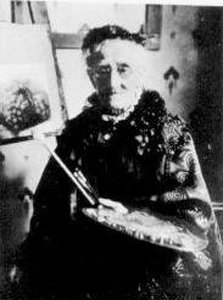
Eloise Harriet Stannard
1829 - 1915 , United Kingdom
A művészről röviden
- Artistic Movement Or Style: Norwich School
- Artists Or Movements Influenced By This Artist: ['Dutch Still Life']
- Artists Who Influenced This Artist: ['Alfred Stannard']
- Date Of Birth: 1829
- Date Of Death: 1915
- Full Name: Eloise Harriet Stannard
- Nationality: British
- Notable Artworks:
- Bowl Of Raspberries And Peaches
- Raspberries In A Cabbage Leaf Lined Basket
- A Basket Of Oranges
- Place Of Birth: Norwich, United Kingdom

