
 Előnézet
 Megosztás
 Megosztás
 Részletek

 Letöltés
 Hasonló alkotások
 X-ray felvétel
 Diavetítés
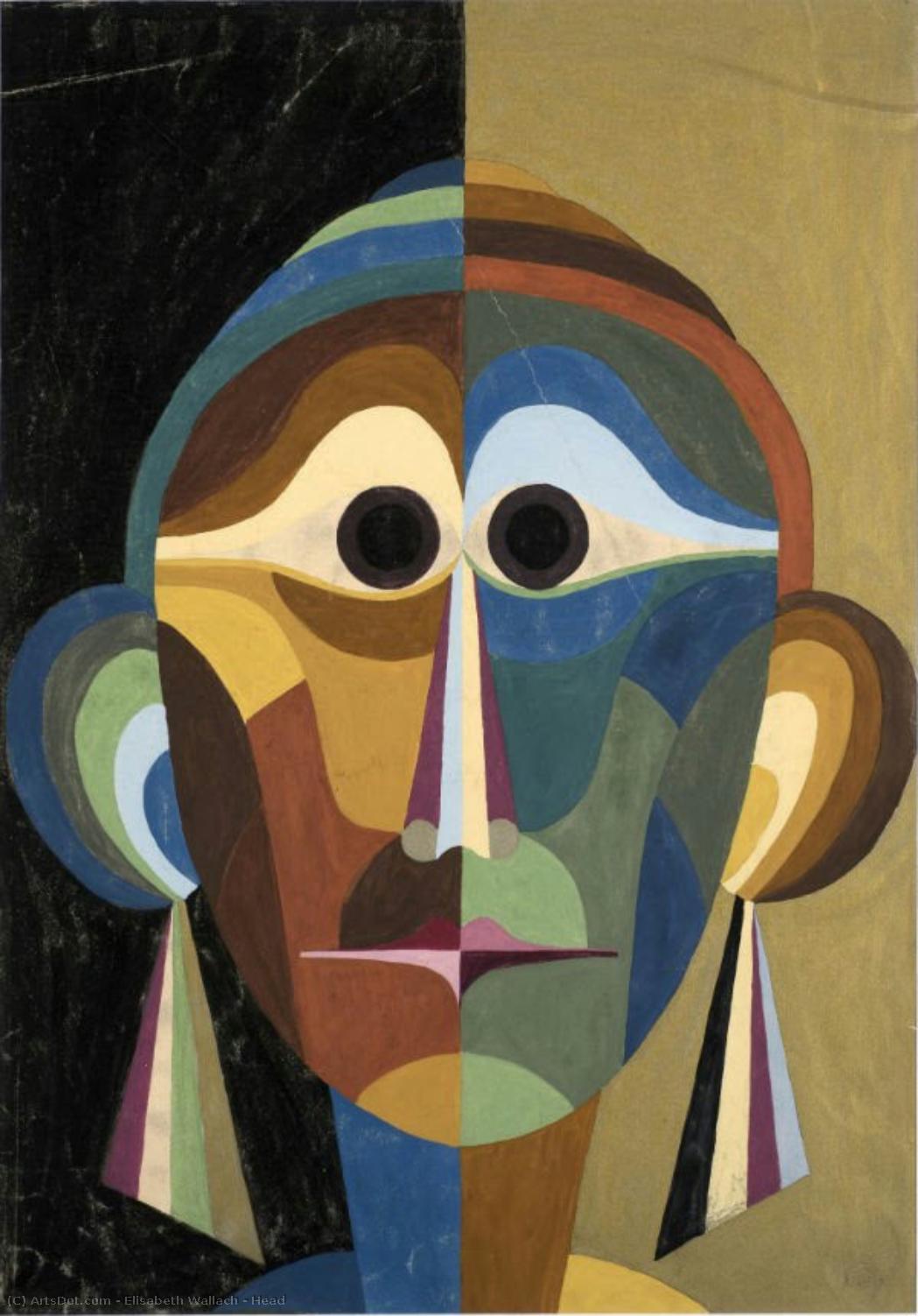
Head
 1920
1920 51.0 x 36.0 cm
 Ben Uri Gallery and Museum
 Tovább olvasom
Vásároljon egy nagy felbontású, javított digitális képet, amely sokkal jobb minőségű, mint az online előnézet.
Minden fájlt szakembereink a legmodernebb eszközök és precíz, kézi retusálás segítségével készítenek el aprólékosan. Gondoskodunk arról, hogy minden kép kivételes tisztasággal, pontos színhelyességgel és részletgazdag finomsággal rendelkezzen.
A végleges fájl 72 órán belül e-mailben megérkezik, professzionális, szerkesztői és nyomtatási környezetbe optimalizálva az azonnali használathoz. Ez ugyanaz a minőség, amelyben a legmeghatározóbb tervezőstúdiók, kiadók és galériák is megbízhatnak.
Digitális alkotás
Töltsön le nagy felbontású fájlt személyes kiállításokhoz, nyomtatáshoz és kreatív projektekhez. ( Váltás nyomtatványra Áttérés a kézzel festett másolatra)
Minden digitális kép rendeléséhez tartozó extrák
Szakértői digitális kézbesítés, garantáltan
Amikor a OriginalUniqueArt.com weboldalt választja, nem csupán egy képet kap – professzionálisan felmagasított digitális műalkotást kap, amely precizitással készült, és amelyet megelégsedési gwarancia tesz biztoslássá. Az alábbiakban automatikusan minden benne 】

Gyors e-mail teslimítés
A nagy felbontású digitális képmásolatát a megrendelést követő 72 órán belül e-mailben elküldjük Önnek – azonnal használható formátumban.

MI-alapú digitális feldolgozású fájl
Műve professzionális módon kerül optimalizálásra fejlett mesterséges intelligencia eszközök és manuális szerkesztés segítségével, biztosítva a maximális részletességet, tisztaságot és színpontosságot.

Örök életű ingyenes újradelivery
Véletlenül törölted vagy elvesztetted a fájlodat? Ne aggódj – bármikor ingyenesen újra megküldjük neked.

Nincs importköltség – soha
Élvezze műalkotásait azonnal, vám, illeték vagy szállítási költség nélkül – a digitális letöltések mindig adamentesek.

Színpontosság Garancia
Professzionális eszközök és színkezelés segítségével garantáljuk, hogy digitális képe a lehető legpontosabban tükrözze az eredeti színeket.

60 napos elégedettségi garancia
Ha nemມີ elégedett a digitális képpel, 60 napon belül átmunkáljuk azt, vagy 100% visszatérítjük az amountot – kérdés nélkül.

100% Pénzvisszatérítési garancia
Nem érheted el a teljes elégedettséget? 60 napon belül teljes visszatérítést kapsz a digitális fájlod megérkezése után – kérdés बिना.

Tömegrendelési kedvezmények
Vásároljon 3 képet, spóroljon 10%-et - Vásároljon 5-öt, spóroljon 15%-et - Vásároljon 10+ képet, spóroljon 20%-at. Kiváló kreatív projektekhez, galériákhoz és ügynökségekhez.
A gyűjtemény leírása
Művész életrajza
Jackson Pollock: A Revolutionary of American Abstraction
Born in Cody, Wyoming, in 1912, Paul Jackson Pollock—the name he initially carried before adopting his stepfather’s surname—emerged from a transient childhood marked by frequent moves across the American West and Southwest. His early life, steeped in the rugged landscapes of Iowa and the burgeoning artistic communities of California and Arizona, instilled within him a restless spirit and an acute sensitivity to the world around him. This nomadic upbringing, coupled with his family’s Presbyterian faith—a foundation that would later be subtly challenged by his artistic explorations—shaped a complex and often contradictory personality, one characterized by both intense creativity and profound personal struggles.
Pollock's formal art education was limited; he briefly attended the Manual Arts High School in Los Angeles, where he encountered Frederick John de St. Vrain Schwankovsky, an illustrator and member of the Theosophical Society. This encounter introduced him to a broader understanding of symbolism and spirituality, concepts that would subtly inform his later work. However, it was through self-directed study and experimentation—a hallmark of his approach—that he truly began to develop his distinctive style. Early works reflected influences ranging from primitive art to European modernism, but it wasn’t until the late 1940s that Pollock began to forge a path uniquely his own.
The Emergence of Drip Painting
Pollock's revolutionary technique—often described as “drip painting” or “action painting”—arose almost serendipitously. Frustrated with the traditional constraints of easel painting, he began experimenting with pouring and dripping paint directly onto canvases laid flat on the floor. This process, fueled by a desire to break free from representational art and explore the very act of creation itself, resulted in works characterized by their dynamic energy, layered textures, and seemingly random arrangements of color. He employed industrial paints—house paints, inks, and lacquers—which allowed for a fluidity and spontaneity that was impossible to achieve with conventional oil paints.
This method wasn’t simply about chance; Pollock meticulously planned the composition of each piece, often working on multiple canvases simultaneously. He would step back from his work, surveying it from all angles, seeking a balance between order and chaos. His studio became a laboratory for experimentation, a space where he pushed the boundaries of painting itself. The scale of his works—often monumental in size—further emphasized the immersive nature of the process, inviting viewers to become participants in the creation.
Key Works and Influences
Several pivotal paintings exemplify Pollock’s evolution and solidify his place as a central figure in Abstract Expressionism. “Number 1, 1950” (often referred to as "Lavender Mist"), housed at the MoMA, is considered one of his most iconic works, showcasing the layered application of color and the deliberate disruption of traditional composition. “Blue Poles” (1952), a large-scale canvas featuring vibrant blue streaks against a white background, was initially met with considerable criticism but later became celebrated for its bold abstraction and expressive power. “Mural,” created in 1948, demonstrates his growing mastery of scale and the integration of multiple compositional elements.
Pollock’s work drew inspiration from diverse sources, including the art of indigenous cultures, Surrealism (particularly the automatism championed by André Breton), and the writings of Carl Jung. He was deeply influenced by the ideas of synchronicity—the concept that seemingly random events are connected in a meaningful way—and sought to capture this underlying order within his abstract compositions. His relationship with Lee Krasner, his wife and fellow artist, proved crucial to his artistic development, providing both intellectual stimulation and emotional support.
Legacy and Historical Significance
Despite facing considerable skepticism during his lifetime, Jackson Pollock’s influence on 20th-century art is undeniable. He shattered conventional notions of what painting could be, paving the way for subsequent generations of abstract artists. His “drip technique” revolutionized the medium, demonstrating its potential as a vehicle for pure expression and process-oriented creation. Pollock's work continues to fascinate and inspire viewers today, representing a pivotal moment in American art history—a bold assertion of individual vision against the backdrop of post-war uncertainty.
His untimely death in 1956, following a car accident, tragically cut short a brilliant career. However, his legacy endures as one of the most important and influential figures in modern art, forever changing our understanding of what painting can achieve.

elisabeth wallach
1912 - 2012 , Germany
Rövid tények
- Artistic Movement Or Style: Abstract Expressionism, Action Painting
- Artists Or Movements Influenced By This Artist:
- Lee Krasner
- Abstract Expressionism
- Artists Who Influenced This Artist:
- Edward Gordon Craig
- Vasilly Kandinsky
- Date Of Birth: January 28, 1912
- Date Of Death: August 11, 1956
- Full Name: Paul Jackson Pollock
- Nationality: American
- Notable Artworks:
- Blue Poles
- Mural
- Convergence
- Place Of Birth: Cody, Wyoming, USA

