

 Megtekintés
 Küldés
 Megosztás
 Részletek
 Útmutató

 Letöltés
 Hasonló darabok
 X-ray felvétel
 Diavetítés
 Statisztika
Szent Jakab
 Akril vászonon
- Falfelültethető művészetek
- Késő Reneszánsz Manierizmus
 1600
1600 72.0 x 55.0 cm
 Prado Múzeum
 Összes részlet megjelenítése
Kézzel készített olajfestmény reprodukció
Kézzel festett olajvastú vászon, az Ön által választott méretben és keretben, művészeink készítik meglévőre. ( Váltás nyomtatványra Áttérés digitális képre)




P118B Ft10

P118H Ft10

P118W Ft10

P438Z Ft10

P508JH Ft12

P508YH Ft12

P805H Ft10

P805Z Ft10

P919BZ Ft10

P919G Ft10

P919XJ Ft10

P959ZH Ft10

P968JZ Ft12

W106C Ft8

W218G Ft10

W218JH Ft8

W218Y Ft10

W307PJ Ft10

W316G Ft10

W316PJ Ft8

W316Y Ft10

W398PJ Ft8

W4111J Ft10

W500HY Ft15

W500JH Ft15

W692G Ft12

W849H Ft8

W940BG Ft15

W953PJ Ft8




Válasszon előre meghatározott méreteink közül, amelyek megfelelnek a műalkotás eredeti arányainak.

Írja be a kívánt szélességet és magasságot, hogy illeszkedjen a keretéhez vagy a falához. Mivel ez kézzel festett alkotás, egy eltérő formájú méret esetén a művész akár festhet is valamivel többet a kép körül, vagy korolathat is belőle — az Ön döntésének megfelelően. A festés megkezdése előtt küldünk egy digitális tervezetet jóváhagyásra. Az oldalon látható kép nem tartalmazza a végeredményt — csak a tervezet mutatja meg a valódi eredményt.
A rendelést követően a OriginalUniqueArt.com csapata e-mailt küld az ügyfélnek az instrukciókért, és biztosít egy előnézeti képet (mockup).
Világszerte elérhető szállítás () 3-4 hét alatt a szokásos 5 hét helyett. (25 október). A minőség nem kérdőjelezhető.

Ingyenes globális expressz szállítás

Prémium minőségű len vászon

Teljes körű szállítási biztosítás

Vámvisszatérítési Garancia

Hiteles színarányosság garancia

100 napos visszaküldési lehetőség (csak hibás termékek esetén)

100% pénzvisszatérítési garancia

Több darab vásárlásakor kedvezmény
 Az üvegkeretes opció csak 110 cm alatti méretben érhető el

Szent Jakab
Reprodukciós technika
Reprodukció mérete
-


Összesített ár
Ft 96158
Szent Jakab: A hit megtestesül realityt sugárzó látomásában
Doménikos Theotokópulos, aki világszerte El Greco néven ismert – „a görögként” –, nem csupán festőként áll ki kortársai mellett, hanem olyan művészként, aki a spiritualitás legmélyebb lényegével küzdött, és azt vizuális formává formálta. 1541-ben született Kretán, a velencei uralom alatt, és művészeti útja Venedémen és Rómán keresztül vezetett, mielőtt végleg Toledo, Spanyolország városa mellett telepedett meg – egy olyan városban, amely a vallásos áthúzódás szelleme által árasztott, és amely alapjaiban határozta meg egész életművét. El Greco zsenialitása nem csupán a technikai mesterség elsajátításában rejlett; ő alapjaiban gondolította újra magát a reprezentációt, évszázadokkal előre jelezve az expresszionizmus kifejeálló torzításait és a kubizmus fragmentált perspektíváit. A bizánci ikonográfia tanulmányával töltött formálódó évei precíz részletgazdagságot és rendíthetetlen elkötelezettséget öltettek belé, hogy vallásos narratívákat közvetítsen érezhető érzelmi töltettel. El Greco azonban nem hagyta magát a hagyományok közé zárni; bátran alkalmazott stilisztikai innovációkat, amelyek megkülönböztették kortársaitól, és műveit görögül – „Krḗs” néven – írta alá, mint kretai identitásának szívós megerősítését Európa feltörekvő művészeti áramlataiban.- A festék témája: A festmény Szent Jakabot ábrázolja, a keresztény ikonográfia meghatározó alakját, aki békés méltósággal és kontemplatív testtartással jelenik meg.
- Stílus: El Greco egyedi manierista stílusa a megnyúlt alakokról ismerthető – amely művészeti víziója jellegzetessége –, létrehozva egy másvilági hangulatot, amely túlmutat a realizmuson. मद्देनk
- Technika: El Greco az olajfesték alkalmazásakor glazúrozási technikát használt – áttetsző pigmentrétegeket egymásra halmozva –, hogy ragyogó színeket és texturális mélységet érjen el, lenyűgözve a fény és az árnyék finom árnyalatait.
Történelmi kontextus és művészeti hatások
El Greco alkotói tevékenysége a motívációvá vált ellenreformáció idején virágzott, egy olyan korszakban, amelyet intenzív vallásos áthúzódás és a protestáns reformáció után a katolikus dogmák megerősítésére irányuló pápi rendeletek jellemeztek. Ez a környezet táplálta vallásos témái iránti megszállottságát – különösen a szentek ábrázolását –, és meghatározta stilisztikai döntéseit. El Greco befolyása azonban túlmutatott a közvetlen vallási aggályokon; inspirációt merített a bizánci művészetből, különösen annak stilizált alakjaiból és szimbolikus színhasználatából, ezeket az elemeket pedig egy egyedülálló, kifejező vizuális nyelv létrehozására alkalmazta. Emellett befogadtatta az olyan olasz reneszánsz művészek hatásait, mint Michelangelo és Raphael, bár őket valami radikálisan eltérővé formálta át – ami művészeti függetlenségének édes bizonyítéka.Szimbolizmus és érzelmi rezonancia
A festmény visszafogott, földszínekből álló tónusai – elsősorban az oker és az umber – hozzájárulnak a kontemplatív hangulathoz, tükrözve a szent belső imádságos állapotát. A művész mesterien használja a chiaroscuro-t – a fény és sötétség drámai kölcsönhatását –, hogy fokozza az érzelmi hatást, hangsúlyozva Jakab arcát és kezét a figyelem középpontjaként. Ezek a gesztusok alázatot és devóciót sugallnak, meghívva a nézőt a spirituális kontempláció birodalmába. El Greco megnyúlt alakjai nem csupán stilisztikai eszközök; a transzcendenciát szimbolizálják – az emberi létezés határain túlra törekvő isteni kegyelem utáni vágyat. A festmény a hit, a nyugalom és a belső béke témáiról beszél – olyan tulajdonságokról, amelyek még ma is erőteljesen megszólalnak a közönségben.Örökség az imitáció mögött
El Greco művészeti innovációi ma is inspirálják a művészeket és a gyűjtőket egyaránt. A hagyományos realizmus elvetése utat nyitott az expresszionista felfedezéseknek az érzelmek és a pszichológiai mélység terén, bizonyítva művészettörténeti tartós relevanciáját. A „Szent Jakab” reprodukciói, amelyek a OriginalUniqueArt.com oldalon elérhetőek, lehetővé teszik a rajongók számára, hogy átéljék ezen remekmű ragyogó szépségét és mély spirituális üzenetét – ami El Greco egyedülálló víziójának időtlen tanúságtára.Kérdések és válaszok
Szabadon reprodukálható-e a/az „Szent Jakab”, El Greco alkotása képe?
A szerzői jogokkal kapcsolatban a "Szent Jakab" mű közösségi tulajdon – a szerzői jog lejártt.
Ki készítette a(t): "Szent Jakab"?
A "Szent Jakab" alkotását El Greco készítette. Az ezen az oldalon található információk El Greco eredeti művészetét mutatják be.
Mely múzeum őrzi az eredeti "Szent Jakab" című alkotást?
A „Szent Jakab”, El Greco alkotása eredeti darabja a Prado Múzeum, Madrid, Spain gyűjteményében található. A reprodukció lehetővé teszi, hogy a mű otthonában is megjelenjen.
A művész életrajza
Doménikos Theotokópoulos, Known As El Greco – A Life Forged in Faith and Fire
Doménikos Theotokópoulos, universally recognized as El Greco – “the Greek” – stands apart from his contemporaries as a painter whose life and artistic output defied easy categorization. Born in Crete, Greece, around 1541, during the Venetian dominion, his artistic journey unfolded across Venice and Rome before ultimately finding its most profound expression within the spiritual landscape of Spain: Toledo. El Greco wasn’t merely shaped by these locations; he synthesized their diverse influences into a singular style – one that foreshadowed the emotive fervor of Expressionism and the fragmented forms characteristic of Cubism centuries ahead of time. His formative years immersed in Byzantine iconography instilled within him meticulous attention to detail and an instinctive grasp of religious symbolism, establishing a bedrock upon which his distinctive artistic explorations would build. Yet, he resolutely resisted confinement within established traditions, signing his canvases with Greek – “Krḗs” – as a defiant assertion of Cretan identity, even as he embraced new artistic horizons. The genesis of El Greco’s singular style wasn't solely rooted in technique; it stemmed from the fervent religious fervor permeating Crete and the rich artistic heritage bequeathed by Venetian masters.From Venice to Toledo: A Transformation Marked By Innovation
His relocation to Venice around 1567 constituted a pivotal juncture in his artistic trajectory. Surrounded by an exuberant artistic milieu, El Greco diligently studied the luminaries of his era – Titian, Tintoretto, Veronese – absorbing their mastery of color palettes, compositional strategies, and theatrical lighting effects. He deliberately loosened his brushwork, embracing the sensual qualities inherent in oil paint and elevating the expressive power of his depictions. This Venetian influence is palpably present in early works such as *St. Sebastian* (1600), where anatomical precision harmoniously blends with a dramatic illumination reminiscent of Caravaggio’s style – a testament to his ability to synthesize disparate artistic traditions. Subsequently, his sojourn in Rome exposed him to Mannerism, a stylistic movement characterized by elongated figures, distorted perspectives, and sophisticated compositional arrangements. While he demonstrated considerable talent within the competitive Roman art world, El Greco struggled to garner widespread acclaim due to prevailing aesthetic sensibilities of the time. It was his definitive settlement in Toledo – circa 1577 – that finally liberated him from artistic constraints and allowed his visionary artistic vision to flourish. The city’s fervent religious atmosphere during the Counter-Reformation provided both patronage and an environment conducive to portraying spiritual contemplation with unparalleled intensity.A Style Defined By Distortion, Emotion, And Spiritual Depth
El Greco's stylistic hallmark is instantly recognizable: figures rendered in elongated proportions—a deliberate departure from naturalistic representation—infused with palpable emotion and bathed in dramatic illumination. This isn’t mere stylistic embellishment; it represents a profound philosophical commitment to conveying the unseen realms of consciousness and experience – those realities beyond the confines of observable phenomena. He achieved this feat through masterful manipulation of color—often employing hues that deviated significantly from naturalistic standards—to heighten the emotional resonance of his canvases. Furthermore, El Greco’s lighting techniques—characterized by stark contrasts between light and shadow—created a theatrical effect, drawing viewers into the very core of the depicted scene and mirroring the dramatic narratives found in biblical texts. *The Burial of the Count of Orgaz* (1586-1588), arguably his magnum opus, exemplifies these stylistic principles flawlessly. This monumental painting portrays a miraculous event—the descent of saints to bury a nobleman—with remarkable realism interwoven with ethereal figures embodying divine intervention – demonstrating El Greco’s unparalleled ability to fuse artistic innovation with spiritual contemplation. His distinctive style transcended mere imitation; it constituted an audacious assertion of artistic individuality and a courageous rejection of prevailing aesthetic conventions.Influences And Artistic Legacy: Echoes Across Centuries
El Greco's artistic heritage extends far beyond his immediate contemporaries, resonating powerfully across subsequent artistic movements. Artists like Picasso and Braque recognized him as a precursor to Cubism—admiring his fragmented forms and unconventional perspectives—demonstrating the enduring influence of his stylistic innovations. Similarly, Expressionists embraced El Greco’s emotive intensity—capturing profound psychological states through bold color palettes and dramatic compositions—affirming his role as a pivotal figure in shaping modern artistic sensibilities. His oeuvre continues to inspire artists today, prompting explorations into themes of faith, spirituality, and human experience. Beyond the realm of art history, El Greco's stylistic legacy persists in contemporary visual culture, influencing designers and filmmakers alike. He remains an artist whose work transcends temporal boundaries—a testament to his enduring capacity for communicating universal truths about the human condition through a singular artistic voice.Notable Works: Icons Of Spiritual Expression
- The Burial of the Count of Orgaz (1586-1588): Considered El Greco’s masterpiece, this monumental painting embodies his stylistic hallmarks—elongated figures, dramatic lighting, and masterful blending of realism and spiritual symbolism.
- View of Toledo (1596-1600): This evocative landscape captures the spirit of Toledo with swirling atmospheric effects and a visionary perspective—a testament to El Greco’s ability to transform observation into profound artistic expression.
- The Opening of the Fifth Seal (1608-1614): Part of a series exploring biblical themes, this painting showcases El Greco's masterful use of color and composition to convey spiritual awe and existential contemplation.
- St. Sebastian (1600): This poignant depiction of St. Sebastian exemplifies El Greco’s stylistic prowess—anatomical precision combined with theatrical illumination—creating a powerfully emotive image.

El Greco
1541 - 1614 , Ελλάδα
Rövid információk
- Artistic Movement Or Style: Mannerizmus, Barrokok
- Artists Or Movements Influenced By This Artist:
- Expressionizmus
- Kubizmus
- Artists Who Influenced This Artist:
- Titian
- Tintoretto
- Date Of Birth: 1541 Cretében
- Date Of Death: 1614 Toledoában
- Full Name: Doménikos Theotokópoulos
- Nationality: Görög-spanyol
- Notable Artworks:
- A Szűz Mária tiszteletére
- Fray Hortensio Félix Paravicino
- El Espolio
- St. Sebastian
- Place Of Birth: Creta Görögországban
Kapcsolódó cikkek

El Greco 25 Mesterműve: A Spanyol Reneszánsz Legkiemelkedőbb Alkotásai – OriginalUniqueArt.com
Fedezze fel El Greco 25 leglenyűgözőbb művészeti alkotását! Ismerje meg a spanyol reneszánsz és manierizmus mesterét, festményeinek történetét és spirituális mélységét. Luxus reprodukciók – OriginalUniqueArt.com.
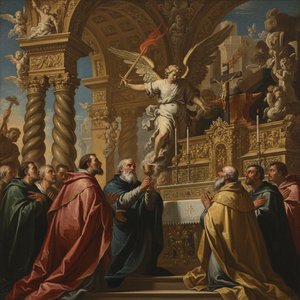
The Golden Age Reforged: Dramatic Realism & Religious Zeal in Spanish Baroque Art
Explore the dramatic world of Spanish Baroque art! Discover masters like Zurbarán & the powerful influence of religious zeal on painting techniques – a guide for collectors and enthusiasts.
A Hermitage Gyűjtemény 25 Mesterműve: A Világ Legszebb Képei Otthonodban
Fedezze fel a Hermitage Múzeum 25 legszebb művészeti remekművét! Leonardo da Vinci, Rembrandt és Vermeer alkotásainak története. Klasszikus festmények otthonába – exkluzív reprodukciók a OriginalUniqueArt.com-on!
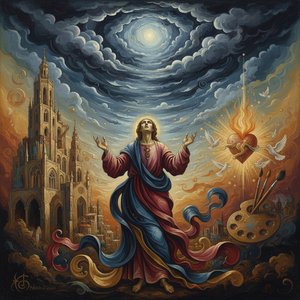
El Greco: Spirituality, Style & Innovation – A Renaissance Master's Legacy
Explore the captivating world of El Greco! Discover his unique style, spiritual intensity, and lasting impact on art history. Learn about this Renaissance master's life, iconic paintings & legacy.
A Prado Győzelmei: 25 Mestermű, Amelyek Inspirálnak – Vászonképek és Otthoni Dekorációk
Fedezze fel a Prado múzeum 25 legikonikusabb műalkotását! Velázquez, Goya, El Greco és más spanyol mesterek történeteit olvassa el. Vászonképek, barokk festmények, luxus otthoni dekorációk – inspirálódjon OriginalUniqueArt.com-on!


