

 Előnézet
 Megosztás
 Megosztás
 Részletek
 Útmutató

 Letöltés
 Hasonló darabok
 X-ray felvétel
 Diavetítés
 Statisztika
Apostol Fülöp
 Olajfestmény vászonon
- Falfeliratok és faldekoráció
- Mannerista spanyol művészet
 1610
1610- Korai modern kor
 97.0 x 77.0 cm
 El Greco Múzeum Toledo
 Tovább olvasom
Kézzel készített olajfestmény reprodukció
Kézzel festett olajvastú vászon, az Ön által választott méretben és keretben, művészeink készítik meglévőre. ( Váltás nyomtatványra Áttérés digitális képre)




P118B Ft10

P118H Ft10

P118W Ft10

P438Z Ft10

P508JH Ft12

P508YH Ft12

P805H Ft10

P805Z Ft10

P919BZ Ft10

P919G Ft10

P919XJ Ft10

P959ZH Ft10

P968JZ Ft12

W106C Ft8

W218G Ft10

W218JH Ft8

W218Y Ft10

W307PJ Ft10

W316G Ft10

W316PJ Ft8

W316Y Ft10

W398PJ Ft8

W4111J Ft10

W500HY Ft15

W500JH Ft15

W692G Ft12

W849H Ft8

W940BG Ft15

W953PJ Ft8




Válasszon előre meghatározott méreteink közül, amelyek megfelelnek a műalkotás eredeti arányainak.

Írja be a kívánt szélességet és magasságot, hogy illeszkedjen a keretéhez vagy a falához. Mivel ez kézzel festett alkotás, egy eltérő formájú méret esetén a művész akár festhet is valamivel többet a kép körül, vagy korolathat is belőle — az Ön döntésének megfelelően. A festés megkezdése előtt küldünk egy digitális tervezetet jóváhagyásra. Az oldalon látható kép nem tartalmazza a végeredményt — csak a tervezet mutatja meg a valódi eredményt.
A rendelést követően a OriginalUniqueArt.com csapata e-mailt küld az ügyfélnek az instrukciókért, és biztosít egy előnézeti képet (mockup).
Világszerte elérhető szállítás () 3-4 hét alatt a szokásos 5 hét helyett. (23 október). A minőség nem kérdőjelezhető.

Ingyenes globális expressz szállítás

Prémium minőségű len vászon

Teljes körű szállítási biztosítás

Vámvisszatérítési Garancia

Tökéletes színarányosság garancia

100 napos visszaküldési garancia (csak gyártási hibás termékek esetén)

100% pénzvisszatérítési garancia

Több darab vásárlásakor kedvezmény
 Az üvegkeretes opció csak 110 cm alatti méretben érhető el

Apostol Fülöp
Reprodukciós technika
Reprodukció méretei
-


Összesített ár
Ft 96443
Apoló Pál – A Lelkek Útján: El Greco Mesterműve
Doménikos Theotokópoulos, akit világszerte El Grecként ismerünk, a nyugati művészet egyik legkülönlegesebb és legbefolyásosabb alakja. 1541-ben született Krétéon, és végül Toledo városába telepedett el Spanyolországban. Művei nem egyszerűen kategorizálhatók – a bizantine szellemiség keveredett egy mélyen személyes, néha szenvedélyes látásmóddal. Az ‘Apoló Pál’ (körülbelül 1610) ennek a különleges megközelítésnek egy remek példája: egy erőteljes meditáció hitről, odaadottságról és a spirituális felelősség súlyáról. Ez az olajjal készült alkotás, amely jelenleg a Toledo-i El Greco Múzeumban található, nem csupán egy portré; hanem egy meghívás az művész mélyen érzett világába. A festmény azonnal felhívja a figyelmet a drámai színhasználával és kiterjesztett formáival, melyek El Greco jellegzetes manierista stílusának jegyei. Pál apostol alakját megalkották egy erőteljes súllyal, a testtartása sugallja a szent szellemet, de egyben a terhelés és a felelősség is. Figyeld meg a tudatos perspektívák torzulását – az alakok úgy tűnik, a dobozból jönnek, sötétből, vonva be a nézőt elmélkedés világába. Ez nem egy egyszerű bibliai jelenet; hanem egy érzelmi táj, tele érzésekkel és mély rejtélyekkel teli.A Művész Utja: El Greco Hagyományai
El Greco művészi útja összetett befolyásokra volt jellemző. Korai képzése Kréten a bizantine ikonográfia gazdag hagyományait ismerte – precíz részletezés, vibráló színek és szimbolikus ábrázolás, mely mélyen gyökerezik a vallási hitben. Azonban idővele Toledo-ban és Rómában találkozott a reneszánsz innovációival, különösen a velencei mesterekkel, mint Titian és Tintoretto, akik drámai világításokat, dinamikus kompozíciókat és fokozott realisztikus megjelenést alkalmaztak. El Greco ügyesen ötvözte ezeket az befolyásokat, létrehozva egy stílust, amely egyszerre ősi és lenyűgöző modern. Az apostol alakjának kiterjesztett formái nem csupán stilisztikai eszközök; hanem egy spirituális vágyat tükröznek, az emberi test határain belül a bölcsesség megpróbálását. A mély színek használata – sötétkék, piros és arany – tovább erősíti ezt az hatást, létrehozva egy vizuális élményt, amely egyszerre lenyűgöző és érzelmileg gazdag. A háttér, mely enyhén árnyaltabb tónusban van, kontrasztosítja a figurát, hangsúlyozza elszigeteltségét és belső küzdelmét.Szimbolizmus és Spirituális Súly
Az ‘Apoló Pál’ festménye tele van szimbólumokkal. A központi elem – a kereszt, amelyet szigorúan tart a kezében – azonnal rögzíti a jelenetet a keresztény történetben. Azonban El Greco nem csupán ábrázolja a kereszt tartását; hanem az érzést, hogy milyen nehéz a terhét viselni. Az apostol lefelé nézése és a homlokának enyhe ráncja sugallja mély szorongást, alázatot és elfogadást. Nem dicsőséges vagy hősies; hanem egy ember, aki harcol a hitért, terhelve felelősséggel. A háttér enyhén árnyalt színei hozzájárulnak ehhez az elmélkedés légköréhez. Ez időtlenességet sugallja, és azt, hogy Pál apostol küzdelme meghaladja a konkrét történelmi kontextust. A sötétség, amely körülveszi őt, jelképezi a nem ismertet, Krisztus útján rejlő kihívásokat, talán pedig művész saját hitbeli bizonytalanságait is.Egy Mestermű öröksége: El Greco a Toledo-i Múzeumban
A Toledo-i El Greco Múzeum kulcsfontosságú kontextust biztosít ennek a remekműnek az értelmezéséhez. A múzeum tartalmazza az művész legfontosabb alkotásait, egy átfogó képet kínálva a művész fejlődéséről. Követheted korai befolyását a bizantine ikonográfia hatására, és a felnőtt stílusát, melyet drámai színek és kiterjesztett formák jellemöznek. A múzeumban található alkotásokon túl, a múzeum más 17. századi spanyol művészek munkáit is kiállít, ami értékes betekintést nyújt Toledo kultúrájába az időszakban. Ha egy valós kapcsolatot szeretnél építeni ezzel a különleges művészvel, a OriginalUniqueArt.com kínálja a ‘Pál apostol’ festményeinek gondosan megmunkált olajfestészeti reprodukcióit. Ezek hű másolatok lehetővé teszik, hogy hozd haza ezt a hatalmas képet, és állandó emlékeztető legyen El Greco művészi géniuszára és a hit örök erejére. Fedezd fel a Reprodukciót | További El Greco MesterművekGyakran Ismételt Kérdések
Milyen formátumú és méretű a "Apostol Fülöp"?
A „Apostol Fülöp”, El Greco alkotása egy Portré kompozíció, amely az eredeti méretét tekintve 97 x 77 cm-es.
Milyen más neveken ismert El Greco?
El Greco más néven is ismert: Domenikosz Theotokopulosz.
Hol és milyen célra ajánlott a "Apostol Fülöp"?
A "Apostol Fülöp" művet ajánljuk Fókuszpont célokra, a javasolt helyszín pedig egy Nappali
A művész életrajza
Doménikos Theotokópoulos, Known As El Greco – A Life Forged in Faith and Fire
Doménikos Theotokópoulos, universally recognized as El Greco – “the Greek” – stands apart from his contemporaries as a painter whose life and artistic output defied easy categorization. Born in Crete, Greece, around 1541, during the Venetian dominion, his artistic journey unfolded across Venice and Rome before ultimately finding its most profound expression within the spiritual landscape of Spain: Toledo. El Greco wasn’t merely shaped by these locations; he synthesized their diverse influences into a singular style – one that foreshadowed the emotive fervor of Expressionism and the fragmented forms characteristic of Cubism centuries ahead of time. His formative years immersed in Byzantine iconography instilled within him meticulous attention to detail and an instinctive grasp of religious symbolism, establishing a bedrock upon which his distinctive artistic explorations would build. Yet, he resolutely resisted confinement within established traditions, signing his canvases with Greek – “Krḗs” – as a defiant assertion of Cretan identity, even as he embraced new artistic horizons. The genesis of El Greco’s singular style wasn't solely rooted in technique; it stemmed from the fervent religious fervor permeating Crete and the rich artistic heritage bequeathed by Venetian masters.From Venice to Toledo: A Transformation Marked By Innovation
His relocation to Venice around 1567 constituted a pivotal juncture in his artistic trajectory. Surrounded by an exuberant artistic milieu, El Greco diligently studied the luminaries of his era – Titian, Tintoretto, Veronese – absorbing their mastery of color palettes, compositional strategies, and theatrical lighting effects. He deliberately loosened his brushwork, embracing the sensual qualities inherent in oil paint and elevating the expressive power of his depictions. This Venetian influence is palpably present in early works such as *St. Sebastian* (1600), where anatomical precision harmoniously blends with a dramatic illumination reminiscent of Caravaggio’s style – a testament to his ability to synthesize disparate artistic traditions. Subsequently, his sojourn in Rome exposed him to Mannerism, a stylistic movement characterized by elongated figures, distorted perspectives, and sophisticated compositional arrangements. While he demonstrated considerable talent within the competitive Roman art world, El Greco struggled to garner widespread acclaim due to prevailing aesthetic sensibilities of the time. It was his definitive settlement in Toledo – circa 1577 – that finally liberated him from artistic constraints and allowed his visionary artistic vision to flourish. The city’s fervent religious atmosphere during the Counter-Reformation provided both patronage and an environment conducive to portraying spiritual contemplation with unparalleled intensity.A Style Defined By Distortion, Emotion, And Spiritual Depth
El Greco's stylistic hallmark is instantly recognizable: figures rendered in elongated proportions—a deliberate departure from naturalistic representation—infused with palpable emotion and bathed in dramatic illumination. This isn’t mere stylistic embellishment; it represents a profound philosophical commitment to conveying the unseen realms of consciousness and experience – those realities beyond the confines of observable phenomena. He achieved this feat through masterful manipulation of color—often employing hues that deviated significantly from naturalistic standards—to heighten the emotional resonance of his canvases. Furthermore, El Greco’s lighting techniques—characterized by stark contrasts between light and shadow—created a theatrical effect, drawing viewers into the very core of the depicted scene and mirroring the dramatic narratives found in biblical texts. *The Burial of the Count of Orgaz* (1586-1588), arguably his magnum opus, exemplifies these stylistic principles flawlessly. This monumental painting portrays a miraculous event—the descent of saints to bury a nobleman—with remarkable realism interwoven with ethereal figures embodying divine intervention – demonstrating El Greco’s unparalleled ability to fuse artistic innovation with spiritual contemplation. His distinctive style transcended mere imitation; it constituted an audacious assertion of artistic individuality and a courageous rejection of prevailing aesthetic conventions.Influences And Artistic Legacy: Echoes Across Centuries
El Greco's artistic heritage extends far beyond his immediate contemporaries, resonating powerfully across subsequent artistic movements. Artists like Picasso and Braque recognized him as a precursor to Cubism—admiring his fragmented forms and unconventional perspectives—demonstrating the enduring influence of his stylistic innovations. Similarly, Expressionists embraced El Greco’s emotive intensity—capturing profound psychological states through bold color palettes and dramatic compositions—affirming his role as a pivotal figure in shaping modern artistic sensibilities. His oeuvre continues to inspire artists today, prompting explorations into themes of faith, spirituality, and human experience. Beyond the realm of art history, El Greco's stylistic legacy persists in contemporary visual culture, influencing designers and filmmakers alike. He remains an artist whose work transcends temporal boundaries—a testament to his enduring capacity for communicating universal truths about the human condition through a singular artistic voice.Notable Works: Icons Of Spiritual Expression
- The Burial of the Count of Orgaz (1586-1588): Considered El Greco’s masterpiece, this monumental painting embodies his stylistic hallmarks—elongated figures, dramatic lighting, and masterful blending of realism and spiritual symbolism.
- View of Toledo (1596-1600): This evocative landscape captures the spirit of Toledo with swirling atmospheric effects and a visionary perspective—a testament to El Greco’s ability to transform observation into profound artistic expression.
- The Opening of the Fifth Seal (1608-1614): Part of a series exploring biblical themes, this painting showcases El Greco's masterful use of color and composition to convey spiritual awe and existential contemplation.
- St. Sebastian (1600): This poignant depiction of St. Sebastian exemplifies El Greco’s stylistic prowess—anatomical precision combined with theatrical illumination—creating a powerfully emotive image.

El Greco
1541 - 1614 , Ελλάδα
Gyors információk
- Artistic Movement Or Style: Mannerizmus, Barrokok
- Artists Or Movements Influenced By This Artist:
- Expressionizmus
- Kubizmus
- Artists Who Influenced This Artist:
- Titian
- Tintoretto
- Date Of Birth: 1541 Cretében
- Date Of Death: 1614 Toledoában
- Full Name: Doménikos Theotokópoulos
- Nationality: Görög-spanyol
- Notable Artworks:
- A Szűz Mária tiszteletére
- Fray Hortensio Félix Paravicino
- El Espolio
- St. Sebastian
- Place Of Birth: Creta Görögországban
Kapcsolódó cikkek

El Greco 25 Mesterműve: A Spanyol Reneszánsz Legkiemelkedőbb Alkotásai – OriginalUniqueArt.com
Fedezze fel El Greco 25 leglenyűgözőbb művészeti alkotását! Ismerje meg a spanyol reneszánsz és manierizmus mesterét, festményeinek történetét és spirituális mélységét. Luxus reprodukciók – OriginalUniqueArt.com.
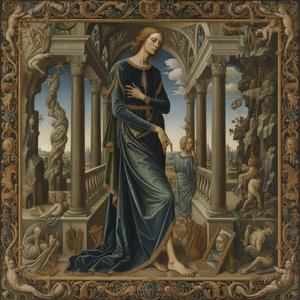
Mannerism Explained: The Dramatic Evolution of Renaissance Art and the Rise of El Greco
Explore the dramatic evolution of Mannerism from High Renaissance perfection to El Greco's spiritual intensity. Discover the history, techniques, and enduring legacy of this transformative era through an expert art-history lens.
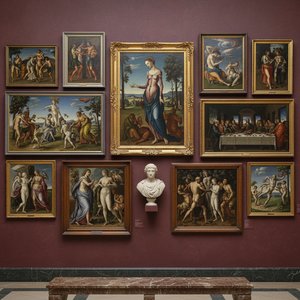
A manierizmus 10 mesterműve: A reneszánsz kifinomultsága a művészetben | OriginalUniqueArt
Fedezze fel a manierizmus 10 legikonikusabb mesterművét! Pontormo, Bronzino és El Greco alkotásai elmesélik a reneszánsz kifinomultságát. Múzeumi minőségű művészeti reprodukciók otthonába – OriginalUniqueArt.com.
The Dramatic Dialogue: Baroque Mannerism & the Synthesis of Emotion, Form, and Artistic Rebellion
Explore the dramatic world of Baroque Mannerism! Discover its history, iconic artists like Rubens & El Greco, and lasting influence on art. Expert insights for collectors & enthusiasts at OriginalUniqueArt.
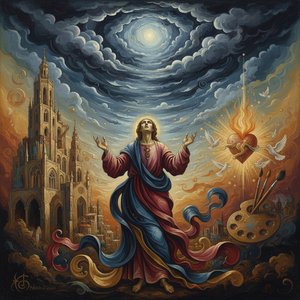
El Greco: Spirituality, Style & Innovation – A Renaissance Master's Legacy
Explore the captivating world of El Greco! Discover his unique style, spiritual intensity, and lasting impact on art history. Learn about this Renaissance master's life, iconic paintings & legacy.


