
 Előnézet
 Megosztás
 Megosztás
 Részletek
 Útmutató

 Letöltés
 Hasonló darabok
 X-ray felvétel
 Diavetítés
 Statisztika
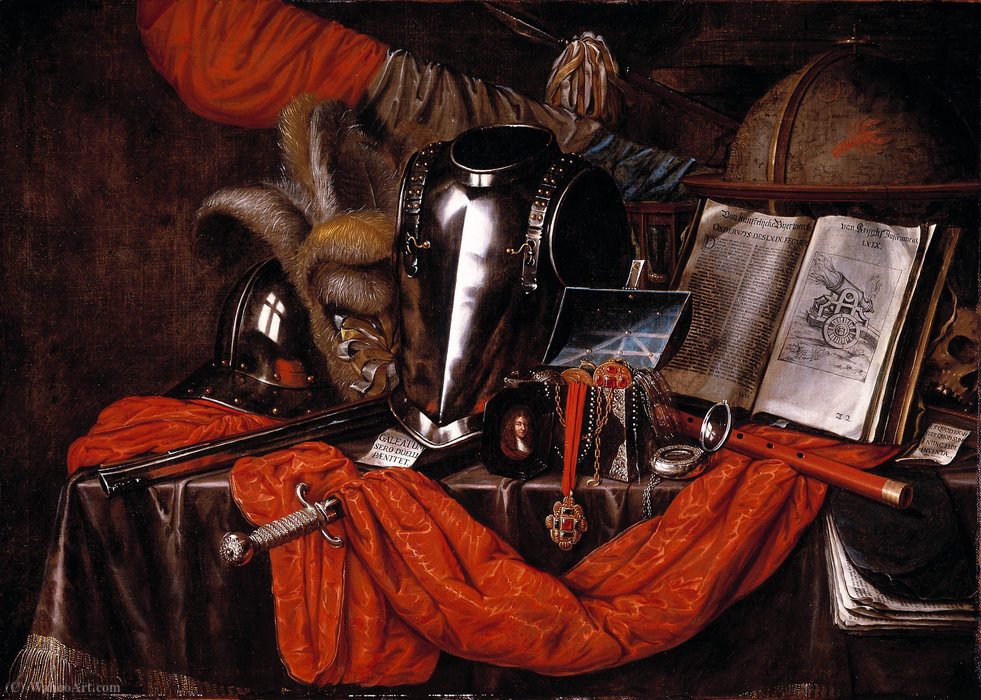
A vanitas
 Tovább olvasom
Vásároljon nagy felbontású, javított digitális képet, amely minőségében messze felülmúlja az online előnézetet.
Minden fájlt szakembereink a legmodernebb eszközök és precíz, kézi retusálás segítségével készítenek el aprólékosan. Gondoskodunk arról, hogy minden kép kivételes tisztasággal, pontos színhelyességgel és részletgazdag finomsággal rendelkezzen.
A végleges fájl 72 órán belül e-mailben megérkezik, professzionális, szerkesztői és nyomtatási környezetbe optimalizálva az azonnali használathoz. Ez ugyanaz a minőség, amelyben a legmeghatározóbb tervezőstúdiók, kiadók és galériák is megbízhatnak.
Digitális kép
Töltsön le nagy felbontású fájlt személyes kiállításokhoz, nyomtatáshoz és kreatív projektekhez. ( Váltás nyomtatványra Kézzel festett másolat vásárlása)
Minden digitális kép rendeléséhez tartozó extrák
Szakértői digitális kézbesítés, garantáltan
Amikor a OriginalUniqueArt.com szolgáltatást választja, nem csupán egy képet kap – professzionálisan felmagasított digitális műalkotást kap, amely precizitással készült, és amelyet megelégsedési gwarancia tesz biztoslássá. Az alábbiakban automatikusan minden benne 】

Gyors e-mail teslimítés
A nagy felbontású digitális képmásolatát a megrendelést követő 72 órán belül e-mailben elküldjük Önnek – azonnal használható formátumban.

MI-alapú digitális képjavítás
Műve professzionális módon kerül optimalizálásra fejlett mesterséges intelligencia eszközök és manuális szerkesztés segítségével, biztosítva a maximális részletességet, tisztaságot és színpontosságot.

Örök életű ingyenes újradatás
Véletlenül törölted vagy elvesztetted a fájlodat? Ne aggódj – bármikor ingyen újra megküldjük neked.

Nincs importköltség – soha
Élvezze műalkotásait azonnal, vám, illeték vagy szállítási költség nélkül – a digitális letöltések mindig adamentesek.

Színpontosság garantálása
Professzionális eszközök és színkezelés segítségével garantáljuk, hogy digitális képe a lehető legpontosabban tükrözze az eredeti színeket.

100 napos elégedettségi garancia
Ha nemມີ elégedett a digitális képével, 100 napon belül felülvizsgáljuk vagy 100% visszatérítjük az amountot – kérdés बिना.

100% Pénzvisszatérítési garancia
Nem tetszett a vásárlás? 100 napon belül teljes visszatérítést garantálunk a digitális fájl megvételétől számítva – kérdés nélkül.

Tömegrendelési kedvezmények
Vásároljon 3 képet, spóroljon 10%-et - Vásároljon 5-öt, spóroljon 15%-et - Vásároljon 10+ képet, spóroljon 20%-at. Kiváló kreatív projektekhez, galériákhoz és ügynökségekhez.
Művész életrajza
Edwart Collier (Evert Colyer): A Dutch Master of Mortality and Wealth
Edwart Collier, more commonly known as Evert Colyer, was a pivotal figure in 17th-century Dutch art, renowned for his poignant and meticulously detailed Vanitas still lifes. Born around 1642 in Breda, Netherlands, and tragically dying just before September 8, 1708, in Leiden, Collier’s work offers a profound meditation on the transience of life, the fleeting nature of earthly possessions, and the inevitability of death – themes deeply rooted in the philosophical currents of his time. While he initially trained under Vincent Laurensz van der Vinne in Haarlem, establishing a strong foundation in the established Dutch still-life tradition, Collier quickly developed a unique style characterized by an almost unsettling realism and a masterful manipulation of perspective to create the illusion of three-dimensionality within a two-dimensional canvas – a technique known as *trompe-l’œil*.Early Life and Artistic Training
Collier's early life remains somewhat shrouded in mystery, though it is believed he was baptized Evert Calier in Breda. His artistic education began under the tutelage of Vincent Laurensz van der Vinne, a prominent Haarlem painter whose work focused on capturing the beauty of everyday objects and domestic scenes. Van der Vinne’s influence is readily apparent in Collier's early paintings, which exhibit a similar attention to detail and a fondness for depicting still lifes of flowers, fruits, and tableware. However, Collier soon surpassed his teacher, developing a distinctive style that moved beyond mere representation towards a deeper exploration of symbolic meaning. He officially joined the Haarlem Guild of St. Luke in 1649, followed by membership in the Leiden Guild of St. Luke in 1673, marking a significant shift in his artistic career and geographic location. This move to Leiden coincided with a period of intense personal reflection and creative experimentation, culminating in the development of his signature *trompe-l’œil* technique.The Rise of Vanitas Painting
Collier's most enduring legacy lies in his masterful execution of Vanitas still lifes – a genre that gained prominence during the 17th century and became particularly associated with Dutch art. Vanitas, derived from the Portuguese word *vanitas vanitatum et omnia vanita* ("the vanity of vanities and all vanities"), served as a visual reminder of mortality and the futility of worldly pursuits. Collier’s paintings are not simply arrangements of objects; they are carefully constructed allegories designed to provoke contemplation on the ephemeral nature of existence. He skillfully combined seemingly disparate items – skulls, decaying fruit, extinguished candles, hourglasses, books, musical instruments, and coins – each laden with symbolic weight. A skull represented death, a wilting flower symbolized decay, an hourglass indicated the passage of time, and a closed book alluded to unfulfilled knowledge. These objects were not presented in a morbid or depressing manner, but rather arranged with a striking elegance and precision, highlighting their beauty alongside their inherent transience.Technique and Innovation: The Art of *Trompe-l’œil*
What truly distinguishes Collier's work is his innovative use of *trompe-l’œil*, or “fool the eye,” a technique that creates the illusion of three-dimensionality on a two-dimensional surface. He achieved this through meticulous attention to detail, precise perspective, and an understanding of light and shadow. Objects appeared to spill off the canvas, seemingly floating in space – a letter rack overflowing with documents, a collection of books stacked precariously high, or a smoking pipe resting on a table. This technique wasn’t merely decorative; it served to heighten the sense of realism and immediacy within his paintings, drawing the viewer into the scene and emphasizing the tangible nature of the objects depicted. Collier's mastery of *trompe-l’œil* set him apart from his contemporaries and established him as a pioneer in Dutch still-life painting.Legacy and Historical Significance
Evert Collier’s influence on subsequent generations of artists is considerable. His work served as a powerful commentary on the values and anxieties of 17th-century society, reflecting a growing awareness of mortality and the limitations of human ambition. His paintings continue to resonate with viewers today, offering a timeless meditation on the themes of life, death, and the pursuit of meaning. Major museums worldwide – including the Denver Art Museum, the Honolulu Museum of Art, the Indianapolis Museum of Art, the National Portrait Gallery (United Kingdom), the Rijksmuseum (Amsterdam), and the Art Institute of Chicago – house significant examples of his oeuvre, ensuring that his artistic legacy endures for centuries to come. Dror Wahrman’s book, *Mr. Collier's Letter Racks*, provides a comprehensive exploration of this artist’s unique contribution to the world of still-life painting, solidifying his place as a master of both symbolism and technique.
edwart collier (evert colyer)
1640 - 1708