

 Előnézet
 Megosztás
 Megosztás
 Részletek
 Útmutató

 Letöltés
 Hasonló darabok
 X-ray felvétel
 Diavetítés
 Statisztika
Glacier de Saleinaz
 Oil On Canvas
- WallArt
 1906
1906- 19th Century
 115.0 x 89.0 cm
 Torre Abbey Historic House And Gardens
 Tovább olvasom
Giclée / Műnyomat
Múzeumi minőségű giclée vagy vászonnyomat, gyors gyártással és rugalmas finomítási lehetőségekkel. ( Kézzel festett másolat vásárlása Áttérés digitális képre)




P118B Ft10

P118H Ft10

P118W Ft10

P438Z Ft10

P508JH Ft12

P508YH Ft12

P805H Ft10

P805Z Ft10

P919BZ Ft10

P919G Ft10

P919XJ Ft10

P959ZH Ft10

P968JZ Ft12

W106C Ft8

W218G Ft10

W218JH Ft8

W218Y Ft10

W307PJ Ft10

W316G Ft10

W316PJ Ft8

W316Y Ft10

W398PJ Ft8

W4111J Ft10

W500HY Ft15

W500JH Ft15

W692G Ft12

W849H Ft8

W940BG Ft15

W953PJ Ft8




Válasszon előre meghatározott méreteink közül, amelyek megfelelnek a műalkotás eredeti arányainak.

Írja be a keretének vagy a falának megfelelő szélességet és magasságot. A nyomatot csak le lehet vágni, soha nem tehető nagyobbá, mint az eredeti kép, így egy eltérő alakú méretnél a kép egy része elveszik. Mielőtt bármit kinyatintanánk, küldünk egy digitális próbamodellt jóváhagyásra. Az oldalon látható kép nem tartalmazza a valós levágást — ezt csak a próbamodell mutatja meg.
Világszerte történő kiszállítás területére mindössze 2 hét alatt, a szokásos 4-5 hét helyett. (24 október)

Ingyenes globális expressz szállítás

Prémium minőségű len vászon

Teljes körű szállítási biztosítás

Vámvisszatérítési Garancia

Tökéletes színarányosság garancia

100 napos visszaküldési garancia (csak gyártási hibás termékek esetén)

100% pénzvisszatérítési garancia

Több darab vásárlásakor kedvezmény
 Az üvegkeretes opció csak 110 cm alatti méretben érhető el

Glacier de Saleinaz
Giclée / Műnyomat
Reprodukció méretei
-


Összesített ár
Ft 25605
Glacier de Saleinaz: A Frozen Symphony of Light and Ice
Edward Theodore Compton’s “Glacier de Saleinaz” is more than just a depiction of a mountain landscape; it's a visceral encounter with the raw, untamed beauty of the Alpine world. Painted in 1906 during a period of intense exploration and artistic fascination with these icy realms, the artwork captures the sublime power of nature – a theme central to much late 19th-century art and particularly resonant within Compton’s own experiences as a mountaineer and artist.
The scene itself is dominated by the imposing presence of the Saleina Glacier, its blue-white hues rendered with meticulous detail. The snow-capped peaks, partially obscured by swirling clouds, create a dramatic interplay of light and shadow, emphasizing the glacier’s immense scale and suggesting an almost perpetual state of movement. Compton's masterful use of color – primarily cool blues, grays, and whites – evokes the chilling atmosphere and ethereal quality associated with these high-altitude environments. Subtle hints of yellow and orange peek through the clouds, representing the fleeting moments of sunlight that illuminate the glacial ice, adding a touch of warmth to the otherwise stark scene.
A Pioneer's Vision: Compton and the Alpine Aesthetic
Edward Theodore Compton was a true pioneer in his approach to depicting the Alps. Unlike many artists who relied solely on idealized representations, Compton sought to capture the *actual* experience of being amongst these mountains – their harshness, their beauty, and their overwhelming sense of scale. His time spent documenting the Saleina Glacier during his travels directly informed his artistic vision, resulting in a remarkably accurate and emotionally resonant portrayal.
Born into a Quaker family with strong moral values, Compton’s artistic journey was driven by a desire for authenticity and a profound respect for nature. This ethos is evident in every brushstroke of “Glacier de Saleinaz,” reflecting his commitment to honest observation and skillful execution. His self-taught approach, combined with his adventurous spirit, allowed him to develop a unique style characterized by both realism and a deeply felt sense of awe.
Technique and Texture: A Masterful Impression
Compton’s technique is immediately apparent in the artwork's rich texture. Employing thick impasto strokes for the rocky terrain and smoother, more delicate brushwork for the snow and clouds, he creates a palpable sense of depth and volume. The artist skillfully uses light and shadow to model the forms, giving the impression that one could almost reach out and touch the icy surface. The visible brushstrokes are not merely accidental; they contribute significantly to the artwork's overall impact, conveying both the physical presence of the glacier and the energy of the artist’s hand.
Symbolism and Emotion: A Reflection of the Sublime
"Glacier de Saleinaz" transcends a simple landscape painting. It embodies the Romantic concept of the sublime – that feeling of awe and terror inspired by encountering something vast, powerful, and ultimately beyond human comprehension. The sheer scale of the glacier, combined with its icy beauty, evokes a sense of vulnerability and respect for nature’s forces. The painting's melancholic atmosphere hints at the isolation and remoteness often associated with these high-altitude environments, inviting contemplation on humanity’s place within the natural world.
Gyakran Ismételt Kérdések
Ki készítette a(t) "Glacier de Saleinaz"-t, és mikor?
A "Glacier de Saleinaz" alkotását Edward Theodore Compton készítette 1906 évben.
Ismertebb műalkotás a „Glacier de Saleinaz”, Edward Theodore Compton alkotása?
A „Glacier de Saleinaz”, Edward Theodore Compton alkotása népszerűségi szintje: Recognized.
Mennyire intenzívek a „Glacier de Saleinaz”, Edward Theodore Compton alkotása színei?
A „Glacier de Saleinaz”, Edward Theodore Compton alkotása színei Monochromatic intenzitásúak.
A művész életrajza
Edward Theodore Compton: Az alpesi akvarell úttörője
Edward Theodore Compton, Európa művészeti tájának egyedülálló alakja a 19. század vége és a 20. század eleje között, a művészet és a kaland találkozásának extraordinary tanúja. 1849-ben, London, Stoke Newingtonban született; Quaker otthonában felvadult gyermekét mély szeretet a egyszerűség és a morális integritás iránt formálta – értékek, amelyek kétségtelenül meghatározták művészeti látásmódját. Annak ellenére, hogy számos művészeti iskolát meg навеvény, köztük a Royal Academyét is, nagyrészt önmagát nevelte, készségeit aprólékos megfigyelésekkel és fáradhatatlan kísérletezésekkel csiszolva. 1867-ben németországi, Darmstadtba tett utazása fordulópontot jelentett, amely egy vibráló művészeti közösségbe repítette, Grand Duke Ludwig III vezetésével, és örökös vonzalommá vált az alpesi tájak iránt.- Korai hatások: Compton formálódó éveit áradta a Quaker spiritualitás és apja művészeti szenvedélye, amely olyan befolyásos impresszionista festőket ismertetett meg vele, mint Claude Monet és Pierre-Auguste Renoir.
- Akadémiai képzés és Darmstadt: Bár nem lett hivatalosan is diplomás a Royal Academián, Compton hatalmas előnyből részesült, amikor Alice, Hessen hercesné mellett tanulhatott, felértékelve művészeti technikáit és kapcsolatokat építve egy fejlődő művészi környezetben.
Az alpesi megszállottság: Vázlatoktól a mesterművekig
Egy átalakító erejű, 1868-as utazás a Bernese Oberland régión véglerde gyújtotta meg Compton életre szóló elkötelezettségét az Alpok monumentális szépségének megörökítésére, különösen az ikonikus hármas – az Eiger, a Mönch és a Jungfrau – iránt. A lélegzetelálló panoráma lenyűgözte őt, olyan akvarell-sorozatot inspirálva, amely később az alpesi művészet szinonimájává vált. Aprólékos vázlataiban dokumentálta a terep vadász szikláit és a drámai fényviszonyokat, bizonyítva szakértő pontosságát és művészi érzékenységét. Ez az élmény rögzítette benne azt a meggyőződést, hogy a megfigyelés ereje a művészeti alkotás alapköve.- Technika: Compton egyedi stílusa a vékony akvarell-rétegek egymásra felépítéséből állt a papíron, elérve olyan fényűző hatásokat, amelyek átadhatták a hegyi tájak égi szépségét.
- Jelentős alkotások: Legünnepeltebb festményei közé tartozik a „Deutsch Im Wald von Valdoniello” és a „Deutsch Grohmannspitze und (rechts) Fünffingerspitzen”, amelyek alpesi kilátásainak mesteri ábrázolását példázza.
A hegymező szeme: A vászon túlmutatva
Compton nem csupán festő volt; ő egy bátorságáról nem kérő hegymező, aki több mint 300 csúcsot futott fel, köztük 27 első emlékművé menjadi – egy olyan rendkívüli teljesítmény, amely rögzítette hírnevét Britország egyik vezető mászójaként. Expedíciói Ausztriába, Skandináviába, Észak-Afrikába, Korzika és Spanyolországba felbecsülhetetlen vizuális alapanyagot szolgáltattak művészetéhez, közvetlen tapasztalataival gazdagítva kompozícióit a hegyi környezetről. A „Deutsch Allalin, Strahl und Rimpfischhorn von der Ostflanke des Alphubel” című fotó Compton földrajzi pontosságának és művészi víziójának ötvözését mutatja be.- Hatás a művészetre: A hegymászói kalandjai mélyen befolyásolták alkotásait, dinamizmust és a nehéz terep enfrentarásával járó kihívások érzetét ivódva bele festményeibe.
- Örökség: Compton hozzájárulása az alpesi művészethez tagadhatatlan; az akvarell-festést új magasságokba emelte, kijelölve azt a választott médiumként a hegyi tájak páratlan szépséggel és realizmusmal ábrázolásához.
Villa Compton és a folyamatos művészeti keresés
1874-ben, a Starnberg-tavi Feldafing településen telepedve Compton, feleségével, Auguste Plotzzal együtt egy nyugodt otthont teremtett, amely kedvező körülményeket biztosított művészi törekvéseinek. Tovább folytatta kiterjedt utazásait, jegyzöként dokumentálva впечатióit akvarellekkel és tusfestményekkel – ami megkérdőjelezhetetlen kíváncságának és művészi ösztönének bizonyítéka. Műve nemcsak az alpesi tájak monumentális erejét tükrözi, hanem a fény és a légkör finom árnyalatait is, demonstrálva Compton impresszionista technikáinak mesteri tudását.- Későbbi pályafutás: Művészeti termékenysége egész életében megmaradt, lenyűgöző alkalmazkodást mutatva különböző témákhoz és médiumokhoz.
- Történelmi jelentőség: Compton öröksége túlmutat művészeti eredményein; ő a felfedezés és a kreativitás szellemének megtestesülése – egy olyan alak, aki zökkenőmentesen ötvözte a művészet iránti szenvedélyét a merész kalandvágyával.
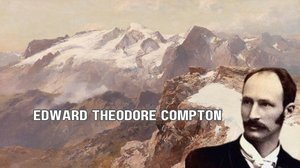
Edward Theodore Compton
1849 - 1921
Gyors információk
- Artistic Movement Or Style: Alpint művészet
- Artists Or Movements Influenced By This Artist: ['Impressionizmus']
- Artists Who Influenced This Artist: ['']
- Date Of Birth: 1849
- Date Of Death: 1921
- Full Name: Edward Theodore Compton
- Nationality: Angol
- Notable Artworks:
- Deutsch Im Wald von Valdoniello
- Deutsch Grohmannspitze und (rechts) Fünffingerspitzen
- Place Of Birth: Stoke Newington, London