

 Előnézet
 Megosztás
 Megosztás
 Részletek

 Letöltés
 Hasonló alkotások
 X-ray felvétel
 Diavetítés
Landscape with Windmill

 Tovább olvasom
Kézzel készített olajfestmény reprodukció
Kézzel festett olajvastú vászon, az Ön által választott méretben és keretben, művészeink készítik meglévőre. ( Váltás nyomtatványra Képváltás)




































Válasszon előre meghatározott méreteink közül, amelyek megfelelnek a műalkotás eredeti arányainak.

Ön megadhat saját méreteket egy adott kerethez vagy térhez igazításhoz. Ha a kiválasztott méret nem egyezik az eredeti kép arányával, akkor a műalkotást levágjuk, vagy további kézzel festett elemekkel meghosszabbítjuk a festményt. A gyártás megkezdése előtt küldünk Önnek egy digitális előnézetet jóváhagyásra.
Kérjük, vegye figyelembe, hogy a képernyőn megjelenő előnézet nem tükrözi a tényleges vágást vagy kiterjesztést. Csak az előnézet fog pontosan mutatni a végső kompozíciót.
Bár egyedi méretek állnak rendelkezésre, javasoljuk, hogy válasszon egy méretet az előre meghatározott listából az eredeti arányok megőrzése érdekében.
A rendelést követően a OriginalUniqueArt.com csapata e-mailt küld az ügyfélnek az instrukciókért, és biztosít egy előnézeti képet (mockup).
Világszerte elérhető szállítás () 3-4 hét alatt a szokásos 5 hét helyett. (10 augusztus). A minőség nem kérdőjelezhető.

Ingyenes globális expressz szállítás

Prémium minőségű len vászon

Teljes szállítási biztosítás

Vámvisszatérítési Garancia

Tökéletes színpontosság garancia

60 napos visszaküldési lehetőség (csak gyártási hibák esetén)

100%-os pénzvisszatérítési garancia

Kedvezmény több termény esetén
 Az üvegkeretes opció csak 110 cm alatti méretben érhető el

Landscape with Windmill
Reprodukciós technika
A reprodukció mérete
-


Összesített ár
$ 300
A művész életrajza
The Light of East Anglia: The Life and Legacy of Edward Seago
To wander through the canvases of Edward Seago is to embark on a sensory journey through the heart of the English landscape, where the air feels heavy with salt spray and the light dances upon the Norfolk marshes. Born in Norwich on March 31, 1910, Seago was a man whose destiny was inextricably linked to the soil and sea of East Anglia. Though he was the son of a coal merchant, his spirit was never tethered to the mundane; instead, it was drawn toward the fleeting brilliance of the natural world. His early years were marked by a profound connection to his surroundings, a bond that would later manifest in works that breathe with an almost palpable vitality. Even as a young boy, Seago faced the challenges of a rare heart condition, paroxysmal tachycardia, which often confined him to his home. Yet, it was during these periods of forced stillness that his observational powers flourished, allowing him to study the subtle shifts in light and shadow that would become the hallmarks of his mature style.
Seago’s artistic evolution was a masterful blend of self-directed passion and the influence of great masters. While he was largely a self-taught artist, his path was illuminated by the guidance of luminaries such as Sir Alfred Munnings and Bertram Priestman. This exposure helped refine his ability to marry a grounded sense of realism with the loose, expressive brushwork characteristic of late Impressionism. His technique, often compared to the luminous touch of John Singer Sargent, relied on careful color modulation to evoke atmosphere rather than mere topographical accuracy. Whether working in the fluid transparency of watercolors or the rich, textured depths of oils, Seago possessed a rare ability to capture the "essence" of a moment—the way a storm gathers over a Suffolk beach or the quiet, muted solitude of a winter garden.
A Vision Forged in War and Royalty
The trajectory of Seago’s career was profoundly shaped by the turbulent era of World War II. While many artists found their work interrupted by conflict, Seago’s unique talents were pressed into the service of his country. Enlisted by the Royal Engineers, he utilized his keen eye for color and form to develop camouflage, a task that required an intimate understanding of how light and texture blend within a landscape. This period of service did not stifle his creativity but rather deepened his technical command over the deceptive nature of sight. As the world emerged from the shadows of war, Seago’s reputation ascended to new heights, earning him the admiration of the highest echelons of British society.
His ability to document the beauty of the English coast and rural life resonated deeply with the British Royal Family. The prestige of being collected by figures such as Queen Elizabeth The Queen Mother and Prince Philip solidified his standing as a premier chronicler of the British landscape. His oeuvre expanded beyond the familiar Norfolk horizons to include evocative scenes from travels in France, notably his serene depictions of Rouen, where he captured the river's dusk with a masterful use of muted tones and loose, atmospheric strokes. This breadth of subject matter—ranging from intimate street scenes to expansive, stormy seascapes like Suffolk Beach—demonstrates an artist who was as much a traveler as he was a local observer.
The Enduring Impression of a Master
As we reflect on the life of Edward Seago, which came to an end in London in 1974, we see an artist who successfully bridged the gap between traditional realism and the emotive freedom of Impressionism. His significance lies not merely in his technical skill, but in his role as a custodian of a vanishing way of life. Through his eyes, we witness the timeless beauty of the Norfolk coastlines, the rhythmic movement of windmills in Thurne, and the quiet dignity of maritime life in Half-Tide, Pin Mill. His works serve as a nostalgic window into a landscape that feels both intimately familiar and ethereally beautiful.
Today, Seago’s legacy is preserved in prestigious institutions across the globe, ensuring that his "life painted in light" continues to inspire new generations of collectors and admirers. His contributions to British art can be summarized through several enduring themes:
- Mastery of Atmosphere: The ability to use color modulation to recreate the specific humidity, light, and weather of the English countryside.
- Technical Versatility: A seamless transition between the delicate nuances of watercolor and the robust textures of oil painting.
- Cultural Connection: A deep-seated devotion to the landscapes of East Anglia, making him a definitive voice in British landscape painting.
- Historical Resonance: An artistic journey that mirrored the resilience of the British spirit through the mid-20th century.
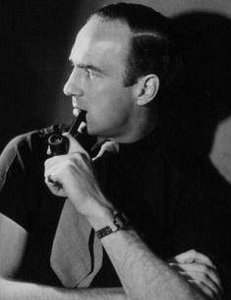
Edward Seago
1910 - 1974
Rövid tények
- Artistic Movement Or Style: Impressionism
- Artists Or Movements Influenced By This Artist: ['Post-Impressionism']
- Artists Who Influenced This Artist: ['Claude Monet']
- Date Of Birth: 1910
- Date Of Death: 1974
- Full Name: Edward Brian Seago
- Nationality: British
- Notable Artworks: ['Winter Morning']
- Place Of Birth: Norwich, England
Kapcsolódó cikkek
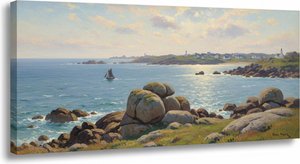
Henri Moret: Capturing the Essence of Brittany's Light – A Study in Post-Impressionist Landscape Painting
Explore the captivating landscapes of Henri Moret, a master of Post-Impressionism. Discover his unique style, key works, and legacy in our expert guide. Learn about collecting Moret's art & its investment potential.
A művészettörténet 10 ikonikus olajfestménye – OriginalUniqueArt.com
Fedezze fel a művészettörténet 10 legikonikusabb olajfestményét! Leonardo, Van Gogh, Rembrandt és más mesterek remekművei – történetükkel, technikájukkal. Vászonképek otthonába a OriginalUniqueArt.com-on! Fedezze fel a teljes gyűjteményt online.

Edward Seago: A Life Painted in Light – Nostalgia & the British Landscape Tradition
Explore the life & art of Edward Seago, a celebrated British Impressionist painter known for evocative landscapes & seascapes. Discover his captivating works and find high-quality reproductions at OriginalUniqueArt.
A művészettörténet 10 legikonikusabb olajfestménye – OriginalUniqueArt.com
Fedezze fel a művészettörténet 10 legikonikusabb olajfestményét! Rembrandt, Van Gogh és más mesterek remekművei – történelem, technika, inspiráció. Vásároljon minőségi reprodukciókat a OriginalUniqueArt.com-on!
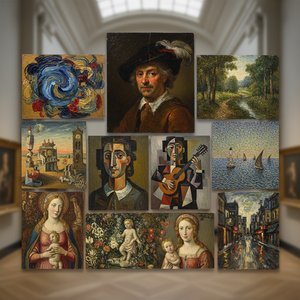
A művészettörténet 10 ikonikus olajfestménye – Vászonra ragasztott örökség a OriginalUniqueArt-tal
Fedezze fel a művészettörténet 10 legikonikusabb olajfestményét! Ismerje meg a híres festők, mint például Van Gogh és Monet történetét. Vászonképek eladó – inspirálja otthonát OriginalUniqueArt-tal! Explore the full collection online.

