1872
Thermopylae (Edward Lear, 1872)
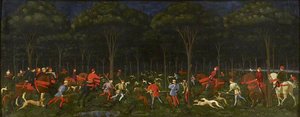
Edward Lear (1812–1888) alkotása: Thermopylae 1872-ből származik. A műtárgyat a Oxford, Egyesült Királyság-i The Ashmolean Museum of Art and Archaeology-ben őrzik. Mérete 34 × 54 cm.
- 1872
- 34 × 54 cm
- The Ashmolean Museum of Art and Archaeology, Oxford

 Megtekintés

 Kézzel festett olajfestmény
 Küldés
 Megosztás
 Információs lap


 Letöltés
 Hasonló darabok
 X-ray felvétel
 Diavetítés
 Kérdések és válaszok

 Statisztika
Thermopylae röviden
- Cím
- Thermopylae
- Művész
- Edward Lear (1812–1888)
- A művész születési helye
- London, Egyesült Királyság
- Dátum
- 1872
- Méretek
- 34 × 54 cm
- Megtekinthető helyszín
- The Ashmolean Museum of Art and Archaeology, Oxford, Egyesült Királyság
- Időszak
- 19th Century
- Téma
- landscape, mountains, nature, people, vista, outdoors
Mit ábrázol a Thermopylae?
A Vista of Eternal Grandeur
In his 1872 masterpiece, Thermopylae, Edward Lear invites the viewer to step beyond the boundaries of the everyday and into a realm where the majesty of the earth meets the quiet contemplation of the human spirit. The painting presents a breathtaking panorama, capturing a group of figures perched upon a verdant hilltop, their gazes lost in the infinite expanse of a distant mountain range. There is a profound sense of scale at play here; the vastness of the horizon serves as a silent protagonist, dwarfing the small assembly of people while simultaneously connecting them to the ancient, rugged landscape. Lear, a master of capturing both the whimsical and the sublime, uses this composition to explore the delicate equilibrium between humanity and the untamed natural world.
The technique employed in this work reflects the exquisite precision characteristic of the Victorian era's fascination with landscape realism. Through a masterful application of light and shadow, Lear breathes life into the undulating terrain, creating a sense of depth that pulls the eye from the textured foreground toward the hazy, ethereal peaks of the far distance. The brushwork, while controlled, possesses an organic fluidity that mimics the movement of wind through the valleys and the soft diffusion of light across the mountain slopes. For the discerning collector or interior designer, this piece offers a sophisticated interplay of color and atmosphere, making it an ideal focal point for spaces that require a sense of tranquility and intellectual depth.
The Soul of the Landscape
Beyond its visual splendor, Thermopylae resonates with a deep emotional intelligence. The figures within the scene are not merely spectators; they are embodiments of awe. Their presence imbues the landscape with a narrative of shared experience and quiet reverence. There is an inherent symbolism in the choice of the Thermopylae setting—a location steeped in historical weight—yet Lear strips away the violence of conflict to focus on the enduring, peaceful permanence of the earth itself. The painting suggests that even amidst the fleeting nature of human life, there exists a monumental beauty that remains unchanged by time.
For those seeking to curate an environment of inspiration, this reproduction serves as more than just decoration; it is a window into a moment of pure connection. The soft palette and sweeping vistas evoke a feeling of "the sublime," a concept central to 19th-century Romanticism, where the beauty of nature inspires both wonder and a touch of melancholy. Integrating such a work into a home or gallery space provides an anchor of serenity, inviting guests to pause, breathe, and reflect upon the magnificent scale of the world around them.
Melyik múzeumban található meg a Thermopylae?
The Ashmolean Museum of Art and Archaeology
Oxford, Egyesült Királyság
A múzeum eredetei és történelme A The Ashmolean Museum of Art and Archaeology története Elias Ashmole személyes gyűjteményével kezdődött, az az antiktisztelő, aki 1677-ben hagyományukra hagyta kincseit az egyetemet. Ez a nagylelkületű gesztus feleggyeztette azt a fondamentumot, amelyből Británia első nyilvános múzeuma emelkedett ki. Az első épületet 1678 és 1683 között emelték, hogy helyet biztosítsonzennek ezeknek a különlegességeknek, köztük római érméknek és egyiptomi múmiáknak is.


Thermopylae nagy felbontású képei
Felfüggesztett szerzői jogok: a művész 1888-ben halt meg.
Edward Lear, Thermopylae (1872), The Ashmolean Museum of Art and Archaeology. Felfüggeszthető jogforrás
Thermopylae kapcsán felmerülő kérdések megválaszolva
Hol tekinthető meg az eredeti „Thermopylae”, Edward Lear alkotása?
A „Thermopylae”, Edward Lear alkotása kiállítva található a The Ashmolean Museum of Art and Archaeology, Oxford, Egyesült Királyság-ben. A múzeumi hivatkozás az eredeti műre vonatkozik, nem a reprodukciókra.
Mikor készült a(z) „Thermopylae”, Edward Lear alkotása?
A "Thermopylae" 1872-ban készült. Ez az időpont meghatározó jelentőséggel bír Edward Lear pályájában és az adott korszak kontextusában is.
Mekkora a mérete az eredeti „Thermopylae”, Edward Lear alkotása alkotásnak?
A(z) "Thermopylae" eredeti mérete 34 x 54 cm. Az eredeti adatok hasznos referenciát nyújtanak a reprodukció méretének kiválasztásakor.
Milyen témák jelennek meg a(z) „Thermopylae”, Edward Lear alkotása alkotásban?
A "Thermopylae" alkotás tárgyai: landscape, mountains, nature, people, vista, outdoors.
A „Thermopylae”, Edward Lear alkotása jogtalanul védett (public domain)?
A „Thermopylae”, Edward Lear alkotása közösségi tulajdon – a szerzői jog lejártt státuszú mű. Ez a jogi státusz határozza meg, hogy a mű képmásolata hogyan reproduzható.
Ki a "Thermopylae" mögött álló művész?
A "Thermopylae" alkotója Edward Lear. A mű Edward Lear nevére van katalógusozva.
A „Thermopylae” Edward Lear pályájának mely szakaszát képviseli?
A "Thermopylae" Edward Lear alkotói pályájának Mature Period szakaszát képviseli.
Hány éves volt Edward Lear, amikor megalkotta a "Thermopylae" című alkotást?
Edward Lear 60 éves korában festette a „Thermopylae” című művét. A művész 1812 született, a alkotás dátuma pedig 1872.
Miért van az, hogy a "Thermopylae" szerzői jogi állapota ilyen?
Edward Lear alkotása, a "Thermopylae", közösségi tulajdon – a szerzői jog lejártt státuszban van. A szerzői jogi védelem a művész halálától számítod, Edward Lear pedig 1888 évben hunyt meg.
A művészről: Edward Lear

1812–1888, Egyesült Királyság
Edward Lear
A Life Painted in Nonsense and Light Edward Lear, a name inextricably linked with whimsical verse and delightfully peculiar illustrations, was far more than simply the popularizer of limericks and fantastical creatures. Born in 1812 in Holloway, North London, into a family teeming with twenty-one children – a chaotic yet vibrant microcosm of Victorian life – his early years were marked by both financial instability and an undeniable artistic spark. His father, Jeremiah Lear, faced considerable hardship following the Napoleonic Wars, forcing young Edward to begin earning a living through his drawings at the tender age of fifteen. This early necessity, however, wasn’t merely a means of survival; it ignited a lifelong passion that would propel him across continents, capturing the world in a kaleidoscope of hues and playful lines.
Edward Lear további művei
 Cogoleto, Italy
 Crescenza
 Blue And Yellow Macaw
 View of Taormina in Sicily with Etna in the distance1852
Thermopylae témában esszék
 Whispers of Antiquity: The Ethereal Beauty of Ruins in Impressionist ArtStep into a world where time meets light. Explore the enchanting beauty of ruins in Impressionist masterpieces. At OriginalUniqueArt.com, w…
 25 Masterpieces of Giorgio de Chirico: Exploring Metaphysical ArtStep into the haunting dreamscapes of Giorgio de Chirico. Explore 25 iconic Metaphysical paintings, from eerie shadows to surrealist enigma…
 James Abbott McNeill Whistler 25 Mesterműve: Hangulatok és Elegancia a FalakonFedezze fel James Abbott McNeill Whistler 25 legszebb művét! Ismerje meg a Nocturnok, portrék és az amerikai impresszionizmus mesterét. Ele…