A szöveg mérete

() ·

Egy Önnek készült, kézzel festett alkotás

untitled (5639)

Kézzel készített olajfestmény reprodukció

Kézzel festett olajvastú vászon, az Ön által választott méretben és keretben, művészeink készítik meglévőre. ( Váltás nyomtatványra Áttérés digitális képre)

A gyűjtemény leírása

Edward Hopper's iconic 'untitled (5639)' captures urban solitude with its evocative street scene and subtle light. Explore the painting’s details, artist insights & related artworks.

A művész életrajza

Edward Hopper: amerikai realizmus mestere, a magány és az urbán élet évtizedeihez illő fényekkel és árnyakkal. Nighthawks, Monhegan Houses ikonikus festményei!

előbb ·

1. fejezet

Mekkora méretű legyen?

Húzza a csúszkát a méret megváltoztatásához; a bal oldali kép a keret valós szélességét mutatja. Az eredeti arányok megmaradnak.

Standard méret
egyedi méretű
CM
INCH

Válasszon előre meghatározott méreteink közül, amelyek megfelelnek a műalkotás eredeti arányainak.

szélesség
magasság

Írja be a kívánt szélességet és magasságot, hogy illeszkedjen a keretéhez vagy a falához. Mivel ez kézzel festett alkotás, egy eltérő formájú méret esetén a művész akár festhet is valamivel többet a kép körül, vagy korolathat is belőle — az Ön döntésének megfelelően. A festés megkezdése előtt küldünk egy digitális tervezetet jóváhagyásra. Az oldalon látható kép nem tartalmazza a végeredményt — csak a tervezet mutatja meg a valódi eredményt.

2. fejezet

Hogyan érkezzen meg?

Válaszd ki a feszített vászon széleit

Válassza ki a keretet

Corner sample of the WhiteWrap canvas edge finish, stretched on tömörfa bars
Fehér Ft1
Corner sample of the BlurSideWrap canvas edge finish, stretched on tömörfa bars
Elmosódott szélek Ft1
Corner sample of the ExtendedWrap canvas edge finish, stretched on tömörfa bars
Kiterjesztett Ft1
Corner sample of the P118B picture frame: formázott polisztirol, 5 cm wide and 3 cm thick
P118B Ft10
Corner sample of the P118H picture frame: formázott polisztirol, 5 cm wide and 3 cm thick
P118H Ft10
Corner sample of the P118W picture frame: formázott polisztirol, 5 cm wide and 3 cm thick
P118W Ft10
Corner sample of the P438Z picture frame: formázott polisztirol, 5.5 cm wide and 3.5 cm thick
P438Z Ft10
Corner sample of the P508JH picture frame: formázott polisztirol, 7 cm wide and 3.5 cm thick
P508JH Ft12
Corner sample of the P508YH picture frame: formázott polisztirol, 7 cm wide and 3.5 cm thick
P508YH Ft12
Corner sample of the P805H picture frame: formázott polisztirol, 5 cm wide and 3.5 cm thick
P805H Ft10
Corner sample of the P805Z picture frame: formázott polisztirol, 5 cm wide and 3.5 cm thick
P805Z Ft10
Corner sample of the P919BZ picture frame: formázott polisztirol, 7 cm wide and 3.5 cm thick
P919BZ Ft10
Corner sample of the P919G picture frame: formázott polisztirol, 7 cm wide and 3.5 cm thick
P919G Ft10
Corner sample of the P919XJ picture frame: formázott polisztirol, 7 cm wide and 3.5 cm thick
P919XJ Ft10
Corner sample of the P959ZH picture frame: formázott polisztirol, 5 cm wide and 3 cm thick
P959ZH Ft10
Corner sample of the P968JZ picture frame: formázott polisztirol, 6 cm wide and 4 cm thick
P968JZ Ft12
Corner sample of the W106C picture frame: tömörfa, 5 cm wide and 3 cm thick
W106C Ft8
Corner sample of the W218G picture frame: tömörfa, 5 cm wide and 3 cm thick
W218G Ft10
Corner sample of the W218JH picture frame: tömörfa, 5 cm wide and 3 cm thick
W218JH Ft8
Corner sample of the W218Y picture frame: tömörfa, 5 cm wide and 3 cm thick
W218Y Ft10
Corner sample of the W307PJ picture frame: tömörfa, 6 cm wide and 3 cm thick
W307PJ Ft10
Corner sample of the W316G picture frame: tömörfa, 6 cm wide and 3 cm thick
W316G Ft10
Corner sample of the W316PJ picture frame: tömörfa, 6 cm wide and 3 cm thick
W316PJ Ft8
Corner sample of the W316Y picture frame: tömörfa, 6 cm wide and 3 cm thick
W316Y Ft10
Corner sample of the W398PJ picture frame: tömörfa, 5 cm wide and 3 cm thick
W398PJ Ft8
Corner sample of the W4111J picture frame: tömörfa, 6.5 cm wide and 3.5 cm thick
W4111J Ft10
Corner sample of the W500HY picture frame: tömörfa, 7 cm wide and 5 cm thick
W500HY Ft15
Corner sample of the W500JH picture frame: tömörfa, 7 cm wide and 5 cm thick
W500JH Ft15
Corner sample of the W692G picture frame: tömörfa, 8 cm wide and 4 cm thick
W692G Ft12
Corner sample of the W849H picture frame: tömörfa, 5 cm wide and 3 cm thick
W849H Ft8
Corner sample of the W940BG picture frame: tömörfa, 7.5 cm wide and 4.5 cm thick
W940BG Ft15
Corner sample of the W953PJ picture frame: tömörfa, 6 cm wide and 3.5 cm thick
W953PJ Ft8
Corner sample of the H24-GOLD picture frame: faragott fa gesszóval, 10 cm wide and 6 cm thick
H24-GOLD Ft30
Corner sample of the H24-SILVER picture frame: faragott fa gesszóval, 10 cm wide and 6 cm thick
H24-SILVER Ft30
Corner sample of the H36-GOLD picture frame: faragott fa gesszóval, 15 cm wide and 6.5 cm thick
H36-GOLD Ft45
Corner sample of the H36-SILVER picture frame: faragott fa gesszóval, 15 cm wide and 6.5 cm thick
H36-SILVER Ft45

Keretprofil: . A kerettel együtt vett teljes méret: .

3. fejezet

Ki festi, és változtatni kellene-e bármit?

Példák a módosíthatóságra: Az arc kicserélése a vásárló fotójára; háziállat hozzáadása (pl. macska kicserélése kutyára); rejtett üzenet elhelyezése a háttérben; a háttér tájéképének vagy elemeinek megváltoztatása.
A megrendelést követően a OriginalUniqueArt.com csapat e-mailt küld a vásárlónak az instrukciókkal, és biztosítja a tervezeti előnézetet

Világszerte elérhető szállítás () 3-4 hét alatt a szokásos 5 hét helyett. (6 november). A minőség nem kérdőjelezhető.

4. fejezet

Az utolsó finomhangolás

Egy felirat, mint egy múzeumban?

A gravírozott bronztábla részletei

This elegant plaque features the artist's name and the title of the artwork, finely engraved for a timeless presentation.

It is made from bronze with a refined, elegant finish. The text is precisely laser-engraved for a sharp and permanent result. Measuring 9x2 cm, the plaque is compact yet easy to read. It's built to be durable and scratch-resistant, offering a professional, museum-quality look. Mounting is simple thanks to the included adhesive backing.

Átlátszó akril tábla részletei

The plaque includes essential engraved details such as the artist's name, the title of the artwork, the date it was created, the type of media used-like oil on canvas or watercolor-a brief description of the piece, and a QR code that links to the complete artwork information.

It is crafted from clear acrylic, offering a sleek, modern appearance. The text is UV-engraved in black to ensure strong visual contrast. With a size of 10x15 cm, it ensures optimal readability. It comes equipped with two metal hooks for secure wall mounting. The plaque is designed to be weather-resistant, making it suitable for various environments, and it includes interactive features that work seamlessly with smartphone scanning.

Fekete akril tábla részletei

This elegant plaque includes engraved information such as the artist's name, the title of the artwork, the date it was created, the type of media used (like oil on canvas or watercolor), a short description of the artwork, and a QR code for quick access to more information.

The plaque itself is made from refined black acrylic with a premium finish. The text is laser-engraved in white for high contrast and readability. Its size is 10x15 cm, designed to be easy to read. It comes with two metal hooks for professional mounting. The design is sleek and fits any interior style. It is also weather-resistant and durable, with built-in digital integration for mobile compatibility.

Egy védőréteg?

Mikor lenne szüksége rá?

5. fejezet

Az Ön által megrendelt festmény

untitled (5639)

Reprodukciós technika

Reprodukció mérete

-

Kiváló mesterművész

Nagyobb részletesség, finomság és bővített gyártási idő

-

Reprodukció keretezése

-

-

A bármely oldalsó méretét túlszálaló 105 cm (kb. 41 hüvelyk) meghaladó műalkotások vagy reprodukciók esetében a keret összeszerelhető készletként, szétszerelve kerül szállításra. Ez a módszer biztosítja a biztonságos szállítást, és megakadályozza a szállítás során fellépő sérüléseket.

Szakmész összeszerelést igényel – ez nem DIY (önösszeszerelhető) termék.
A készletet egy tapasztalt keretező szakembernek kell összeszerelnie és a vásznat feszítenie kell, fa ragasztó (nem tartalmazza a csomag), vásznfeszítő fogó és szorítók használatával, amelyek a ragasztó száradásáig a keretrészeket egymáshoz vuôngjba tartják. A helytelen összeszerelés vagy a nem egyenletes vásznfeszítés maradandó károsíthatja a műalkotást, és ez nem része a garanciánknak.

  • A készlet tartalmazza az összes tömörfa rudat, pontosan méretre vágva.

  • A mellékelt csavarokkal, valamint a sarokszerekhez szükséges faütő ragasztóval kell összeszerelnie (ez nem tartalmazható a csomagban), így a keretrendezőnek külön kell beszereznie.

  • A csomag nem tartalmazza a szükséges professzionális eszközöket: egy vászonfeszítőt és klipseket a rácsok vízszintes tartásához a ragasztó megszáradásáig.

Fontos:
A sarokcsatlakozásokhoz fánylagra van szükség, a keretrudakat szorítókapcsokkal kell rögzíteni, amíg a rag teljesen meg nem szárad, a kész keretre feszített vászonhoz pedig vászonfeszítő fogat szükséges. Ezek egyike sem található meg a készletben. Kérjük, rendelés előtt győződjön meg róla, hogy rendelkezik tapasztalt keretező szakemberrel.

Névtábla

-

-

Védőréteg (Lakk)

Fényes lakk (intenzívabb színek, védelem a fény és a nedvesség hatása ellen)

-

Műalkotásom egyedi igényre szabása

Példák a módosíthatóságra: az arc kicserélése az ügyfél fotójára; háziállat hozzáadása (pl. macska helyett kutya); rejtett üzenet elhelyezése a háttérben; a háttér tájainak vagy elemeinek megváltoztatása.

-

Sürgős

Világszerte szóló szállítás () mindössze 3-4 hét alatt, a szokásos 5 hét helyett. (6 november). A minőség nem kérdőjelezhető.

-

Express szállítás

Világszerte elérhető szállítás területre 5 héten belül. (13 november).

A szállítás díja tartalmazza

Összesített ár

Ft 98001

Összesített ár Ft 98001

Az üvegkeretes opció csak 110 cm alatti méretben érhető el

Minden rendelés mellé tartalmazva

  • Ingyenes globális expressz szállítás
  • Prémium minőségű len vászon
  • Teljes körű szállítási biztosítás
  • Vámvisszatérítési Garancia
  • Hiteles színarányosság garancia
  • 100 napos visszaküldési lehetőség (csak hibás termékek esetén)
  • 100% pénzvisszatérítési garancia
  • Több darab vásárlásakor kedvezmény

The Quiet Resonance of a City Night

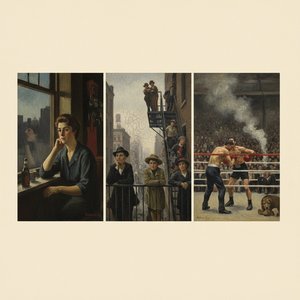
Edward Hopper's "untitled (5639)," painted in 1942, isn't merely a depiction of a street scene; it’s a distilled essence of modern American loneliness. Captured with his signature mastery of light and shadow, the painting transports us to a late-night urban landscape—a tableau of quiet contemplation amidst the anonymity of city life. The canvas breathes with an understated melancholy, inviting viewers to ponder the solitary figures caught within its frame and the unspoken narratives simmering beneath the surface.

Hopper’s genius lay in his ability to imbue ordinary subjects – a street corner, a diner, a single figure—with profound emotional weight. “untitled (5639)” exemplifies this perfectly. The architecture, suggestive of early 20th-century New York, is rendered with precise detail yet feels simultaneously detached and impersonal. The muted palette—earth tones punctuated by the warm brick of the building and the cool hues of the sky—creates a sense of stillness, amplifying the feeling of isolation. The composition itself draws the eye towards the solitary figure walking away from the viewer, creating an immediate connection with this anonymous individual’s journey.

A Masterclass in Realism and Light

Technically, “untitled (5639)” is a testament to Hopper's rigorous approach. He employed a realistic style, meticulously observing and translating the world around him onto canvas. However, he wasn’t simply replicating reality; he was sculpting an atmosphere—a mood. The use of light is particularly striking. The diffused glow emanating from the diner windows casts long shadows, defining shapes and creating a sense of depth while simultaneously obscuring details. Hopper masterfully utilizes chiaroscuro – the dramatic contrast between light and dark – to heighten the painting’s emotional impact, drawing attention to key elements and subtly suggesting hidden narratives.

The brushstrokes are deliberate and controlled, contributing to the overall sense of stillness and restraint. Hopper favored a technique that allowed the paint to retain a certain texture, avoiding overly smooth or blended surfaces. This textural quality adds a layer of visual interest and reinforces the painting’s tangible presence. The careful rendering of the building's facade, with its varied windows and fire escape, speaks to Hopper’s keen eye for architectural detail—a hallmark of his work.

Symbolism and the American Condition

Beyond its technical merits, “untitled (5639)” is rich in symbolism. The solitary figure walking away represents a detachment from connection, a feeling that resonates deeply within the modern experience. The empty street, illuminated by the artificial light of the diner, evokes a sense of urban alienation—a common theme in Hopper’s oeuvre. Some art historians suggest the painting was inspired by Hemingway's short stories, particularly "The Killers," exploring themes of isolation and unspoken anxieties.

The inclusion of the lamppost with its striped base adds another layer of visual interest, acting as a subtle focal point within the composition. It’s a small detail that contributes to the painting's overall sense of quiet observation. The painting can be interpreted as a meditation on the complexities of urban life—the beauty and the loneliness, the connection and the isolation—all interwoven into a single, evocative image.

A Legacy of Solitude

“untitled (5639)” stands as one of Edward Hopper’s most enduring works, capturing the essence of American realism with remarkable precision and emotional depth. It's a painting that continues to resonate with viewers today, prompting reflection on themes of solitude, urban life, and the human condition. Reproductions of this iconic piece offer a powerful way to bring Hopper’s evocative vision into any space, inviting contemplation and adding a touch of understated elegance to your surroundings.

Kérdések és válaszok

Melyik szín tűnik ki leginkább a(z) "untitled (5639)" alkotásból?

A „untitled (5639)”, Edward Hopper alkotása domináns színe a Driftwood (#a8765d).

Milyen érzelmet közvetít a „untitled (5639)”, Edward Hopper alkotása?

A "untitled (5639)" egy Melancholic érzetet kelt. Az érzelmi hangulat azt az impressziót írja le, amelyet a mű közvetít.

Elérhető-e a "untitled (5639)" nagy felbontású letöltése?

A „untitled (5639)”, Edward Hopper alkotása digitális képét a következő oldalon vásárolhatja meg: Digitális alkotás: magas felbontású digitális kép letöltése.

Több információ erről a festményről

Megtekintés AR előnézet Váltás nyomtatványra Áttérés digitális képre Küldés
Részletek Útmutató Kedvencekhez ad Letöltés Hasonló darabok X-ray felvétel Diavetítés Kérdések és válaszok Statisztika

Számokban kifejezve

  • 29választható keretek
  • standard méretek, saját arányokkal
  • 5hetek a festésre és a kézbesítésre

Az eredeti műről

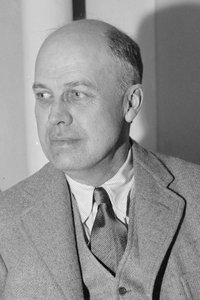
Edward Hopper

Edward Hopper

1931 - 1967, Egyesült Államok

Gyors információk Edward Hopper művészről

  • Artistic Movement Or Style: Realista
  • Artists Or Movements Influenced By This Artist: ['Pierre Sanford Ross']
  • Artists Who Influenced This Artist:
    • William Chase
    • Robert Henri
  • Date Of Birth: 1882. július 22.
  • Date Of Death: 1967. május 15.
  • Full Name: Edward Hopper
  • Nationality: Amerikai
  • Notable Artworks:
    • Nighthawks
    • House by the Railroad
    • Gas
  • Place Of Birth: Nyack, USA

A művész életrajza

A Solitude Observed: The Life and Art of Edward Hopper

Edward Hopper, a name inextricably linked to the quietude and subtle melancholy that permeated 20th-century American life, wasn’t simply a painter of scenes; he was a poet of light and shadow, a chronicler of modern isolation. Born in Nyack, New York, in 1882, to middle-class parents of Dutch ancestry, Hopper's early years provided a stable upbringing that nurtured his artistic inclinations. From childhood sketches meticulously dated and signed, it became evident that keen observation and an innate talent for drawing were central to his being. Though initially encouraged towards commercial illustration – a pragmatic suggestion from his parents – Hopper’s ambitions leaned toward fine art, leading him to the New York School of Art where he studied under William Merritt Chase and Robert Henri. These formative years instilled not only technical skill but also an appreciation for realism and a commitment to depicting the world as he saw it—unvarnished and honest. The writings of Ralph Waldo Emerson resonated deeply with Hopper, reinforcing his sense of individualism and acute observation – qualities that would become hallmarks of his artistic vision. Early travels to Paris exposed him to Impressionism, yet Hopper quickly diverged from its fleeting brushstrokes, forging a path uniquely his own.

Finding His Voice: Realism and the American Scene

Hopper’s artistic journey wasn't immediate or effortless. He grappled with discovering his distinctive voice, experimenting with various styles before settling into the realism that would define his career. This wasn’t mere replication of reality; it was a distillation of its essence, stripping away extraneous detail to reveal underlying emotional truths. His paintings began to focus on everyday scenes – houses, diners, offices, hotel rooms – imbued with a sense of stillness and often, loneliness. He possessed an extraordinary ability to capture the psychological states of his subjects, hinting at narratives without explicitly stating them. The precise rendering of light and shadow became crucial, not merely as descriptive elements but as emotional cues, creating atmospheres that were both captivating and unsettling. House by the Railroad (1925), an early masterpiece, exemplifies this approach—a seemingly simple composition radiating a profound sense of isolation and mystery. Hopper’s printmaking, often overlooked, ran parallel to his painting, sharing similar themes and stylistic qualities, demonstrating his mastery across mediums. He wasn't interested in grand historical narratives or allegorical symbolism; he focused on the mundane, elevating it through careful observation and emotional resonance.

Iconic Visions: Nighthawks and Beyond

While Hopper’s career unfolded gradually, certain works catapulted him to widespread recognition. Nighthawks (1942), arguably his most famous painting, became an instant icon of American culture. The late-night diner scene, bathed in stark fluorescent light, perfectly encapsulates the alienation and anonymity of modern urban life. The figures within are lost in their own thoughts, disconnected from one another despite their proximity—a poignant commentary on the human condition. Gas (1940), with its striking portrayal of a roadside gas station, showcases Hopper’s fascination with American landscapes and the burgeoning automobile culture. Other notable works like *Automat*, *Office in a Small City*, and *Summertime* each offer unique insights into the complexities of 20th-century American society. These paintings weren't merely depictions of places; they were explorations of mood, psychology, and the subtle dramas unfolding within ordinary settings. His wife, Josephine Nivison Hopper, played a vital role not only as his lifelong companion but also as a frequent model, contributing significantly to the characterization of his female figures.

Themes and Legacy: A Lasting Influence

Several recurring themes permeate Hopper’s oeuvre. Urban isolation is perhaps the most prominent—the sense of loneliness experienced by individuals even amidst crowds. He explored the American landscape, both rural and urban, often emphasizing its starkness and emptiness. His work delves into psychological realism, probing the inner lives of his subjects with a sensitivity that transcends mere representation. There’s also an undercurrent of nostalgia for a simpler past, juxtaposed with an acknowledgement of the complexities and anxieties of modern life. Hopper's influence on subsequent artists is undeniable. His unique style has inspired countless painters, including Pierre Sanford Ross, and continues to resonate with contemporary artists seeking to capture the essence of human experience. His paintings remain highly sought after by collectors and are exhibited in major museums worldwide, solidifying his place as a pivotal figure in American art history. More than just an artist, Edward Hopper was a visual philosopher, offering profound insights into the human condition through his masterful use of light, shadow, and composition.
  • His legacy lies not only in the beauty of his paintings but also in their enduring ability to provoke thought, evoke emotion, and remind us of the quiet solitude that often defines our lives.
  • Hopper’s work continues to captivate audiences because it speaks to universal themes of loneliness, isolation, and the search for meaning in a rapidly changing world.
  • His paintings have become iconic representations of American culture, often used to symbolize the anxieties and aspirations of the 20th century—and beyond.
  • Hopper’s aesthetic has profoundly influenced filmmakers (like Alfred Hitchcock) and writers, inspiring countless works that explore similar themes of alienation and psychological tension.
Edward Hopper's ability to capture the essence of modern American life with honesty, sensitivity, and a distinctive artistic vision ensures his place as one of the most important artists of the 20th century.

Gyors információk

  • Title: untitled (5639)
  • Style: Realistic, melancholic
  • Medium: Oil on canvas
  • Notable elements: Urban scene, light/shadow
  • Influences: Modernism

Művészeti kvíz

Minden kérdésre csak egy helyes válasz létezik.

Kérdés 1:
What is the primary subject matter of Edward Hopper’s ‘untitled (5639)’?
Kérdés 2:
The painting ‘untitled (5639)’ is primarily associated with which artistic movement?
Kérdés 3:
Considering Edward Hopper’s style, what is the most likely intended mood or feeling conveyed by ‘untitled (5639)’?
Kérdés 4:
What architectural element is prominently featured in the painting, drawing attention to the scene’s urban setting?