Előnézet
 Megosztás
 Megosztás
 Részletek

 Letöltés
 Hasonló darabok
 X-ray felvétel
 Diavetítés
 Statisztika
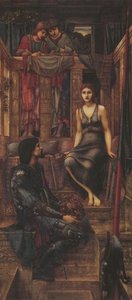
Virágok Szíve


 Tovább olvasom
Giclée / Műnyomat
Múzeumi minőségű giclée vagy vászonnyomat, gyors gyártással és rugalmas finomítási lehetőségekkel. ( Kézzel festett másolat vásárlása Áttérés digitális képre)




P118B $10

P118H $10

P118W $10

P438Z $10

P508JH $12

P508YH $12

P805H $10

P805Z $10

P919BZ $10

P919G $10

P919XJ $10

P959ZH $10

P968JZ $12

W106C $8

W218G $10

W218JH $8

W218Y $10

W307PJ $10

W316G $10

W316PJ $8

W316Y $10

W398PJ $8

W4111J $10

W500HY $15

W500JH $15

W692G $12

W849H $8

W940BG $15

W953PJ $8




Válasszon előre meghatározott méreteink közül, amelyek megfelelnek a műalkotás eredeti arányainak.

Megadhat saját méreteket is egy konkrét kerethez vagy helyszínhez igazítva. Amennyiben a kiválasztott méret nem egyezik az eredeti kép arányokkal, a műalkotást le fogjuk vágni, vagy kiegészítjük a képet tükrözött vagy egyszínű szélekkel. A gyártás megkezdése előtt egy digitális tervezetet küldünk jóváhagyásra.
Kérjük, vegye figyelembe, hogy a képernyőn látható előnézet nem tükrözi a tényleges levágást vagy kiegészítést. Csak a tervezet mutatja pontosan a végső kompozíciót.
Bár az egyedi méretek is elérhetőek, az eredeti arányok megőrzése érdekében azt javasoljuk, hogy válasszon a előre meghatározott listából származó méretet.
Világszerte történő kiszállítás területére mindössze 2 hét alatt, a szokásos 4-5 hét helyett. (20 szeptember)

Ingyenes globális expressz szállítás

Prémium minőségű len vászon

Teljes körű szállítási biztosítás

Vámvisszatérítési Garancia

Tökéletes színarányosság garancia

100 napos visszaküldési garancia (csak gyártási hibás termékek esetén)

100% pénzvisszatérítési garancia

Több darab vásárlásakor kedvezmény
 Az üvegkeretes opció csak 110 cm alatti méretben érhető el

Virágok Szíve
Giclée / Műnyomat
Reprodukció méretei
-


Összesített ár
$ 80
A Szív Virágunk – Burne-Jones Mesterségeinek Érzeje
Edward Coley Burne-Jones, a brit művész, aki 1833-ban született Birminghamben, a viktorális kor egyik legjelentősebb képzőművésze volt. A Pre-Raphaelite testvérséghez kötődése és az ókori görög és római témák iránti szenvedélye egyedülálló művészeti világot teremtett, amely a szépséget, a mítoszt és a vallást ötvözte. "A Szív Virágunk" (Heart of the Rose) című alkotása, mely 1889-ben készült, ennek a szellemiségnek a legszebb példája. A festmény egy gyönyörű jelenetet ábrázol: angyalok és emberek táncolnak egy virágoskertben, ahol egy nő, aki egy rózsa közepén áll, körülvegye két angyal által. Az angyalok a kép bal és jobb oldalán helyezkednek el, ami egyfajta dinamikus egyensúlyt teremt a kompozícióban. A háttérben kisebb alakokat is láthatunk, melyek tovább gazdagítják a jelenet komplexitását. Egy madár száll a szélben, ami életet és mozdulást kölcsönöz a festménynek.A Pre-Raphaelite Stílus és a Technikai Műveltség
Burne-Jones művészete a Pre-Raphaelite testvérség stílusaiban gyökerezik, amely a reneszánsziás művészek munkásságának méltóságát és tisztaságát helyezi előt. A festőművész rendkívül részletes technikával dolgozott, a színek pontos megkülönböztetésével és a fények finom kezelésével. A "Szív Virágunk" esetében is ez a precizitás jellemzi a munkáját: a rózsa virágok apróbb árnyalatainak ábrázolása, az angyalok ruházatának bonyolult textúrája és a természetes fények éles kontrajai mind-mind a festőművész magas szintű képességét mutatják. A festményt olajkrétával és pigmentekkel készítette el, ami a színek ragyogását és mélységét növeli.Mítosz, Vallás és Szimbolizmus
Burne-Jones művei gyakran a mitológia, a vallás és a legendák témáit választották meg. "A Szív Virágunk" esetében a rózsa szimbóluma a szépség, az élet és a szeretet erejét jelenti. Az angyalok pedig a földi világot és a mennyet kötő kapcsolatot képviselik. A festményben megjelenő virágoskert egy ideális, paradicsomi helyszínt ábrázol, ahol a szépség, a harmónia és a béke uralkodnak. A madár pedig az élet és a transzcendencia szimbóluma. A művész a festményben számos rejtett jelentéssel teli elemet használ, melyek mélyebb értelmezést tesznek lehetővé.Érzelmi Hatás és Dekorációs Lehetőségek
"A Szív Virágunk" egy gyönyörű, romantikus műalkotás, amely a nézőt magába vonja. A festmény nyugodt, békés hangulatát a virágoskert, az angyalok és a nő harmóniája teremti meg. A festmény színei – a mélyvörös, a sárga, a zöld és a kék – egyfajta varázslatos hatást keltenek. A festmény különösen alkalmas otthoni dekorációra, hiszen a szépség, a harmónia és a nyugalom érzését adja. Egy kiváló minőségű reprodukció segítségével bárki élvezheti Burne-Jones mesterségének erejét és szégyenkezetét. A OriginalUniqueArt.com kínál egy autentikus, kézzel festett utalványt, amely a műalkotás eredeti szépségét és részletességét tökéletesen visszaadja.A művész életrajza
A Dream Woven in Color: The Life and Art of Edward Burne-Jones
Born in the burgeoning industrial heartland of Birmingham in 1833, Sir Edward Coley Burne-Jones emerged as a pivotal figure bridging the romantic currents of the Pre-Raphaelite Brotherhood with the aesthetic sensibilities of the late Victorian era. His life, marked by both profound artistic vision and personal complexities, unfolded against a backdrop of societal change and a fervent rediscovery of medieval ideals. The early loss of his mother cast a long shadow, shaping a childhood nurtured by his father and the steadfast housekeeper Ann Sampson – an upbringing that fostered a contemplative nature and a deep immersion in imaginative worlds. His formal education at King Edward VI Grammar School and later the Birmingham School of Art laid the foundation for his technical skill, but it was his time at Exeter College, Oxford, that truly ignited his artistic destiny. There, he forged an enduring friendship with William Morris, a bond built on shared intellectual passions and a mutual yearning for beauty in a rapidly modernizing world. This connection would prove instrumental, not only in shaping Burne-Jones’s artistic trajectory but also in establishing the influential firm of Morris & Co., dedicated to reviving traditional craftsmanship.The Brotherhood and the Birth of a Unique Vision
Oxford became a crucible for artistic experimentation, as Burne-Jones and Morris, alongside their circle of friends – “the Birmingham Set” – immersed themselves in the writings of John Ruskin and Alfred Tennyson, finding inspiration in the art and ethos of the Middle Ages. This fervent embrace of medievalism wasn't merely nostalgic; it was a rejection of what they perceived as the ugliness and materialism of contemporary society. The formation of "The Brotherhood" solidified their commitment to artistic ideals, fostering an environment where poetry, literature, and visual arts intertwined. A pivotal moment arrived with his introduction to Dante Gabriel Rossetti, whose work profoundly impacted Burne-Jones’s early style. However, he quickly transcended imitation, developing a distinctive aesthetic characterized by ethereal beauty, melancholic grace, and a meticulous attention to detail. His paintings weren't simply illustrations of medieval tales; they were evocative dreamscapes imbued with symbolism and psychological depth. The influence of Botticelli and Filippo Lippi became apparent in his attenuated figures and delicate compositions, yet Burne-Jones infused these influences with a uniquely British sensibility. He sought not to replicate the past but to distill its essence, creating works that felt both ancient and utterly new. His early paintings, such as *Merlin and Nimue* (1877) and *King Cophetua and the Beggar Maid* (1884), showcased this ability to transform historical narratives into emotionally resonant experiences.From Painting to Tapestry: A Renaissance of Craft
Burne-Jones’s artistic output extended far beyond the canvas. His collaboration with William Morris led to the founding of Morris & Co., a firm that revolutionized decorative arts in England. He wasn't merely designing patterns; he was reimagining the very concept of artistry, advocating for a holistic approach where art permeated every aspect of life. The firm produced exquisite textiles, wallpapers, furniture, and stained glass – all bearing the hallmark of Burne-Jones’s refined aesthetic. His designs for stained glass are particularly noteworthy, transforming churches and cathedrals into luminous realms of color and narrative. The medium allowed him to explore his fascination with light and symbolism in a new dimension, creating windows that served as both devotional objects and works of art. This commitment to craftsmanship wasn't simply about reviving traditional techniques; it was a deliberate attempt to elevate the status of decorative arts, challenging the prevailing hierarchy that placed painting and sculpture at the pinnacle of artistic achievement. The intricate details and rich symbolism in these windows reflect Burne-Jones’s deep understanding of medieval iconography and his desire to create works of enduring beauty.Personal Shadows and Enduring Legacy
Burne-Jones's personal life was not without its complexities. His marriage to Georgiana MacDonald, though enduring, was shadowed by a passionate affair with his Greek model, Maria Zambaco, which culminated in a dramatic crisis. Despite these emotional upheavals, he continued to produce an astonishing body of work, exploring themes of love, loss, and the search for spiritual meaning. His later paintings became increasingly introspective, characterized by a heightened sense of melancholy and a more abstract approach to form. He received a baronetcy in 1895, recognizing his significant contributions to British art and culture. Upon his death in 1898, Burne-Jones left behind a legacy that continues to resonate today. His influence can be seen in the work of countless artists who followed, and his designs continue to inspire contemporary craftspeople and designers. He remains a testament to the power of art to transcend time and touch the deepest recesses of the human soul. Burne-Jones’s enduring appeal lies in his ability to evoke a sense of longing for a lost paradise, a world where beauty and spirituality reign supreme.A Lasting Influence
- Burne-Jones’s work embodies the Pre-Raphaelite ideals of beauty, detail, and symbolism, yet he developed a unique style that set him apart from his contemporaries.
- His contributions to decorative arts through Morris & Co. revitalized traditional crafts and elevated the status of design.
- His stained glass windows remain iconic examples of Victorian artistry, transforming sacred spaces with their luminous beauty.
- He profoundly influenced subsequent generations of artists, inspiring a renewed appreciation for craftsmanship and aesthetic values.
- Burne-Jones’s exploration of myth, legend, and psychological themes continues to captivate audiences today, solidifying his place as one of the most important British artists of the 19th century.

Burne-Jones
1833 - 1898 , Egyesült Királyföld
Gyors információk
- Artistic Movement Or Style: Prerafaeli, Esztétika
- Artists Or Movements Influenced By This Artist:
- Angol festők
- Művészeti kézművesek
- Artists Who Influenced This Artist:
- Rossetti
- Botticelli
- Lippi
- Date Of Birth: 1833. augusztus 28.
- Date Of Death: 1898. június 17.
- Full Name: Edward Coley Burne-Jones
- Nationality: Angol
- Notable Artworks:
- Merlin és Vivian
- Sisyfusz
- Tengerüllő
- Place Of Birth: Birmingham, Anglia
Kapcsolódó cikkek
Beyond the Basics: The Bold, Dreamy World of Pre-Raphaelite Art
Dive into the vivid, rebellious world of Pre-Raphaelite art. Explore the intense detail, romantic myths, and bold colors of this iconic movement, and learn how to bring these timeless, hand-painted masterpieces into your modern space with expert curation.

Dante Gabriel Rossetti 25 Mesterműve: Szépség és Lelkiség a Vásznon – OriginalUniqueArt
Fedezze fel Dante Gabriel Rossetti 25 legszebb művészeti alkotását! Ismerje meg a prerafaeliták titkait, a viktoriánus festészet szépségét és a romantikus szimbolizmus mélységeit. Prémium minőségű art reprodukciók a OriginalUniqueArt-on – inspiráció otthonába!
Edward Burne-Jones: A Pre-Raphaelite Vision of Myth, Symbolism & Aesthetic Idealism
Discover the enchanting world of Edward Burne-Jones and the Pre-Raphaelite Brotherhood. Explore his mythical paintings, distinctive style, and lasting influence on Victorian art & the Aesthetic Movement. Expert analysis & high-quality reproductions at OriginalUniqueArt.

The Pre-Raphaelite Brotherhood: Rediscovering Beauty, Romance, and Medieval Magic in Victorian Art
Embark on a journey through the Pre-Raphaelite Brotherhood. Discover the romantic symbolism, medieval magic, and radical beauty of Rossetti and Burne-Jones in this expert exploration of Victorian art history.

Pre-Raphaelite Romanticism: A Guide to Vivid Detail and Medieval Beauty in Victorian Art
Explore the vivid detail and medieval beauty of Pre-Raphaelite Romanticism. Discover the history of masters like Rossetti and Millais through our expert guide to Victorian art, perfect for collectors and professionals seeking authentic, museum-quality reproductions.