
 Előnézet
 Megosztás
 Megosztás
 Részletek

 Letöltés
 Hasonló alkotások
 X-ray felvétel
 Diavetítés
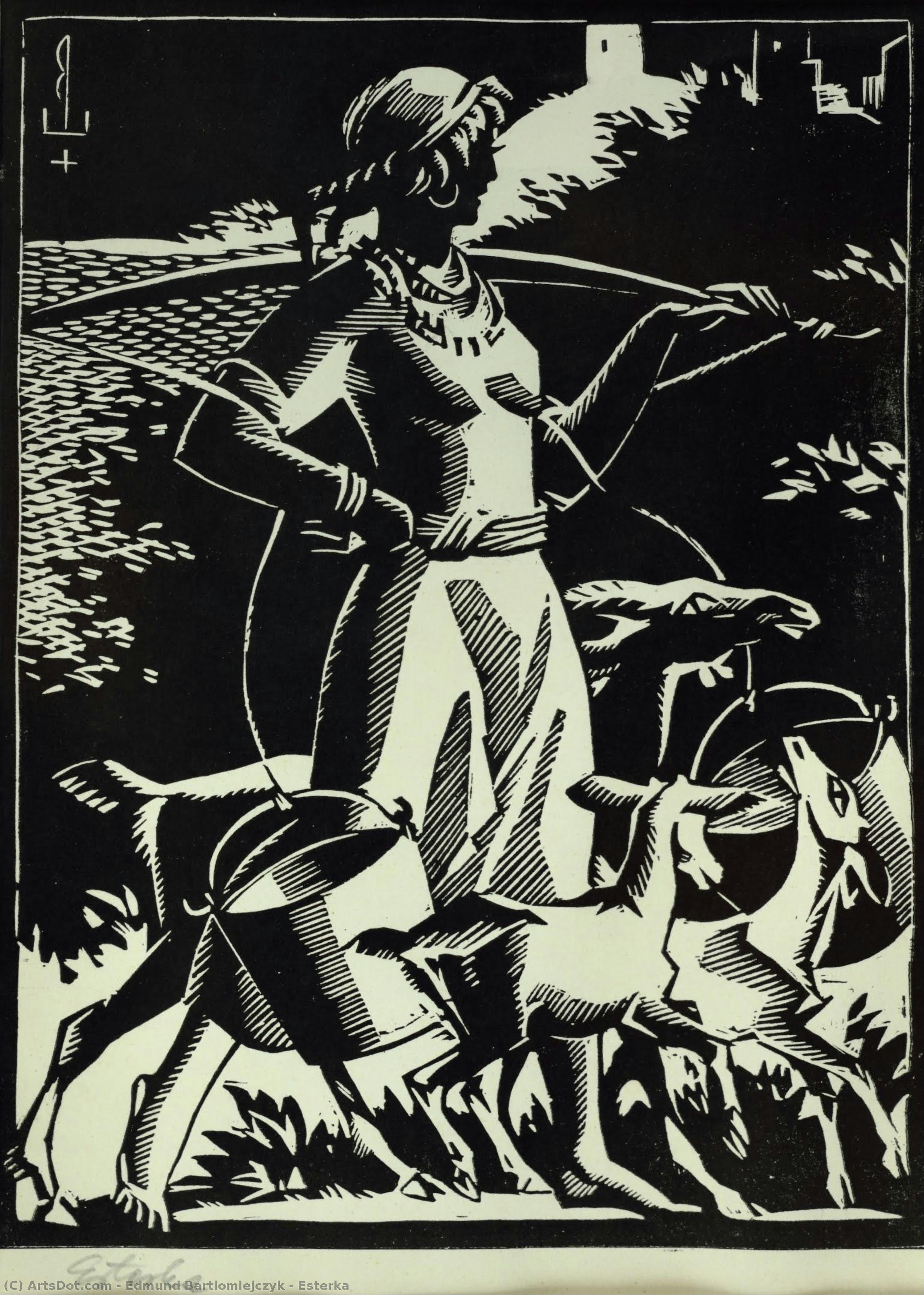
Esterka


 Tovább olvasom
Giclée / Műnyomat
Múzeumi minőségű giclée vagy vászonnyomat, gyors gyártással és rugalmas finomítási lehetőségekkel. ( Áttérés a kézzel festett másolatra Képváltás)




































Válasszon előre meghatározott méreteink közül, amelyek megfelelnek a műalkotás eredeti arányainak.

Megadhat saját méreteket is egy konkrét kerethez vagy helyszínhez igazítva. Amennyiben a kiválasztott méret nem egyezik az eredeti kép arányokkal, a műalkotást le fogjuk vágni, vagy kiegészítjük a képet tükrözött vagy egyszínű szélekkel. A gyártás megkezdése előtt egy digitális tervezetet küldünk jóváhagyásra.
Kérjük, vegye figyelembe, hogy a képernyőn látható előnézet nem tükrözi a tényleges levágást vagy kiegészítést. Csak a tervezet mutatja pontosan a végső kompozíciót.
Bár az egyedi méretek is elérhetőek, az eredeti arányok megőrzése érdekében azt javasoljuk, hogy válasszon a előre meghatározott listából származó méretet.
Világszerte történő kiszállítás területére 2 hét alatt, a szokásos 4-5 hét helyett. 4 augusztus

Ingyenes globális expressz szállítás

Prémium minőségű len vászon

Teljes szállítási biztosítás

Vámvisszatérítési Garancia

Tökéletes színpontosság garancia

60 napos visszaküldési lehetőség (csak gyártási hibák esetén)

100%-os pénzvisszatérítési garancia

Kedvezmény több termény esetén
 Az üvegkeretes opció csak 110 cm alatti méretben érhető el

Esterka
Giclée / Műnyomat
A reprodukció mérete
-


Összesített ár
$ 80
A művész életrajza
Edmund Bartłomiejczyk: A Painter of Everyday Life and River Landscapes
Edmund Bartłomiejczyk (5 November 1885 – 2 September 1950 Warsaw, Poland) was a Polish painter whose distinctive style captured the essence of rural life and particularly the serene beauty of river landscapes. Born in Łódź, Poland, he pursued his artistic ambitions with unwavering dedication throughout his lifetime, leaving behind a legacy of evocative paintings that continue to resonate with viewers today. Bartłomiejczyk’s formative years were marked by exposure to Impressionistic influences—particularly those championed by Claude Monet and Pierre-Auguste Renoir—which instilled in him a fascination for capturing fleeting moments of light and color. This aesthetic sensibility would become a cornerstone of his artistic vision, guiding his approach to portraying scenes from the Polish countryside. He meticulously observed the rhythms of daily life, depicting farmers tending their fields, children playing by the riverbanks, and families gathered around hearth fires—subjects rendered with remarkable sensitivity and detail. His technique involved layering thin washes of pigment onto canvas, creating luminous surfaces that conveyed a palpable sense of atmosphere. Bartłomiejczyk skillfully utilized complementary colors to heighten visual impact and achieved textural nuances through subtle brushstrokes. Unlike many artists of his era who favored grand narratives or idealized representations, Bartłomiejczyk’s focus remained firmly grounded in the tangible realities of rural Poland—a deliberate choice that speaks volumes about his artistic convictions. Bartłomiejczyk gained recognition for his contribution to the art competition at the 1932 Summer Olympics held in Berlin. His painting “Esterka” was displayed alongside works from other artists representing nations across Europe, showcasing Polish artistic talent on an international stage. This participation solidified his reputation as a respected figure within the Polish art community and ensured that his work would be remembered for its honest portrayal of human experience. Beyond the Olympics, Bartłomiejczyk’s oeuvre includes notable pieces like “Rafts on the Vistula” and “Quarrymen of Purbeck, Dorset.” These paintings exemplify his masterful command of color and composition—particularly evident in "Rafts on the Vistula," where he skillfully captures the misty reflections of trees on the surface of the river. His dedication to capturing natural beauty cemented his place as one of Poland’s foremost landscape painters. Bartłomiejczyk's artistic legacy extends beyond individual artworks; it embodies a humanist impulse—a desire to depict ordinary people and places with dignity and compassion. He remains an important artist for understanding Polish art history and the Impressionistic movement's impact on European painting.
edmund bartlomiejczyk
1885 - 1950 , Poland
Rövid tények
- Artistic Movement Or Style: Realism
- Artists Or Movements Influenced By This Artist: ['European Painting']
- Artists Who Influenced This Artist: ['Henryk Tanworth Wells']
- Date Of Birth: November 5, 1885
- Date Of Death: September 2, 1950
- Full Name: Edmund Bartłomiejczyk
- Nationality: Polish
- Notable Artworks:
- Esterka
- Rafts on the Vistula
- Place Of Birth: Warsaw, Poland

