Előnézet
 Megosztás
 Megosztás
 Részletek
 Útmutató

 Letöltés
 Hasonló darabok
 X-ray felvétel
 Diavetítés
 Statisztika
Madame Deitz-Monin


 Tovább olvasom
Giclée / Műnyomat
Múzeumi minőségű giclée vagy vászonnyomat, gyors gyártással és rugalmas finomítási lehetőségekkel. ( Kézzel festett másolat vásárlása Áttérés digitális képre)




P118B Ft10

P118H Ft10

P118W Ft10

P438Z Ft10

P508JH Ft12

P508YH Ft12

P805H Ft10

P805Z Ft10

P919BZ Ft10

P919G Ft10

P919XJ Ft10

P959ZH Ft10

P968JZ Ft12

W106C Ft8

W218G Ft10

W218JH Ft8

W218Y Ft10

W307PJ Ft10

W316G Ft10

W316PJ Ft8

W316Y Ft10

W398PJ Ft8

W4111J Ft10

W500HY Ft15

W500JH Ft15

W692G Ft12

W849H Ft8

W940BG Ft15

W953PJ Ft8




Válasszon előre meghatározott méreteink közül, amelyek megfelelnek a műalkotás eredeti arányainak.

Megadhat saját méreteket is egy konkrét kerethez vagy helyszínhez igazítva. Amennyiben a kiválasztott méret nem egyezik az eredeti kép arányokkal, a műalkotást le fogjuk vágni, vagy kiegészítjük a képet tükrözött vagy egyszínű szélekkel. A gyártás megkezdése előtt egy digitális tervezetet küldünk jóváhagyásra.
Kérjük, vegye figyelembe, hogy a képernyőn látható előnézet nem tükrözi a tényleges levágást vagy kiegészítést. Csak a tervezet mutatja pontosan a végső kompozíciót.
Bár az egyedi méretek is elérhetőek, az eredeti arányok megőrzése érdekében azt javasoljuk, hogy válasszon a előre meghatározott listából származó méretet.
Világszerte történő kiszállítás területére mindössze 2 hét alatt, a szokásos 4-5 hét helyett. (11 október)

Ingyenes globális expressz szállítás

Prémium minőségű len vászon

Teljes körű szállítási biztosítás

Vámvisszatérítési Garancia

Tökéletes színarányosság garancia

100 napos visszaküldési garancia (csak gyártási hibás termékek esetén)

100% pénzvisszatérítési garancia

Több darab vásárlásakor kedvezmény
 Az üvegkeretes opció csak 110 cm alatti méretben érhető el

Madame Deitz-Monin
Giclée / Műnyomat
Reprodukció méretei
-


Összesített ár
Ft 25082
Madame Deitz-Monin: Egy pillanat megfagyva a pastel fényben
Edgar Degas, aki kétségtelenül az impresszionizmus legünnepeltebb művésze, egy lenyűgöző portréval ajándékozott számunkra, melynek címe Madame Deitz-Monin. Az 1879-ben készült, és ma a washingtoni National Gallery of Art tekintélyes gyűjteményében otthont kunsorító pastelfestmény túlmutat az egyszerű ábrázoláson; egy fugitív pillantást nyújt a viktoriánus társaságba, és megtestesíti Degas impresszionista alapelveinek mesteri uralmát.
A kép Madame Deitz-Monint ábrázolja elegánsan ülve, tekintete pedig közvetlenül szembenéz a nézővel – egy bátor gesztus, amely a művész érzelmi kapcsolódási szándékát tükrözi. Egy finoman drapált sál kifinomultságot kölcsönöz megjelenésének, míg egy tollas kalap szolgál fókuszpontként, jelképezve a társadalmi státuszt és a finom ízlést. A háttérben rejtve helyezkedő két alak – egy-egy a kép oldalán – mélységet ad a kompozíciónak, intimitás érzését keltve.
A festmény kompozíciója és stílusa
Degas aprólékosan alkotta ezt a jelenetet pastel – egy olyan médiummal –, amely lehetővé tette számára a lenyűgöző fényesség és puhaság elérését, tükrözve maga a fény ephemerikus jellegét. A művész mesterien alkalmazott aszimmetrikus egyensúlyt, Madame Deitz-Monint középre helyezve egy visszafogott tónusokból álló háttér elé, hangsúlyozva alakja fontosságát a kereten belül. Ez a tudatos kompozíciós döntés Degas megszállottságát tükrözi az átmeneti pillanatok megörökítése és a pszichológiai árnyalatok közvetítése iránt.
Impresszionista technikák
A pastel médium kulcsfontosságú volt Degas művészeti víziója szempontjából. Ellentétben az olajfestékkel, amely hosszú száradási időt igényel, a pastel pigmentek közvetlenül tapadnak a vászon felületéhez, vibráló színeket és texturális gazdagságot eredményezve. Degas pastel árnyalatainak aprólékos rétegzése – különösen a Madame Deitz-Monin arcán áthúzódó fény finom játékának megörökítése – bebizonyítja rendíthetetlen elkötelezettségét a vizuális érzések hű reprodukciója iránt. Ahogy Lillian Schacherl megjegyzi: „Degas lenyűgöztek a színpadon és a kulissák mögött lévő táncosok, a különbséget látva e két tér között a valóságos és az artificiális élmények megkülönböztetésének módjaként.”
A Degas-művészet kontextusában
Madame Deitz-Monin egyaránt Degas viktoriánus társadalmi nőalakokról szóló széles körű kutatásának része. Műve frequentán ábrázolt táncosokat, mosónöket és más, mindennapi tevékenységekkel foglalkozó nőket – olyan témákat, amelyek kihívták a hagyományos művészeti konvenciókat, és az átlagos élet méltóságát képviselték. Ez a portré összhangban áll Degas őszinteségre és empátiára épülő törekvéssel, tükrözve humanista érzékenységét.
Gyűjtemény és jelentőség
A festmény bekerülése a Chester Dale Collection-be hangsúlyozza jelentőségét az impresszionista művészettörténet egyik alapköveként. A Dale Collection egykiemívű filantrópiás erőfeszítés – a művészeti megbízatás transzformatív erejének bizonyítéka –, és biztosítja, hogy a Madame Deitz-Monin továbbra is inspirálja a nézőgenerációkat.
A relevanciája az OriginalUniqueArt.com oldalon
Azok számára, akik belemerülnének Degas művészeti örökségébe, vagy hasonló impresszionista remekműveket keresnének, a Madame Deitz-Monin és vergleichálható reprodukciók könnyen elérhetőek az OriginalUniqueArt.com oldalon. Ez a platform specializálódott az ikonikus műalkotások kiváló olajfestmény-realkreációjára – egy olyan művészeti örökség-ünneplésre, amely az impresszionizmus szépségét modern otthonokba varázsolja.
- Madame Rene De Gas Edgar Degas stílusában
- Mosóasszony Edgar Degas stílusában
- Versenylovasok a Longchampon Edgar Degas stílusában
Gyakran Ismételt Kérdések
Van-e rozšíngtott valóság (AR) előnézete a(z) "Madame Deitz-Monin" alkotásnak?
A „Madame Deitz-Monin”, Hilaire-Germain-Edgar Degas alkotása mű kedvező esetben megtekinthető a saját falán is a mű AR előnézet oldalán keresztül, az argementált valóság technológiájának alkalmazásával egy kompatibilis eszközön.
Mi a(z) domináns színtónus „Madame Deitz-Monin”, Hilaire-Germain-Edgar Degas alkotása-nél?
A Aranysárga árnyalatok árnyalat áthatárolja a „Madame Deitz-Monin”, Hilaire-Germain-Edgar Degas alkotása alkotást.
Megtekinthetem a "Madame Deitz-Monin" alkotást részletesebben?
A „Madame Deitz-Monin”, Hilaire-Germain-Edgar Degas alkotása X-Ray felvétel oldala egy interaktív nézegető, amely lehetővé teszi a mű alkotásának eleven optikai rétegei közötti görgetést, beleértve az röntgenszerű felvételt is.
Hová sorolható a Hilaire-Germain-Edgar Degas pályájának mely szakaszába a "Madame Deitz-Monin"?
A "Madame Deitz-Monin" Hilaire-Germain-Edgar Degas pályájának a Kori művészet szakaszába tartozik. Ez a besorolás összekapcsolja a művet a művész fejlődésével.
Ki a "Madame Deitz-Monin" alkotója?
A "Madame Deitz-Monin" alkotója Hilaire-Germain-Edgar Degas. A mű Hilaire-Germain-Edgar Degas nevére van katalógusozva.
Melyik évben készült a „Madame Deitz-Monin”, Hilaire-Germain-Edgar Degas alkotása?
A "Madame Deitz-Monin" művészeti alkotás 1879-ból származik. A dátum Hilaire-Germain-Edgar Degas pályájának és az adott korszaknak is meghatározó pontjaként szolgál.
Mennyi volt Hilaire-Germain-Edgar Degas életkora, amikor a "Madame Deitz-Monin" készült?
Amikor a "Madame Deitz-Monin" alkotása 1879-ben készült, Hilaire-Germain-Edgar Degas – aki 1834-ben született – 45 éves volt.
A művész életrajza
A Life Immersed in Movement
Edgar Degas, born Hilaire-Germain-De Gas in Paris on July 19, 1834, remains one of the most intriguing and complex figures in French art history. Often associated with Impressionism, a label he actively resisted, Degas was fundamentally a realist—a meticulous observer of the world around him, dedicated to portraying it with startling honesty and a unique visual language. His early life, comfortably bourgeois thanks to his banker father’s wealth and his mother's Creole background, provided him with access to education and artistic training, though he often felt constrained by academic expectations. Initially enrolled at the Lycée Louis-le-Grand, Degas’s true education began in the Louvre, where he spent countless hours copying works by masters like Raphael and Rembrandt, honing his skills and developing a deep appreciation for classical form. However, this wasn't simply imitation; it was a process of intense study and critical engagement with artistic tradition—a foundation upon which he would later build his own distinctive style. His father’s encouragement, recognizing his son’s innate talent, allowed him to establish a studio within their grand home, providing a space for experimentation and self-discovery.Beyond Impressionism: A Unique Artistic Vision
While many of his contemporaries, including Monet and Renoir, sought to capture the fleeting effects of light outdoors, Degas largely worked within the confines of his Parisian studio. His subject matter was decidedly modern—a departure from the historical or mythological scenes favored by traditional academic painters. He found inspiration in the vibrant, often overlooked details of everyday Parisian life: the bustling activity of laundresses at the Seine, the alluring figures of cabaret singers and dancers, the quiet elegance of milliners crafting their creations. It is this fascination with ballet that defines much of his oeuvre—a world of grueling rehearsals, physical strain, and fleeting moments of grace amidst a demanding profession. Degas didn’t simply paint beautiful ballerinas; he captured the *reality* of their lives, revealing both their beauty and their hardship. His compositions are often unconventional, cropping figures in unexpected ways, utilizing asymmetrical arrangements, and employing a dynamic sense of movement that draws the viewer into the scene. He was particularly adept at capturing the subtle nuances of gesture and expression, conveying not just what he saw but also *how* it felt to be present in those moments. His work is characterized by an intimate, almost voyeuristic perspective, as if he were a silent observer privy to private dramas unfolding before him.Influences and Artistic Development
Degas’s artistic journey was shaped by a remarkably diverse range of influences. His early training emphasized classical principles, particularly the meticulous draftsmanship championed by Jean-Auguste-Dominique Ingres, whose emphasis on precise form and idealized beauty left an indelible mark on his work. However, he also admired the Realist movement, spearheaded by artists like Gustave Courbet, who challenged academic conventions and sought to depict contemporary life with unflinching honesty. A pivotal moment in his development came through his association with Camille Pissarro, a leading Impressionist who encouraged him to experiment with new techniques and broadened his artistic horizons. Degas was deeply captivated by Japanese prints—Ukiyo-e—which exerted a profound influence on his compositions, color palettes, and use of asymmetrical arrangements. He studied the bold lines, flattened perspectives, and decorative patterns of these woodblock prints, incorporating them into his own work to create a sense of dynamism and visual interest. Furthermore, Degas embraced photography as a tool for studying movement and capturing fleeting moments in time—a technique he skillfully integrated into his paintings, particularly his depictions of dancers. He wasn’t simply copying what he saw; he was actively synthesizing diverse influences into something entirely new and uniquely his own.Major Works and Techniques
Degas's artistic output spanned a remarkable range of subjects and media. His paintings of ballet dancers—such as *The Dance Class*, *Little Dancer on the Bar* (bronze sculpture), and *L’Étoile*—are arguably his most famous works, capturing the intensity of rehearsals and the fleeting beauty of performance with unparalleled skill. He also produced a significant body of pastel drawings, often depicting scenes from Parisian life—laundresses at work, milliners displaying their wares, and street vendors hawking their goods. His use of pastels was particularly innovative, employing a loose, expressive technique that captured the immediacy of observation. Beyond painting and sculpture, Degas also experimented with monotypes (unique prints) and drypoint etchings, further expanding his artistic repertoire. His ability to capture movement—not through blurred lines or hazy effects, but through precise observation and careful rendering of form—is a hallmark of his work.Legacy and Lasting Impact
Edgar Degas died in Paris on September 27, 1917, leaving behind a vast and influential body of work that continues to captivate audiences today. He paved the way for future generations of artists who sought to break free from traditional conventions and explore new ways of representing the world around them. His innovative approach to composition, his masterful draftsmanship, and his unflinching portrayal of modern life have had a profound impact on the course of art history. He wasn’t merely a painter of dancers or racehorses; he was a keen observer of human nature, a master of form and movement, and a true innovator who redefined the possibilities of art. His influence can be seen in the work of Pablo Picasso and Henri Matisse, among others, solidifying his place as one of the most important figures in modern art.- Innovative Composition: Degas frequently employed unconventional cropping and asymmetrical arrangements.
- Capturing Movement: He masterfully depicted movement through precise observation and rendering.
- Diverse Subject Matter: His work encompassed ballet, Parisian life, and horse racing.
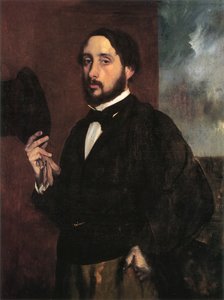
Hilaire-Germain-Edgar Degas
1834 - 1917 , Franciaország
Gyors információk
- Artistic Movement Or Style: Impressionizmus, Realizmus
- Artists Or Movements Influenced By This Artist:
- Picasso
- Matisse
- Artists Who Influenced This Artist:
- Ingres
- Courbet
- Pissarro
- Date Of Birth: 1834. július 19.
- Date Of Death: 1917. szeptember 27.
- Full Name: Hilaire-Germain-Edgar De Gas
- Nationality: Francia
- Notable Artworks:
- Táncosok csoportja
- A táncmester
- Kávéházi jelenet
- Place Of Birth: Párizs, Franciaország
Kapcsolódó cikkek
The Subdued Radiance of Pastel Palettes: Exploring Emotional Resonance in Art History
Explore the emotional power of pastel palettes in art history! Discover Impressionism, Post-Impressionism & color psychology insights. Find museum-quality reproductions at OriginalUniqueArt.

The Subtleties of Pastel: A Comprehensive Exploration of Technique, History & Emotional Resonance
Explore the captivating world of pastel art! Discover its rich history, Impressionistic masters like Degas, emotional power & unique techniques. Find museum-quality reproductions at OriginalUniqueArt.
The Subdued Radiance of Pastel Palettes: Exploring Emotional Resonance in Art History
Explore the emotional power of pastel palettes in art history! Discover Impressionism, Post-Impressionism & color psychology insights. Find museum-quality reproductions at OriginalUniqueArt.

The Soft Power of Pastel: A Connoisseur's Guide to History, Technique, and the Art of Texture
Explore the ethereal beauty of pastel art. From Renaissance origins to Impressionist mastery, discover the history, technique, and velvety textures that define this luminous medium in our expert guide for art connoisseurs.

Edgar Degas: Capturing Modern Life – A Study of Movement, Observation, and the Parisian Belle Époque
Explore the captivating world of Edgar Degas! Discover his innovative techniques, iconic ballet paintings, and unique portrayal of Parisian life in this insightful art history study.