
 Megtekintés
 Küldés
 Megosztás
 Részletek
 Útmutató

 Letöltés
 Hasonló darabok
 X-ray felvétel
 Diavetítés
 Kérdések és válaszok
 Statisztika
Thomson No. 13 (Northern Lights)

- 79.0 x 58.0 cm


 Összes részlet megjelenítése
Az ezen az oldalon megjelenített műalkotások szerzői jogi védelem alatt állnak, ami azt jelenti, hogy törvényileg nem készíthetünk és nem adhatunk el belőlük pontos másolatokat. Ez a védelem olyan nemzetközi megállapodások alapján érvényesül, mint például a Berni Egyezmény és a nemzeti jogszabályok által, beleértve azokat is, amelyeket meghatározott Az USA szerzői jogi törvénye – 17. cím.
Ez a módszer teljes mértékben megfelel a szerzői jogi szabályozásnak, mivel nem tartalmazza a védett műalkotás másolását vagy duplikálását. Ehelyett ez egy kreatív újinterpretáció – egy új festmény, amely az eredetivel való összefüggései miatt hatással van rá, de nem az az.
Giclée / Műnyomat
Múzeumi minőségű giclée vagy vászonnyomat, gyors gyártással és rugalmas finomítási lehetőségekkel. ( Kézzel festett másolat rendelése Áttérés digitális képre)




P118B Ft10

P118H Ft10

P118W Ft10

P438Z Ft10

P508JH Ft12

P508YH Ft12

P805H Ft10

P805Z Ft10

P919BZ Ft10

P919G Ft10

P919XJ Ft10

P959ZH Ft10

P968JZ Ft12

W106C Ft8

W218G Ft10

W218JH Ft8

W218Y Ft10

W307PJ Ft10

W316G Ft10

W316PJ Ft8

W316Y Ft10

W398PJ Ft8

W4111J Ft10

W500HY Ft15

W500JH Ft15

W692G Ft12

W849H Ft8

W940BG Ft15

W953PJ Ft8




Válasszon előre meghatározott méreteink közül, amelyek megfelelnek a műalkotás eredeti arányainak.

Írja be a keretének vagy a falának megfelelő szélességet és magasságot. A nyomatot csak le lehet vágni, soha nem tehető nagyobbá, mint az eredeti kép, így egy eltérő alakú méretnél a kép egy része elveszik. Mielőtt bármit kinyatintanánk, küldünk egy digitális próbamodellt jóváhagyásra. Az oldalon látható kép nem tartalmazza a valós levágást — ezt csak a próbamodell mutatja meg.
Világszerte történő kiszállítás területére mindössze 2 hét alatt, a szokásos 4-5 hét helyett. (7 november)

Ingyenes globális expressz szállítás

Prémium minőségű len vászon

Teljes körű szállítási biztosítás

Vámvisszatérítési Garancia

Hiteles színarányosság garancia

100 napos visszaküldési lehetőség (csak hibás termékek esetén)

100% pénzvisszatérítési garancia

Több darab vásárlásakor kedvezmény
 Az üvegkeretes opció csak 110 cm alatti méretben érhető el

Thomson No. 13 (Northern Lights)
Giclée / Műnyomat
Reprodukció mérete
-


Összesített ár
Ft 26396
The Echoes of the North: Douglas Coupland’s “Thomson No. 13”
Douglas Coupland's "Thomson No. 13 (Northern Lights)" isn’t merely a reproduction; it’s an invitation to reconsider our relationship with Canadian identity and the enduring power of its artistic heritage. Born from a digital alchemy – a process of meticulously reconstructing degraded images of iconic landscapes by Tom Thomson, Emily Carr, and the Group of Seven – this artwork transcends simple mimicry. Coupland doesn't simply copy; he deconstructs, reassembles, and ultimately reimagines these foundational visions through a distinctly 21st-century lens. The piece operates as a poignant meditation on how we perceive and define “Canadianness” in an age saturated with technology and global influences.
At its core, the work is rooted in the legacy of Tom Thomson, a tragically short-lived artist whose evocative depictions of the Ontario wilderness captured the spirit of a nascent nation. Thomson’s mastery lay in his ability to translate the raw beauty of nature onto canvas – capturing the shimmering light on water, the dense textures of forests, and the vastness of the sky with remarkable immediacy. Coupland cleverly utilizes this foundation, employing a geometric language—a deliberate simplification into flat planes of color—to strip away some of the inherent romanticism associated with traditional landscape painting. This reduction isn’t an act of disrespect; rather, it forces us to confront the underlying structure and essential elements of these celebrated images.
Decoding the Geometric Language
Coupland's process is a fascinating example of digital manipulation. He began by sourcing low-resolution scans of original paintings, often from online archives where image quality was compromised. He then employed a geometric language—a system of precise lines and shapes—to rebuild these fragmented images. This technique results in a strikingly modern aesthetic: the familiar landscapes are flattened, abstracted, and presented as vibrant, almost crystalline planes of color. The effect is simultaneously nostalgic and futuristic, evoking both a sense of historical connection and a contemporary sensibility.
- Color Palette: Coupland’s use of blues, greens, and purples creates an ethereal atmosphere reminiscent of the Northern Lights themselves – a direct reference to the artwork's title.
- Geometric Abstraction: The reduction of landscapes into flat planes emphasizes their underlying structure and geometric forms.
- Digital Reconstruction: The process highlights the role of technology in shaping our perception of art and history.
A Secret Handshake: Symbolism and Canadian Identity
Beyond its technical innovation, “Thomson No. 13” carries a deeper symbolic weight. Coupland’s work implicitly questions the very definition of "Canadianness." By reimagining these iconic landscapes through a digital filter, he suggests that our national identity is not rooted solely in a romanticized connection with nature—a trope frequently associated with Thomson and the Group of Seven—but also shaped by contemporary culture, technology, and global influences. The artwork becomes a “secret handshake,” an invitation to engage in a dialogue about what it truly means to be Canadian in the 21st century.
The reference to Tom Thomson is particularly significant. Thomson’s life was tragically cut short, leaving behind a relatively small body of work that has become immensely important to Canadian art and culture. Coupland's act of reconstructing his paintings acknowledges this legacy while simultaneously placing it within a broader contemporary context. The artwork prompts us to consider how these foundational images continue to resonate with us today.
The Art in Reproduction: Bringing the Vision Home
OriginalUniqueArt offers high-quality reproductions of “Thomson No. 13 (Northern Lights)” in various sizes, allowing you to bring this captivating artwork into your home or office. Whether you’re an art enthusiast, a collector, or simply seeking a striking piece for your interior design, this reproduction captures the essence of Coupland's vision with remarkable fidelity. Consider it not just a print, but a portal—a connection to the rich artistic heritage of Canada and a reflection on our evolving national identity.
Kérdések és válaszok
Milyen témát és hangulatot ötvöz a „Thomson No. 13 (Northern Lights)”, Douglas Coupland alkotása?
A "Thomson No. 13 (Northern Lights)" című alkotás canadian landscape, northern lights, tom thomson, douglas coupland, geometric abstraction, pop art, digital art témákat ábrázol, hangulata pedig Calm.
Mit ábrázol a "Thomson No. 13 (Northern Lights)"?
A „Thomson No. 13 (Northern Lights)”, Douglas Coupland alkotása alkotás témái közé tartozik a canadian landscape, northern lights, tom thomson, douglas coupland, geometric abstraction, pop art, digital art. Ezek együtt foglalják össze a mű tárgyát.
Hová sorolható a "Thomson No. 13 (Northern Lights)" Douglas Coupland ismétlődő témái közé?
A "Thomson No. 13 (Northern Lights)" a canadian landscape, northern lights, tom thomson, douglas coupland, geometric abstraction, pop art, digital art ábrázol, míg Douglas Coupland dokumentált témái a emily carr, group seven, tom thomson, canadian identity, nature’s role, gen x anxieties, digital culture, geometric abstraction. A kettő összevetése megmutatja, hogyan kapcsolódik ez a mű a művész megszokott motívumaihoz.
A művész életrajza
A Kortárs Kultúra Kartográfiusa: Douglas Coupland Életútja és Művészete
Douglas Coupland az 1990-es évek elején jelent meg a kulturális tájon, nem csupán regényes íróként, hanem egy korszak diagnosztikusként. 1961. december 30-án született egy németországi, Baden-Söllingenben található kanadai katonai bázison; gyermekléte a folyamatos költözések időszaka volt, amíg végül Vancouverban telepedtek le – egy olyan városban, amely mélyen meghatározta művészi érzékelését. Ez a korai tapasztalat éles megfigyelő szemmel árendálta meg számára a képességét, hogy érzékelje a modern élet finom rezgéseit és szorongásait. Bár kezdetben az Emily Carr College of Art and Design iskolában szobrászatot tanult, Coupland nem a fizikai formák formázásában, hanem a létezés megfoghatatlan textúráinak megfogalmazásában találta valódi hivatását – először szavakkal, majd később a vizuális művészet és a digitális technológál hihetetlen ötvözetén keresztül. Nem csupán tükrözte a kultúrát; ő nevezte meg azt, hangot adva egy gyorsuló világban kísértetlenségben érező generáció kimondatlan érzéseinek.A Generation X-től a vizuális kommentárig
Coupland áttörése 1991-ben érkezett el a Generation X: Tales for an Accelerated Culture megjelenésével. A regény nem csupán irodalmi siker volt; kulturális jelenségé vált, olyan kifejezést frequentálva, amely azonnal megszólalt milliók számára, akik a posztindusti társadalom árnyékában küzdöttek identitásukkal és céljaikkal. Olyan kifejezések kerültek a szókincset, mint a „McJob”, amely a 20. század végi munka bizonytalanságának és idegenségének rövidítése lett. Coupland ambíciója azonban messze túlmutatott egy generáció egyszerű címkézésén; ő a média, a fogyasztás és a technológiai változások által átárasztott világ pszichológiai tájformáinak feltárásában volt érdeklődő. Ez a kutatás nem állt meg az irodalmnál. Zökkenőmentesen vált át a vizuális művészet felé, vezérelve őt a különböző médiumokon keresztül kifejezett ötletei. Művészi gyakorlata rendkívül sokszínű, magában foglalja a festészetet, a szobrászatot, a fotografiąt és a dizájnt – mindezt egyetlen, állandó tematikus szál egyesíti: a modern élet kérdésbe foglalását. 13 regényt, két novellagyűjteményt, hét non-fiktion művet és számos film- és televíziós forgatókönyvet írt, demonstrálva bőséges kreativitását.A QR-kódok nyelve és a veszteség súlya
Coupland vizuális művészete az absztrakció, a popkultúra-referenciák és a technológiai innováció egyedi ötvözetéről ismerthető fel. Talán legkiemelkedőbb ezzel a sorozat, amelyben QR-kódokat épített be a festményeibe. Ezek nem csupán díszelemek; rejtett jelentésrétegek kapui, amelyek arra invitálják a nézőt, hogy okostelefonján keresztül aktíban kapcsolódjon a műhöz. A kódok beszkennelése rövid kommentárokat tár fel, új dimenziót adva a vizuális élménynek – ez Coupland művészet és technológia metszéspontja iránti rajongásának bizonyítéka. Ezen az innovatív technikán túl munkássága gyakran foglalkozik a veszteség és a halandóság mély témáival is. A Dead Grads Series például megható tiszteletadás a tragikusan rövidre halt fiatal életeknek, ahol minden festmény olyan címeket visel, mint a „Gun”, „Car Crash” vagy „Overdose” – nyers emlékeztetők az élet törékenységére és a gyász maradandó hatására. A Silver Boogeyman, egy lenyűgöző alkotás, amely Osama bin Laden arcát mutatja meg egy okostelefon kijelzőjén keresztül, példaként szolgál arra a képességére, hogy gondolkodatra késztessen és kihívja a perceptiókat, kényszerítve a nézőt a 9/11 utáni világ kényelmetlen igazságainak szembedöntésére.Szobrászati üzenetek és nemzeti identitás
Coupland művészeti látásmódja a kétdimenziós vásznakon túl a szobrászat birodalmába is kiterjed. The Ice Storm, egy monumentális acélkészítmény, a kanadai identitás és sebezhetőség erőteljes tükre. A szobor formája egyszerre idézi az erőt és a törékenységet, tükrözve a nemzet történelmének összetettségét és kapcsolatát a természettel. Mixed media kollázsai, mint például a God, demonstrálják a rétegezési technikák és a grafikus tervezés mesteri tudását, szimbolikus elemeket használva – mint a „Lord Jim” vagy egy geometrikus „D” –, hogy vizuálisan lenyűgöző kompozíciókat hozzanak létre, amelyek számos értelmezésre invitálnak. Ezek az alkotások nem csupán esztétikai tárgyak; intellektuális rejtvények, amelyek aktív részvételt követelnek a nézőtől. Műveit olyan tekintélyes helyszíneken mutatták be, mint a Vancouver Art Gallery és a McMichael Canadian Art Collection, megerősítve helyét a kortárs művészet jelentős alakjaként.Megfigyelés és innováció öröksége
Douglas Coupland hozzájárulásai a irodalomhoz és a vizuális művészethez széles körű elismerést hoztak számára, beleértve a Canada Order of Officer rangját és a British Columbia Order taggá válását is. Továbbra is létfontosságú hang marad a kanadai művészetben és irodalomban, ismert éles megfigyeléseiről, innovatív művészi kifejezéséről és a komplex társadalmi és kulturális kérdések kezelésére való hajlamáról. Munkássága világszerte rezonál a közönséggel, párbeszédet indítva a kortárs kultúráról, a technológiáról és az emberi létezésről. Coupland nem csupán egy művész; ő egy kulturális kartográfus, aki a modern élet állandóan változó terepét térképezi fel egyszerre precizitással és empátiával. Megmaradt édelmet hagyott önmagunkról és a körülöttünk lévő világról alkotott megértésünkben, biztosítva helyét Kanada egyik legfontosabb kortárs művészeként.- Kulcsfontosságú témák: Generation X, digitális kultúra, technológia, veszteség, identitás, fogyasztás, kanadai identitás.
- Hatások: Pop art, minimalizmus, konstruktivizmus, japán üzleti tudomány, kortárs irodalom.

Douglas Coupland
1961 - , Németország
Rövid információk
- Artistic Movement Or Style: Pop art, minimalizmus, konstruktivizmus
- Artists Or Movements Influenced By This Artist: ['Észrevétel és innováció']
- Artists Who Influenced This Artist:
- Pop Art
- Minimalizmus
- Konstruktivizmus
- Date Of Birth: December 30, 1961
- Full Name: Douglas Coupland
- Nationality: Kanadai
- Notable Artworks:
- Generation X
- Microserfs
- JPod
- Place Of Birth: Vancouver, Kanada
Kapcsolódó cikkek

Evocations of Place: A Historical Journey Through Landscape Art
Explore the rich history of landscape art with OriginalUniqueArt. Discover renowned artists, movements like Impressionism & Romanticism, and expert guidance for collecting timeless pieces. Find your perfect serene escape today!
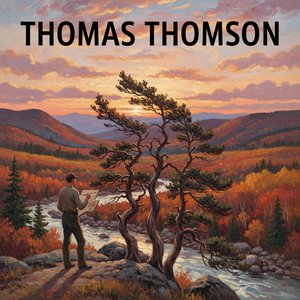
Thomas Thomson: Pioneering Canadian Landscape & the Pursuit of National Identity
Explore the evocative landscapes of Tom Thomson, a pivotal figure in Canadian art & precursor to the Group of Seven. Discover his bold style, lasting legacy, and profound impact on shaping a national artistic identity.

John Constable 25 Mesterműve: A Természet Lényege Vászonon – OriginalUniqueArt.com
Fedezze fel John Constable 25 legszebb művészeti alkotását! Ismerje meg a romantika ikonikus tájképeit, Dedham Vale szépségét és a természet lenyűgöző ábrázolásait. Vászonkép reprodukcióinkkal eleganciát csempészhet otthonába – OriginalUniqueArt.com

A Romantikus Tájképfestészet 10 Legikonikusabb Műalkotása – OriginalUniqueArt.com
Fedezze fel a romantikus tájképfestészet 10 legikonikusabb műalkotását! Caspar David Friedrich, J.M.W. Turner és más mesterek festményeinek története – inspiráló olajfestmények otthonába. OriginalUniqueArt.com: múzeumi minőségű reprodukciók és egyedi dekorációk online.

Arthur Lismer: A Pioneer of Canadian Modernism & the Group of Seven's Visionary Spirit
Explore the life & art of Arthur Lismer, a pivotal figure in Canadian Modernism and founding member of the Group of Seven. Discover his landscapes, teaching legacy & lasting influence on Canadian art history.