
 Megtekintés
 Küldés
 Megosztás
 Részletek

 Letöltés
 Hasonló darabok
 X-ray felvétel
 Diavetítés
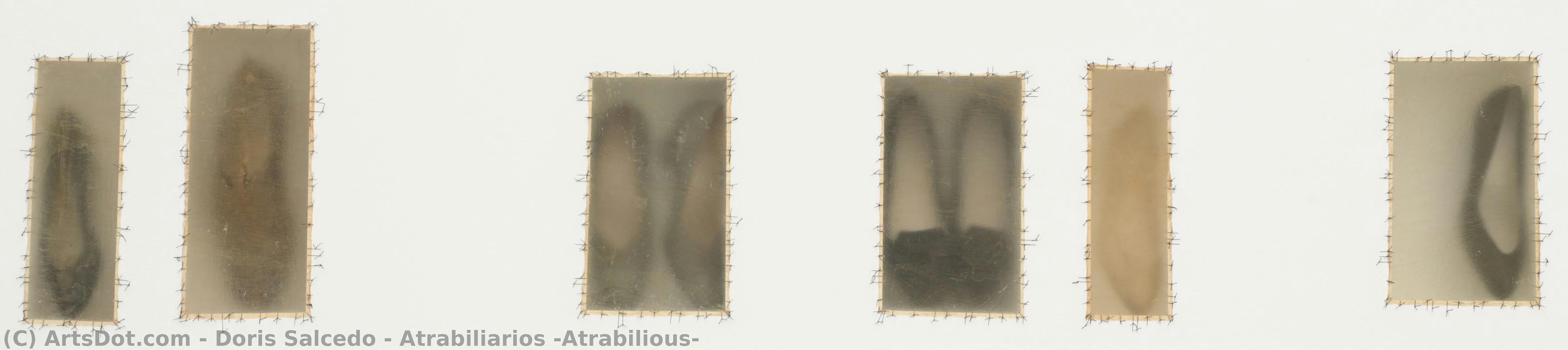
Atrabiliarios (Atrabilious)
 Plywood
- Contemporary Art
 1993
1993- Contemporary
 76.0 x 13.0 cm
 Modern Művészeti Múzeum (New York)
 Összes részlet megjelenítése
Giclée / Műnyomat
Múzeumi minőségű giclée vagy vászonnyomat, gyors gyártással és rugalmas finomítási lehetőségekkel. ( Kézzel festett másolat rendelése Kép letöltése)




P118B $10

P118H $10

P118W $10

P438Z $10

P508JH $12

P508YH $12

P805H $10

P805Z $10

P919BZ $10

P919G $10

P919XJ $10

P959ZH $10

P968JZ $12

W106C $8

W218G $10

W218JH $8

W218Y $10

W307PJ $10

W316G $10

W316PJ $8

W316Y $10

W398PJ $8

W4111J $10

W500HY $15

W500JH $15

W692G $12

W849H $8

W940BG $15

W953PJ $8




Válasszon előre meghatározott méreteink közül, amelyek megfelelnek a műalkotás eredeti arányainak.

Megadhat saját méreteket is egy konkrét kerethez vagy helyszínhez igazítva. Amennyiben a kiválasztott méret nem egyezik az eredeti kép arányokkal, a műalkotást le fogjuk vágni, vagy kiegészítjük a képet tükrözött vagy egyszínű szélekkel. A gyártás megkezdése előtt egy digitális tervezetet küldünk jóváhagyásra.
Kérjük, vegye figyelembe, hogy a képernyőn látható előnézet nem tükrözi a tényleges levágást vagy kiegészítést. Csak a tervezet mutatja pontosan a végső kompozíciót.
Bár az egyedi méretek is elérhetőek, az eredeti arányok megőrzése érdekében azt javasoljuk, hogy válasszon a előre meghatározott listából származó méretet.
Világszerte történő kiszállítás területére mindössze 2 hét alatt, a szokásos 4-5 hét helyett. (13 augusztus)

Ingyenes globális expressz szállítás

Prémium minőségű len vászon

Teljes körű szállítási biztosítás

Vámvisszatérítési Garancia

Hiteles színpontosság garancia

60 napos visszaküldési lehetőség (csak hibás termékek esetén)

100% pénzvisszatérítési garancia

Több darab vásárlása esetén kedvezmény
 Az üvegkeretes opció csak 110 cm alatti méretben érhető el

Atrabiliarios (Atrabilious)
Giclée / Műnyomat
Reprodukció mérete
-


Összesített ár
$ 80
Gyűjthető leírása
The Poetics of Absence in Doris Salcedo's "Atrabiliarios"
To stand before Doris Salcedo’s Atrabiliarios is not merely to view an object, but to enter a contemplative space where memory and loss take tangible form. Created in 1993, this piece transcends the boundaries of traditional sculpture or painting; it operates in the delicate, resonant territory of bearing witness. The work, executed upon plywood, carries with it the profound weight of history—the echoes of trauma that reverberate through the cultural consciousness of Colombia and beyond. Salcedo does not depict grief; she sculpts its aftermath, inviting the viewer into a hushed dialogue with what has been taken away.
Materiality and Technique: The Subtlety of Presence
The choice of medium itself is deeply symbolic. Working with plywood allows Salcedo to create surfaces that feel simultaneously raw and meticulously controlled. Atrabiliarios, measuring a modest yet impactful 76 x 13 cm, utilizes materials in a way that suggests fragility and endurance. The technique employed is one of careful subtraction and suggestion rather than overt declaration. It forces the eye to linger, to trace the subtle shifts in plane and texture. For those considering bringing this powerful aesthetic into a curated space—be it a gallery wall or an intimate interior setting—the reproduction captures this essential dialogue between solid structure and ethereal void.
Symbolism: The Unspoken Narrative
The title itself, Atrabiliarios, hints at the contents of ancient containers meant to hold volatile or sacred substances. In Salcedo’s hands, these vessels become metaphors for memory itself—containers that are never quite sealed, always susceptible to leakage and time. Her art is inextricably linked to the political turmoil of her homeland; it speaks to disappearances, to lives interrupted by conflict. The piece becomes a receptacle for collective mourning, transforming personal anguish into universal resonance. It asks us what we choose to keep visible, and what we must learn to carry within.
Emotional Resonance and Curatorial Impact
Owning or displaying a reproduction of Atrabiliarios is an act of aesthetic empathy. It introduces a necessary moment of stillness into any environment. The emotional impact is profound; it does not shout for attention but rather commands deep introspection. For the collector, it represents an engagement with contemporary art’s most vital concerns: human resilience and historical accountability. It serves as a quiet anchor, reminding us that beauty can be found even in the spaces marked by absence.
A művész életrajza
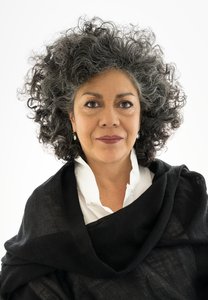
Doris Salcedo: Sculpting Absence and Bearing Witness
Born in the vibrant yet turbulent landscape of Bogota, Colombia, in 1958, Doris Salcedo has emerged as one of the most profound voices in contemporary sculpture. Her work does not merely represent history; it inhabits the hollow spaces left behind by tragedy. To encounter a Salcedo installation is to confront the visceral reality of loss, displacement, and the enduring scars of political violence. Her practice is deeply rooted in her personal connection to the Colombian conflict, particularly the haunting disappearance of her father, an experience that instilled in her a lifelong sensitivity to the themes of absence and the fragility of human existence.
Salcedo’s artistic evolution is marked by a transition from exploring individual vulnerability to addressing collective trauma. Influenced by the raw, organic textures of artists such as Louise Bourgeois and Eva Hesse, she developed a language that speaks through the weight of silence. Her early explorations into sculptural forms mirrored the instability of a society in flux, yet it was her unique ability to manipulate the mundane that truly defined her mastery. She does not seek to create monuments of glory, but rather memorials of grief, turning the gaze toward those who have been erased from the historical record.
The Alchemy of the Everyday: Material and Symbolism
What distinguishes Salcedo from her contemporaries is her profound engagement with the material world. She possesses a singular ability to transform commonplace, domestic objects into potent symbols of mourning. By utilizing items such as wooden furniture, clothing, concrete slabs, and even rose petals, she bridges the gap between the private sphere of the home and the public sphere of political upheaval. Her technique involves a deliberate disruption of the object's original function, often through:
- Perforations and Incisions: Creating wounds within solid materials to mirror the physical and psychological trauma inflicted by violence.
- Encapsulation: Using substances like concrete or wax to trap objects, effectively freezing a moment of loss in time.
- Repurposing: Taking items with deep personal histories, such as worn shoes or old clothing, and recontextualizing them within larger, often overwhelming, installations.
In works like Atrabiliarios, Salcedo uses repurposed shoes encased in niches of drywall, creating a haunting dialogue between the traces of human presence and the cold, impenetrable barrier of the wall. This method forces the viewer to acknowledge the individual lives that have been disrupted, turning the act of looking into an act of remembrance.
A Legacy of Memory and Human Rights
The historical significance of Doris Salcedo lies in her ability to make the invisible visible. Her sculptures serve as a form of "counter-monumentality," resisting the urge to celebrate power and instead focusing on the quiet, persistent ache of those left behind. Through pieces such as La Casa Viuda IV, she evokes the profound sense of displacement felt by millions during Colombia’s period of intense conflict, turning wooden structures into meditations on the loss of home and identity.
Her achievements extend far beyond the gallery walls, as her work has become a vital component of the global conversation regarding human rights and social justice. By elevating the debris of daily life to the level of high art, she ensures that the victims of political violence are not forgotten by history. Salcedo’s legacy is one of profound empathy, reminding us that while violence may attempt to erase individuals, the traces they leave behind—in the objects they touched and the spaces they inhabited—remain as indelible witnesses to their existence.
Doris Salcedo
1958 - , Colombia
A művészről röviden
- Artistic Movement Or Style: Contemporary Sculpture
- Artists Or Movements Influenced By This Artist: ['']
- Artists Who Influenced This Artist: ['']
- Date Of Birth: 1958
- Full Name: Doris Salcedo
- Nationality: Colombian
- Notable Artworks:
- años de la pérdida
- La casa viuda IV
- Atrabiliarios
- Place Of Birth: Bogota, Colombia
Kapcsolódó cikkek

A művészettörténet 10 legikonikusabb bronzszobra – OriginalUniqueArt.com
Fedezze fel a művészettörténet 10 legikonikusabb bronzszobrát! Ismerje meg Rodint, Michelangelót és más mestereket. Luxus minőségű nyomatok otthonába – OriginalUniqueArt.com.

The Enduring Form: Exploring Themes & Techniques in Sculpture Across Historical Periods
Explore the rich history of sculpture from ancient masterpieces to contemporary innovations. Discover key techniques, influential artists & investment potential for discerning art collectors.
The Enduring Form: Sculpture Across History, Technique & Emotional Resonance
Explore the rich history of sculpture with OriginalUniqueArt. Discover key techniques, influential artists & investment potential for discerning collectors. Expert insights into valuing and collecting timeless masterpieces.

A művészettörténet 10 legikonikusabb bronzszobra – OriginalUniqueArt.com
Fedezze fel a művészettörténet 10 legikonikusabb bronzszobrát! Ismerje meg Rodin, Michelangelo és más mesterek alkotásait. Luxus minőségű reprodukciók otthonába – OriginalUniqueArt.com.
A bronzszobrászat örökös hagyatéka: történelem, technikák és kortárs értelmezések
Fedezze fel a bronzszobrászat gazdag történetét és lenyűgöző alkotásait! Ismerje meg az ősrégi technikákat, kortárs művészeket és szobrok gondozását. Prémium minőségű reprodukciókért látogasson el hozzánk!

