
 Megtekintés
 Küldés
 Megosztás
 Részletek

 Letöltés
 Hasonló darabok
 X-ray felvétel
 Diavetítés
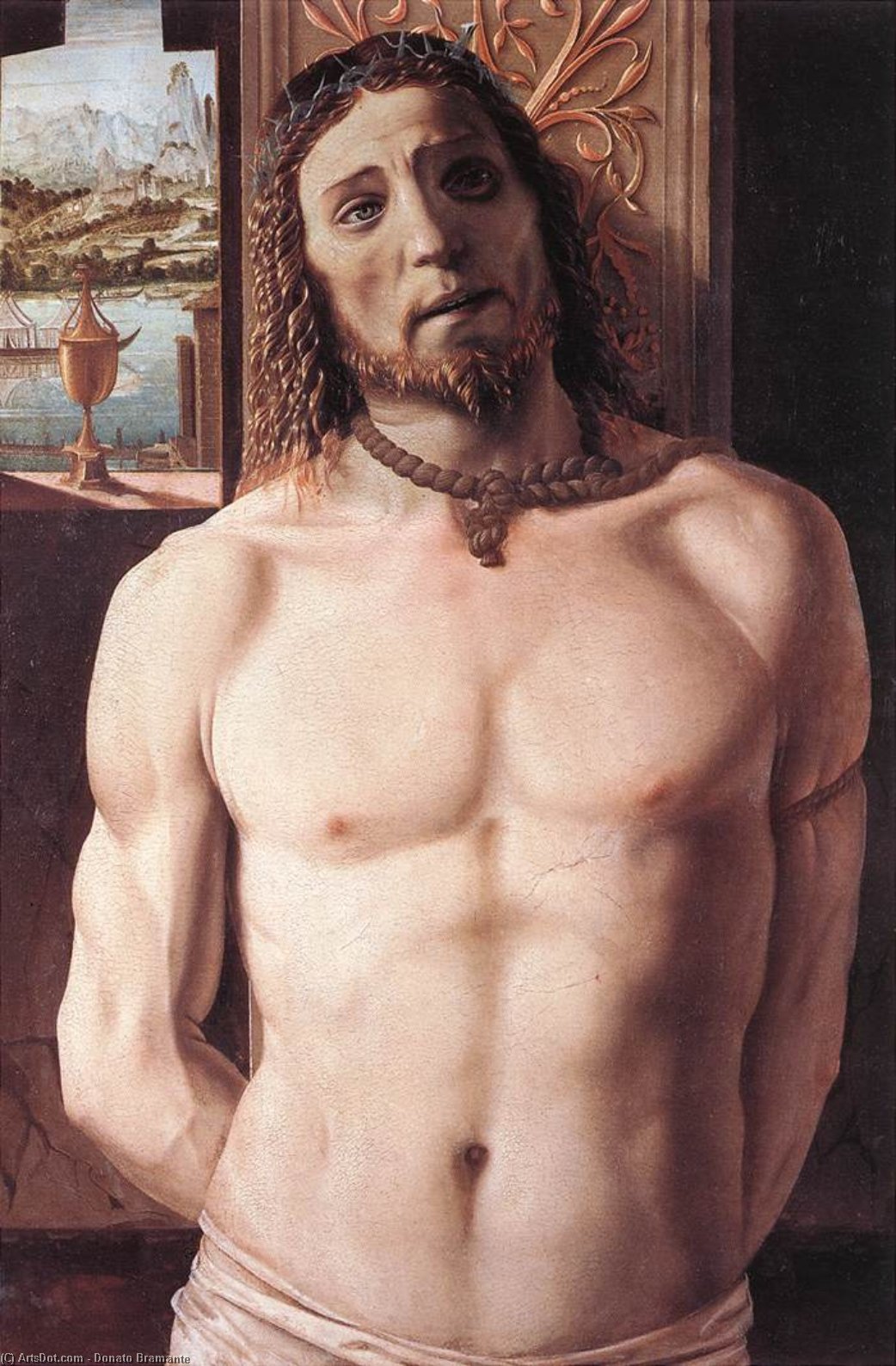
Christ at the Column
 Acrylic On Canvas
- WallArt
 1490
1490 93.0 x 62.0 cm
 Pinacoteca di Brera
 Összes részlet megjelenítése
Giclée / Műnyomat
Múzeumi minőségű giclée vagy vászonnyomat, gyors gyártással és rugalmas finomítási lehetőségekkel. ( Kézzel festett másolat rendelése Kép letöltése)




P118B $10

P118H $10

P118W $10

P438Z $10

P508JH $12

P508YH $12

P805H $10

P805Z $10

P919BZ $10

P919G $10

P919XJ $10

P959ZH $10

P968JZ $12

W106C $8

W218G $10

W218JH $8

W218Y $10

W307PJ $10

W316G $10

W316PJ $8

W316Y $10

W398PJ $8

W4111J $10

W500HY $15

W500JH $15

W692G $12

W849H $8

W940BG $15

W953PJ $8




Válasszon előre meghatározott méreteink közül, amelyek megfelelnek a műalkotás eredeti arányainak.

Megadhat saját méreteket is egy konkrét kerethez vagy helyszínhez igazítva. Amennyiben a kiválasztott méret nem egyezik az eredeti kép arányokkal, a műalkotást le fogjuk vágni, vagy kiegészítjük a képet tükrözött vagy egyszínű szélekkel. A gyártás megkezdése előtt egy digitális tervezetet küldünk jóváhagyásra.
Kérjük, vegye figyelembe, hogy a képernyőn látható előnézet nem tükrözi a tényleges levágást vagy kiegészítést. Csak a tervezet mutatja pontosan a végső kompozíciót.
Bár az egyedi méretek is elérhetőek, az eredeti arányok megőrzése érdekében azt javasoljuk, hogy válasszon a előre meghatározott listából származó méretet.
Világszerte történő kiszállítás területére mindössze 2 hét alatt, a szokásos 4-5 hét helyett. (14 augusztus)

Ingyenes globális expressz szállítás

Prémium minőségű len vászon

Teljes körű szállítási biztosítás

Vámvisszatérítési Garancia

Hiteles színpontosság garancia

60 napos visszaküldési lehetőség (csak hibás termékek esetén)

100% pénzvisszatérítési garancia

Több darab vásárlása esetén kedvezmény
 Az üvegkeretes opció csak 110 cm alatti méretben érhető el

Christ at the Column
Giclée / Műnyomat
Reprodukció mérete
-


Összesített ár
$ 80
A művész életrajza
Petrus Christus: A hídsár vasكلمنا: A szakadék áthidalása a középkor és a reneszánsz között
Petrus Christus, egy név, amely évszázadokon át nagyjából ismeretlen maradt, alapvető alakként áll a korai reneszánsz és a késő gótikus művészet közötti átmenetben Észak-Európában. Kb. 1410/1420 körül született Antwerpen közelében, Baarleban, és elsősorban Brugében tevékenykedett 1444-től haláláig, körülbelül 1m1475/1476-ig. Christus öröksége nem monumentális, forradalmi művekre épül, hanem a festészet csendesen innovatív megközelítésére – egy olyan stílusra, amely a hihetetlen részletgazdag kidolgozást ötvözte az ébredő érzékkel telt térbeliséggel és perspektívával. Ő képviseli azt a döntő fontosságú hidat a középkori, erősen stilizált, iluminált kézirvnyek és a reneszánsz fejlődő naturalizmusa között, demonstrálva lenyűgöző képességét a különböző forrásokból származó hatások befogadására és alkalmazására.
Christus korai élete még mindig némi mystika körül öveli magát. A feltételezések szerint Jan van Eyck, korának legünnelebbedebb festője tanította, bár kutatók körében vitatott, hogy ez a kapcsolat valódi tan учеništ lent vagy csupán egy olyan diáké, aki van Eyck műtermében dolgozott-e. A Christus munkáiban látható aprólék részletesség és pontos ábrázolás erőteljesen utal van Eyck úttörő realizmusának hatására, különösen az olajfestészet mesteri használatában. Azonban, ellentétben van Eyckkel, aki gyakran a nagy narratívákra és vallási jelenetekre összpontosított, Christus gyorsan sajátos stílust fejlesztett ki, amelyet a témái textúráira és felületeire exhibited különös figyelme jellemzett – a gazdag mecsenések bársonyú köntöseitől kezdve a szövetek finom ráncoltatásáig. Korai műveit nagyrészt Brugétől fejlődő kereskedelmi osztály rendelte meg, tükrözve a város növegrődő gazdagságát és nemzetközi kereskedelemét.
A részletek mestere: Technika és innováció
Amit azonnal megkülböztet Christus festményeit, az a rendkívüli részletgazdag szint. Minden elemet – egy ruhadarab minden egyes szövését, a fém minden csillanását, egyetlen hajszálat is – szinte megszállott precizitással ábrázolt. Ez a megközelítés visszhangozza az iluminált kézirvnyek technikáit, ahol a bonyolult részletek elengedhetetlenek voltak az információ és a szépség közvetítéséhez. Azonban, ellentétben az iluminált kézirvnyek lapos, dekoratív stílusával, Christus a részletgazdag kidolgozást a háromdimenziós érzék kialakítására használta – ami döntő lépés volt a reneszszánsz naturalizmus felé. Ő volt az egyik első művész, aki meggyőzően képes volt ábrázolni a térbeli mélységet és a volument egy kétdimenzi felületen, olyan technikákat alkalmazva, mint a fény és az árnyék gondos megfigyelése, valamint a perspektíva egyre kifinomultabb értelmezése.
Christus fejlődése különösen lenyűgöző, ha tudományos elemzés tükrében tekintünk rá. A modern vizsgálatok – mint az röntgensugárzás, az infravörös reflektográfia és a dendrochronológiai datálás – fokozatos evolúciót tárnak fel technikájában. Korai művei bizonyítékot szolgáltatnak az alapkontúrok használatára – ami akkor megszokott gyakorlat volt –, de későbbi festményei egyre kifinomultabb kompozíciós és perspektívus megközelítést mutatnak. Ez azt sugallja, hogy Christus nem csupán létező stílusokat másolt fel, hanem aktírenc kísérletezett a reprezentáció új módszereivel, kibővítve a középkori festési konvenciók keretein belüli lehetőségeket.
Hatások és megbízók
Christus művészeti utazását a hatások összetett kölcsönhatása formálta. Ahogy korábban említettük, Jan van Eyck kétségtelenül jelentős szerepet játszott korai fejlődésében. Ugyanakkor inspirációt merített Rogier van der Weydenből is, egy másik neves flamandi festőtől, aki drámai kompozícióiról és kifejező alakjairól ismert. Emellett Christus munkái erős kapcsolatot mutatnak az olasz művészeti hagyományokkal, különösen Antonello da Messinával és más mediterrán térségben tevékenykedő művészekkel. Sok megbízását olyan olasz kereskedők és bankárok adták fel, akik virágzó kereskedelmi kapcsolatokat ápoltak Brugával, így festményeik gyakran olasz vagy spanyol eredetűként jelennek meg. Az olasz művészetnak való ez a kit exposición – a színre, a fényre és a naturalizmusra összpontosítva – egyértelműen befolyásolta Christus stílusát.
A gazdag brugai polgárok, köztük a burgundiai hercegek megbízatása folyamatos munkát biztosított Christus számára. A hercegek Brugába tévétele vibráló művészeti környezetet teremtett, amely Európa egészét vonzotta a művészek számára. Christus képessége, hogy stílusát alkalmazza megbízói ízléséhez – legyen szó egy formális portréról vagy egy intimebb devóciós jelenetről –, demonstrates sokoldalúságát és a piaci igényekre való érzékenységét. Portréi különösen kiemelkedőek pszichológiai mélységük és személyiségük finom kifejezése miatt.
Örökség és újrafedezés
Halála után évszázadokon át Petrus Christus nagyjából feledve maradt a művészettörténészek körében. Műveit eklektikusnak és mások utánzójaként easyelték, árnyékba szorítva Jan van Eyck és Hans Memling hírnevének alá. Azonban a 19. század végén aÉszak-Reneszánsz festészet iránti megújuló érdeklődés Christus teljes életművének újrag评估álását vitte elérkeztette. A kutatók felismerték innovatív technikáit és döntő szerepét a középkor és a reneszánsz közötti szakadék áthidalásában. Ma Petrus Christus egyre inkább értékelik a korai flamandi iskola egyik legfontosabb és legbefolyásosabb festőjeként – egy mesterként, akinek aprólékos részletezése és finom innovációi utat nyitottak a későbbi generációk művészeti sikerei előtt.
Túlélő művei, beleértve a Carthusiust ábrázoló portrét, a Fiatal lány portréját és számos devóciós táblát, lenyűgöző betekintést nyújtanak a 15. századi Brugas művészeti világába – egy városba, amely létfontosságú kereszteződőpont volt Európa és a Mediterrán között. Christus öröksége nem monumentális emlékművekben, hanem festményeinek csendes ragyogásában rejlik, amelyek csodálatos részletgazdagságukkal, finom szépségükkel és az emberi jelenlét mély érzésével képesek lenyűgözni a nézőket.

Donato Bramante
1444 - 1514 , Olaszország
A művészről röviden
- Artistic Movement Or Style: Kora-neterlándor
- Artists Or Movements Influenced By This Artist: ['Sandro Botticelli']
- Artists Who Influenced This Artist:
- Jan van Eyck
- Rogier van der Weyden
- Date Of Death: 1475/76
- Full Name: Petrus Christus
- Nationality: Flandériai
- Notable Artworks:
- Karthusiánus portré
- Fiatal lány portréja
- Place Of Birth: Baarle, Belgium
Kapcsolódó cikkek
Fra Angelico Mesterek: A 25 Legszebb Műalkotás a Lelki Békeért – OriginalUniqueArt.com
Fedezze fel Fra Angelico 25 legszebb műalkotását! Reneszánsz festmények, angyalok és spirituális ikonfestészet a firenzei iskola mesterétől. Vásároljon exkluzív olajfestmény reprodukciókat otthonába a OriginalUniqueArt.com-on. Explore the full collection online!
Sacred Narratives Embodied: A Comprehensive Exploration of Religious Iconography in Art History
Explore the rich history of religious iconography in art! Discover symbolism, movements & masterpieces from Byzantine to Renaissance periods. Expert insights for collectors and enthusiasts at OriginalUniqueArt.

Sacred Narratives on Canvas: Exploring Religious Scenes & Their Enduring Influence
Explore the rich history of religious art from Giotto to the Renaissance masters with OriginalUniqueArt. Discover symbolism, techniques & enduring legacies. Museum-quality reproductions available.
Giotto di Bondone 25 Mesterműve: A Reneszánsz Előhírnöke a Falakon – OriginalUniqueArt
Fedezze fel Giotto di Bondone 25 legpárásabb műalkotását! Ismerje meg a reneszánsz előhírnökét, festményeit és freskóit. Vásároljon exkluzív reprodukciókat otthona díszítésére a OriginalUniqueArt.com-on – múzeumi minőségben!
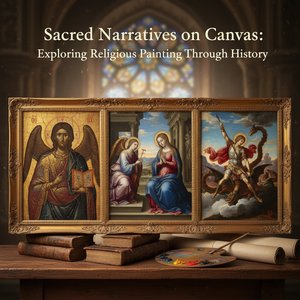
Sacred Narratives on Canvas: Exploring Religious Painting Through History
Explore the rich history of religious painting with OriginalUniqueArt.com! Discover iconic artworks, symbolism & techniques from antiquity to the Renaissance. Enhance your art appreciation today.



