

 Küldés
 Megosztás
 Részletek

 Letöltés
 Hasonló darabok
 Diavetítés
 Statisztika
St George


 Összes részlet megjelenítése
Kézzel készített olajfestmény reprodukció
Kézzel festett olajvastú vászon, az Ön által választott méretben és keretben, művészeink készítik meglévőre. ( Áttérés Nyomtatványra Áttérés digitális képre)




































Válasszon előre meghatározott méreteink közül, amelyek megfelelnek a műalkotás eredeti arányainak.

Ön megadhat saját méreteket egy adott kerethez vagy térhez igazításhoz. Ha a kiválasztott méret nem egyezik az eredeti kép arányával, akkor a műalkotást levágjuk, vagy további kézzel festett elemekkel meghosszabbítjuk a festményt. A gyártás megkezdése előtt küldünk Önnek egy digitális előnézetet jóváhagyásra.
Kérjük, vegye figyelembe, hogy a képernyőn megjelenő előnézet nem tükrözi a tényleges vágást vagy kiterjesztést. Csak az előnézet fog pontosan mutatni a végső kompozíciót.
Bár egyedi méretek állnak rendelkezésre, javasoljuk, hogy válasszon egy méretet az előre meghatározott listából az eredeti arányok megőrzése érdekében.
A rendelést követően a OriginalUniqueArt.com csapata e-mailt küld az ügyfélnek az instrukciókért, és biztosít egy előnézeti képet (mockup).
Világszerte elérhető szállítás () 3-4 hét alatt a szokásos 5 hét helyett. (8 szeptember). A minőség nem kérdőjelezhető.

Ingyenes globális expressz szállítás

Prémium minőségű len vászon

Teljes körű szállítási biztosítás

Vámvisszatérítési Garancia

Hiteles színpontosság garancia

100 napos visszaküldési lehetőség (csak hibás termékek esetén)

100% pénzvisszatérítési garancia

Több darab vásárlása esetén kedvezmény
 Az üvegkeretes opció csak 110 cm alatti méretben érhető el

St George
Reprodukciós technika
Reprodukció mérete
-


Összesített ár
$ 300
A Testament to Faith and Form: Donatello’s *Saint George*
Donatello's *Saint George*, sculpted in 1416 during the nascent Renaissance, is more than just a marble statue; it’s a potent distillation of classical ideals interwoven with burgeoning humanist thought. Housed within the imposing niche of the Bargello Museum in Florence, this figure commands attention not merely through its scale – though its height is undeniably impressive – but through the profound sense of dignity and restrained power it embodies. The sculpture depicts Saint George slaying the dragon, a scene steeped in Christian symbolism and echoing the heroic narratives of antiquity. Donatello masterfully captures the moment of decisive action, yet avoids melodrama, presenting a portrait of resolute courage rather than outright violence.
The Sculptor’s Hand: Technique and Materials
Donatello's genius lies not just in his subject matter but in his unparalleled technical skill. Crafted from pristine white marble, the statue showcases an extraordinary command of material. The surface is remarkably smooth, achieved through meticulous polishing – a technique perfected by Donatello himself. Notice how he renders the folds of George’s drapery; they aren't simply decorative but sculpted with a deep understanding of fabric’s weight and movement. The musculature of the figure is rendered with anatomical precision, reflecting his study of classical sculpture and his commitment to representing the human form realistically. The subtle gradations in tone – achieved through careful carving and highlighting – create an illusion of volume and depth, bringing the statue to life. The choice of marble itself speaks volumes; its purity and luminosity enhance the sense of nobility and spiritual significance.
Symbolism and Narrative: A Medieval Icon
The story of Saint George is rich with symbolic meaning. He was martyred for his Christian faith, slaying a dragon that threatened the city of Silene in Egypt. This narrative resonated deeply within the medieval period, representing the triumph of good over evil, faith over heresy, and courage against overwhelming odds. Donatello’s depiction reinforces these themes. The dragon itself is not depicted as monstrous but rather as a formidable challenge to be overcome with unwavering resolve. George's stance – poised and determined – conveys a sense of righteous action. The inclusion of the lance and shield, symbols of Christian defense and faith, further solidifies the statue’s religious message. It’s important to note that this wasn’t simply a retelling of a biblical story; it was an embodiment of civic virtue and spiritual fortitude, values highly prized in Renaissance Florence.
A Bridge Between Eras: Donatello's Legacy
*Saint George* stands as a pivotal work in the transition from Gothic to Renaissance sculpture. While retaining elements of traditional Byzantine iconography – particularly in the stylized features and the emphasis on frontal presentation – it demonstrates a shift towards greater naturalism, anatomical accuracy, and psychological depth. Donatello’s influence can be seen in subsequent generations of sculptors, who drew inspiration from his innovative approach to depicting human form and emotion. His willingness to experiment with new techniques and subject matter paved the way for the High Renaissance masters. Studying *Saint George* offers a profound insight into the artistic currents shaping Florence during this transformative period – a moment when faith, classical ideals, and burgeoning humanist thought converged to create one of the most enduring legacies in Western art.
A művész életrajza
Early Life and Artistic Beginnings
Donatello di Niccolò di Betto Bardi, a name that would become synonymous with the dawn of the Renaissance in Florence, was born around 1386 in the heart of the city. His early life remains shrouded in some mystery, yet it’s clear he was steeped in the vibrant atmosphere of Florentine craftsmanship and burgeoning artistic innovation. Donatello's father, Niccolò di Betto Bardi, was a wool carder – a respected member of the merchant class – providing his son with a foundation rooted in commerce and community. This social standing afforded young Donatello access to the workshops and studios where the city’s finest artisans honed their skills. Initially, Donatello apprenticed under Lorenzo Ghiberti, a master sculptor renowned for his intricate bronze doors destined for the Florence Cathedral (Duomo). Ghiberti's workshop was a crucible of artistic experimentation, and it was here that young Donatello began to absorb the principles of classical form and technique. However, Donatello’s restless spirit and keen eye soon led him to seek further knowledge, eventually finding his way into the studio of Filippo Brunelleschi, the architect whose revolutionary dome for the Duomo would become a symbol of Florentine ingenuity. This period marked a crucial shift in Donatello's artistic development, exposing him to the burgeoning interest in mathematics, perspective, and the rediscovery of ancient Roman sculpture – elements that would profoundly shape his future work.Key Works and Artistic Innovations
Donatello’s genius truly blossomed during the 1420s and 30s, producing a body of work that redefined sculpture for its time. His most celebrated achievement, undoubtedly, is the *David* (c. 1440-1446), a monumental bronze statue depicting the biblical hero in his youth. Unlike previous depictions of David – often portrayed as an aged warrior – Donatello presented him as a youthful, confident figure, embodying strength and vulnerability simultaneously. This innovative portrayal was revolutionary; it marked the first freestanding nude male sculpture since antiquity, a bold statement that signaled a departure from the stylized, symbolic representations prevalent in medieval art. The statue’s anatomical accuracy, dynamic pose, and expressive gaze captivated viewers and established Donatello as a leading figure of the Early Renaissance. Beyond *David*, Donatello created a remarkable array of works, each demonstrating his evolving style and technical mastery. The *St. Louis of Toulouse* (c. 1428-1430), commissioned by the Medici family, showcases his ability to integrate classical elements with Byzantine influences – a hallmark of Florentine art during this period. The *Sacrifice of Isaac* (c. 1457-1469) for the Santa Maria del Fiore campanile is another masterpiece, characterized by its dramatic composition and poignant portrayal of the biblical story. Donatello’s use of *schiacciato*, a technique involving shallow relief carving, created an illusion of depth and movement that was both innovative and remarkably effective.Artistic Style and Legacy
Donatello's artistic style evolved dramatically throughout his career, reflecting his constant experimentation and engagement with contemporary trends. Initially influenced by Ghiberti’s elegant realism, he gradually developed a more expressive and emotionally charged approach. His early works demonstrate a meticulous attention to detail and a reverence for classical proportions, while later sculptures exhibit a greater sense of dynamism, psychological depth, and individual character. Donatello wasn't simply replicating the past; he was actively interpreting it, imbuing it with his own unique vision and sensibility. Crucially, Donatello’s work broke free from the rigid conventions of Gothic sculpture, embracing naturalism, humanism, and a profound understanding of anatomy. He pioneered new techniques in bronze casting and marble carving, pushing the boundaries of sculptural expression. His influence extended far beyond Florence, inspiring artists throughout Italy and Europe. Artists like Michelangelo Buonarroti, Leonardo da Vinci, and many others acknowledged Donatello’s pivotal role in shaping the course of Western art.Personal Life and Working Style
Despite his artistic brilliance, Donatello was known for a somewhat tumultuous personal life. Accounts from his contemporary, Vasari, paint a picture of an artist who was both charismatic and prone to fits of temper. He was reportedly a demanding personality, often accepting more commissions than he could realistically fulfill, sometimes delivering works late or leaving the finishing touches to other sculptors. This characteristic, while perhaps frustrating for his patrons, speaks to his extraordinary productivity and relentless pursuit of artistic excellence. Donatello’s dedication to his craft was unwavering, and his legacy as one of the greatest sculptors in history remains secure.
Donatello
1386 - 1466 , Olaszország
A művészről röviden
- Artistic Movement Or Style: Korai reneszánsza
- Artists Or Movements Influenced By This Artist: ['Olasz reneszánsza']
- Artists Who Influenced This Artist: ['Klasszikus szobrászat']
- Date Of Birth: c. 1386
- Date Of Death: 1466
- Full Name: Donatello di Niccolò
- Nationality: Olasz
- Notable Artworks:
- David
- St. Louis
- Sacrifice Isaac
- Crucifix
- Place Of Birth: Firenze, Olaszország
Kapcsolódó cikkek

Georges Seurat 25 Mesterműve: A Pontillizmus Zsenialitása – OriginalUniqueArt.com
Fedezze fel Georges Seurat 25 legikonikusabb művét! Ismerje meg a pontillizmus zsenialitását, az impresszionizmus forradalmát és a színek lenyűgöző játékát. Prémium minőségű reprodukciók és inspiráló otthoni dekorációk a OriginalUniqueArt.com-on. Fedezze fel a teljes gyűjteményt online!

Georges Braque Mesterek: A 25 Leglenyűgözőbb Kép, Ami Megváltoztatta a Modern Festészetet
Fedezze fel Georges Braque 25 legikonikusabb műalkotását! Ismerje meg a kubizmus történetét, Picasso hatását és a francia művész lenyűgöző festményeit. Múzeumi minőségű reprodukciók és inspiráló dekorációs ötletek a OriginalUniqueArt.com-on.
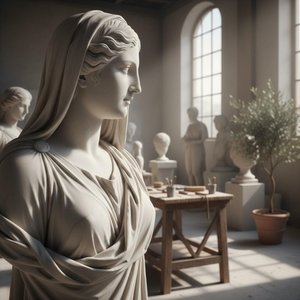
Timeless Elegance: A Complete Guide to the Sublime Beauty and Artistry of Marble Sculpture
Discover the sublime beauty of marble art through an expert exploration of Renaissance and Neoclassical masterpieces. From the delicate textures of Carpeaux to the grandeur of Sansovino, immerse yourself in a guide to timeless elegance and sculptural perfection.

The Enduring Allure of Marble in Art History: From Classical Sculpture to Modern Abstraction
Explore the captivating history of marble sculpture from ancient Greece to modern art. Discover renowned artists like Canova & Michelangelo, carving techniques, and investment insights at OriginalUniqueArt.

A művészettörténet 10 legikonikusabb bronzszobra – OriginalUniqueArt.com
Fedezze fel a művészettörténet 10 legikonikusabb bronzszobrát! Ismerje meg Rodint, Michelangelót és más mestereket. Luxus minőségű nyomatok otthonába – OriginalUniqueArt.com.
