

 Megosztás
 Megosztás
 Részletek
 Útmutató

 Letöltés
 Hasonló darabok
 Diavetítés
 Statisztika
North pulpit
 Wood
Wood- Sculpture
- Early Renaissance
 1460
1460- Renaissance
 137.0 x 280.0 cm
 San Lorenzo Bazilikája
 Tovább olvasom
Giclée / Műnyomat
Múzeumi minőségű giclée vagy vászonnyomat, gyors gyártással és rugalmas finomítási lehetőségekkel. ( Kézzel festett másolat vásárlása Áttérés digitális képre)




































Válasszon előre meghatározott méreteink közül, amelyek megfelelnek a műalkotás eredeti arányainak.

Megadhat saját méreteket is egy konkrét kerethez vagy helyszínhez igazítva. Amennyiben a kiválasztott méret nem egyezik az eredeti kép arányokkal, a műalkotást le fogjuk vágni, vagy kiegészítjük a képet tükrözött vagy egyszínű szélekkel. A gyártás megkezdése előtt egy digitális tervezetet küldünk jóváhagyásra.
Kérjük, vegye figyelembe, hogy a képernyőn látható előnézet nem tükrözi a tényleges levágást vagy kiegészítést. Csak a tervezet mutatja pontosan a végső kompozíciót.
Bár az egyedi méretek is elérhetőek, az eredeti arányok megőrzése érdekében azt javasoljuk, hogy válasszon a előre meghatározott listából származó méretet.
Világszerte történő kiszállítás területére mindössze 2 hét alatt, a szokásos 4-5 hét helyett. (27 szeptember)

Ingyenes globális expressz szállítás

Prémium minőségű len vászon

Teljes körű szállítási biztosítás

Vámvisszatérítési Garancia

Tökéletes színarányosság garancia

100 napos visszaküldési garancia (csak gyártási hibás termékek esetén)

100% pénzvisszatérítési garancia

Több darab vásárlásakor kedvezmény
 Az üvegkeretes opció csak 110 cm alatti méretben érhető el

North pulpit
Giclée / Műnyomat
Reprodukció méretei
-


Összesített ár
$ 80
The Soul of the Renaissance: Donatello’s North Pulpit
To stand before the North Pulpit is to witness a profound moment in the evolution of Western art, where the rigid structures of the Middle Ages began to dissolve into the humanistic warmth of the Early Renaissance. Created around 1460 by the Florentine master Donatello, this extraordinary work serves as a bridge between two worlds. While its architectural framework retains the intricate, soaring elegance of the Gothic tradition, the spirit within is undeniably revolutionary. Donatello, a sculptor who breathed life into stone and wood through his deep study of classical antiquity, infused this pulpit with an unprecedented psychological depth that captures the very essence of human emotion.
The subject matter—a masterful depiction of the Last Supper—is rendered with a sense of intimacy that draws the viewer into the sacred circle of Christ and his disciples. Unlike the flatter, more symbolic representations found in earlier centuries, Donatello utilizes a complex interplay of light and shadow to create a palpable sense of drama. The composition is tightly packed, yet it avoids feeling claustrophobic; instead, the overlapping figures and the rhythmic arrangement of limbs and drapery guide the eye through a narrative of solemnity and reverence. There is a quiet tension in the air, a hint of the foreboding that accompanies Christ's final meal, making the scene feel less like a distant historical event and more like a living, breathing moment of profound spiritual significance.
Mastery of Form and Materiality
The technical brilliance of the North Pulpit lies in Donatello’s ability to manipulate texture and depth. The sculpture is characterized by an incredibly rich tactile quality, where the meticulous carving of the wood—likely a dense, fine-grained hardwood such as walnut—reveals the artist's unparalleled precision. Through deep carving and the strategic use of chiaroscuro effects, Donatello achieves a three-dimensional vitality that makes the figures appear to emerge from the very grain of the material. The interplay between the dark, somber tones of the wood and the subtle traces of gilding creates a warm, luminous atmosphere that catches the light, emphasizing the folds of the garments and the expressive gestures of the disciples.
For the discerning collector or interior designer, this piece offers more than mere decoration; it provides a focal point of immense historical weight and aesthetic sophistication. The geometric harmony of the arches and rectangular frames provides a structured elegance that complements both classical and contemporary settings. Whether presented as a high-quality reproduction in a curated gallery or as a centerpiece in a grand library, the North Pulpit evokes a sense of timelessness. It is an invitation to contemplate the intersection of human struggle and divine grace, making it an incomparable choice for those who seek to surround themselves with art that possesses both intellectual depth and visceral emotional power.
A művész életrajza
Early Life and Artistic Beginnings
Donatello di Niccolò di Betto Bardi, a name that would become synonymous with the dawn of the Renaissance in Florence, was born around 1386 in the heart of the city. His early life remains shrouded in some mystery, yet it’s clear he was steeped in the vibrant atmosphere of Florentine craftsmanship and burgeoning artistic innovation. Donatello's father, Niccolò di Betto Bardi, was a wool carder – a respected member of the merchant class – providing his son with a foundation rooted in commerce and community. This social standing afforded young Donatello access to the workshops and studios where the city’s finest artisans honed their skills. Initially, Donatello apprenticed under Lorenzo Ghiberti, a master sculptor renowned for his intricate bronze doors destined for the Florence Cathedral (Duomo). Ghiberti's workshop was a crucible of artistic experimentation, and it was here that young Donatello began to absorb the principles of classical form and technique. However, Donatello’s restless spirit and keen eye soon led him to seek further knowledge, eventually finding his way into the studio of Filippo Brunelleschi, the architect whose revolutionary dome for the Duomo would become a symbol of Florentine ingenuity. This period marked a crucial shift in Donatello's artistic development, exposing him to the burgeoning interest in mathematics, perspective, and the rediscovery of ancient Roman sculpture – elements that would profoundly shape his future work.Key Works and Artistic Innovations
Donatello’s genius truly blossomed during the 1420s and 30s, producing a body of work that redefined sculpture for its time. His most celebrated achievement, undoubtedly, is the *David* (c. 1440-1446), a monumental bronze statue depicting the biblical hero in his youth. Unlike previous depictions of David – often portrayed as an aged warrior – Donatello presented him as a youthful, confident figure, embodying strength and vulnerability simultaneously. This innovative portrayal was revolutionary; it marked the first freestanding nude male sculpture since antiquity, a bold statement that signaled a departure from the stylized, symbolic representations prevalent in medieval art. The statue’s anatomical accuracy, dynamic pose, and expressive gaze captivated viewers and established Donatello as a leading figure of the Early Renaissance. Beyond *David*, Donatello created a remarkable array of works, each demonstrating his evolving style and technical mastery. The *St. Louis of Toulouse* (c. 1428-1430), commissioned by the Medici family, showcases his ability to integrate classical elements with Byzantine influences – a hallmark of Florentine art during this period. The *Sacrifice of Isaac* (c. 1457-1469) for the Santa Maria del Fiore campanile is another masterpiece, characterized by its dramatic composition and poignant portrayal of the biblical story. Donatello’s use of *schiacciato*, a technique involving shallow relief carving, created an illusion of depth and movement that was both innovative and remarkably effective.Artistic Style and Legacy
Donatello's artistic style evolved dramatically throughout his career, reflecting his constant experimentation and engagement with contemporary trends. Initially influenced by Ghiberti’s elegant realism, he gradually developed a more expressive and emotionally charged approach. His early works demonstrate a meticulous attention to detail and a reverence for classical proportions, while later sculptures exhibit a greater sense of dynamism, psychological depth, and individual character. Donatello wasn't simply replicating the past; he was actively interpreting it, imbuing it with his own unique vision and sensibility. Crucially, Donatello’s work broke free from the rigid conventions of Gothic sculpture, embracing naturalism, humanism, and a profound understanding of anatomy. He pioneered new techniques in bronze casting and marble carving, pushing the boundaries of sculptural expression. His influence extended far beyond Florence, inspiring artists throughout Italy and Europe. Artists like Michelangelo Buonarroti, Leonardo da Vinci, and many others acknowledged Donatello’s pivotal role in shaping the course of Western art.Personal Life and Working Style
Despite his artistic brilliance, Donatello was known for a somewhat tumultuous personal life. Accounts from his contemporary, Vasari, paint a picture of an artist who was both charismatic and prone to fits of temper. He was reportedly a demanding personality, often accepting more commissions than he could realistically fulfill, sometimes delivering works late or leaving the finishing touches to other sculptors. This characteristic, while perhaps frustrating for his patrons, speaks to his extraordinary productivity and relentless pursuit of artistic excellence. Donatello’s dedication to his craft was unwavering, and his legacy as one of the greatest sculptors in history remains secure.
Donatello
1386 - 1466 , Olaszország
Gyors információk
- Artistic Movement Or Style: Korai reneszánsza
- Artists Or Movements Influenced By This Artist: ['Olasz reneszánsza']
- Artists Who Influenced This Artist: ['Klasszikus szobrászat']
- Date Of Birth: c. 1386
- Date Of Death: 1466
- Full Name: Donatello di Niccolò
- Nationality: Olasz
- Notable Artworks:
- David
- St. Louis
- Sacrifice Isaac
- Crucifix
- Place Of Birth: Firenze, Olaszország
Kapcsolódó cikkek

The Enduring Form: Exploring Themes & Techniques in Sculpture Across Historical Periods
Explore the rich history of sculpture from ancient masterpieces to contemporary innovations. Discover key techniques, influential artists & investment potential for discerning art collectors.

A művészettörténet 10 legikonikusabb bronzszobra – OriginalUniqueArt.com
Fedezze fel a művészettörténet 10 legikonikusabb bronzszobrát! Ismerje meg Rodint, Michelangelót és más mestereket. Luxus minőségű nyomatok otthonába – OriginalUniqueArt.com.

A művészettörténet 10 legikonikusabb bronzszobra – OriginalUniqueArt.com
Fedezze fel a művészettörténet 10 legikonikusabb bronzszobrát! Ismerje meg Rodin, Michelangelo és más mesterek alkotásait. Luxus minőségű reprodukciók otthonába – OriginalUniqueArt.com.

The Enduring Form: Sculpture Across History, Technique & Emotional Resonance
Explore the rich history of sculpture with OriginalUniqueArt. Discover key techniques, influential artists & investment potential for discerning collectors. Expert insights into valuing and collecting timeless masterpieces.
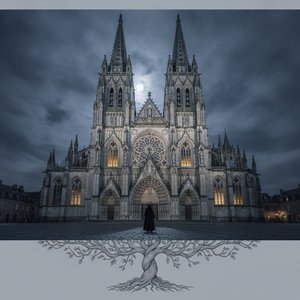
Shadows & Splendor: A Journey Through the Soul of Gothic Art and Architectural Grandeur
Embark on a profound journey through the spiritual intensity of Gothic art. Explore the architectural marvels, luminous stained glass, and sacred sculptures that define this era of grandeur and human devotion.
