

 Küldés
 Megosztás
 Részletek
 Útmutató

 Letöltés
 Hasonló darabok
 Diavetítés
 Statisztika
Cantoria
 Marble
- Sculpture
- Early Renaissance
 1439
1439 348.0 x 570.0 cm
 Museo dell’Opera del Duomo
 Összes részlet megjelenítése
Giclée / Műnyomat
Múzeumi minőségű giclée vagy vászonnyomat, gyors gyártással és rugalmas finomítási lehetőségekkel. ( Kézzel festett másolat rendelése Áttérés digitális képre)




































Válasszon előre meghatározott méreteink közül, amelyek megfelelnek a műalkotás eredeti arányainak.

Írja be a keretének vagy a falának megfelelő szélességet és magasságot. A nyomatot csak le lehet vágni, soha nem tehető nagyobbá, mint az eredeti kép, így egy eltérő alakú méretnél a kép egy része elveszik. Mielőtt bármit kinyatintanánk, küldünk egy digitális próbamodellt jóváhagyásra. Az oldalon látható kép nem tartalmazza a valós levágást — ezt csak a próbamodell mutatja meg.
Világszerte történő kiszállítás területére mindössze 2 hét alatt, a szokásos 4-5 hét helyett. (27 október)

Ingyenes globális expressz szállítás

Prémium minőségű len vászon

Teljes körű szállítási biztosítás

Vámvisszatérítési Garancia

Hiteles színarányosság garancia

100 napos visszaküldési lehetőség (csak hibás termékek esetén)

100% pénzvisszatérítési garancia

Több darab vásárlásakor kedvezmény
 Az üvegkeretes opció csak 110 cm alatti méretben érhető el

Cantoria
Giclée / Műnyomat
Reprodukció mérete
-


Összesített ár
Ft 25827
The Echoes of Florence: Donatello’s Cantoria
Within the hallowed halls of the Museo dell'Opera del Duomo in Florence resides a sculpture that transcends mere stone and marble – it is an embodiment of Renaissance spirit, a vibrant testament to human aspiration. Donatello’s Cantoria, completed in 1439, isn’t simply a decorative element above a choir; it’s a dynamic narrative carved into the very fabric of space, inviting contemplation on faith, music, and the boundless energy of life itself. Commissioned for the south sacristy of Florence Cathedral, this monumental marble relief stands as a pivotal work, showcasing Donatello's mastery and signaling a dramatic shift in artistic expression.
The sculpture’s genesis lies within the Early Renaissance, a period of profound transformation where classical ideals intertwined with burgeoning humanism. Donatello, deeply influenced by his study of ancient Greek and Roman sculpture, sought to capture not just likeness but also emotion and movement – a departure from the more static representations prevalent in preceding centuries. The Cantoria reflects this ambition; it’s a celebration of earthly joy expressed through the depiction of a bustling scene of singing, dancing, and musical performance. The sheer scale of the work—measuring an impressive 348 x 570 cm—immediately commands attention, drawing the viewer into its intricate world.
A Symphony in Marble: Technique and Design
Donatello’s genius is immediately apparent in his masterful manipulation of marble. The sculpture isn't a smooth, polished surface; instead, it’s characterized by deeply incised lines, dramatic contrasts between light and shadow, and an astonishing level of detail. The figures are not rendered with idealized beauty but rather with a palpable sense of humanity – their faces etched with expressions of delight, exertion, and communal spirit. The use of architectural elements—columns, arches, and a pediment adorned with acanthus leaves—adds to the sculpture’s grandeur, creating a harmonious blend of classical form and Renaissance dynamism.
Notably, Donatello employed a technique known as “spolvero,” using a tool to dust away excess marble, leaving behind delicate lines that define the forms. This method, combined with his meticulous carving, results in an astonishingly lifelike quality, particularly evident in the faces of the figures. The incorporation of glass paste and gilded elements further enhances the visual impact, creating a shimmering effect that seems to imbue the scene with divine light. The frieze depicting dancing putti—winged cherubs—is a particular highlight, their swirling movements conveying an infectious sense of joy and celebration.
Symbolism and Spiritual Resonance
Beyond its technical brilliance, the Cantoria is rich in symbolic meaning. The act of singing and music itself represents praise and devotion to God – a core tenet of Renaissance spirituality. The depiction of diverse human activities—dancing, playing instruments, and engaging in communal rituals—underscores the importance of community and shared experience within the Christian faith. The use of the term “putti” (little spirits) suggests an elevation of these earthly pleasures to a realm of divine grace.
The architectural setting – the choir loft above the sacristy – further amplifies the sculpture’s symbolic significance. It was intended as a space for liturgical music and communal worship, transforming the Cantoria into more than just a decorative element; it became an integral part of the sacred ritual. The overall impression is one of exuberant joy and spiritual elevation, reflecting the Renaissance belief in the potential for human flourishing within a divinely ordained world.
A Legacy Enduring: Reproduction and Inspiration
Today, Donatello’s Cantoria remains a source of inspiration for artists and designers alike. Its dynamic composition, masterful technique, and profound symbolism continue to resonate with audiences across centuries. High-quality reproductions capture the essence of this remarkable sculpture, allowing viewers to appreciate its beauty and complexity in their own homes or studios. Whether admired as a historical artifact or simply enjoyed as a work of art, the Cantoria stands as a timeless testament to the creative genius of Donatello and the enduring power of Renaissance artistry.
Kérdések és válaszok
Milyen méretben ajánlott a "Cantoria" nyomtatása?
A „Cantoria”, Donatello alkotása ajánlott nyomtatási mérete: Large.
Milyen technika és milyen méret jellemzi az eredeti „Cantoria”, Donatello alkotása alkotást?
Az eredeti „Cantoria”, Donatello alkotása egy Marble alkotás, amelynek mérete 348 x 570 cm. A technika és a méret az eredeti műre vonatkozik.
Ki készítette a(t) "Cantoria"-t, és melyik évben?
A művész életrajza
Early Life and Artistic Beginnings
Donatello di Niccolò di Betto Bardi, a name that would become synonymous with the dawn of the Renaissance in Florence, was born around 1386 in the heart of the city. His early life remains shrouded in some mystery, yet it’s clear he was steeped in the vibrant atmosphere of Florentine craftsmanship and burgeoning artistic innovation. Donatello's father, Niccolò di Betto Bardi, was a wool carder – a respected member of the merchant class – providing his son with a foundation rooted in commerce and community. This social standing afforded young Donatello access to the workshops and studios where the city’s finest artisans honed their skills. Initially, Donatello apprenticed under Lorenzo Ghiberti, a master sculptor renowned for his intricate bronze doors destined for the Florence Cathedral (Duomo). Ghiberti's workshop was a crucible of artistic experimentation, and it was here that young Donatello began to absorb the principles of classical form and technique. However, Donatello’s restless spirit and keen eye soon led him to seek further knowledge, eventually finding his way into the studio of Filippo Brunelleschi, the architect whose revolutionary dome for the Duomo would become a symbol of Florentine ingenuity. This period marked a crucial shift in Donatello's artistic development, exposing him to the burgeoning interest in mathematics, perspective, and the rediscovery of ancient Roman sculpture – elements that would profoundly shape his future work.Key Works and Artistic Innovations
Donatello’s genius truly blossomed during the 1420s and 30s, producing a body of work that redefined sculpture for its time. His most celebrated achievement, undoubtedly, is the *David* (c. 1440-1446), a monumental bronze statue depicting the biblical hero in his youth. Unlike previous depictions of David – often portrayed as an aged warrior – Donatello presented him as a youthful, confident figure, embodying strength and vulnerability simultaneously. This innovative portrayal was revolutionary; it marked the first freestanding nude male sculpture since antiquity, a bold statement that signaled a departure from the stylized, symbolic representations prevalent in medieval art. The statue’s anatomical accuracy, dynamic pose, and expressive gaze captivated viewers and established Donatello as a leading figure of the Early Renaissance. Beyond *David*, Donatello created a remarkable array of works, each demonstrating his evolving style and technical mastery. The *St. Louis of Toulouse* (c. 1428-1430), commissioned by the Medici family, showcases his ability to integrate classical elements with Byzantine influences – a hallmark of Florentine art during this period. The *Sacrifice of Isaac* (c. 1457-1469) for the Santa Maria del Fiore campanile is another masterpiece, characterized by its dramatic composition and poignant portrayal of the biblical story. Donatello’s use of *schiacciato*, a technique involving shallow relief carving, created an illusion of depth and movement that was both innovative and remarkably effective.Artistic Style and Legacy
Donatello's artistic style evolved dramatically throughout his career, reflecting his constant experimentation and engagement with contemporary trends. Initially influenced by Ghiberti’s elegant realism, he gradually developed a more expressive and emotionally charged approach. His early works demonstrate a meticulous attention to detail and a reverence for classical proportions, while later sculptures exhibit a greater sense of dynamism, psychological depth, and individual character. Donatello wasn't simply replicating the past; he was actively interpreting it, imbuing it with his own unique vision and sensibility. Crucially, Donatello’s work broke free from the rigid conventions of Gothic sculpture, embracing naturalism, humanism, and a profound understanding of anatomy. He pioneered new techniques in bronze casting and marble carving, pushing the boundaries of sculptural expression. His influence extended far beyond Florence, inspiring artists throughout Italy and Europe. Artists like Michelangelo Buonarroti, Leonardo da Vinci, and many others acknowledged Donatello’s pivotal role in shaping the course of Western art.Personal Life and Working Style
Despite his artistic brilliance, Donatello was known for a somewhat tumultuous personal life. Accounts from his contemporary, Vasari, paint a picture of an artist who was both charismatic and prone to fits of temper. He was reportedly a demanding personality, often accepting more commissions than he could realistically fulfill, sometimes delivering works late or leaving the finishing touches to other sculptors. This characteristic, while perhaps frustrating for his patrons, speaks to his extraordinary productivity and relentless pursuit of artistic excellence. Donatello’s dedication to his craft was unwavering, and his legacy as one of the greatest sculptors in history remains secure.
Donatello
1386 - 1466 , Olaszország
Rövid információk
- Artistic Movement Or Style: Korai reneszánsza
- Artists Or Movements Influenced By This Artist: ['Olasz reneszánsza']
- Artists Who Influenced This Artist: ['Klasszikus szobrászat']
- Date Of Birth: c. 1386
- Date Of Death: 1466
- Full Name: Donatello di Niccolò
- Nationality: Olasz
- Notable Artworks:
- David
- St. Louis
- Sacrifice Isaac
- Crucifix
- Place Of Birth: Firenze, Olaszország
Kapcsolódó cikkek

The Enduring Allure of Marble in Art History: From Classical Sculpture to Modern Abstraction
Explore the captivating history of marble sculpture from ancient Greece to modern art. Discover renowned artists like Canova & Michelangelo, carving techniques, and investment insights at OriginalUniqueArt.

The Enduring Form: Exploring Themes & Techniques in Sculpture Across Historical Periods
Explore the rich history of sculpture from ancient masterpieces to contemporary innovations. Discover key techniques, influential artists & investment potential for discerning art collectors.
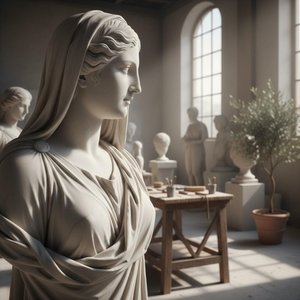
Timeless Elegance: A Complete Guide to the Sublime Beauty and Artistry of Marble Sculpture
Discover the sublime beauty of marble art through an expert exploration of Renaissance and Neoclassical masterpieces. From the delicate textures of Carpeaux to the grandeur of Sansovino, immerse yourself in a guide to timeless elegance and sculptural perfection.

A művészettörténet 10 legikonikusabb bronzszobra – OriginalUniqueArt.com
Fedezze fel a művészettörténet 10 legikonikusabb bronzszobrát! Ismerje meg Rodin, Michelangelo és más mesterek alkotásait. Luxus minőségű reprodukciók otthonába – OriginalUniqueArt.com.

A művészettörténet 10 legikonikusabb bronzszobra – OriginalUniqueArt.com
Fedezze fel a művészettörténet 10 legikonikusabb bronzszobrát! Ismerje meg Rodint, Michelangelót és más mestereket. Luxus minőségű nyomatok otthonába – OriginalUniqueArt.com.
