A szöveg mérete

() ·

Egy Önnek készült, kézzel festett alkotás

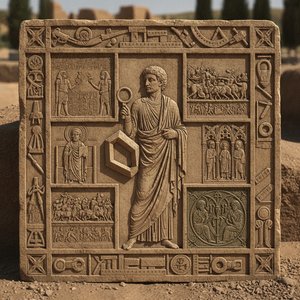
Annunciation (detail)

Kézzel készített olajfestmény reprodukció

Kézzel festett olajvastú vászon, az Ön által választott méretben és keretben, művészeink készítik meglévőre. ( Váltás nyomtatványra Áttérés digitális képre)

A gyűjtemény leírása

Donatello's "Annunciation" (c.1435) is a masterpiece of Early Renaissance sculpture, showcasing the artist’s innovative style and profound religious themes. Explore Donatello’s genius in this iconic work.

A művész életrajza

Donatello (1386-1466): A korai reneszánsz olasz szobrásza. A szabadonálló női szoborforradalmasítója, a klasszikus stílus és expresszió együttesével alkotott világhírű műveket, mint például a David.

előbb ·

1. fejezet

Mekkora méretű legyen?

Húzza a csúszkát a méret megváltoztatásához; a bal oldali kép a keret valós szélességét mutatja. Az eredeti arányok megmaradnak.

Standard méret
egyedi méretű
CM
INCH

Válasszon előre meghatározott méreteink közül, amelyek megfelelnek a műalkotás eredeti arányainak.

szélesség
magasság

Írja be a kívánt szélességet és magasságot, hogy illeszkedjen a keretéhez vagy a falához. Mivel ez kézzel festett alkotás, egy eltérő formájú méret esetén a művész akár festhet is valamivel többet a kép körül, vagy korolathat is belőle — az Ön döntésének megfelelően. A festés megkezdése előtt küldünk egy digitális tervezetet jóváhagyásra. Az oldalon látható kép nem tartalmazza a végeredményt — csak a tervezet mutatja meg a valódi eredményt.

2. fejezet

Hogyan érkezzen meg?

Válaszd ki a feszített vászon széleit

Válassza ki a keretet

Corner sample of the WhiteWrap canvas edge finish, stretched on tömörfa bars
Fehér Ft1
Corner sample of the BlurSideWrap canvas edge finish, stretched on tömörfa bars
Elmosódott szélek Ft1
Corner sample of the ExtendedWrap canvas edge finish, stretched on tömörfa bars
Kiterjesztett Ft1
Corner sample of the P118B picture frame: formázott polisztirol, 5 cm wide and 3 cm thick
P118B Ft10
Corner sample of the P118H picture frame: formázott polisztirol, 5 cm wide and 3 cm thick
P118H Ft10
Corner sample of the P118W picture frame: formázott polisztirol, 5 cm wide and 3 cm thick
P118W Ft10
Corner sample of the P438Z picture frame: formázott polisztirol, 5.5 cm wide and 3.5 cm thick
P438Z Ft10
Corner sample of the P508JH picture frame: formázott polisztirol, 7 cm wide and 3.5 cm thick
P508JH Ft12
Corner sample of the P508YH picture frame: formázott polisztirol, 7 cm wide and 3.5 cm thick
P508YH Ft12
Corner sample of the P805H picture frame: formázott polisztirol, 5 cm wide and 3.5 cm thick
P805H Ft10
Corner sample of the P805Z picture frame: formázott polisztirol, 5 cm wide and 3.5 cm thick
P805Z Ft10
Corner sample of the P919BZ picture frame: formázott polisztirol, 7 cm wide and 3.5 cm thick
P919BZ Ft10
Corner sample of the P919G picture frame: formázott polisztirol, 7 cm wide and 3.5 cm thick
P919G Ft10
Corner sample of the P919XJ picture frame: formázott polisztirol, 7 cm wide and 3.5 cm thick
P919XJ Ft10
Corner sample of the P959ZH picture frame: formázott polisztirol, 5 cm wide and 3 cm thick
P959ZH Ft10
Corner sample of the P968JZ picture frame: formázott polisztirol, 6 cm wide and 4 cm thick
P968JZ Ft12
Corner sample of the W106C picture frame: tömörfa, 5 cm wide and 3 cm thick
W106C Ft8
Corner sample of the W218G picture frame: tömörfa, 5 cm wide and 3 cm thick
W218G Ft10
Corner sample of the W218JH picture frame: tömörfa, 5 cm wide and 3 cm thick
W218JH Ft8
Corner sample of the W218Y picture frame: tömörfa, 5 cm wide and 3 cm thick
W218Y Ft10
Corner sample of the W307PJ picture frame: tömörfa, 6 cm wide and 3 cm thick
W307PJ Ft10
Corner sample of the W316G picture frame: tömörfa, 6 cm wide and 3 cm thick
W316G Ft10
Corner sample of the W316PJ picture frame: tömörfa, 6 cm wide and 3 cm thick
W316PJ Ft8
Corner sample of the W316Y picture frame: tömörfa, 6 cm wide and 3 cm thick
W316Y Ft10
Corner sample of the W398PJ picture frame: tömörfa, 5 cm wide and 3 cm thick
W398PJ Ft8
Corner sample of the W4111J picture frame: tömörfa, 6.5 cm wide and 3.5 cm thick
W4111J Ft10
Corner sample of the W500HY picture frame: tömörfa, 7 cm wide and 5 cm thick
W500HY Ft15
Corner sample of the W500JH picture frame: tömörfa, 7 cm wide and 5 cm thick
W500JH Ft15
Corner sample of the W692G picture frame: tömörfa, 8 cm wide and 4 cm thick
W692G Ft12
Corner sample of the W849H picture frame: tömörfa, 5 cm wide and 3 cm thick
W849H Ft8
Corner sample of the W940BG picture frame: tömörfa, 7.5 cm wide and 4.5 cm thick
W940BG Ft15
Corner sample of the W953PJ picture frame: tömörfa, 6 cm wide and 3.5 cm thick
W953PJ Ft8
Corner sample of the H24-GOLD picture frame: faragott fa gesszóval, 10 cm wide and 6 cm thick
H24-GOLD Ft30
Corner sample of the H24-SILVER picture frame: faragott fa gesszóval, 10 cm wide and 6 cm thick
H24-SILVER Ft30
Corner sample of the H36-GOLD picture frame: faragott fa gesszóval, 15 cm wide and 6.5 cm thick
H36-GOLD Ft45
Corner sample of the H36-SILVER picture frame: faragott fa gesszóval, 15 cm wide and 6.5 cm thick
H36-SILVER Ft45

Keretprofil: . A kerettel együtt vett teljes méret: .

3. fejezet

Ki festi, és változtatni kellene-e bármit?

Példák a módosíthatóságra: Az arc kicserélése a vásárló fotójára; háziállat hozzáadása (pl. macska kicserélése kutyára); rejtett üzenet elhelyezése a háttérben; a háttér tájéképének vagy elemeinek megváltoztatása.
A megrendelést követően a OriginalUniqueArt.com csapat e-mailt küld a vásárlónak az instrukciókkal, és biztosítja a tervezeti előnézetet

Világszerte elérhető szállítás () 3-4 hét alatt a szokásos 5 hét helyett. (4 november). A minőség nem kérdőjelezhető.

4. fejezet

Az utolsó finomhangolás

Egy felirat, mint egy múzeumban?

A gravírozott bronztábla részletei

This elegant plaque features the artist's name and the title of the artwork, finely engraved for a timeless presentation.

It is made from bronze with a refined, elegant finish. The text is precisely laser-engraved for a sharp and permanent result. Measuring 9x2 cm, the plaque is compact yet easy to read. It's built to be durable and scratch-resistant, offering a professional, museum-quality look. Mounting is simple thanks to the included adhesive backing.

Átlátszó akril tábla részletei

The plaque includes essential engraved details such as the artist's name, the title of the artwork, the date it was created, the type of media used-like oil on canvas or watercolor-a brief description of the piece, and a QR code that links to the complete artwork information.

It is crafted from clear acrylic, offering a sleek, modern appearance. The text is UV-engraved in black to ensure strong visual contrast. With a size of 10x15 cm, it ensures optimal readability. It comes equipped with two metal hooks for secure wall mounting. The plaque is designed to be weather-resistant, making it suitable for various environments, and it includes interactive features that work seamlessly with smartphone scanning.

Fekete akril tábla részletei

This elegant plaque includes engraved information such as the artist's name, the title of the artwork, the date it was created, the type of media used (like oil on canvas or watercolor), a short description of the artwork, and a QR code for quick access to more information.

The plaque itself is made from refined black acrylic with a premium finish. The text is laser-engraved in white for high contrast and readability. Its size is 10x15 cm, designed to be easy to read. It comes with two metal hooks for professional mounting. The design is sleek and fits any interior style. It is also weather-resistant and durable, with built-in digital integration for mobile compatibility.

Egy védőréteg?

Mikor lenne szüksége rá?

5. fejezet

Az Ön által megrendelt festmény

Annunciation (detail)

Reprodukciós technika

Reprodukció mérete

-

Kiváló mesterművész

Nagyobb részletesség, finomság és bővített gyártási idő

-

Reprodukció keretezése

-

-

A bármely oldalsó méretét túlszálaló 105 cm (kb. 41 hüvelyk) meghaladó műalkotások vagy reprodukciók esetében a keret összeszerelhető készletként, szétszerelve kerül szállításra. Ez a módszer biztosítja a biztonságos szállítást, és megakadályozza a szállítás során fellépő sérüléseket.

Szakmész összeszerelést igényel – ez nem DIY (önösszeszerelhető) termék.
A készletet egy tapasztalt keretező szakembernek kell összeszerelnie és a vásznat feszítenie kell, fa ragasztó (nem tartalmazza a csomag), vásznfeszítő fogó és szorítók használatával, amelyek a ragasztó száradásáig a keretrészeket egymáshoz vuôngjba tartják. A helytelen összeszerelés vagy a nem egyenletes vásznfeszítés maradandó károsíthatja a műalkotást, és ez nem része a garanciánknak.

  • A készlet tartalmazza az összes tömörfa rudat, pontosan méretre vágva.

  • A mellékelt csavarokkal, valamint a sarokszerekhez szükséges faütő ragasztóval kell összeszerelnie (ez nem tartalmazható a csomagban), így a keretrendezőnek külön kell beszereznie.

  • A csomag nem tartalmazza a szükséges professzionális eszközöket: egy vászonfeszítőt és klipseket a rácsok vízszintes tartásához a ragasztó megszáradásáig.

Fontos:
A sarokcsatlakozásokhoz fánylagra van szükség, a keretrudakat szorítókapcsokkal kell rögzíteni, amíg a rag teljesen meg nem szárad, a kész keretre feszített vászonhoz pedig vászonfeszítő fogat szükséges. Ezek egyike sem található meg a készletben. Kérjük, rendelés előtt győződjön meg róla, hogy rendelkezik tapasztalt keretező szakemberrel.

Névtábla

-

-

Védőréteg (Lakk)

Fényes lakk (intenzívabb színek, védelem a fény és a nedvesség hatása ellen)

-

Műalkotásom egyedi igényre szabása

Példák a módosíthatóságra: az arc kicserélése az ügyfél fotójára; háziállat hozzáadása (pl. macska helyett kutya); rejtett üzenet elhelyezése a háttérben; a háttér tájainak vagy elemeinek megváltoztatása.

-

Sürgős

Világszerte szóló szállítás () mindössze 3-4 hét alatt, a szokásos 5 hét helyett. (4 november). A minőség nem kérdőjelezhető.

-

Express szállítás

Világszerte elérhető szállítás területre 5 héten belül. (11 november).

A szállítás díja tartalmazza

Összesített ár

Ft 97410

Összesített ár Ft 97410

Az üvegkeretes opció csak 110 cm alatti méretben érhető el

Minden rendelés mellé tartalmazva

  • Ingyenes globális expressz szállítás
  • Prémium minőségű len vászon
  • Teljes körű szállítási biztosítás
  • Vámvisszatérítési Garancia
  • Hiteles színarányosság garancia
  • 100 napos visszaküldési lehetőség (csak hibás termékek esetén)
  • 100% pénzvisszatérítési garancia
  • Több darab vásárlásakor kedvezmény

The Genesis of a Vision: Donatello’s Annunciation

Donatello's "Annunciation," specifically this exquisite detail from the relief adorning the Cavalcanti Chapel in Santa Croce, Florence, stands as a pivotal moment in the burgeoning Renaissance. Crafted around 1435, it represents more than just a biblical narrative; it’s a profound exploration of human emotion and a masterful synthesis of classical ideals with emerging humanist sensibilities. Donatello, already a rising star after his time in Rome, was pushing boundaries, moving beyond the stylized formality of the International Gothic style towards a greater emphasis on naturalism, dynamism, and psychological depth – qualities that would define the Florentine Renaissance itself. This particular panel captures a crucial juncture: the moment of revelation, the silent exchange between the Archangel Gabriel and the Virgin Mary, pregnant with the promise of divine intervention.

Annunciation (detail) by Donatello

Sculpting Emotion: Technique and Material

Donatello’s genius lies not just in his subject matter but also in the remarkably expressive execution. Carved from *pietra serena*, a durable, fine-grained marble prized for its ability to hold detail, the relief is imbued with an astonishing sense of immediacy. The artist employed a technique known as “bassorilievo,” creating figures that recede slightly from the background plane, lending them a tangible presence and inviting the viewer into the scene. Note the subtle shifts in posture – Mary’s slight inclination towards Gabriel, her hand raised in a gesture of receptive humility; Gabriel's alert stance, conveying urgency and divine authority. The use of gold highlights, particularly noticeable upon restoration, adds to the work’s opulence and emphasizes the sacred nature of the event. The meticulous detailing of their garments—the flowing robes, the delicate folds—demonstrates Donatello’s mastery of form and his ability to capture the texture and weight of fabric with remarkable precision.

  • Pietra Serena Marble: Chosen for its durability and capacity for fine detail.
  • Bassorilievo Technique: Creates a sense of depth and immediacy, drawing the viewer into the scene.
  • Gold Highlights: Accentuate the sacredness of the event and add to the work’s visual richness.

Symbolism and Narrative Resonance

Beyond its literal depiction of the Annunciation, the panel is rich in symbolic meaning. The setting within a *ædicula*, or small shrine-like enclosure, immediately elevates the scene to a realm of sacred contemplation. The figures themselves are imbued with classical references – Mary’s head echoes the idealized forms of Greek sculpture, suggesting her purity and divine grace. The putti (cherubic angels) flanking the central figures represent innocence and joy, symbolizing the hope associated with the birth of Christ. The overall composition is carefully balanced, reflecting a harmonious order that reflects Renaissance ideals of beauty and proportion. The inclusion of the Cavalcanti family’s name on the base underscores the work's commission by a prominent Florentine family, highlighting its significance within the city’s cultural landscape.

A Legacy of Innovation

Donatello’s “Annunciation” is more than just a beautiful artwork; it’s a landmark achievement in Renaissance sculpture. It represents a decisive break from the conventions of previous generations and established new standards for naturalism, emotional expression, and technical virtuosity. His willingness to experiment with form, texture, and composition paved the way for subsequent artists like Michelangelo and Raphael, shaping the course of Western art history. Reproductions of this masterpiece offer a tangible connection to one of the most transformative periods in artistic innovation – a chance to experience the profound beauty and intellectual depth of Donatello’s vision.

Kérdések és válaszok

Van-e útmutató a(z) „Annunciation (detail)”, Donatello alkotása alkotáshoz?

A "Annunciation (detail)" útmutatója a mű Útmutató oldala – egy kinyomtatható adatlap, amely bemutatja a művet a leírással, a szerzői megjegyzéssel és az azonosító táblázattal (művész, dátumok, technika, eredeti méret, gyűjtemény) együtt.

Megtekinthető „Annunciation (detail)”, Donatello alkotása a saját falamon vásárlás előtt?

A(z) "Annunciation (detail)" kiterjesztett valóság (AR) előnézettel rendelkezik: a mű Kiterjesztett valóság előnézet oldalán kompatibilis eszközön megtekinthető saját környezetében.

Milyen elhelyezés és milyen térhelyiség ajánlott a(z) „Annunciation (detail)”, Donatello alkotása számára?

A "Annunciation (detail)" művet Statement célokra javasoljuk, a legalkalmasabb helyszín pedig egy Living Room.

Több információ erről a festményről

Megtekintés AR előnézet Váltás nyomtatványra Áttérés digitális képre Küldés
Részletek Útmutató Kedvencekhez ad Letöltés Hasonló darabok X-ray felvétel Diavetítés Kérdések és válaszok Statisztika

Számokban kifejezve

  • 1435a festés éve
  • 29választható keretek
  • standard méretek, saját arányokkal
  • 5hetek a festésre és a kézbesítésre
Donatello

Donatello

1386 - 1466, Olaszország

Gyors információk Donatello művészről

  • Artistic Movement Or Style: Korai reneszánsza
  • Artists Or Movements Influenced By This Artist: ['Olasz reneszánsza']
  • Artists Who Influenced This Artist: ['Klasszikus szobrászat']
  • Date Of Birth: c. 1386
  • Date Of Death: 1466
  • Full Name: Donatello di Niccolò
  • Nationality: Olasz
  • Notable Artworks:
    • David
    • St. Louis
    • Sacrifice Isaac
    • Crucifix
  • Place Of Birth: Firenze, Olaszország

A művész életrajza

Early Life and Artistic Beginnings

Donatello di Niccolò di Betto Bardi, a name that would become synonymous with the dawn of the Renaissance in Florence, was born around 1386 in the heart of the city. His early life remains shrouded in some mystery, yet it’s clear he was steeped in the vibrant atmosphere of Florentine craftsmanship and burgeoning artistic innovation. Donatello's father, Niccolò di Betto Bardi, was a wool carder – a respected member of the merchant class – providing his son with a foundation rooted in commerce and community. This social standing afforded young Donatello access to the workshops and studios where the city’s finest artisans honed their skills. Initially, Donatello apprenticed under Lorenzo Ghiberti, a master sculptor renowned for his intricate bronze doors destined for the Florence Cathedral (Duomo). Ghiberti's workshop was a crucible of artistic experimentation, and it was here that young Donatello began to absorb the principles of classical form and technique. However, Donatello’s restless spirit and keen eye soon led him to seek further knowledge, eventually finding his way into the studio of Filippo Brunelleschi, the architect whose revolutionary dome for the Duomo would become a symbol of Florentine ingenuity. This period marked a crucial shift in Donatello's artistic development, exposing him to the burgeoning interest in mathematics, perspective, and the rediscovery of ancient Roman sculpture – elements that would profoundly shape his future work.

Key Works and Artistic Innovations

Donatello’s genius truly blossomed during the 1420s and 30s, producing a body of work that redefined sculpture for its time. His most celebrated achievement, undoubtedly, is the *David* (c. 1440-1446), a monumental bronze statue depicting the biblical hero in his youth. Unlike previous depictions of David – often portrayed as an aged warrior – Donatello presented him as a youthful, confident figure, embodying strength and vulnerability simultaneously. This innovative portrayal was revolutionary; it marked the first freestanding nude male sculpture since antiquity, a bold statement that signaled a departure from the stylized, symbolic representations prevalent in medieval art. The statue’s anatomical accuracy, dynamic pose, and expressive gaze captivated viewers and established Donatello as a leading figure of the Early Renaissance. Beyond *David*, Donatello created a remarkable array of works, each demonstrating his evolving style and technical mastery. The *St. Louis of Toulouse* (c. 1428-1430), commissioned by the Medici family, showcases his ability to integrate classical elements with Byzantine influences – a hallmark of Florentine art during this period. The *Sacrifice of Isaac* (c. 1457-1469) for the Santa Maria del Fiore campanile is another masterpiece, characterized by its dramatic composition and poignant portrayal of the biblical story. Donatello’s use of *schiacciato*, a technique involving shallow relief carving, created an illusion of depth and movement that was both innovative and remarkably effective.

Artistic Style and Legacy

Donatello's artistic style evolved dramatically throughout his career, reflecting his constant experimentation and engagement with contemporary trends. Initially influenced by Ghiberti’s elegant realism, he gradually developed a more expressive and emotionally charged approach. His early works demonstrate a meticulous attention to detail and a reverence for classical proportions, while later sculptures exhibit a greater sense of dynamism, psychological depth, and individual character. Donatello wasn't simply replicating the past; he was actively interpreting it, imbuing it with his own unique vision and sensibility. Crucially, Donatello’s work broke free from the rigid conventions of Gothic sculpture, embracing naturalism, humanism, and a profound understanding of anatomy. He pioneered new techniques in bronze casting and marble carving, pushing the boundaries of sculptural expression. His influence extended far beyond Florence, inspiring artists throughout Italy and Europe. Artists like Michelangelo Buonarroti, Leonardo da Vinci, and many others acknowledged Donatello’s pivotal role in shaping the course of Western art.

Personal Life and Working Style

Despite his artistic brilliance, Donatello was known for a somewhat tumultuous personal life. Accounts from his contemporary, Vasari, paint a picture of an artist who was both charismatic and prone to fits of temper. He was reportedly a demanding personality, often accepting more commissions than he could realistically fulfill, sometimes delivering works late or leaving the finishing touches to other sculptors. This characteristic, while perhaps frustrating for his patrons, speaks to his extraordinary productivity and relentless pursuit of artistic excellence. Donatello’s dedication to his craft was unwavering, and his legacy as one of the greatest sculptors in history remains secure.

Gyors információk

  • Dimensions: 420 x 274 cm
  • Notable elements: Putti, gold highlights
  • Subject or theme: Annunciation
  • Title: Annunciation (detail)
  • Year: 1435
  • Medium: Pietra serena

Művészeti kvíz

Minden kérdésre csak egy helyes válasz létezik.

Kérdés 1:
What is the primary subject depicted in Donatello’s ‘Annunciation (detail)’?
Kérdés 2:
In what year was Donatello’s ‘Annunciation (detail)’ created?
Kérdés 3:
The sculpture utilizes what material primarily?
Kérdés 4:
Which of the following best describes Donatello’s artistic style as exemplified in this work?
Kérdés 5:
The ‘Annunciation (detail)’ is located within which church?
Fedezze fel a műalkotásokat témák, stílusok és jellemzők szerint csoportosítva.