

 Megtekintés
 Küldés
 Megosztás
 Részletek
 Útmutató

 Letöltés
 Hasonló darabok
 X-ray felvétel
 Diavetítés
 Statisztika
Antiphonary
 Tempera
- International Gothic
 1390
1390- Late Medieval
 595.0 x 439.0 cm
 Brooklyn Múzeum
 Összes részlet megjelenítése
Kézzel készített olajfestmény reprodukció
Kézzel festett olajvastú vászon, az Ön által választott méretben és keretben, művészeink készítik meglévőre. ( Váltás nyomtatványra Áttérés digitális képre)




P118B Ft10

P118H Ft10

P118W Ft10

P438Z Ft10

P508JH Ft12

P508YH Ft12

P805H Ft10

P805Z Ft10

P919BZ Ft10

P919G Ft10

P919XJ Ft10

P959ZH Ft10

P968JZ Ft12

W106C Ft8

W218G Ft10

W218JH Ft8

W218Y Ft10

W307PJ Ft10

W316G Ft10

W316PJ Ft8

W316Y Ft10

W398PJ Ft8

W4111J Ft10

W500HY Ft15

W500JH Ft15

W692G Ft12

W849H Ft8

W940BG Ft15

W953PJ Ft8




Válasszon előre meghatározott méreteink közül, amelyek megfelelnek a műalkotás eredeti arányainak.

Írja be a kívánt szélességet és magasságot, hogy illeszkedjen a keretéhez vagy a falához. Mivel ez kézzel festett alkotás, egy eltérő formájú méret esetén a művész akár festhet is valamivel többet a kép körül, vagy korolathat is belőle — az Ön döntésének megfelelően. A festés megkezdése előtt küldünk egy digitális tervezetet jóváhagyásra. Az oldalon látható kép nem tartalmazza a végeredményt — csak a tervezet mutatja meg a valódi eredményt.
A rendelést követően a OriginalUniqueArt.com csapata e-mailt küld az ügyfélnek az instrukciókért, és biztosít egy előnézeti képet (mockup).
Világszerte elérhető szállítás () 3-4 hét alatt a szokásos 5 hét helyett. (25 október). A minőség nem kérdőjelezhető.

Ingyenes globális expressz szállítás

Prémium minőségű len vászon

Teljes körű szállítási biztosítás

Vámvisszatérítési Garancia

Hiteles színarányosság garancia

100 napos visszaküldési lehetőség (csak hibás termékek esetén)

100% pénzvisszatérítési garancia

Több darab vásárlásakor kedvezmény
 Az üvegkeretes opció csak 110 cm alatti méretben érhető el

Antiphonary
Reprodukciós technika
Reprodukció mérete
-


Összesített ár
Ft 96158
A Celestial Symphony in Parchment
In the quiet, hallowed corridors of history, few objects capture the divine intersection of devotion and artistry as profoundly as the Antiphonary by Don Simone Camaldolese. Created in the late 1390s, this masterpiece of medieval illumination serves as a luminous window into the spiritual soul of Florence. As one gazes upon its surface, the eye is immediately drawn into a celestial dance of gold, azure, and crimson. This is not merely a liturgical book; it is a choreographed performance of light and pigment, where every stroke of tempera on parchment was intended to elevate the human spirit toward the heavens. The manuscript breathes with the rhythmic pulse of ancient chants, its very texture whispering the sacred melodies that once echoed through monastic halls.
The artistry of Camalduluese is defined by an extraordinary command over detail and a vibrant use of color that defies the passage of centuries. The Antiphonary features breathtakingly intricate borders, where delicate figures—perhaps angels or celestial beings—float amidst flourishing red and blue initials. These illuminated capitals act as gateways to the sacred text, framing the Latin script with a grandeur that demands reverence. The artist’s technique is a masterclass in precision; the meticulous rendering of musical notation alongside fine, graceful illustrations creates a seamless harmony between the written word and the visual image. For the discerning collector or interior designer, this piece offers a profound sense of historical weight and ornamental elegance, making it an incomparable focal point for any space dedicated to contemplation and beauty.
The Legacy of Florentine Illumination
To understand the Antiphonary is to understand the cultural zenith of the late fourteenth century. Don Simone Camaldolese, a master whose career flourished under the patronage of influential monastic orders like Santa Maria degli Angeli, brought a unique Sienese sensibility to the Florentine tradition. His work represents a pivotal moment in art history where the boundaries between book decoration and fine painting began to dissolve. The symbolism embedded within the manuscript—from the floral motifs that represent life's fragility to the golden highlights that signify divine presence—creates a rich, multi-layered narrative. Each page is a testament to the painstaking craftsmanship of an era when time was measured by the slow, deliberate application of gold leaf and pigment.
Owning a high-quality reproduction of such a significant work allows for a modern encounter with the sublime. The visual impact of the Antiphonary lies in its ability to evoke emotion; it inspires awe through its complexity and peace through its sacred themes. Whether placed in a private library, a sophisticated study, or an elegantly curated gallery, this reproduction brings the warmth of medieval craftsmanship into the contemporary home. It serves as a reminder of a time when art was not merely seen but experienced as a profound act of worship and a celebration of human ingenuity, offering a timeless aesthetic that transcends the boundaries of modern design.
Kérdések és válaszok
Elérhető diákok számára egy „Antiphonary”, Don Simone Camaldolese alkotása információs adatlap?
A "Antiphonary" útmutatója a mű Útmutató oldala – egy kinyomtatható adatlap, amely bemutatja a művet a leírással, a szerzői megjegyzéssel és az azonosító táblázattal (művész, dátumok, technika, eredeti méret, gyűjtemény) együtt.
Milyen érzelmi hangulat kíséri a "Antiphonary" alkotás International Gothic stílusát?
A International Gothic irányzat részeként a "Antiphonary" egy Spiritual hangulatban készült.
Ki a szerzője és mikor készült a "Antiphonary"?
A "Antiphonary" alkotását Don Simone Camaldolese készítette 1390 évben.
A művész életrajza
Don Simone Camaldolese: A Florentine Master of Illuminated Manuscripts
Don Simone Camaldolese (c. 1378-1405) stands as a pivotal figure in the artistic landscape of late fourteenth-century Florence, primarily recognized for his exceptional contribution to illuminated manuscripts—specifically the Antiphonary and Gradual—works that exemplify the pinnacle of Florentine book illumination during this period. While biographical details remain scarce, scholars believe he was born in Siena, establishing him firmly within a rich artistic tradition rooted in his hometown’s heritage. His career flourished under the patronage of influential monastic orders, notably Santa Maria degli Angeli, where he honed his skills and developed a distinctive style that would solidify his reputation as one of the most prolific illuminators of his time.- Early Influences & Artistic Training: Camaldolese’s artistic sensibilities were undoubtedly shaped by the prevailing stylistic trends of Siena and broader Tuscan art circles. Evidence suggests he received training within established workshops, absorbing techniques and aesthetic principles characteristic of the era—a period marked by a fervent revival of Byzantine iconography and a growing fascination with naturalistic representation.
- The Camaldolese School & Style: Don Simone’s association with Santa Maria degli Angeli fostered the development of what is known as the Camaldolese school, characterized by its meticulous attention to detail and its masterful execution. His style distinguishes itself through a harmonious blend of Byzantine elegance and Florentine realism—a stylistic fusion that reflects the intellectual currents of his time.
- Notable Works: The Antiphonary & Gradual: Camaldolese’s legacy rests primarily on his monumental illumination projects, most notably the Antiphonary and Gradual. These manuscripts showcase his unparalleled skill in creating intricate initial capitals adorned with elaborate floral motifs and symbolic imagery—a testament to his artistic prowess. Furthermore, his book illustrations are imbued with a profound sense of narrative depth and visual splendor, capturing the spirit of Dante Alighieri’s Divine Comedy.
Technique & Artistic Innovation
Camaldolese's approach to illumination was marked by an unwavering commitment to craftsmanship and innovation. He skillfully employed tempera paint on parchment—a technique favored during the fourteenth century—allowing for vibrant colors and remarkable luminosity. His meticulous attention to detail extended beyond mere pigment application; he painstakingly rendered textures, drapery folds, and facial expressions with astonishing accuracy. Moreover, Camaldolese pushed boundaries in stylistic experimentation, incorporating elements of Byzantine iconography alongside Florentine naturalism—a daring fusion that elevated his work to the highest levels of artistic achievement. The Initial “A” from the Antiphonary (Getty Museum), exemplifies this masterful blend of styles.Historical Significance & Legacy
Don Simone Camaldolese’s contribution to Florentine art transcends mere stylistic innovation; he embodies the spirit of a transformative period in European culture—the Renaissance Proto-Renaissance. His illuminated manuscripts serve as invaluable windows into the intellectual and artistic sensibilities of fourteenth-century Florence, reflecting the humanist ideals that would eventually blossom into the full flowering of the Renaissance. As one of the most prolific illuminators of his time, Camaldolese’s work continues to inspire admiration for its beauty, sophistication, and technical mastery—a testament to his enduring legacy as a Florentine artistic genius.
Don Simone Camaldolese
1378 - 1405 , Italy
Rövid információk
- Full Name: Don Simone Camaldolese
- Nationality: Italian
- Date Of Birth: 1378
- Date Of Death: 1405
- Place Of Birth: Florence, Italy
- Notable Artworks:
- Initial "A" from the Antiphonary (Choir Book 39)
- Gradual (fragment)
- Antiphonary
- Artistic Movement Or Style: Late Fourteenth Century Art
- Artists Who Influenced This Artist: ['Gherarducci']
- Artists Or Movements Influenced By This Artist: ['Camaldolese School']
Kapcsolódó cikkek

Gilded Glory: The High-Impact Art of Gold Leaf and Byzantine Masterpieces
Explore the celestial brilliance of Byzantine masterpieces. Discover the sacred alchemy of gold leaf, the spiritual depth of Orthodox icons, and how this high-impact gilded glory continues to inspire awe in fine art history and modern luxury interiors.

Aranyérintésű Mesterek: A 10 Legikonikusabb Festmény, Amelyek Meghatározták a Művészetet
Fedezze fel a 10 leglenyűgözőbb aranylevéllel díszített festményt! Ismerje meg Klimt, Leonardo da Vinci és más mesterek alkotásait. Luxus faliképek, művészeti reprodukciók – inspiráció otthonába a OriginalUniqueArt.com-on!
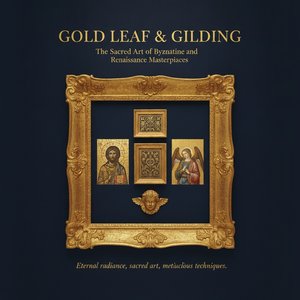
The Sacred Glow: Mastering Gold Leaf and Gilding in Byzantine Art
Explore the divine mastery of Byzantine gold leaf and gilding. Discover how ancient artisans used gold ground and mosaics to create celestial light, a timeless legacy of spiritual splendor and technical excellence in sacred art history.
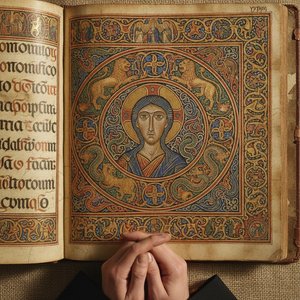
Whispers of the Soul: Discovering the Sacred Beauty and Intricate Devotion of Early Medieval Art
Embark on a soulful journey through Early Medieval art. Explore the sacred beauty of illuminated manuscripts, Byzantine gold leaf, and the profound spiritual symbolism that shaped history. Discover the timeless devotion captured in every intricate detail.

Sacred Symbols & Golden Light: A Journey Through the Divine Artistry of the Early Medieval Era
Embark on a visual journey through Early Medieval art. Explore the profound beauty of illuminated manuscripts, sacred symbols, and golden light through an expert historical lens, celebrating the enduring legacy of medieval craftsmanship and divine artistry.