
 Előnézet
 Megosztás
 Megosztás
 Részletek
 Útmutató

 Letöltés
 Hasonló darabok
 X-ray felvétel
 Diavetítés
 Statisztika
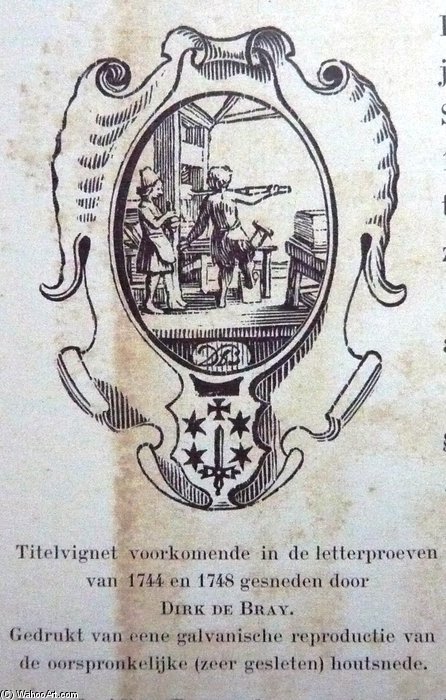
Illustration From Haarlem Printing
 Tovább olvasom
Kézzel készített olajfestmény reprodukció
Kézzel festett olajvastú vászon, az Ön által választott méretben és keretben, művészeink készítik meglévőre. ( Váltás nyomtatványra Áttérés digitális képre)




































Válasszon előre meghatározott méreteink közül, amelyek megfelelnek a műalkotás eredeti arányainak.

Ön megadhat saját méreteket egy adott kerethez vagy térhez igazításhoz. Ha a kiválasztott méret nem egyezik az eredeti kép arányával, akkor a műalkotást levágjuk, vagy további kézzel festett elemekkel meghosszabbítjuk a festményt. A gyártás megkezdése előtt küldünk Önnek egy digitális előnézetet jóváhagyásra.
Kérjük, vegye figyelembe, hogy a képernyőn megjelenő előnézet nem tükrözi a tényleges vágást vagy kiterjesztést. Csak az előnézet fog pontosan mutatni a végső kompozíciót.
Bár egyedi méretek állnak rendelkezésre, javasoljuk, hogy válasszon egy méretet az előre meghatározott listából az eredeti arányok megőrzése érdekében.
A rendelést követően a OriginalUniqueArt.com csapata e-mailt küld az ügyfélnek az instrukciókért, és biztosít egy előnézeti képet (mockup).
Világszerte elérhető szállítás () 3-4 hét alatt a szokásos 5 hét helyett. (26 szeptember). A minőség nem kérdőjelezhető.

Ingyenes globális expressz szállítás

Prémium minőségű len vászon

Teljes körű szállítási biztosítás

Vámvisszatérítési Garancia

Tökéletes színarányosság garancia

100 napos visszaküldési garancia (csak gyártási hibás termékek esetén)

100% pénzvisszatérítési garancia

Több darab vásárlásakor kedvezmény
 Az üvegkeretes opció csak 110 cm alatti méretben érhető el

Illustration From Haarlem Printing
Reprodukciós technika
Reprodukció méretei
-


Összesített ár
$ 325
A művész életrajza
A Legacy of Floral Brilliance and Artistic Family Ties
Dirck de Bray (1635 – 1694) stands as a prominent figure within the Dutch Golden Age, celebrated primarily for his masterful depictions of flowers—a genre he elevated to unparalleled levels of detail and beauty. Yet, his artistic journey extended far beyond botanical illustration; he was a multifaceted talent deeply rooted in a distinguished artistic lineage and marked by a contemplative life dedicated to monastic pursuits. Born into Haarlem’s vibrant artistic milieu, Dirck’s very existence was intertwined with the pulse of the Netherlands' most creative era.
His father, Salomon de Bray, was himself a celebrated painter and architect—a connection that profoundly shaped his formative years. This familial influence instilled in him an appreciation for artistic excellence and fostered a collaborative spirit within the Bray family. His brother Jan became a successful painter, while his mother, Anna Westerbaen, provided an intellectual richness to his upbringing as the sister of the renowned poet Jan Westerbaer. These connections ensured that Dirck was immersed in a world where art, poetry, and architecture breathed as one.
Mastery of Form and the Sculptor's Touch
De Bray's artistic training began under Salomon’s tutelage, honing skills in both painting and sculpture. This dual mastery allowed him to approach the canvas with a unique understanding of three-dimensional form. A remarkable testament to his skill was his carving of a wooden bust of his father's head, an achievement so meticulously documented by Houbraken that it was utilized for Salomon’s engraving in the famous Schouburg. This ability to manipulate medium—from the delicate grain of wood to the fluid transparency of oil—demonstrated a keen understanding of texture and printmaking techniques alongside his artistic prowess.
His artistic style is characterized by meticulous observation and painstaking execution, traits most evident in his stunning flower paintings. Unlike many contemporaries who favored looser, more impressionistic brushstrokes, De Bray achieved a profound realism through the layering of thin glazes of color. This technique allowed him to capture the subtle nuances of petal textures, the dewy sheen on a leaf, and the complex light play within floral arrangements with breathtaking accuracy. His compositions often incorporate dramatic lighting that elevates his still lifes from mere botanical studies to profound meditations on life.
Symbolism, Spirituality, and the Vanitas Tradition
Beyond the surface beauty of his blooms, De Bray’s work often whispered of deeper, more somber truths. In masterpieces such as Still Life with a Bouquet in the Making (1674), he utilized the vibrant colors of tulips, daffodils, and primroses to create a sense of springtime vitality, yet he frequently infused these scenes with elements of Vanitas—the reflection on mortality. A solitary butterfly or a wilting petal served as a poignant reminder of the ephemeral nature of existence, a theme that resonated deeply with his own spiritual journey.
This contemplative nature was further deepened by his later life; Dirck eventually became a monk in the Benedictine monastery at Gaesdonck near Goch. This transition from the vibrant studios of Haarlem to the quiet, disciplined life of a monk imbued his later perspective with a certain quiet dignity and spiritual depth. Whether painting a lush basket of flowers on a marble ledge or capturing the symbolic weight of religious icons, De Bray’s work remains a testament to a soul that found the divine in the minute details of the natural world.

Dirck de Bray
1635 - 1694 , Netherlands
Gyors információk
- Artistic Movement Or Style: Dutch Golden Age
- Artists Or Movements Influenced By This Artist: ['Hals']
- Artists Who Influenced This Artist: ['Salomon de Bray']
- Date Of Birth: 1635
- Full Name: Dirck de Bray
- Nationality: Dutch
- Notable Artworks:
- Still Life with a Bouquet in the Making
- Portrait Of Salomon De Bray
- A still life of a basket of flowers on a large marble ledge
- Place Of Birth: Haarlem, Netherlands
