Előnézet
 Megosztás
 Megosztás
 Részletek
 Útmutató

 Letöltés
 Hasonló darabok
 X-ray felvétel
 Diavetítés
 Statisztika
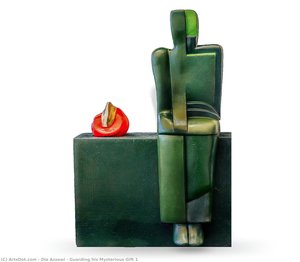
Éjjeli Maszk
 Geometric Modernism
 2018
2018 20.0 x 12.0 cm
 Ibrahimi Collection
 Tovább olvasom
Az ezen az oldalon megjelenített műalkotások szerzői jogi védelem alatt állnak, ami azt jelenti, hogy törvényileg nem készíthetünk és nem adhatunk el belőlük pontos másolatokat. Ez a védelem olyan nemzetközi megállapodások alapján érvényesül, mint például a Berni Egyezmény és a nemzeti törvények által, beleértve azokat is, amelyeket meghatározott Az USA szerzői jogi törvénye – 17. cím.
Ez a módszer teljes mértékben megfelel a szerzői jogi szabályozásnak, mivel nem tartalmazza a védett műalkotás másolását vagy duplikálását. Ehelyett ez egy kreatív újinterpretáció – egy új festmény, amely az eredetivel való összefüggései miatt hatással van rá, de nem az az.
Giclée / Műnyomat
Múzeumi minőségű giclée vagy vászonnyomat, gyors gyártással és rugalmas finomítási lehetőségekkel. ( Kézzel festett másolat vásárlása Áttérés digitális képre)




P118B Ft10

P118H Ft10

P118W Ft10

P438Z Ft10

P508JH Ft12

P508YH Ft12

P805H Ft10

P805Z Ft10

P919BZ Ft10

P919G Ft10

P919XJ Ft10

P959ZH Ft10

P968JZ Ft12

W106C Ft8

W218G Ft10

W218JH Ft8

W218Y Ft10

W307PJ Ft10

W316G Ft10

W316PJ Ft8

W316Y Ft10

W398PJ Ft8

W4111J Ft10

W500HY Ft15

W500JH Ft15

W692G Ft12

W849H Ft8

W940BG Ft15

W953PJ Ft8




Válasszon előre meghatározott méreteink közül, amelyek megfelelnek a műalkotás eredeti arányainak.

Megadhat saját méreteket is egy konkrét kerethez vagy helyszínhez igazítva. Amennyiben a kiválasztott méret nem egyezik az eredeti kép arányokkal, a műalkotást le fogjuk vágni, vagy kiegészítjük a képet tükrözött vagy egyszínű szélekkel. A gyártás megkezdése előtt egy digitális tervezetet küldünk jóváhagyásra.
Kérjük, vegye figyelembe, hogy a képernyőn látható előnézet nem tükrözi a tényleges levágást vagy kiegészítést. Csak a tervezet mutatja pontosan a végső kompozíciót.
Bár az egyedi méretek is elérhetőek, az eredeti arányok megőrzése érdekében azt javasoljuk, hogy válasszon a előre meghatározott listából származó méretet.
Világszerte történő kiszállítás területére mindössze 2 hét alatt, a szokásos 4-5 hét helyett. (8 október)

Ingyenes globális expressz szállítás

Prémium minőségű len vászon

Teljes körű szállítási biztosítás

Vámvisszatérítési Garancia

Tökéletes színarányosság garancia

100 napos visszaküldési garancia (csak gyártási hibás termékek esetén)

100% pénzvisszatérítési garancia

Több darab vásárlásakor kedvezmény
 Az üvegkeretes opció csak 110 cm alatti méretben érhető el

Éjjeli Maszk
Giclée / Műnyomat
Reprodukció méretei
-


Összesített ár
Ft 25017
Dia al-Azzawi és az Éjjeli Maszk – Egy Szellemű Együttműködés Irakban
Az Éjjeli Maszk egy különleges műalkotás, mely Dia al-Azzawi iraki származó keramikus művésze alkotása. Ez nem csak egy egyszerű tárgy, hanem egy teljes világ felé nyitott ajtó, amely mély betekintést enged az arab művészet és kultúra szíveába. Az alkotás 2018-ban született Ammanban Jordániában és azonnal megérdemelte a művészi közeg figyelmét.- Szellemű Együttműködés
- Dia al-Azzawi egy igazi ikonikus figura Irakban, aki nagy hangsúlyt helyezett elméleti ismeretek és gyakorlati készségek szintézisére. Élete és művészete összefüggésbe kerül az Irak története és kulturális öröksége változásával.
- Fotográfiai Megközelítés
- A fotós kollégája különös figyelmet fordított a fény használatához, hogy kihívja elő az Éjjeli Maszk mélyebb jelentését és érzelmi rétegeit. Az eredmény egy elegáns és informatív műalkotás, amely tökéletesen tükrözi az eredeti anyag szépségét és komplexitását.
- Egy Új Perspektíva
- Az Éjjeli Maszk egy új perspektívát kínál az arab művészet számára, amely egyszerre mély filozófiai gondolatokat és művészi szépséget tartalmaz. Egy olyan alkotás, mely mindenképpen megérdemel odafigyelést és értékelést.
Gyakran Ismételt Kérdések
Hol látható ma a(z) „Éjjeli Maszk”, Dia al-Azzawi alkotása?
A „Éjjeli Maszk”, Dia al-Azzawi alkotása eredeti darabja a Ibrahimi Collection, Amman, Jordánia gyűjteményében található. A reprodukció lehetővé teszi, hogy a mű otthonában is megjelenjen.
Ki készítette a(t): "Éjjeli Maszk"?
A "Éjjeli Maszk" alkotását Dia al-Azzawi készítette. Az ezen az oldalon található információk Dia al-Azzawi eredeti művészetét mutatják be.
Melyik tér harmonizál a „Éjjeli Maszk”, Dia al-Azzawi alkotása színeivel?
A „Éjjeli Maszk”, Dia al-Azzawi alkotása Semleges színek színei tökéletesen illeszkednek a javasolt helyiséghez: egy Nappali.
Milyen érzést kelt a "Éjjeli Maszk"?
A "Éjjeli Maszk" egy Melankolikus érzetet kelt. Az érzelmi hangulat azt az impressziót írja le, amelyet a mű közvetít.
Mennyire intenzívek a „Éjjeli Maszk”, Dia al-Azzawi alkotása színei?
A „Éjjeli Maszk”, Dia al-Azzawi alkotása Monokromatikus szín intenzitást mutat be.
Mikor készült a "Éjjeli Maszk"?
A "Éjjeli Maszk" művészeti alkotás 2018-ból származik. A dátum Dia al-Azzawi pályájának és az adott korszaknak is meghatározó pontjaként szolgál.
Mennyi volt Dia al-Azzawi életkora, amikor a "Éjjeli Maszk" készült?
Dia al-Azzawi 79 éves volt, amikor 2018 évben megalkotta a "Éjjeli Maszk" alkotást. A korúsítás az alkotó születési évéből, 1939 fel основании került kiszámítva.
A művész életrajza
A Life Forged in Mesopotamian Echoes
Dia al-Azzawi, born in Baghdad in 1939, is more than just a painter; he’s a visual poet of the Arab world, an artist whose life and work are inextricably linked to the turbulent history and enduring cultural heritage of Iraq. His formative years unfolded amidst a period of profound political and social change – a backdrop that would deeply inform his artistic vision. From early childhood experiences steeped in Iraqi folklore and the majestic remnants of Mesopotamia’s ancient civilizations, al-Azzawi developed an acute sensitivity to the power of symbolism and narrative. This foundation led him to the Institute of Fine Arts in Baghdad, where he received formal training, mastering technical skills while simultaneously absorbing the currents of art history – a knowledge base he would later brilliantly synthesize with his own unique aesthetic language. Even then, it was clear that al-Azzawi wasn’t simply aiming to replicate existing styles; he sought to excavate and revitalize the visual culture of his ancestors.The Birth of a Distinctive Vision
Al-Azzawi's artistic journey began with explorations in abstract expressionism, but this phase proved merely a stepping stone towards something far more distinctive. He quickly gravitated toward an innovative style that boldly integrated Arabic calligraphy into his compositions. This wasn’t mere ornamentation; it was a deliberate act of reclamation, a powerful assertion of Arab identity within the global art landscape. Al-Azzawi became a central figure in the *Hurufiyya* movement – a collective endeavor to liberate Arabic letters from their traditional linguistic function and explore their inherent aesthetic potential as abstract forms. His canvases began to pulse with the energy of ancient scripts, transformed into dynamic shapes and patterns that resonated with both historical weight and contemporary relevance. The palette he employed was often vibrant and emotionally charged, reflecting not only his personal intensity but also a deep engagement with the political realities surrounding him. He didn’t shy away from confronting difficult themes; instead, he channeled them into works of profound beauty and unsettling power. The influence of Mesopotamian art, particularly its intricate geometric patterns and symbolic representations, is clearly visible in this early work, suggesting a deliberate return to ancient roots.Forging New Paths: The New Vision Group
In 1963, recognizing the need for a more progressive artistic voice in Iraq, al-Azzawi co-founded the New Vision group (Jama’at al-Ru’ya al-Jadida). This collective of Iraqi artists aimed to break free from conventional norms and modernize Arab art. It was a bold undertaking, challenging established institutions and advocating for experimentation. Al-Azzawi’s leadership within the group proved instrumental in fostering a vibrant artistic community and inspiring a new generation of creatives. The New Vision group wasn’t simply about stylistic innovation; it was about redefining what it meant to be an Arab artist in a rapidly changing world, forging a path toward greater cultural autonomy and self-expression. Through exhibitions, publications, and collaborative projects, they sought to elevate the profile of modern Iraqi art both domestically and internationally. The group's activities extended beyond purely artistic endeavors, encompassing discussions on social issues and advocating for a more critical engagement with history and politics – a testament to al-Azzawi’s commitment to using art as a tool for social change.Themes of Heritage, Conflict, and Exile
Throughout his prolific career, Dia al-Azzawi has consistently addressed themes of heritage, identity, conflict, and exile – subjects deeply resonant with the experiences of the Arab world. His work serves as a poignant reflection of the political turmoil and social upheaval that have marked Iraq’s history and continue to shape its present. He masterfully navigates diverse media – painting, sculpture, printmaking, and digital art – demonstrating an unwavering commitment to artistic innovation. Notable works like “Amin Hasanain Al-Ibrahimy,” a moving tribute to the renowned Iraqi poet, and the harrowing “Nasheed Al Jassad (Bodily Anthem) Tel el Zaatar” series, commemorating the victims of the Tel al-Zaatar refugee camp massacre in Lebanon, stand as powerful testaments to his artistic conscience. Al-Azzawi’s art often grapples with the complexities of displacement and loss, exploring themes of memory, trauma, and resilience. His use of symbolism – particularly references to ancient Mesopotamian myths and legends – adds layers of meaning to these works, inviting viewers to contemplate the enduring legacy of the past. The series *Ruins of Two Cities: Mosul and Aleppo* powerfully documents the devastation caused by recent conflicts, highlighting the human cost of political instability.A Legacy Etched in Calligraphy and Courage
Today, Dia al-Azzawi is rightfully regarded as one of the most important and influential artists of the modern Arab world. His pioneering use of Arabic calligraphy, coupled with his unflinching exploration of complex socio-political themes, has left an indelible mark on subsequent generations of artists. Though he now resides in London, he remains a vital voice in contemporary art, continuing to advocate for Arab artistic expression on a global stage. His work is exhibited internationally and held in numerous prestigious collections, solidifying his place as a significant figure not only within the context of Middle Eastern art but also within the broader narrative of global art history. Dia al-Azzawi’s legacy isn't just about aesthetic innovation; it’s about courage – the courage to confront difficult truths, to reclaim cultural identity, and to use art as a powerful tool for social change.
Dia al-Azzawi
1939 - , Irak
Gyors információk
- Artistic Movement Or Style: Hurufiyya, Abst. ekspr.
- Artists Or Movements Influenced By This Artist: ['Modern arab művészek']
- Date Of Birth: 1939
- Full Name: Dia al-Azzawi
- Nationality: Irak
- Notable Artworks:
- Amin Hasanain Al-Ibrahimy
- Nasheed Al Jassad
- Szép Szív
- Gilgamesh
- Place Of Birth: Bagdad, Irak
Kapcsolódó cikkek
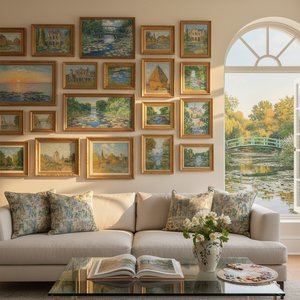
Claude Monet 25 Mesterműve: A Fény és a Szín Zsenialitása – OriginalUniqueArt.com
Fedezze fel Claude Monet 25 legikonikusabb mesterművét! Ismerje meg az impresszionizmus zseniális festőjének történetét, a fény és szín varázsát. Vásároljon exkluzív reprodukciókat otthona dekorációjához a OriginalUniqueArt.com-on!

A kék árnyalatai: 10 ikonikus festmény a Slate Blue szín jegyében | OriginalUniqueArt.com
Fedezze fel a 10 legikonikusabb festményt, melyeket a Slate Blue szín ural! Monet, Renoir és más mesterek művei inspirálnak. Vászonképek eladás, otthon dekoráció tippek a OriginalUniqueArt.com-on. Explore the full collection online!

The Allure of Azure: Exploring the Symbolic & Aesthetic Depths of Blue in Art History
Explore the rich history of blue in art! Discover its symbolism, from ancient pigments to modern masterpieces by Kandinsky & Seurat. Uncover the psychological impact and cultural meanings behind this captivating hue.
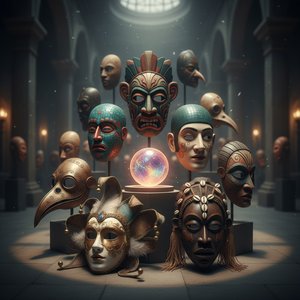
Unveiling the Mystery: A Journey Through the World's Most Iconic Mask Artworks
Embark on a profound journey through the world's most iconic mask artworks. Explore the spiritual depth, intricate craftsmanship, and rich cultural heritage of global traditions, from Chhau to Gomira, in this expert-led exploration of ancestral artistry and symbolic beauty.
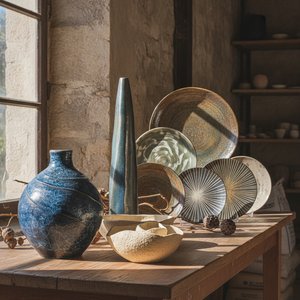
The Art of Ceramics: A Guide to Mastery, Texture, and Timeless Form for the Discerning Collector
Explore the profound elegance of ceramic art. From master glazes to sculptural forms, our expert guide offers discerning collectors deep insights into the mastery, texture, and timeless value of fine ceramics for sophisticated collections and luxury interiors.