Megtekintés
 Küldés
 Megosztás
 Részletek

 Letöltés
 Hasonló darabok
 X-ray felvétel
 Diavetítés
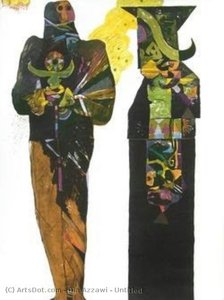
Desert Scene No. 2
 Oil On Canvas
- WallArt
- Abstract Expressionism
 1981
1981 100.0 x 70.0 cm
 Ibrahimi Collection
 Összes részlet megjelenítése
Kézzel készített olajfestmény reprodukció
Kézzel festett olajvastú vászon, az Ön által választott méretben és keretben, művészeink készítik meglévőre. ( Nyomat rendelése Kép letöltése)




P118B $10

P118H $10

P118W $10

P438Z $10

P508JH $12

P508YH $12

P805H $10

P805Z $10

P919BZ $10

P919G $10

P919XJ $10

P959ZH $10

P968JZ $12

W106C $8

W218G $10

W218JH $8

W218Y $10

W307PJ $10

W316G $10

W316PJ $8

W316Y $10

W398PJ $8

W4111J $10

W500HY $15

W500JH $15

W692G $12

W849H $8

W940BG $15

W953PJ $8




Válasszon előre meghatározott méreteink közül, amelyek megfelelnek a műalkotás eredeti arányainak.

Ön megadhat saját méreteket egy adott kerethez vagy térhez igazításhoz. Ha a kiválasztott méret nem egyezik az eredeti kép arányával, akkor a műalkotást levágjuk, vagy további kézzel festett elemekkel meghosszabbítjuk a festményt. A gyártás megkezdése előtt küldünk Önnek egy digitális előnézetet jóváhagyásra.
Kérjük, vegye figyelembe, hogy a képernyőn megjelenő előnézet nem tükrözi a tényleges vágást vagy kiterjesztést. Csak az előnézet fog pontosan mutatni a végső kompozíciót.
Bár egyedi méretek állnak rendelkezésre, javasoljuk, hogy válasszon egy méretet az előre meghatározott listából az eredeti arányok megőrzése érdekében.
A rendelést követően a OriginalUniqueArt.com csapata e-mailt küld az ügyfélnek az instrukciókért, és biztosít egy előnézeti képet (mockup).
Világszerte elérhető szállítás () 3-4 hét alatt a szokásos 5 hét helyett. (19 augusztus). A minőség nem kérdőjelezhető.

Ingyenes globális expressz szállítás

Prémium minőségű len vászon

Teljes körű szállítási biztosítás

Vámvisszatérítési Garancia

Hiteles színpontosság garancia

60 napos visszaküldési lehetőség (csak hibás termékek esetén)

100% pénzvisszatérítési garancia

Több darab vásárlása esetén kedvezmény
 Az üvegkeretes opció csak 110 cm alatti méretben érhető el

Desert Scene No. 2
Reprodukciós technika
Reprodukció mérete
-


Összesített ár
$ 300
A műalkotás leírása
A Gaze Across Shifting Sands: Dia al-Azzawi's "Desert Scene No. 2"
Dia al-Azzawi’s “Desert Scene No. 2,” painted in 1981, is more than a depiction of a landscape; it’s a resonant echo of Iraqi heritage and the enduring spirit of resilience against a backdrop of political turmoil. Measuring 100 x 70 cm, this oil on canvas work presents a striking abstraction of an elephant within a desert setting, rendered with bold shapes, flat planes of color, and a deliberate simplification that transcends mere representation. The artwork invites us to contemplate themes of strength, memory, and the profound connection between culture and identity—a connection deeply rooted in al-Azzawi’s own life experiences.
The Language of Form and Color
Al-Azzawi's artistic vocabulary is one of geometric clarity. The composition is dominated by a powerful central figure – the elephant, rendered in dark tones that anchor the piece—contrasting sharply with a lighter background. This visual weight is balanced by a large triangular shape occupying the upper right corner, creating a dynamic tension within the frame. Horizontal lines bisecting the canvas add structure and stability to this otherwise fluid arrangement. The color palette itself speaks volumes; earthy browns, beiges, and reds evoke the arid landscape, while darker accents of black, green, and blue define the elephant's form with striking precision. A delicate line of yellow provides a subtle spark of brightness, preventing the composition from becoming overly somber. Noticeably absent are detailed textures or shading—the paint is applied smoothly, emphasizing the flatness and graphic quality of the work. This deliberate lack of traditional rendering techniques aligns with al-Azzawi’s broader artistic project: to distill complex narratives into their essential forms.
Echoes of Mesopotamia and Modernism
Born in Baghdad in 1939, al-Azzawi's life has been inextricably linked to the history and culture of Iraq. His formative years were steeped in Iraqi folklore and the remnants of ancient Mesopotamian civilizations—a rich heritage that profoundly shaped his artistic vision. “Desert Scene No. 2” can be seen as a visual embodiment of this legacy, with the elephant itself carrying symbolic weight within Middle Eastern cultures, often representing strength, wisdom, and memory. The artwork’s style draws from both early modernism and simplified folk art traditions, creating a unique aesthetic that is both timeless and deeply personal. It's a testament to al-Azzawi’s ability to synthesize diverse influences—from classical European painting studied during his formal training to the vibrant artistic currents of his native Iraq—into a cohesive and compelling visual language. The work was created in 1981, a period marked by significant political upheaval in the Middle East, adding another layer of complexity to its interpretation.
A Symbol of Resilience and Enduring Spirit
Beyond its formal qualities, “Desert Scene No. 2” resonates with an emotional depth that speaks to universal themes of resilience and endurance. The solitary elephant traversing a vast desert landscape evokes a sense of quiet strength in the face of adversity—a powerful metaphor for the Iraqi people navigating periods of conflict and change. Al-Azzawi’s abstraction allows for multiple interpretations, inviting viewers to project their own experiences and emotions onto the canvas. It is an artwork that lingers in the mind long after viewing, prompting reflection on the enduring power of culture, memory, and the human spirit.
A művész életrajza
A Life Forged in Mesopotamian Echoes
Dia al-Azzawi, born in Baghdad in 1939, is more than just a painter; he’s a visual poet of the Arab world, an artist whose life and work are inextricably linked to the turbulent history and enduring cultural heritage of Iraq. His formative years unfolded amidst a period of profound political and social change – a backdrop that would deeply inform his artistic vision. From early childhood experiences steeped in Iraqi folklore and the majestic remnants of Mesopotamia’s ancient civilizations, al-Azzawi developed an acute sensitivity to the power of symbolism and narrative. This foundation led him to the Institute of Fine Arts in Baghdad, where he received formal training, mastering technical skills while simultaneously absorbing the currents of art history – a knowledge base he would later brilliantly synthesize with his own unique aesthetic language. Even then, it was clear that al-Azzawi wasn’t simply aiming to replicate existing styles; he sought to excavate and revitalize the visual culture of his ancestors.The Birth of a Distinctive Vision
Al-Azzawi's artistic journey began with explorations in abstract expressionism, but this phase proved merely a stepping stone towards something far more distinctive. He quickly gravitated toward an innovative style that boldly integrated Arabic calligraphy into his compositions. This wasn’t mere ornamentation; it was a deliberate act of reclamation, a powerful assertion of Arab identity within the global art landscape. Al-Azzawi became a central figure in the *Hurufiyya* movement – a collective endeavor to liberate Arabic letters from their traditional linguistic function and explore their inherent aesthetic potential as abstract forms. His canvases began to pulse with the energy of ancient scripts, transformed into dynamic shapes and patterns that resonated with both historical weight and contemporary relevance. The palette he employed was often vibrant and emotionally charged, reflecting not only his personal intensity but also a deep engagement with the political realities surrounding him. He didn’t shy away from confronting difficult themes; instead, he channeled them into works of profound beauty and unsettling power. The influence of Mesopotamian art, particularly its intricate geometric patterns and symbolic representations, is clearly visible in this early work, suggesting a deliberate return to ancient roots.Forging New Paths: The New Vision Group
In 1963, recognizing the need for a more progressive artistic voice in Iraq, al-Azzawi co-founded the New Vision group (Jama’at al-Ru’ya al-Jadida). This collective of Iraqi artists aimed to break free from conventional norms and modernize Arab art. It was a bold undertaking, challenging established institutions and advocating for experimentation. Al-Azzawi’s leadership within the group proved instrumental in fostering a vibrant artistic community and inspiring a new generation of creatives. The New Vision group wasn’t simply about stylistic innovation; it was about redefining what it meant to be an Arab artist in a rapidly changing world, forging a path toward greater cultural autonomy and self-expression. Through exhibitions, publications, and collaborative projects, they sought to elevate the profile of modern Iraqi art both domestically and internationally. The group's activities extended beyond purely artistic endeavors, encompassing discussions on social issues and advocating for a more critical engagement with history and politics – a testament to al-Azzawi’s commitment to using art as a tool for social change.Themes of Heritage, Conflict, and Exile
Throughout his prolific career, Dia al-Azzawi has consistently addressed themes of heritage, identity, conflict, and exile – subjects deeply resonant with the experiences of the Arab world. His work serves as a poignant reflection of the political turmoil and social upheaval that have marked Iraq’s history and continue to shape its present. He masterfully navigates diverse media – painting, sculpture, printmaking, and digital art – demonstrating an unwavering commitment to artistic innovation. Notable works like “Amin Hasanain Al-Ibrahimy,” a moving tribute to the renowned Iraqi poet, and the harrowing “Nasheed Al Jassad (Bodily Anthem) Tel el Zaatar” series, commemorating the victims of the Tel al-Zaatar refugee camp massacre in Lebanon, stand as powerful testaments to his artistic conscience. Al-Azzawi’s art often grapples with the complexities of displacement and loss, exploring themes of memory, trauma, and resilience. His use of symbolism – particularly references to ancient Mesopotamian myths and legends – adds layers of meaning to these works, inviting viewers to contemplate the enduring legacy of the past. The series *Ruins of Two Cities: Mosul and Aleppo* powerfully documents the devastation caused by recent conflicts, highlighting the human cost of political instability.A Legacy Etched in Calligraphy and Courage
Today, Dia al-Azzawi is rightfully regarded as one of the most important and influential artists of the modern Arab world. His pioneering use of Arabic calligraphy, coupled with his unflinching exploration of complex socio-political themes, has left an indelible mark on subsequent generations of artists. Though he now resides in London, he remains a vital voice in contemporary art, continuing to advocate for Arab artistic expression on a global stage. His work is exhibited internationally and held in numerous prestigious collections, solidifying his place as a significant figure not only within the context of Middle Eastern art but also within the broader narrative of global art history. Dia al-Azzawi’s legacy isn't just about aesthetic innovation; it’s about courage – the courage to confront difficult truths, to reclaim cultural identity, and to use art as a powerful tool for social change.
Dia al-Azzawi
1939 - , Irak
A művészről röviden
- Artistic Movement Or Style: Hurufiyya, Abst. ekspr.
- Artists Or Movements Influenced By This Artist: ['Modern arab művészek']
- Date Of Birth: 1939
- Full Name: Dia al-Azzawi
- Nationality: Irak
- Notable Artworks:
- Amin Hasanain Al-Ibrahimy
- Nasheed Al Jassad
- Szép Szív
- Gilgamesh
- Place Of Birth: Bagdad, Irak
Kapcsolódó cikkek

Absztrakt Expresszionizmus Mesterei: 10 alkotás, ami meghatározta a művészetet | OriginalUniqueArt.com
Fedezze fel a 10 legikonikusabb absztrakt expresszionista alkotást! Ismerje meg Jackson Pollock, Mark Rothko és más mesterek történetét. Művészeti reprodukciók prémium minőségben – OriginalUniqueArt.com.

Geometrikus Absztrakció Mesterei: 10 Alapvető Műalkotás a Lakberendezéshez
Fedezze fel a geometrikus absztrakció 10 legikonikusabb műalkotását! Kandinsky, Mondrian és más mesterek festményeinek története inspirálja otthona dekorációját. Múzeumi minőségű reprodukciók a OriginalUniqueArt.com-on – fedezze fel online!
Beyond the Lines: Mastering the High-Impact World of Contemporary Abstraction
Master the high-impact world of contemporary abstraction. Discover how bold colors, textures, and modern movements like Abstract Expressionism can transform your space with premium, high-energy art curated for the design-conscious professional.

Kandinsky Mesterművei: 25 Lenyűgöző Festmény a Modern Művészet Gyöngyszemeiből | OriginalUniqueArt
Fedezze fel Wassily Kandinsky 25 legikonikusabb művét! Merüljön el az absztrakt művészet világában, ismerje meg a színek és formák lenyűgöző történetét. Prémium minőségű reprodukciók és inspiráló dekorötletek a OriginalUniqueArt.com-on.
The Soul of Color: A Journey into the Emotional Resonance of Lyrical Abstraction
Embark on a cultural journey through Lyrical Abstraction. Explore how masters like Kandinsky used color and motion to translate emotion into visual poetry. Discover the profound beauty of abstract expressionism and learn to curate emotional resonance in your own art collection.