
 Megtekintés
 Küldés
 Megosztás
 Részletek
 Útmutató

 Letöltés
 Hasonló darabok
 X-ray felvétel
 Diavetítés
 Q&A
Q&A Statisztika
The Kitchen

- 171.0 x 237.0 cm


 Összes részlet megjelenítése
Szerezzen be nyomtatásra kész fájlt, amely messze túlmutat a webes előnézeten. Minden általunk értékesített digitális kép az adatbázisunkban található nagy felbontású mesterfájlból származik – általában 5 000 és 15 000 pixel szélességű –, így magabiztosan nyomtathat nagy méretben, sokat vághat a képen, vagy reprodukálhatja a legfinomabb részleteket is.
Stúdiómból egyetlen fájl sem távozik feltartózkodás nélkül. Egy digitális szakértő az eredeti festménnyel összehasonlítja a színeket, és szükség esetén korrigálja azokat, majd professzionális retusználó eszközökkel javítja a tisztaságot és a részletgazdagságot — miközben mindig hű marad a művész vonalvezetéséhez és stílusához. Az eredmény egy olyan kép, amely úgy néz ki, mint egy festmény, és nem úgy, mint egy szűrőzött szkenn.
A végső munka befejezése előtt jóvá kell hagynia a képet: szakértőnk 72 órán belül elküldi azt e-mailben ellenőrzésre. Nem tetszett? Kérhet javításokat vagy korrekciókat, illetve visszatérítést kérhet, amennyiben a minőség nem felel meg az elvárásoknak.
Ez az a minőség, amelyre a kiadók, a design stúdiók, a galériák és a nyomdaték megbízhatnak.
Digitális kép
Töltsön le nagy felbontású fájlt személyes kiállításokhoz, nyomtatáshoz és kreatív projektekhez. ( Váltás nyomtatványra Kézzel festett másolat rendelése)
Minden digitális kép rendeléséhez tartozó extrák
Szakértői digitális kézbesítés, garantáltan
Amikor a OriginalUniqueArt.com szolgáltatást választja, nem csupán egy képet kap – professzionálisan felmagasított digitális műalkotást kap, amely precizitással készült, és amelyet megelégsedési gwarancia tesz biztoslássá. Az alábbiakban automatikusan minden benne 】

Gyors e-mail teslimítés
A nagy felbontású digitális képmásolatát a megrendelést követő 72 órán belül e-mailben elküldjük Önnek – azonnal használható formátumban.

MI-alapú digitális fájljavítás
Műve professzionális módon kerül optimalizálásra fejlett mesterséges intelligencia eszközök és manuális szerkesztés segítségével, biztosítva a maximális részletességet, tisztaságot és színpontosságot.

Örök életű ingyenes újradelivery
Véletlenül törölted vagy elvesztetted a fájlodat? Ne aggódj – bármikor ingyen újra megküldjük neked.

Nincs importköltség – soha
Élvezze műalkotásait azonnal, vám, illeték vagy szállítási költség nélkül – a digitális letöltések mindig adamentesek.

Színpontosság garantálása
Professzionális eszközök és színkezelés segítségével garantáljuk, hogy digitális képe a lehető legpontosabban tükrözze az eredeti színeket.

100 napos elégedettségi garancia
Ha nemມີ elégedett a digitális képével, 100 napon belül felülvizsgáljuk vagy 100% visszatérítjük az amountot – kérdés बिना.

100% Pénzvisszatérítési garancia
Nem tetszett a vásárlás? 100 napon belül teljes visszatérítést garantálunk a digitális fájl megvételétől számítva – kérdés nélkül.

Tömegrendelési kedvezmények
Vásároljon 3 képet, spóroljon 10%-et - Vásároljon 5-öt, spóroljon 15%-et - Vásároljon 10+ képet, spóroljon 20%-at. Kiváló kreatív projektekhez, galériákhoz és ügynökségekhez.
A Snapshot of Everyday Life: David Teniers the Younger’s “The Kitchen”
David Teniers the Younger's "The Kitchen," painted in 1646, isn’t merely a depiction of a domestic scene; it’s a vibrant tableau brimming with life, humor, and an astute observation of Flemish society. This remarkable work transcends simple genre painting, offering a glimpse into the heart of a bustling household—a microcosm reflecting the rhythms and relationships of everyday existence. Measuring 171 x 237 cm, the canvas explodes with activity, populated by thirteen individuals engaged in various tasks within a richly detailed kitchen environment. The sheer number of figures, coupled with their diverse interactions – from children playfully chasing birds to adults tending hearths and tables – immediately draws the viewer into this immersive world.
The painting’s Baroque style is evident in its dynamic composition, dramatic lighting, and meticulous attention to detail. Teniers masterfully employs a technique of *alla prima*, working directly onto the wet canvas without underdrawing, resulting in a sense of immediacy and spontaneity. Notice how he captures the textures of rough-hewn wooden furniture, the glint of metal tools, and the folds of fabric with remarkable precision. The artist’s use of color is equally noteworthy – warm earth tones dominate, punctuated by brighter accents that draw attention to key elements within the scene, such as a vibrant red tablecloth or the gleam of copper pots.
A Window into 17th-Century Flanders
To understand “The Kitchen,” it’s crucial to situate it within its historical context. The painting was created during a period of significant artistic and social change in the Netherlands, following the decline of the High Renaissance and the rise of Baroque styles. David Teniers the Younger emerged as a leading figure in this transition, skillfully blending influences from his father's earlier work with contemporary trends. His subject matter often revolved around scenes of rural life, domestic interiors, and tavern gatherings – themes that resonated deeply with the burgeoning middle class.
The inclusion of numerous animals—a dog, two cats, and a flock of birds—adds another layer of interest to the composition. Animals were frequently depicted in Flemish art, often serving as symbols of fertility, abundance, or domesticity. In “The Kitchen,” they seamlessly integrate into the human drama, contributing to the overall sense of lively chaos. The presence of books suggests an appreciation for learning and intellectual pursuits within the household, while the scattered bottles and bowls hint at a life filled with simple pleasures and convivial gatherings.
Symbolism and Social Commentary
Beyond its immediate visual appeal, “The Kitchen” offers subtle insights into 17th-century Flemish society. The scene’s bustling energy reflects the importance of family and community in this era. The various activities taking place—cooking, eating, cleaning, and socializing—highlighted the central role of the home as a focal point for social interaction. The inclusion of both adults and children underscores the multi-generational nature of Flemish households. Furthermore, the painting’s depiction of everyday life provides a valuable glimpse into the material culture and social customs of the time.
Interestingly, Teniers' career was marked by a remarkable versatility. He served as a court painter, a printmaker, and even a curator for Archduke Leopold Wilhelm, demonstrating a broad range of artistic skills and interests. His ability to capture both the grandeur of formal portraits and the intimacy of genre scenes cemented his reputation as one of the most prolific and influential artists of his generation. “The Kitchen” stands as a testament to this remarkable talent, offering a captivating window into a bygone era.
Kérdések és válaszok
Hogyan írják le „The Kitchen”, David Teniers Ifjebb alkotása színezetét?
A „The Kitchen”, David Teniers Ifjebb alkotása színek palettáját úgy jellemzik, mint Earthy. Ez a mű színeinek tömör leírása.
Melyik évben készült a „The Kitchen”, David Teniers Ifjebb alkotása?
A "The Kitchen" 1646-ban készült. Ez az időpont meghatározó jelentőséggel bír David Teniers Ifjebb pályájában és az adott korszak kontextusában is.
Maradt-e a "The Kitchen" mű a művész hon országában?
Nem – a műtárgy külföldön található. A „The Kitchen” mű Russia múzeumának gyűjteményében található, míg David Teniers Ifjebb Belgium országban született.
Művész életrajza
Early Life and Family Background
- Born: Antwerp, then in the Spanish Netherlands, baptised on December 15, 1610.
- David Teniers the Younger came from a family deeply rooted in the artistic tradition of Flanders. His father, David Teniers the Elder, was also a painter, and his younger brothers Juliaan, Theodoor and Abraham all became painters as well.
- Training: He studied under his father from 1626, receiving his foundational training in painting techniques and styles.
- His father was frequently in debt and was at times jailed for it, so the young David made copies of old master paintings to help support the family.
- Antwerp Guild: He became a master of the Antwerp Guild of Saint Luke in 1632–1633 and served as its dean in 1644–1645.
Artistic Development and Influences
- Early Influences: His early work followed his father’s small cabinet paintings and, through him, the example of Adam Elsheimer. Until the end of the 1630s his pictures were very close to those of Adriaen Brouwer in subject matter, technique, colour and composition.
- The Rubens Circle: In 1637 he married Anna Brueghel, daughter of Jan Brueghel the Elder. Peter Paul Rubens, who had been her guardian after her father’s death, was a witness at the wedding, drawing Teniers into the circle of Antwerp’s leading painter.
- Genre Specialization: Teniers gradually specialized in genre painting – depictions of everyday life – becoming renowned for his lively scenes of peasant festivals (kermesses), tavern interiors, and village landscapes.
Major Works and Artistic Style
- Genre Scenes: His most celebrated works are his genre paintings. These often depict bustling scenes of peasant life filled with merriment, dancing, drinking, and games.
- Kermess Paintings: Village feasts such as The Flemish Kermess exemplify his style – vibrant colors, detailed compositions, and a keen observation of human behavior.
- Tavern Interiors: His tavern scenes are particularly notable for their realistic portrayal of everyday life and the lively atmosphere within these establishments.
- Beyond the Village: He also painted landscapes, guardroom scenes, alchemists and physicians at work, and witty singeries in which monkeys act out human affairs.
- Gallery Paintings: His views of the Archduke’s picture gallery, their walls crowded with identifiable masterpieces, made him a leading figure of this distinctly Flemish genre.
Court Painter and Curator
- Service to Archduke Leopold Wilhelm: Around 1650 Teniers moved to Brussels to serve Archduke Leopold Wilhelm, the Governor of the Spanish Netherlands, as court painter and keeper of his art collection.
- Collection Management: He helped the Archduke acquire masterpieces, including paintings from the dispersed English royal collection and the Hamilton collection. The collection grew to some 1,300 works and later formed a foundation of the Kunsthistorisches Museum in Vienna.
- Theatrum Pictorium: Published in Brussels in 1660, it reproduced 246 Italian paintings from the Archduke’s collection in engravings – the first illustrated catalogue of an old master collection.
- Pupils: Gillis van Tilborgh is believed to have trained with him in Brussels and later held the same post of keeper of the court collection.
- Later Life: After Anna’s death he married Isabella de Fren in 1656. He petitioned the king of Spain for a patent of nobility, but gave up when he was told he would have to stop selling his paintings.
- The Antwerp Academy: Teniers was the driving force behind the foundation of the Academy of Fine Arts in Antwerp, obtaining its royal charter in 1663, with the aim of revitalizing Flemish painting after the deaths of Rubens and Van Dyck.
Historical Significance and Legacy
- Leading Genre Painter: David Teniers the Younger is considered the leading Flemish genre painter of his time, capturing the essence of 17th-century life with remarkable skill.
- Influence on Later Artists: His work influenced subsequent generations of Northern European painters and even impacted French Rococo artists like Antoine Watteau.
- Prolific Output: Teniers was an incredibly prolific artist, producing a vast body of work that continues to be admired for its charm, detail, and historical insight.
- Death: He died in Brussels on April 25, 1690, leaving behind a lasting legacy as one of Flanders’ most important Baroque painters.
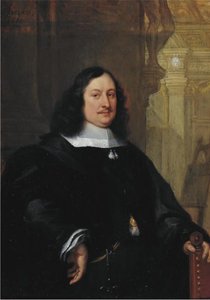
David Teniers Ifjebb
1610 - 1690 , Belgium
Érmeradatok
- Date Of Birth: 1610
- Date Of Death: 1690
- Place Of Birth: Antwerpen, Belgium
- Place Of Death: Brüsszel, Belgium
- Birth Date: 1610
- Birth Place: Antwerpen, Belgium
- Death Date: 1690
- Influenced By: Adriaen Brouwer, Adam Elsheimer, Peter Paul Rubens
- Movement: Barokk
- Name: David Teniers Ifjebb
- Nationality: Flandriai
- Notable Works:
- Két itató
- Falusi jelenet
- Konyhai jelenet
- Flandriai kermess