

 Előnézet
 Megosztás
 Megosztás
 Részletek
 Útmutató

 Letöltés
 Hasonló darabok
 X-ray felvétel
 Diavetítés
 Statisztika
Milanói katedrális
 Olajfestmény vászonon
- Falfeliratok és faldekoráció
- Romantic Architecture
 1863
1863 Touchstones Rochdale Arts And Heritage Centre
 Tovább olvasom
Giclée / Műnyomat
Múzeumi minőségű giclée vagy vászonnyomat, gyors gyártással és rugalmas finomítási lehetőségekkel. ( Kézzel festett másolat vásárlása Áttérés digitális képre)




P118B Ft10

P118H Ft10

P118W Ft10

P438Z Ft10

P508JH Ft12

P508YH Ft12

P805H Ft10

P805Z Ft10

P919BZ Ft10

P919G Ft10

P919XJ Ft10

P959ZH Ft10

P968JZ Ft12

W106C Ft8

W218G Ft10

W218JH Ft8

W218Y Ft10

W307PJ Ft10

W316G Ft10

W316PJ Ft8

W316Y Ft10

W398PJ Ft8

W4111J Ft10

W500HY Ft15

W500JH Ft15

W692G Ft12

W849H Ft8

W940BG Ft15

W953PJ Ft8




Válasszon előre meghatározott méreteink közül, amelyek megfelelnek a műalkotás eredeti arányainak.

Írja be a keretének vagy a falának megfelelő szélességet és magasságot. A nyomatot csak le lehet vágni, soha nem tehető nagyobbá, mint az eredeti kép, így egy eltérő alakú méretnél a kép egy része elveszik. Mielőtt bármit kinyatintanánk, küldünk egy digitális próbamodellt jóváhagyásra. Az oldalon látható kép nem tartalmazza a valós levágást — ezt csak a próbamodell mutatja meg.
Világszerte történő kiszállítás területére mindössze 2 hét alatt, a szokásos 4-5 hét helyett. (25 október)

Ingyenes globális expressz szállítás

Prémium minőségű len vászon

Teljes körű szállítási biztosítás

Vámvisszatérítési Garancia

Tökéletes színarányosság garancia

100 napos visszaküldési garancia (csak gyártási hibás termékek esetén)

100% pénzvisszatérítési garancia

Több darab vásárlásakor kedvezmény
 Az üvegkeretes opció csak 110 cm alatti méretben érhető el

Milanói katedrális
Giclée / Műnyomat
Reprodukció méretei
-


Összesített ár
Ft 25605
David Roberts és az Óriási katedrális megfestése – Egy Épület Szellemének Megörökítése
David Roberts (1796–1864) egy skót festő volt, aki hatalmas népszerűségre vált el az ősi művészetében és részletes litográfóiában. Műve jelentős betekintést biztosít a XIX. századi Közép-Európába, összekötve művészi ábrázolást történelmi dokumentációval. Roberts egy igazán különleges alkotó volt, aki nem csak technikailag magas színvonalú tudását bizonyította, hanem képes volt megörökíteni az épület szellemét és atmoszféráját – ezt pedig kiválóan mutatja meg a Milan katedrális című képe. A Kép Szemmelében: Egy Épület Megfestése Roberts műve egy igazi mérföldkövét jelentett az épület művészetének történetében. Az Óriási katedrális megfestését azonban nem lehet csak egyszerű technikailag értékelni; ez egy komplex alkotás, amely számos tényezőből fakad. Roberts gondosan átvizsgálta a katedrál és részletes tanulmányokat készített róla, mielőtt elindult volna a festés munkálatában. Az eredmény pedig egy olyan műalkotás lett, ami képes megörökíteni az épület hatalmát és szépségét – ezt pedig kiválóan mutatja meg a képen. Technika és Stílusz: Egy Építészet Szerelmese Roberts technikája és stílusa szintén különleges jellegű volt. Az Óriási katedrális megfestését egy olajkényes műalkotásként végezte el, ami lehetővé tette számára, hogy gazdag színeket és aprólékos részleteket használjon fel. Ez a módszer nem csak nagy előnyt jelentett az épület megjelenítésében, hanem azt is megváltoztatta Roberts saját művészi kifejezési módját. Az alkotó különös figyelmet fordított az épület fényének és árnyékának érzékelésére, ami pedig egy nyugodt és meghitt atmoszférát eredményezett. Egy igazán nagy tudású festő volt, aki képes volt megörökíteni az épület szellemét és szépségét – ezt pedig kiválóan mutatja meg a képen. História és Kontextus: Egy Építészet Szerelmese A Milan katedrál megfestése egy jelentős időszakban született meg, amikor az építészet művészetében nagy változások zajlottak le. Roberts műve egyben dokumentum is az építészet történetének egyik legjelentősebb korszakához tartozik. Az Óriási katedrál megfestését követően Roberts számos más épületet és tájképet festett el, amelyek szintén nagy népszerűségre váltottak el közönség körében. Ezek a műalkotások bizonyítékául szolgálnak az építészet művészetének fejlődésének és változásának folyamatának történetének egyik legszebb példájának. Roberts műve egy igazi örökség, amely évszázadokon át megmaradt és inspirációt adott számos későbbi festőnek és művésznőnek. Érzelmi Hatás és Szimbolizmus: Egy Építészet Szerelmese A Milan katedrál megfestése nem csak egy épület részletes ábrázolása, hanem egy nagy érzelmi hatással bíró műalkotás is. Roberts képes volt megörökíteni az épület hatalmát és szépségét – ezt pedig kiválóan mutatja meg a képen. Az Óriási katedrális megfestését követően Roberts számos más épületet és tájképet festett el, amelyek szintén nagy népszerűségre váltak el közönség körében. Ezek az alkotások bizonyítékául szolgálnak az építészet művészetének fejlődésének és változásának folyamatának történetének egyik legszebb példájának. Roberts műve egy igazi örökség, amely évszázadokon át megmaradt és inspirációt adott számos későbbi festőnek és művésznőnek.Gyakran Ismételt Kérdések
Hogyan írják le „Milanói katedrális”, David Roberts (festő) alkotása színezetét?
A „Milanói katedrális”, David Roberts (festő) alkotása színek palettáját úgy írják, mint Földszínek. Ez a mű színeinek tömör leírása.
Hogyan tekinthetném meg a(t) „Milanói katedrális”, David Roberts (festő) alkotása alkotást diaváltogatással?
A „Milanói katedrális”, David Roberts (festő) alkotása diaporámaként tekinthető a mű Diaváltás oldalán.
„Milanói katedrális”, David Roberts (festő) alkotása színei élénkek vagy fakók?
A „Milanói katedrális”, David Roberts (festő) alkotása színei Finom színtónusú telítettséget és Monokromatikus intenzitást mutatnak be.
A művész életrajza
David Roberts: A Life in Art
David Roberts (1796-1864) was a Scottish painter celebrated for his detailed Orientalist scenes and meticulous lithographs. His work provides invaluable visual documentation of the Middle East during the 19th century, bridging artistic representation with historical record. He remains an influential figure in Victorian art history, embodying both technical prowess and a profound engagement with distant cultures.Early Life and Career
Born on October 24, 1796, in Stockbridge near Edinburgh, Roberts’s formative years instilled within him a dedication to craftsmanship. At the age of ten, he commenced an apprenticeship under Gavin Beugo, honing his skills as a house painter and decorator – experience that would prove invaluable later in his artistic endeavors. This practical grounding complemented his evening art studies, fostering a balanced approach to artistic development. His initial professional commissions included redecorating Scone Palace in 1815, demonstrating early aptitude for transforming spaces through visual artistry. Subsequently, he transitioned into scene painting for James Bannister’s circus, refining his ability to create immersive environments and capturing the dynamism of theatrical productions. These formative experiences established a solid foundation for his burgeoning career as a respected Orientalist painter.Artistic Journey and Influences
Roberts' artistic trajectory was propelled by an expanding curiosity about diverse cultures and landscapes. While initially focused on theatrical scenery – a skill honed during his circus work – he gradually pursued independent artistic explorations, driven by a desire to transcend conventional boundaries. His voyage to Spain in 1832 served as a catalyst for heightened attention to architectural detail and exotic locales, shaping his visual sensibilities. However, it was his extensive expeditions into Egypt and the Near East (1838-1840) that truly cemented his artistic legacy. These journeys yielded a wealth of sketches and observations – meticulously documented – which he subsequently translated into his most celebrated works. Notably, Roberts wasn’t significantly influenced by any singular artist; rather, his style emerged from careful observation and unwavering technical mastery—a testament to his dedication to capturing the essence of his subjects with unparalleled accuracy.Notable Works and Achievements
Roberts achieved lasting renown primarily through The Holy Land, Syria, Idumea, Arabia, Egypt, and Nubia – a series of breathtaking lithograph prints that captivated audiences across Europe. These images powerfully conveyed the grandeur of ancient sites—Jerusalem, Damascus, Petra—and the vibrant tapestry of daily life in the region. The meticulous detail with which Roberts rendered architectural facades, costumes, and landscapes established him as a pioneer in documenting historical environments. Furthermore, he was elected as a Royal Academician in 1841 – an honor reflecting his profound contribution to British art and scholarship. His lithographs stand as enduring records of a bygone era, continuing to inspire admiration for their artistic merit and historical significance.Artistic Style and Characteristics
Roberts’s distinctive artistic style is characterized by several key elements:- Orientalism: He embraced the Romantic movement's fascination with “the Orient,” portraying scenes from Egypt and Persia with remarkable sensitivity and precision.
- Technical Mastery: Roberts possessed exceptional skill in rendering textures, light, and perspective—techniques honed through years of experience as a painter and decorator.
- Landscape Painting: His canvases frequently depicted expansive vistas—mountains, deserts, rivers—infused with atmospheric effects that conveyed both beauty and grandeur.

David Roberts (festő)
1796 - 1864 , Egyesült Királyság
Gyors információk
- Artistic Movement Or Style: Orientalism
- Artists Who Influenced This Artist:
- Jenaro Pérez Villaamil
- Alexander Nasmyth
- Country: United Kingdom
- Date Of Birth: October 24, 1796
- Date Of Death: 1864
- Full Name: David Roberts
- Nationality: Scottish
- Notable Artworks: ['The Holy Land, Syria, Idumea, Arabia, Egypt, and Nubia']
- Place Of Birth: Stockbridge
Kapcsolódó cikkek

The Shadow of Faith: Exploring Gothic Art's Spiritual Intensity & Architectural Innovation
Explore the spiritual intensity & architectural innovation of Gothic art! Discover the symbolism behind cathedrals, stained glass & master artists like Giotto and Monet. A deep dive into medieval history & artistic expression.

Gothic Vibes: From Dark Shadows to Bold Modern Edge | The Ultimate Trend Forecast
Explore the evolution of Gothic vibes, from historical shadows to bold modern edge. Discover how dark aesthetics, noir interiors, and contemporary subcultures are redefining modern design through a high-impact, trend-focused lens.

David Roberts: A Scottish Pioneer of Topographical Art & Orientalist Vision
Explore the captivating world of David Roberts, a pioneering Scottish painter renowned for his detailed Orientalist scenes & stunning Egyptian landscapes. Discover his legacy and find museum-quality reproductions at OriginalUniqueArt.
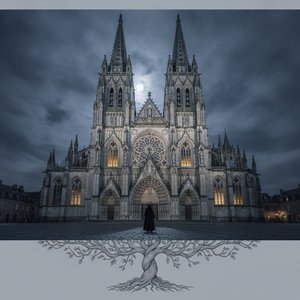
Shadows & Splendor: A Journey Through the Soul of Gothic Art and Architectural Grandeur
Embark on a profound journey through the spiritual intensity of Gothic art. Explore the architectural marvels, luminous stained glass, and sacred sculptures that define this era of grandeur and human devotion.

Hubert Robert: Picturing Ruins, Preserving Memory – A Study of Romantic Antiquarianism & Artistic Innovation
Explore the captivating world of Hubert Robert, master of Romantic landscape painting & 'capriccio' ruins. Discover his historical context, artistic innovations, and collecting insights with OriginalUniqueArt.


